


Real Estate in Balearic Islands

International Real Estate Consultant
Leave a request and our manager will contact you.
International Real Estate Consultant
 Irina Nikolaeva, Southern Europe Real Estate Expert
Updated:
Irina Nikolaeva, Southern Europe Real Estate Expert
Updated:
Real Estate in Balearic Islands
International Real Estate Consultant
Leave a request and our manager will contact you.
International Real Estate Consultant


Weather in Balearic Islands
 !
!
For sale Flat, Spain 205 623 $
📌 A few apartments for sale in Cala de Finestrat - a cozy place between Benidorm and Vieijahoyosa with a...
 !
!
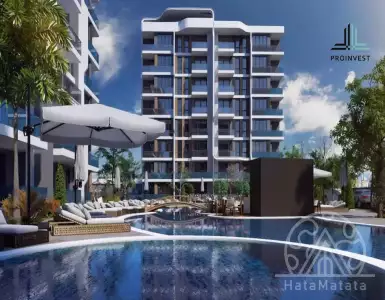
Buy flat, Turkey 162 691 $
ID AN 24382 Main Features: Location:Antalya District:Altintaş Type of property: Housing under construction Number of rooms: 1+1, 2+1
For Sale Real Estate in Balearic Islands
25 listings

 6
6
 5
5
 501
501
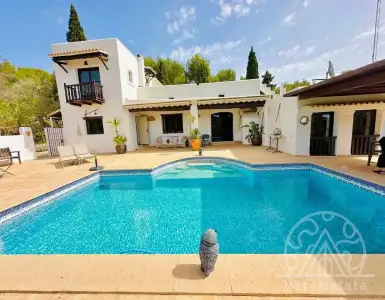
Traditional Ibizan house in Santa Eualia de Rio, with fabulous views of the Roca Llisa golf course. This property,...
Submit Request
 7
5
405
7
5
405
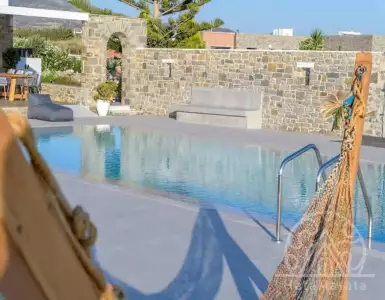
Luxury Villa in Kambos Voutakos, Paros Island A luxury villa for sale, in one of the island's most famous kite...
Submit Request
Popular



Subscribe to get newsletter from Hatamatata.com!



Irina Nikolaeva
Sales Director, HataMatata
 4
3
438
4
3
438
The house with rural property is located in Montuiri. The house has almost no neighbors and is situated on a...
Submit Request
Need help choosing a property?
Leave a request and our manager will contact you.
International Real Estate Consultant
 1
1
138
1
1
138
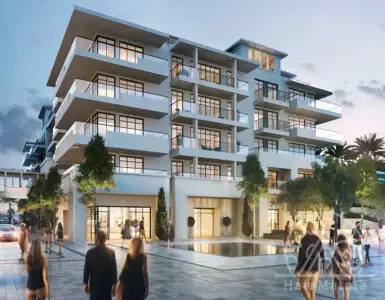
Tivat, Porto Montenegro - Regent Pool Club Residences Area: 138m2 Bedrooms: 2 Bathrooms: 2+1 Garage Storage Located next to the...
Submit Request
 3
2
110
3
2
110
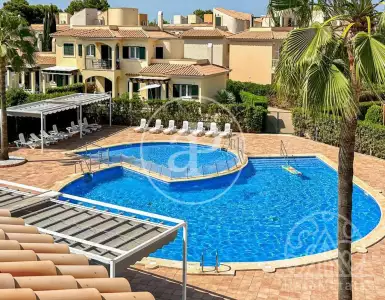
This impressive house of 110 sqm in the prestigious urbanization of El Paraiso in Campos-Sa-Rapita. It is the perfect embodiment...
Submit Request
 9
3
729
9
3
729
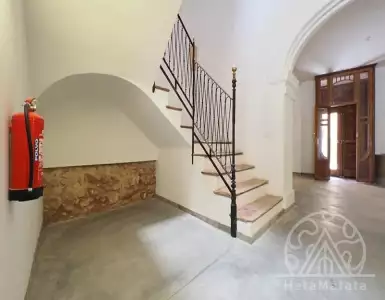
Sineu is a charming village in Majorca with a rich history and traditions. Its weekly market is one of the...
Submit Request
 !
!
For sale Flat, Spain 205 623 $
📌 A few apartments for sale in Cala de Finestrat - a cozy place between Benidorm and Vieijahoyosa with a...
!
Buy flat, Turkey 162 691 $
ID AN 24382 Main Features: Location:Antalya District:Altintaş Type of property: Housing under construction Number of rooms: 1+1, 2+1
 Legal review:
Deni Gerikhanov, International Real Estate Lawyer
Legal review:
Deni Gerikhanov, International Real Estate Lawyer
 Financial review:
Evgeniya Skripko, Financial Expert in International Real Estate
Reviewed:
Financial review:
Evgeniya Skripko, Financial Expert in International Real Estate
Reviewed:
🇪🇸 Buying property in the Balearic Islands: prices, hotspots, taxes and legal process
Buying property in the Balearic Islands is a move that combines Mediterranean lifestyle with solid market fundamentals. The archipelago — Mallorca, Menorca, Ibiza and Formentera — offers diverse product types from compact Palma apartments to high-end villas in Puerto de Andratx and secluded fincas in the Tramuntana. The market serves private buyers, families, seasonal residents and international investors seeking rental income, capital growth and lifestyle value.
💧 Geography, transport and infrastructure in Balearic Islands
Balearic Islands lie off the eastern coast of mainland Spain, covering about 4,992 km² and hosting approximately 1.2 million residents including seasonal population fluctuations. Palma de Mallorca is the regional hub with the University of the Balearic Islands (UIB) campuses and major medical centres. Son Sant Joan (Palma Airport, PMI) handles around 25–30 million passengers in busy years and connects direct to most European capitals, Scandinavia and the UK.
Balearic road and maritime infrastructure supports both residents and tourism: the MA-13 motorway links Palma to the north coast, regular ferry lines connect Palma to Barcelona and Valencia, and high-speed ferry services link Ibiza, Formentera and Menorca. Port infrastructure in Palma and Ibiza supports cruise liners and private marinas such as Marina Port de Mallorca and Marina Botafoch.
Balearics’ public infrastructure includes top-tier hospitals such as Hospital Universitari Son Espases in Palma, Mateu Orfila in Menorca and Can Misses in Ibiza, international schooling options (e.g., The English School of Mallorca, Baleares International College), and growing coworking hubs in Palma and Ibiza catering to remote professionals.
📈 Economy and investment potential in Balearic Islands
Balearic economy is heavily service-led with tourism, hospitality and real estate as primary drivers; tourism often accounts for around 30–40% of regional GDP depending on seasonal and cyclical patterns. The region attracts millions of international visitors annually and has a strong track record of capital inflows from foreign buyers, especially from Germany, the UK, Scandinavia and Switzerland.
Employment and business activity concentrate in Palma, Calvià and Ibiza Town where retail, gastronomy and marine services expand during high seasons and sustain year-round operations. Tourism peaks create high short-term rental demand, while urbanisation and quality-of-life migration support long-term residential demand.
Investment statistics consistently show constrained supply of prime seafront stock and luxury villas, which sustains price resilience. Institutional interest for portfolio acquisitions has increased, driven by predictable seasonal rental cashflows and premium yield opportunities in bespoke assets.
💶 Property prices in Balearic Islands by category and area
Property price ranges vary significantly by island, municipality and product type, reflecting limited supply in prime pockets and broader secondary-market options. Typical ranges are:
- Palma de Mallorca (city apartments): €2,500–€5,500 / m², prime districts such as Santa Catalina, Portixol and Paseo Marítimo frequently exceed €4,500 / m².
- Southwest Mallorca (Andratx, Bendinat, Portals Nous, Illetas): luxury villas and waterfront properties from €6,000 to €15,000+ / m² depending on plot and sea access.
- North Mallorca (Pollensa, Alcúdia, Port de Pollença): family homes and townhouses typically €2,500–€4,000 / m².
- Ibiza (Ibiza Town, Jesús, San José): islandwide averages €5,000–€10,000 / m² for central and coastal areas; villas and estates can reach multi-million euro valuations.
- Menorca (Mahon, Ciutadella): more affordable bracket €1,800–€3,500 / m², with rural fincas and village houses attractive to families and retirees.
- Formentera: extremely limited supply with premium pricing on resale stock; expect unit prices well above island averages for water-accessible plots.
Market dynamics show higher demand for renovated secondary-market property and selective new build launches. Typical yields: long-term rental yields around 3–4% net, holiday rental gross yields commonly 4–7% in high-demand locations.
📍 Key districts and locations in Balearic Islands to target
Palma de Mallorca: Santa Catalina, La Lonja, Portixol, Son Armadams, Paseo Marítimo and Son Vida for premium villas. These districts combine university access, hospitals, dining and marina life.
Southwest coast: Port d’Andratx, Andratx, Bendinat, Portals Nous and Illetas host many luxury developers and private marina owners, offering direct sea access, established concierge services and private schools within 15–25 minutes of Palma.
Ibiza: Marina Botafoch, Dalt Vila, Cala Jondal, and San José (Sant Josep) cover both high-net-worth lifestyle buyers and premium short-term rental markets. Menorca and Formentera are preferred for family buyers and those seeking quieter, long-stay residency.
🏗️ Major developers and projects in Balearic Islands
National listed developers with presence in the islands include Neinor Homes, Aedas Homes, Metrovacesa and Acciona Inmobiliaria, which periodically launch new build developments around Palma and coastal municipalities.
Local specialized promoters and boutique firms dominate the luxury villa market in ports and coastal coves, delivering bespoke projects and refurbishment of historic townhouses in Palma’s old town and coastal mansions in Puerto de Andratx.
Notable regeneration and waterfront zones such as Portixol in Palma and Marina Botafoch in Ibiza have seen mixed development: boutique apartment conversions, upscale hospitality projects and marina-adjacent small-lot developments that attract quality buyers and produce consistent resale demand.
🏦 Mortgages and installment plans for property in Balearic Islands
Spanish banks and international lenders provide mortgage financing for non-residents and residents. Non-resident buyers typically secure up to 60–70% LTV, while residents can access up to 80% in many cases, depending on the bank’s risk assessment.
Typical mortgage terms extend to 25–30 years, with interest rates varying depending on product and borrower profile; variable rates are common though fixed-rate offers are increasingly available. Foreign buyers should expect a down payment of 30–40% as a practical planning figure.
Developers of new build property in Balearic Islands commonly offer interest-free installment plans during construction (stage payments), and banks may provide bridging finance for renovation projects. Buyers should budget for arrangement fees, valuation fees and requirements for Spanish bank accounts and an NIE number.
📝 Property purchase process in Balearic Islands: step-by-step
Buyer selection begins with viewing and due diligence; many purchasers reserve a property with a small deposit and a short exclusivity window. The private purchase contract (arras) sets binding terms and typically requires a 10%–30% deposit depending on whether it is a new build or resale.
Completion occurs at a Spanish notary where the public deed of sale (escritura) is signed. Buyers must pay applicable taxes and notary/registry fees before or at completion. The property is then registered at the Registro de la Propiedad under the buyer’s name.
Post-completion practicalities include registering for local IBI (property tax), utilities, and, if applicable, arranging full insurance. Accepted payment methods are bank transfer (documented) and certified bank instruments for large sums to ensure traceability and compliance.
⚖️ Legal aspects, residence permits and citizenship by real estate investment in Balearic Islands
Purchasing real estate in the Balearic Islands requires an NIE (foreigner identification number) and compliance with Spanish conveyancing law via a notary. Buyers should instruct a local lawyer to perform title checks, outstanding charges review and ensure cadastral alignment.
Spain’s Golden Visa program grants residency permits for a minimum investment of €500,000 in real estate (purchase may be mortgage-backed but the rule is investment value net of charges), a route available when buying property in Balearic Islands. Residency under the Golden Visa facilitates travel within the Schengen area and family reunification.
Buying property does not automatically grant Spanish citizenship. Citizenship requires legal residence and fulfilment of naturalisation rules, commonly 10 years of residency (shorter for certain nationalities). Investors should plan residence strategies or consult immigration specialists about residence permit by real estate investment in Balearic Islands and long-term pathways.
🔍 Buyer scenarios and investment advantages in Balearic Islands
Family buyers and relocators often prioritise Palma, Pollensa or Menorca for schools, healthcare access and calmer year-round life; typical property choices are spacious townhouses, suburban villas and village fincas offering 200–350 m² living areas on 500–1,500 m² plots.
Short-term rental investors typically target Cala Major, Santa Catalina, Puerto Portals, Ibiza Town and central Palma to capture peak-season yields and corporate demand; these areas combine transport links, nightlife and marina access that support higher ADRs and occupancy.
Long-term investors and pensioners often select moderately priced secondary-market property in Mahón, Ciutadella or inland Mallorca for stable capital growth and lower maintenance costs. New build property in Balearic Islands appeals to buyers wanting warranties, energy-efficient construction and staged payment plans; secondary market property remains the primary supply for turnkey rentals and historic townhouses.
Balearic Islands offer a spectrum of opportunities: lifestyle-driven purchases in Menorca and Formentera, premium-luxury investments in Andratx and Ibiza, and urban-residential plays in Palma that yield balanced rental income and capital appreciation. If you have a preferred island, budget range or investment horizon, a focused search combined with local legal and tax advice will maximise outcomes and reduce purchase friction.
Frequently Asked Questions
How much do properties cost in the Balearic Islands—what are typical prices per square meter in Mallorca, Ibiza, Menorca and Formentera?
Prices vary widely: Mallorca ~$2,800–6,000/m² (€2,600–5,500), Ibiza ~$5,500–13,000/m² (€5,100–12,000), Menorca ~$2,800–4,500/m² (€2,600–4,200), Formentera ~$8,500–13,000/m² (€7,900–12,000). Typical 2‑bed apartment ranges: $250k–$800k depending on island and location; prime seafront villas can exceed $2M.
Can foreigners buy and own property in the Balearic Islands and what paperwork is needed?
Yes—foreigners can buy freehold. Non‑residents must obtain an NIE number, open a Spanish bank account, sign at a notary for the Escritura (deed) and register the property. EU and non‑EU buyers face the same ownership rights; non‑residents pay different tax rates and may need to appoint a fiscal representative.
Is buying real estate in the Balearic Islands a good investment — what rental demand and yields can I expect?
Strong tourist demand yields high seasonal income. Typical gross yields range 3–7% overall; prime Ibiza and Palma short‑term properties can exceed 6–8% gross in high season. Occupancy is seasonal (peak summer), liquidity is higher for prime locations, lower for remote or heavily regulated zones.
What is daily life like if I relocate to the Balearic Islands—healthcare, schools, transport and services?
Daily life: good public healthcare plus private clinics, international and bilingual schools mainly in Palma and Ibiza, reliable ferry and airport links, regional buses and car dependence outside towns. Basic services and supermarkets widely available; registration (empadronamiento) and NIE needed to access full services.
Are the Balearic Islands suitable for digital nomads or remote workers—how is internet and long‑stay practicality?
Suitable in towns: fiber and mobile 4G/5G offer 100–1,000 Mbps in Palma, Ibiza and main towns; rural coverage can be weak. Co‑working spaces exist. Schengen rules limit short stays (90/180 days) unless you obtain a long‑stay or Spain's digital nomad/residence visa to legally stay longer and work remotely.
Can I get a golden visa or residency by buying property in the Balearic Islands and what are the requirements?
Yes—Spain's investor residency applies in the Balearics. Minimum qualifying property investment is €500,000 (~$540,000). It grants residence permits for investors and family, renewable; long‑term residency/citizenship require fulfilling continuous residency rules and standard naturalization timelines (citizenship typically after 10 years of legal residence).
What taxes, transaction costs and timelines should I budget when buying a Balearic Islands property?
Budget transfer tax for resale ~8–11% of price (regional), VAT on new builds 10% plus AJD (~1–1.5%). Notary, land registry and admin ~1–2%; legal fees ~1%. Annual property tax (IBI) ~0.4–1.1% of cadastral value. Typical completion timeline 6–12 weeks from offer to registered deed, longer for mortgages or permits.
Can I legally rent my Balearic Islands property on short‑term platforms and what are the licensing rules?
You must hold a valid tourist rental licence to market short‑term stays; Balearic Islands have strict local caps and municipal controls. Rules vary by island and town; unlicensed rentals risk fines and forced delisting. Check local town council requirements and community statutes before advertising.
Are there special planning or coastal restrictions in the Balearic Islands for renovating or rebuilding a property?
Yes—coastal zone and protected landscapes have strict planning rules; building rights can be limited, especially in Natura 2000 and heritage zones. Renovation permits can take 2–6+ months and may require environmental or archaeological reports. Always confirm local urban plan (PGOU) and coastal law implications before buying.
What ongoing costs and maintenance should I expect for a Balearic Islands property (community fees, utilities, insurance)?
Monthly community fees vary widely: $100–$600 (€90–€550) depending on services. Utilities $80–$200/month (€75–€185). Annual home insurance $300–$1,200 (€280–€1,100) depending on location and coverage. Coastal homes may need extra corrosion/roof maintenance and higher insurance for storm/sea risk.
Real estate types in Balearic Islands
Real estate types by cities of Balearic Islands
- Houses in Calvia (4)
- Houses in Campos (1)
- Villas in Campos (1)
- Flats in Andrajc (1)
- Hotels in Sineu (1)
Properties by Region
Properties by Country
- Real estate in Bulgaria (11420)
- Real estate in Montenegro (5347)
- Real estate in Spain (5198)
- Real estate in Indonesia (2424)
- Real estate in Turkey (2318)
- Real estate in Portugal (2037)
- Real estate in Croatia (1682)
- Real estate in Cyprus (1623)
- Real estate in Italy (1578)
- Real estate in Thailand (1565)
- Real estate in Greece (1119)
- Real estate in France (1070)
- Real estate in USA (732)
- Real estate in Georgia (507)
- Real estate in Serbia (247)
- Real estate in Slovenia (125)
- Real estate in Egypt (20)
Free real estate consultation in Balearic Islands
Don't know which area to choose in Balearic Islands? We will tell you in which areas it is better to live or invest, and show you the appropriate options.

Maria Guven
Head of Direct Sales Department
+90-507-705-8082