


Real Estate in Canary Islands

International Real Estate Consultant
Leave a request and our manager will contact you.
International Real Estate Consultant
Real Estate in Canary Islands
International Real Estate Consultant
Leave a request and our manager will contact you.
International Real Estate Consultant
Selection real estate in Canary Islands in 15 minutes
Leave a request and we will select the 3 best options for your budget



Weather in Canary Islands
 !
!
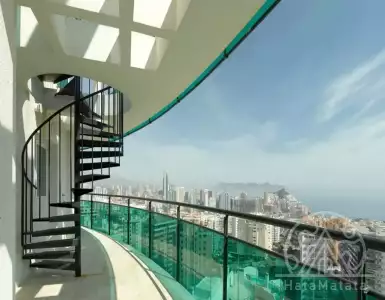
For sale Flat, Spain 211 374 $
📌 A few apartments for sale in Cala de Finestrat - a cozy place between Benidorm and Vieijahoyosa with a...
 !
!
Buy flat, Turkey 167 241 $
ID AN 24382 Main Features: Location:Antalya District:Altintaş Type of property: Housing under construction Number of rooms: 1+1, 2+1
For Sale Real Estate in Canary Islands
Villas in Tenerife
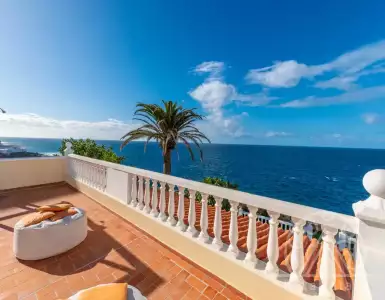


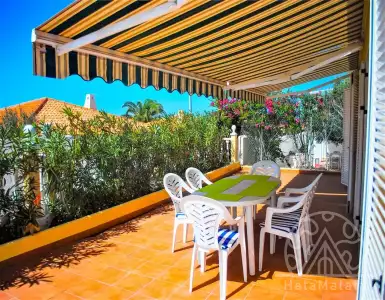
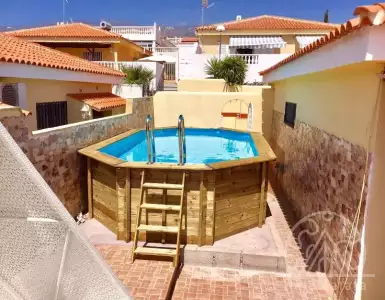
Flats in Adehe
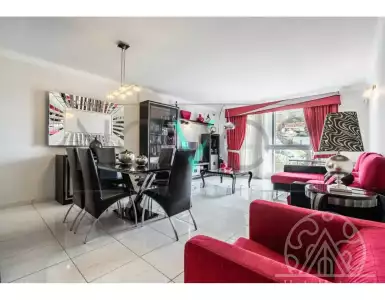
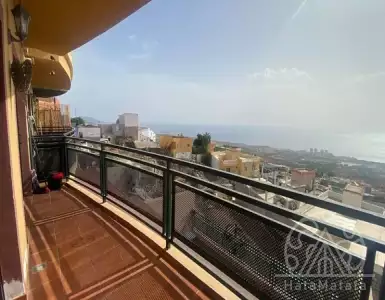
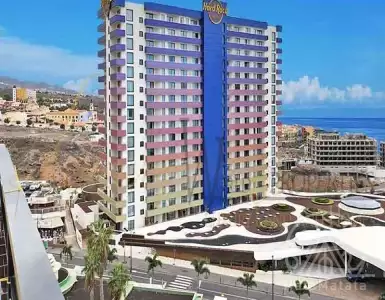
Do you want to buy real estate in Canary Islands? We'll tell you where to start
Leave a request and we will select the 3 best options for your budget
International Real Estate Consultant
Flats in Tenerife
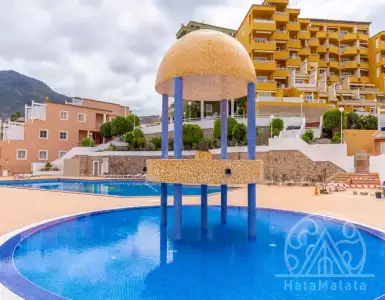
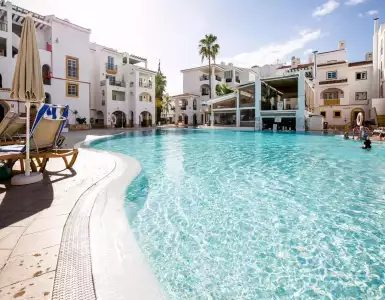
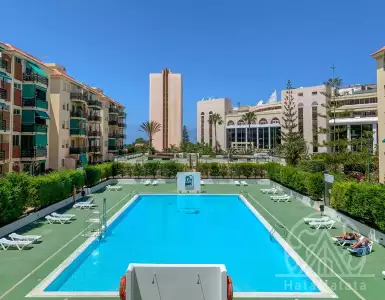
Selection real estate in Canary Islands in 15 minutes
Leave a request and we will select the 3 best options for your budget
🇪🇸 Property for sale in the Canary Islands, Spain: Tenerife, Gran Canaria, Lanzarote
Canary Islands real estate blends strong tourism fundamentals, stable microclimates and a variety of coastal and inland locations that work for private buyers and international investors alike. Whether you want a beachfront apartment in Costa Adeje, a villa in Maspalomas, a renovated townhouse in Vegueta or a new build investment in Corralejo, the islands offer a combination of year‑round demand, favorable tax regime and a straightforward Spanish buying process adapted to foreigners.
💶 Property prices in Canary Islands
Canary Islands property prices vary widely by island, town and type of offer, from budget secondary‑market apartments to luxury seafront villas. In general terms, entry-level apartments for resale often start around €120,000–€180,000, while family homes and modern villas in prime coastal zones commonly range from €350,000 to €2.5 million. Luxury villas in exclusive enclaves of Tenerife and Gran Canaria can exceed €3–5 million.
Prices per square metre by typical zones:
- Costa Adeje / Playa de las Américas (Tenerife): €2,500–€6,000/m² depending on sea view and hotel‑resort proximity.
- Las Palmas de Gran Canaria (Las Canteras, Vegueta, Triana): €1,600–€3,200/m² for central apartments.
- Maspalomas / Meloneras (Gran Canaria): €2,200–€4,500/m² for holiday and premium stock.
- Corralejo (Fuerteventura) and Puerto del Carmen (Lanzarote): €1,800–€4,000/m² in tourist corridors.
Market dynamics and demand trends:
- Secondary market property in Canary Islands remains active in Las Palmas, Adeje and Puerto del Carmen where stock turnover is higher.
- New build property in Canary Islands is focused on coastal regeneration and small‑scale resort complexes; developers often price aggressively to capture holiday rental investors.
- Rental yields typically range 3–8% gross: long‑term rentals in urban centres average 3–4%, while well‑managed holiday lets in tourist hotspots can reach 5–8% gross during high season.
🚆 Geography, transport and infrastructure in Canary Islands
Canary Islands are an Atlantic archipelago of seven main islands: Tenerife, Gran Canaria, Lanzarote, Fuerteventura, La Palma, La Gomera, El Hierro, each with distinct microclimates. Major international gateways include Tenerife South (TFS), Tenerife North (TFN), Gran Canaria (LPA), Lanzarote (ACE) and Fuerteventura (FUE) airports, together handling millions of passengers annually and offering daily flights to mainland Spain and Europe.
Infrastructure and lifestyle facilities are well developed in main centres. Education and healthcare highlights:
- Universities: University of La Laguna (Tenerife) and University of Las Palmas de Gran Canaria supply local talent and research links.
- Hospitals: University Hospital of Canarias and Hospital Universitario de Gran Canaria Dr. Negrín offer tertiary care; private clinics such as Hospital QuirónSalud have strong presence.
- Roads and ports: The TF‑1 and GC‑1 motorways connect coastal resorts; ferries link islands through ports in Santa Cruz de Tenerife, Las Palmas and Arrecife.
Lifestyle and business infrastructure:
- Shopping and services: Centro Comercial Meridiano (Las Palmas), Siam Mall (Costa Adeje), and local commercial centres cover retail needs.
- Business districts and coworking: Las Palmas and Santa Cruz have growing coworking scenes to support digital nomads and relocation clients.
- Sports and leisure: World‑class golf courses (Abama Golf, Costa Meloneras), marinas (Puerto Calero, Puerto de Mogán) and water sports hubs support a year‑round active lifestyle.
📈 Economy and investment potential in Canary Islands
Canary Islands combine a tourism‑led economy with strategic logistics and renewable energy initiatives that attract investment. The archipelago is home to approximately 2.2 million residents and a gross regional product in the tens of billions of euros, with tourism contributing roughly one third of regional GDP in typical seasons and over 10 million annual visitors to key islands.
Employment and migration:
- Employment is concentrated in tourism, construction and services; unemployment has historically been above the national average but has been improving with rebound in travel and investment.
- Migration patterns show steady inward demand from northern European buyers seeking climate and lifestyle, plus sustained domestic relocation from mainland Spain.
Investment indicators:
- Occupancy rates in high season often reach 80–90% in prime tourist zones; annualized occupancy for quality holiday rentals is commonly 60–75%.
- Return on investment for managed short‑term rentals in top resorts can generate gross yields of 5–8%, while stabilized long‑term rentals produce lower but steadier returns.
- Government incentives and Canary special tax regime (IGIC) make the operating cost base different from mainland Spain, relevant for developers and buy‑to‑let owners.
🏘️ Best areas in Canary Islands to buy property
Choosing the right island and district depends on buyer goals: lifestyle, rental income, long‑term appreciation or second‑home convenience. Tenerife and Gran Canaria dominate for volume and infrastructure; Lanzarote and Fuerteventura are strong for niche tourism, while La Palma, La Gomera and El Hierro appeal to quieter, nature‑focused buyers.
Key districts and towns to know:
- Costa Adeje, Playa de las Américas, Los Cristianos (Tenerife) — Prime holiday rental demand, high‑end hotels, medical and retail infrastructure.
- Santa Cruz de Tenerife and Puerto de la Cruz — Urban living, local rental markets and university presence.
- Las Palmas de Gran Canaria (Las Canteras, Triana, Vegueta) — Strong year‑round demand, long‑stay rentals and family buyers.
- Maspalomas, Meloneras, Puerto de Mogán (Gran Canaria south) — Luxury resorts, golf and premium villas.
- Corralejo (Fuerteventura), Playa Blanca and Puerto del Carmen (Lanzarote) — Wind‑surfing and beach tourism hotspots with consolidated rental businesses.
Practical notes per scenario:
- Buyers seeking holiday rental income should target Costa Adeje, Maspalomas and Corralejo for high seasonality and strong ADRs (average daily rates).
- Families relocating or remote workers often prefer Las Palmas, Santa Cruz and quieter northern Tenerife towns for schools and hospitals.
- Buyers focused on capital appreciation consider central regeneration areas in Las Palmas and strategic plots in Costa Adeje where new build supply is limited.
🏗️ Major developers and projects in Canary Islands
The islands attract national and local developers as well as international hotel groups that also sell residential units. Recognizable names active in the archipelago or operating major projects include Lopesan Group (Costa Meloneras projects), RIU Hotels & Resorts, Grupo Piñero (Bahia del Duque operations), Taylor Wimpey España and development partnerships that combine hotel operators with residential build‑to‑sell segments.
Notable projects and resort complexes:
- Ritz‑Carlton Abama / Las Terrazas de Abama (Tenerife) — branded luxury resort with mixed‑use residential units.
- Bahia del Duque / Costa Adeje developments — high‑end hotel and gated community stock attracting premium clients.
- Lopesan Costa Meloneras (Gran Canaria) — significant resort and residential consolidation in Meloneras and Maspalomas.
- Puerto Calero marina and nearby developments (Lanzarote) — attractive for yachting buyers and seafront residences.
Developer offers often include:
- Interest‑free installment plans during construction for new build property in Canary Islands, particularly for overseas buyers.
- Turnkey packages for holiday rental investors where management and marketing are bundled with property purchase.
- Small to medium scale regeneration projects in Las Palmas and Santa Cruz offering apartments for both local sale and investor rental pools.
🧾 Mortgages and installment plans for property in Canary Islands
Financing is widely accessible for residents and non‑residents, with Spanish banks and international lenders active in the islands. Typical mortgage features:
- Loan‑to‑value (LTV): up to 80% for Spanish residents on primary homes, and commonly 60–70% LTV for non‑resident buyers; many banks require 30–40% down payment from foreign purchasers.
- Loan terms: mortgages up to 25–30 years are standard; both fixed and variable rate products are available. Indicative interest ranges for well‑qualified borrowers typically fall in the mid‑single digits depending on product and collateral.
Developer financing and installment plans:
- Property in Canary Islands with installment plan is a regular market feature for new builds; developers frequently offer staged deposits and completion balances with interest‑free or low‑interest phases to attract international buyers.
- Mortgage in Spain for foreigners is available from major banks such as Banco Santander, BBVA and CaixaBank (operating via regional branches) and via local Canary banks that know the market specifics.
- Costs include arrangement fees, valuation fees and insurance; buyers should budget for these plus the standard closing taxes.
🛠️ Property purchase process in Canary Islands
Buying property in the Canary Islands follows the Spanish legal framework with island‑specific tax considerations and a straightforward sequence that experienced agents, lawyers and notaries support.
Step‑by‑step purchase process:
- Obtain an NIE number (foreigner identification number) and open a Spanish bank account to handle deposits and payments.
- Reserve the property with a reservation fee and sign a private purchase (arras) contract that typically includes a deposit of 3–10% of the purchase price.
- Due diligence and mortgage application: instruct a lawyer to verify land registry, encumbrances and energy certificates; obtain mortgage offer if needed.
- Completion at notary: sign the public deed of sale (escritura) at the notary; balance payment is made, and the deed is lodged at the Land Registry.
- Pay taxes and fees: expect transaction taxes and ancillary costs; new builds attract IGIC (Canary indirect tax), resale transactions pay transfer tax.
Typical buying costs and taxes:
- New build: IGIC typically around 7% on purchase price plus notary, registry and legal fees.
- Resale: Transfer Tax (ITP) commonly ranges between 6% and 11% depending on property value and autonomous region rules.
- Additional costs: notary and registry fees ~1–2%, legal fees ~1%—1.5%, and agency fees sometimes paid by vendor but can vary.
⚖️ Legal aspects, residence permits and citizenship related to Canary Islands property
Understanding legal and immigration implications is crucial for international buyers. Spain offers several pathways linked to property investment, but rules are specific and should be verified with legal counsel.
Residence and Golden Visa:
- Residence permit by real estate investment in Canary Islands is possible under Spain’s Golden Visa scheme when a buyer invests at least €500,000 in property; this gives a residence permit and travel rights across the Schengen area while the investment remains active.
- Other residency options: buyers can pursue non‑lucrative visas or work permits depending on circumstances, but ordinary property purchases under the €500,000 threshold do not automatically grant residency.
Citizenship and long‑term residence:
- Spain does not offer citizenship by real estate investment directly; naturalization requires legal residence, language and integration criteria and generally a period of continuous residence (commonly ten years, with shorter terms for some nationalities).
- Compliance: purchasers must handle tax residency, declare rental income and pay applicable Canary tax regimes; legal and tax advice is strongly recommended.
🎯 Investment advantages and buyer scenarios in Canary Islands
The Canary Islands suit a broad spectrum of buyer profiles because of climate stability, tourism flows and flexible product mix. Typical scenarios and where they fit:
Short‑term holiday rental investor:
- Best fits: Costa Adeje, Playa de las Américas, Maspalomas, Corralejo.
- Property type: one‑ to three‑bed apartments, small villas near beaches.
- Expectations: seasonal ADRs high in winter months and peaks during European holidays; gross yields 5–8% possible with professional management.
Long‑term income and relocation:
- Best fits: Las Palmas, Santa Cruz and residential northern Tenerife towns.
- Property type: renovated flats, family houses near schools and hospitals.
- Expectations: steadier yields 3–4%, lower seasonality, better community services.
Lifestyle buyers and retirees:
- Best fits: Meloneras, Puerto de Mogán, quieter parts of Lanzarote and Fuerteventura.
- Property type: villas, townhouses, bungalows in gated communities.
- Expectations: focus on quality of life, healthcare access, and potential rental income during absences.
Remote workers and families:
- Best fits: Las Palmas, southern Tenerife towns with international schools and coworking hubs.
- Property type: modern apartments with good internet and transport links.
- Expectations: balanced lifestyle, access to universities and clinics.
Final thoughts on strategy: align purchase type with intended use — holiday rental requires resort proximity and management; long‑term investment benefits from urban centres with diversified demand; luxury buyers focus on micro‑location and service availability. With transparent procedures, available financing, recognizable developers and a tourism base that supports demand, the Canary Islands remain a pragmatic option for diverse buyer profiles.
If you want, I can prepare tailored area comparisons (Tenerife vs Gran Canaria vs Lanzarote) or a checklist for due diligence specific to a property you are considering.
Frequently Asked Questions
How much do properties cost in the Canary Islands?
Prices vary by island and location. Expect roughly $1,500–$3,000/m² across the region; tourist hotspots (Tenerife south, Gran Canaria) $2,000–$4,500/m²; prime seafront or luxury homes $4,500–$9,000+/m². Typical 1‑bed apartments start around $90k–$160k; 2–3 beds commonly $150k–$350k. Local currency examples: EUR in brackets.
Can foreigners buy real estate in the Canary Islands and what legal steps are required?
Yes — non‑EU and EU citizens can buy property. Key steps: obtain an NIE number, sign a reservation and private contract, pay deposit, complete public deed (escritura) before a notary, register at the Land Registry. Expect identity checks, anti‑money‑laundering paperwork and to hire a lawyer or gestor for due diligence.
What rental demand and investment potential does Canary Islands property offer?
Strong tourist demand yields short‑term opportunities. Typical gross rental yields: 3–6% for long‑term lets, 5–8%+ for well‑managed holiday rentals in hotspots. Seasonal occupancy often 60–80%. Liquidity: popular areas can sell in 1–6 months; rural/secondary locations 6–12+ months. Returns depend on location, management and licensing.
Is the Canary Islands a good place to relocate with a family (schools, healthcare, transport)?
Yes. Public healthcare access with resident registration plus private options; main islands have hospitals and specialist care. International or bilingual schools exist but are limited—expect private fees. Airports with regular international flights, inter‑island ferries and bus networks provide good connectivity. Daily life suits outdoor family living; some services are concentrated in main towns.
Are the Canary Islands suitable for digital nomads or remote workers?
Yes — islands offer reliable fiber in towns (100–1,000 Mbps in many areas), good cafés/co‑working in main centres, mild climate and lower living costs than many EU cities. Spain’s remote‑worker/digital nomad visa options apply to the islands. For long stays budget for accommodation, health insurance and residence paperwork.
Can buying property in the Canary Islands get me a Golden Visa, residency or citizenship?
Yes — Spain’s investment (Golden) Visa can be obtained after purchasing real estate worth at least €500,000 (~$540k). Golden Visa grants residency; other routes: non‑lucrative or work visas. Long‑term residency typically after several years and citizenship normally after 10 years of legal residence under Spanish law.
What taxes, fees and common pitfalls should buyers expect when buying in the Canary Islands?
Typical costs: transfer tax (resale) roughly 6–8% of price; notary/registry + legal fees ~1–2% each; agency fees usually paid by seller but check contracts. New builds attract regional indirect tax (IGIC) rather than mainland VAT. Watch for unpaid community debts, unclear licences, holiday‑rental bans in some municipalities and currency conversion costs.
How easy is it for a foreigner to get a mortgage in the Canary Islands and what terms are typical?
Foreign buyers can get mortgages: non‑resident LTV commonly 60–70% of purchase price, resident buyers up to ~80%. Terms up to 25–30 years are typical. Lenders require NIE, proof of income/savings, credit history and local bank accounts. Expect different borrowing limits and stricter affordability checks for non‑residents.
Do I need a holiday rental licence in the Canary Islands and how does regulation affect short‑term lettings?
Many municipalities require an official holiday rental registration/licence; rules differ by island and town. Licences affect where you can rent, occupancy limits and tax obligations. Operating without a licence risks fines and forced de‑listing. Plan 1–3 months to secure paperwork if eligible; check local town hall rules before purchase.
Should I buy off‑plan or resale property in the Canary Islands and what due diligence is essential?
Resale gives immediate income potential; off‑plan can offer modern specs but carries construction and delivery risk (completion often 12–36 months). Essential checks: nota simple at the Land Registry, building permits and licence of first occupation, community debts, coastal protection/urban planning status, and a clear purchase contract with penalty/completion clauses.
Property by cities
Real estate types in Canary Islands
Real estate types by cities of Canary Islands
Properties by Region
Properties by Country
- Real estate in Bulgaria (11437)
- Real estate in Montenegro (5337)
- Real estate in Spain (5198)
- Real estate in Indonesia (2424)
- Real estate in Portugal (2037)
- Real estate in Turkey (1917)
- Real estate in Croatia (1682)
- Real estate in Cyprus (1640)
- Real estate in Italy (1578)
- Real estate in Thailand (1565)
- Real estate in Greece (1119)
- Real estate in France (1070)
- Real estate in USA (732)
- Real estate in Georgia (507)
- Real estate in Serbia (246)
- Real estate in Slovenia (125)
- Real estate in Egypt (20)
Free real estate consultation in Canary Islands
Don't know which area to choose in Canary Islands? We will tell you in which areas it is better to live or invest, and show you the appropriate options.

Maria Guven
Head of Direct Sales Department
+90-507-705-8082