


Real Estate in Catalonia

International Real Estate Consultant
Leave a request and our manager will contact you.
International Real Estate Consultant
 Irina Nikolaeva, Southern Europe Real Estate Expert
Reviewed:
Irina Nikolaeva, Southern Europe Real Estate Expert
Reviewed:
Real Estate in Catalonia
International Real Estate Consultant
Leave a request and our manager will contact you.
International Real Estate Consultant
Selection real estate in Catalonia in 15 minutes
Leave a request and we will select the 3 best options for your budget

Weather in Catalonia
 !
!
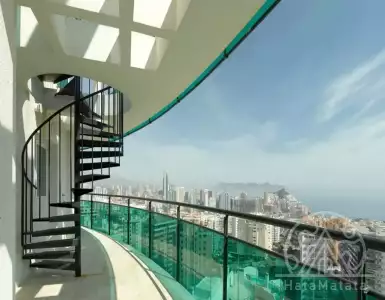
For sale Flat, Spain 208 626 $
📌 A few apartments for sale in Cala de Finestrat - a cozy place between Benidorm and Vieijahoyosa with a...
 !
!
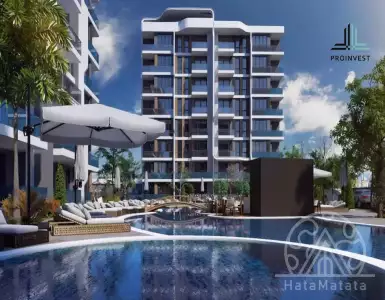
Buy flat, Turkey 165 067 $
ID AN 24382 Main Features: Location:Antalya District:Altintaş Type of property: Housing under construction Number of rooms: 1+1, 2+1
For Sale Real Estate in Catalonia
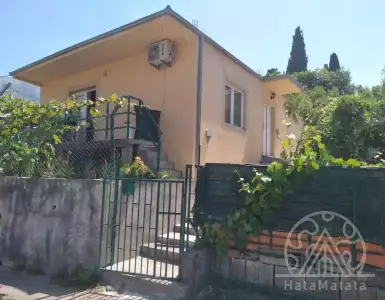
Houses in Barcelona
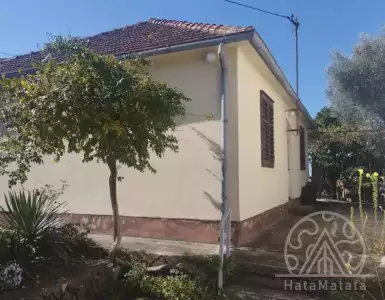
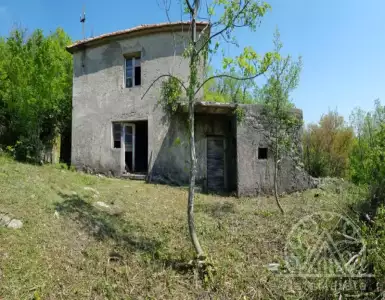
Villas in Barcelona
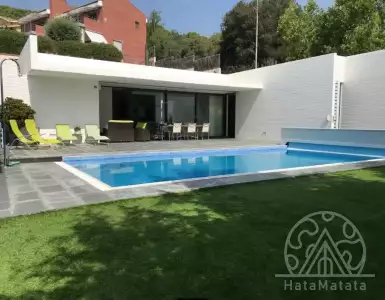
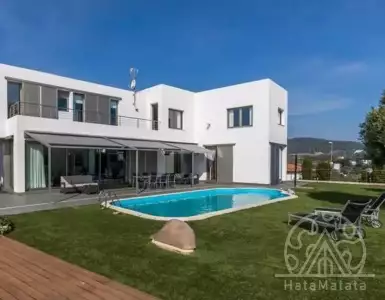
Do you want to buy real estate in Catalonia? We'll tell you where to start
Leave a request and we will select the 3 best options for your budget
International Real Estate Consultant
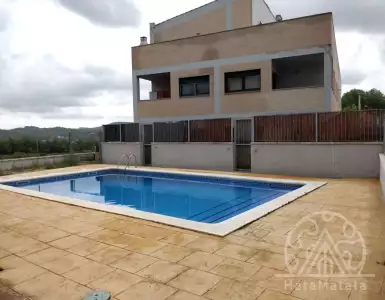
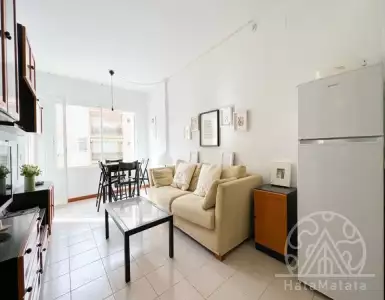
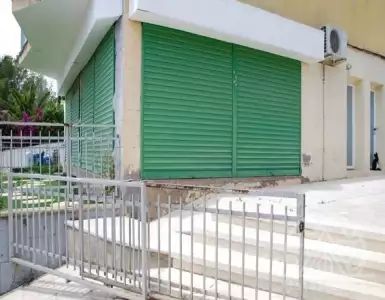
Flats in Calafel
Flats in Lloret de Mar
 3
3
 1
1
 85
85
 3
1
165
3
1
165
 2
1
62
2
1
62
Flats in Barcelona
Selection real estate in Catalonia in 15 minutes
Leave a request and we will select the 3 best options for your budget
🇪🇸 Property for sale in Catalonia, Spain: listings, regions, taxes and legal process
Catalonia offers a rare combination of Mediterranean lifestyle, robust infrastructure and diversified economy that makes buying property in Catalonia attractive to private buyers and international investors alike. Whether you are looking for a long‑term home in Barcelona, a new build property on the Costa Brava, or a portfolio asset for rental income, Catalonia has clearly defined price bands, accessible financing and well‑understood legal steps that reduce uncertainty and accelerate transactions. Below you will find practical, numbers‑based guidance that maps locations, prices, developers, finance options and legal considerations to real buyer scenarios.
🌍 Geography, climate and infrastructure in Catalonia
Catalonia stretches from the Pyrenees to a long Mediterranean coastline and includes four provinces: Barcelona, Girona, Tarragona and Lleida. Population is about 7.7 million, with the Barcelona metropolitan area concentrating roughly 5.5 million people and acting as the region’s primary economic and transport hub.
Catalonia’s climate varies from Mediterranean on the coast to mountain conditions in the Pyrenees; annual temperatures on the coast average 14–20°C, offering year‑round occupancy for many buyers.
Transport links are strong: Barcelona–El Prat airport handles over 40 million passengers yearly, high‑speed AVE and regional Rodalies/MD trains connect at Sants and La Sagrera, and major motorways (AP‑7, C‑32, A‑2) link Catalonia to France and the rest of Spain.
Catalonia’s infrastructure goes beyond transport and includes world‑class universities and hospitals that support long‑term demand for housing. Universitat de Barcelona (UB), Pompeu Fabra University (UPF), Universitat Autònoma de Barcelona (UAB) and Universitat Politècnica de Catalunya (UPC) are magnets for students and researchers; Hospital Clínic, Vall d’Hebron and Sant Joan de Déu provide tertiary medical services.
Business and innovation districts such as Poblenou, Diagonal Mar and Plaça Europa (L'Hospitalet) host tech, biotech and logistics firms, strengthening demand for both rental apartments and executive housing.
Leisure and lifestyle infrastructure includes hundreds of marinas (Port Vell, Port de Barcelona, Port de Palamós), golf courses on the Costa Brava and Costa Daurada, and ski resorts accessible within a two‑ to three‑hour drive, creating diverse seasonal markets.
📈 Economy and investment potential in Catalonia
Catalonia is a major economic engine of Spain, contributing roughly 20% of national GDP, with regional GDP near €250 billion. The economy is diversified across manufacturing, logistics, ICT, biotech, tourism and financial services, which stabilizes real estate demand across business cycles.
Barcelona’s conference and trade‑fair ecosystem, anchored by Fira de Barcelona and annual events like the Mobile World Congress, attracts large inbound flows of professionals and short‑stay guests, supporting corporate rentals and serviced apartment demand.
The Port of Barcelona is one of the Mediterranean’s busiest hubs for containers and cruise traffic, generating logistics and industrial real estate demand. City‑level FDI and startup activity concentrates in Sant Cugat, driving mid‑market residential interest from young professionals.
Catalonia’s tourism remains a key demand driver for coastal markets: cities and resorts on the Costa Brava and Costa Daurada attract both international holidaymakers and domestic second‑home buyers, while Girona airport and Renfe connections have improved accessibility for short stays.
Local employment growth in tech and life sciences, combined with constrained central Barcelona land supply, supports a steady pricing floor in premium neighbourhoods and a rental market that delivers reliable occupancy rates.
Policy and regulation are active factors: short‑term rental licensing is tightening in Barcelona and some coastal towns, so investors should factor compliance costs into yield forecasts and select routes to market accordingly.
💶 Property prices in Catalonia
Barcelona city centre commands premium prices, with Eixample, Sarrià‑Sant Gervasi and Pedralbes typically in the €4,500–€10,000/m² range depending on finish and views.
Suburban commuter towns such as Sant Cugat del Vallès, Badalona and Castelldefels generally trade between €2,500–€4,500/m², offering family homes and larger units.
Coastal prime localities on the Costa Brava (Begur, Cadaqués, Calella de Palafrugell) can reach €3,000–€8,000/m² for sea‑view apartments or villas; more typical coastal averages are €2,000–€4,500/m².
- Typical new build premium vs secondary market: +10–20% for high‑quality new build property in Barcelona and coastal towns.
- Tarragona and Costa Daurada: €1,500–€3,000/m².
- Girona city: €1,800–€3,500/m².
- Lleida and inland areas: €900–€1,800/m².
- Luxury villas and mansions on the Costa Brava: €8,000–€12,000+/m² with plot sizes often 800–2,000 m².
Sales velocity is strongest in Barcelona and sought‑after coastal pockets; demand for secondary market property in Catalonia remains active among relocators and investors seeking immediate rental cash flow, while new build property in Catalonia is chosen for modern finishes, developer warranties and payment plans.
🎯 Best areas in Catalonia to buy property
Barcelona city pockets for different buyer profiles include Eixample and El Born for central lifestyle buyers, Sarrià‑Sant Gervasi and Pedralbes for families and diplomats, and Poblenou for tech professionals seeking modern apartments close to offices.
Commuter towns with excellent rail links: Sant Cugat del Vallès (strong schools, family demand), Castelldefels and Gavà Mar (beach lifestyle, easy airport access), Sitges (expat community and nightlife).
Girona and Empordà attract buyers looking for historic centres and coastal villas: Girona city, Begur, Cadaqués, Palamós, and Empuriabrava; Tarragona province focuses on Tarragona city, Salou and Cambrils for holiday rental potential.
- Barcelona neighbourhoods to note: Gràcia, Poblenou, El Raval, Barceloneta.
- Coastal hotspots: Begur, Sant Feliu de Guíxols, Palamós, Calella de Palafrugell.
- Mountain resorts and ski access: La Cerdanya, Alp, Baqueira‑Beret (access for winter tourism and second homes).
🏗️ Developers and new build property in Catalonia
National and regional developers active in Catalonia include Aedas Homes, Neinor Homes, Metrovacesa, Acciona Inmobiliaria, Realia and large REITs such as Merlin Properties and Inmobiliaria Colonial that participate in urban renewal and residential conversions.
Major urban regeneration projects where investors should look for new build property in Catalonia include Poblenou, Diagonal Mar and the La Sagrera station area, which are associated with mixed‑use schemes combining offices, housing and retail.
Local boutique developers and architects specialise in luxury coastal villas and converted modernist apartments in Eixample; these projects often include warranties, energy certifications and flexible delivery schedules.
- Typical product types from developers: apartments (50–120 m²), family duplexes (120–220 m²), villas (150–500 m²), co‑living and serviced apartments in central zones.
- Developers often market off‑plan units with staged payments and completion guarantees, appealing to both owner‑occupiers and portfolio buyers.
💳 Mortgages and installment plans for property in Catalonia
Spanish banks provide mortgages to foreigners and non‑residents with typical loan‑to‑value (LTV) limits of 60–70% for non‑resident buyers and 70–80% for resident buyers, meaning a down payment of 20–40% is commonly required.
Interest rates depend on profile and term; borrowers can expect competitive rates often in the range of around 2–4%, with terms commonly from 20 to 30 years; fixed, variable and mixed options are available.
Developers frequently offer interest‑free installment plans on new build property in Catalonia, with staged payments during construction (commonly 12–36 months), which can significantly reduce initial cash outflow prior to mortgage completion.
Banks require an NIE number, local bank account, proof of income, tax returns and anti‑money‑laundering documentation; appraisal and mortgage offer timelines typically range from 4–8 weeks. Some foreign buyers combine developer installment plans with a later mortgage drawdown to optimize cash use and tax planning.
📝 Property purchase process in Catalonia
Selecting a property usually begins with viewings and a reservation deposit (commonly €6,000–€30,000) to take the property off the market.
Formal purchasing follows the private contract (contrato de arras) where a deposit of about 10% is common for resale transactions; for new builds staged developer contracts set deposit milestones.
Final deed signing is executed before a public notary (escritura pública) and the property is registered at the Registro de la Propiedad. Buyers pay taxes and fees: for resale properties transfer tax (ITP) is commonly around 10% in Catalonia, for new builds VAT (IVA) is 10% plus AJD (stamp duty) roughly 1–1.5%; notary and registry combined typically add 1–2% of purchase price.
Use of an independent lawyer (abogado) and a gestor is standard to check titles, community fees, outstanding charges and licensing for tourist rentals. Payment methods are usually bank transfer with notarised receipts; escrow arrangements are commonly used for off‑plan purchases.
🔐 Legal aspects, residence permits and citizenship
Buying property in Catalonia can be used to obtain a residence permit by real estate investment under Spain’s Golden Visa rules if the buyer acquires a minimum of €500,000 in qualifying real estate and meets documentation requirements.
Purchase alone does not automatically confer citizenship; naturalisation generally requires ten years of legal residence, although residency via the Golden Visa is a common pathway to long‑term presence for investors and families.
Tax residency rules apply if you spend 183+ days per year in Spain; buyers should plan taxes, capital gains implications and inheritance rules with local advisors before purchase.
🎯 Real estate investment in Catalonia: buyer scenarios and advantages
Investors seeking stable long‑term rental income often choose central Barcelona apartments near university districts and corporate hubs, where gross yields typically range from 2.5–4% but vacancy is low and capital appreciation is steady.
Holiday rental investors target the Costa Brava and Costa Daurada for seasonal income where gross yields can reach 4–7%, though yield depends on licensing and local regulations; short‑term rental controls in Barcelona mean coastal towns may be more flexible for approved holiday lets.
Buyers seeking lifestyle and family relocation favour Sant Cugat, Sarrià‑Sant Gervasi and Sitges for schools, green space and commuter links; second‑home buyers target Begur, Cadaqués and La Cerdanya for sea or mountain access.
- Which property suits which buyer:
- Living and relocation: Sant Cugat, Sarrià, Pedralbes, Sitges.
- Rental income and student housing: Eixample, Gràcia, near UB/UPF/UAB.
- Short‑term holiday income: Begur, Palamós, Salou, Cambrils.
- Long‑term capital growth: Central Barcelona, Diagonal Mar.
Buying property in Catalonia requires clear mapping of objectives, local market knowledge and trusted advisers—lawyer, mortgage broker and a local estate agent—to navigate pricing bands, licensing and tax considerations. If you plan to buy property in Catalonia for residence, rental income or as part of a diversified international portfolio, this region offers a mix of stability, liquid urban markets and high‑value coastal and mountain lifestyle assets that suit a wide range of buyer profiles.
Frequently Asked Questions
What are typical property prices in Catalonia and how do they vary by area?
Prices vary widely: Barcelona city centre commonly $4,000–8,000/m² (€3,700–7,400), Costa Brava resort towns $2,000–5,000/m² (€1,850–4,600), inland rural areas often under $1,000/m² (<€930). Regional average residential asking prices typically fall around $1,800–3,000/m² (€1,670–2,800) depending on town, condition and proximity to the coast or transport hubs.
Can non‑EU buyers buy and fully own property in Catalonia and what paperwork is required?
Yes—foreigners can buy and own freehold property in Catalonia. You’ll need a Spanish tax ID (NIE), passport, proof of funds and a notarised deed. Non‑residents often provide larger down payments (30–40%). Foreign buyers must register the purchase at the Land Registry and pay taxes; no nationality‑based ownership bans apply.
What rental demand and investment yields can I expect from real estate in Catalonia?
Demand is strong in Barcelona and coastal towns. Long‑term gross yields: Barcelona 3–6%, secondary cities/towns 5–8%. Short‑term/tourist lets can show higher gross returns (4–10%) but face seasonal income and stricter local rules. Liquidity is best in central Barcelona and popular coastal resorts; rural properties sell slower.
How long does buying property in Catalonia take and what taxes and transaction costs should I budget?
Typical purchase timeline: 4–12 weeks once offer and financing are ready. For resale: transfer tax in Catalonia is commonly around 10% of sale price; for new builds VAT ~10% plus stamped tax (AJD) ~0.5–1.5%. Add notary, land registry and conveyancing fees of ~1–2% and possible legal fees; budget 12–14% total transaction costs including taxes.
What is daily life like for families relocating to Catalonia — schools, healthcare and transport?
Catalonia offers public healthcare accessible with residence/insurance; private plans cost roughly $500–2,000/year. Public schools are free; international/private schools range $5,000–20,000/year. Urban areas have extensive public transport (metros, regional rail), good roads and international airports. Family services and parks are abundant in mid‑large towns.
Is Catalonia suitable for digital nomads or remote workers for long stays?
Yes—cities and many towns have reliable fibre broadband (100–1,000+ Mbps) and coworking options. Cost of living for a single remote worker (excluding rent) is about $1,200–2,500/month. Visas allowing remote work exist; many areas offer a flexible lifestyle, good transport and international connectivity, though rural spots may have limited amenities.
If I buy property in Catalonia, can I get residency through a golden visa or other legalization routes?
Spain’s Golden Visa requires a property investment of €500,000 (~$540,000) minimum to qualify for residency. Other routes include digital nomad or non‑lucrative visas with income proofs. Full Spanish citizenship generally requires long‑term legal residence (commonly 10 years). Processing times vary from a few weeks for some visas to years for naturalisation.
What practical risks, common pitfalls and legal checks should buyers watch for in Catalonia?
Key risks: illegal or unlicensed tourist rentals in some municipalities, unpaid community debts attached to units, missing building licences, coastal protection rules, and discrepancies between cadastral and market values. Always check land registry, urban planning, community minutes and outstanding charges; use a lawyer and survey to avoid surprises.
How do mortgages and financing for property purchases in Catalonia typically work for residents and non‑residents?
Spanish banks lend up to ~80% LTV for residents, 60–70% for non‑residents. Mortgage terms can reach 25–30 years; interest rates vary (commonly 2–4% for many products, depending on market). Banks require proof of income, tax records, and often local bank accounts; approval can take 3–8 weeks once documents are submitted.
If I buy an older or historic property in Catalonia, what renovation permits, costs and timelines should I expect?
Renovations normally need a municipal licence (licencia) and an architect for structural works. Permit timelines are typically 1–6 months depending on scope and town. Coastal or heritage properties face stricter rules and possible environmental limits. Budget renovation costs widely: minor works $300–800/m², full refurb $800–1,800+/m²; always check planning before purchase.
Property by cities
Real estate types in Catalonia
Real estate types by cities of Catalonia
- Flats in Barcelona (62)
- Houses in Barcelona (15)
- Villas in Barcelona (15)
- Flats in Calafel (5)
- Houses in Blanes (3)
- Flats in Blanes (2)
- Flats in Salou (2)
- Villas in Salou (1)
- Flats in Begur (1)
- Houses in Begur (1)
Properties by Region
Properties by Country
- Real estate in Bulgaria (11419)
- Real estate in Montenegro (5347)
- Real estate in Spain (5198)
- Real estate in Indonesia (2424)
- Real estate in Turkey (2318)
- Real estate in Portugal (2037)
- Real estate in Croatia (1682)
- Real estate in Cyprus (1627)
- Real estate in Italy (1581)
- Real estate in Thailand (1565)
- Real estate in Greece (1119)
- Real estate in France (1070)
- Real estate in USA (732)
- Real estate in Georgia (507)
- Real estate in Serbia (246)
- Real estate in Slovenia (125)
- Real estate in Egypt (20)
Free real estate consultation in Catalonia
Don't know which area to choose in Catalonia? We will tell you in which areas it is better to live or invest, and show you the appropriate options.

Maria Guven
Head of Direct Sales Department
+90-507-705-8082