


Real Estate in Central and Northern Spain

International Real Estate Consultant
Leave a request and our manager will contact you.
International Real Estate Consultant
Real Estate in Central and Northern Spain
International Real Estate Consultant
Leave a request and our manager will contact you.
International Real Estate Consultant
Selection real estate in Central and Northern Spain in 15 minutes
Leave a request and we will select the 3 best options for your budget
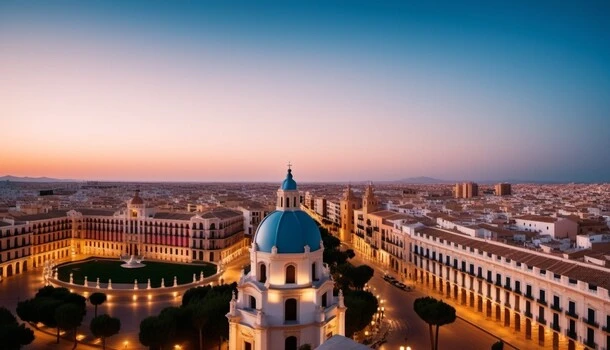
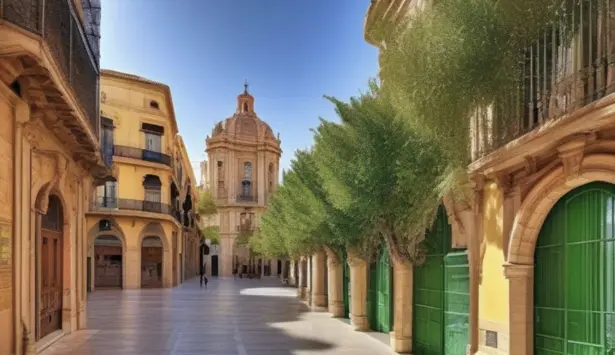
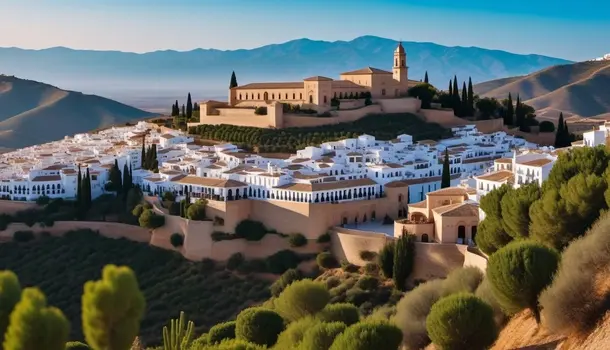
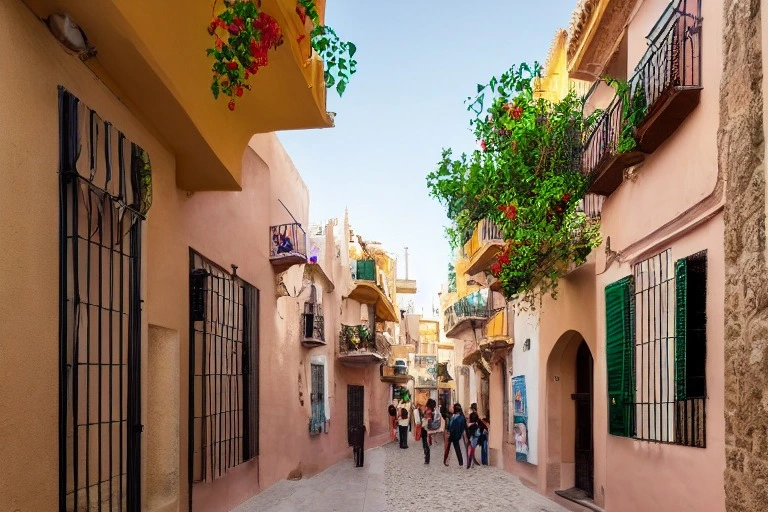
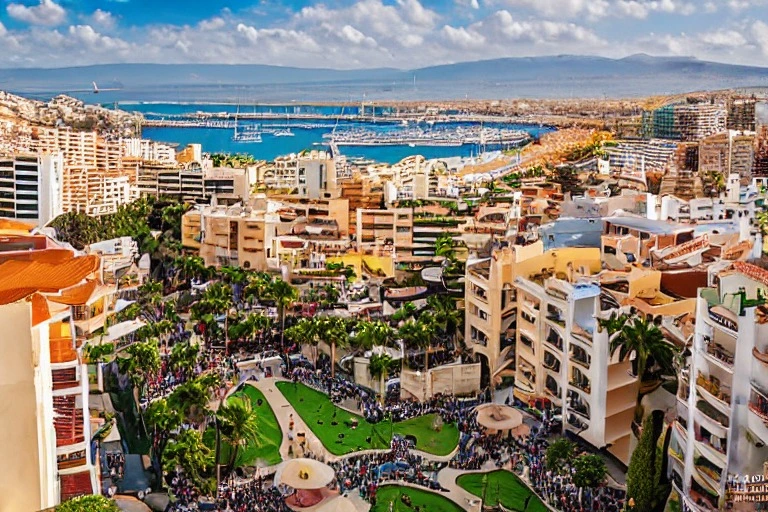
Weather in Central and Northern Spain
 !
!
For sale Flat, Spain 211 520 $
📌 A few apartments for sale in Cala de Finestrat - a cozy place between Benidorm and Vieijahoyosa with a...
 !
!
Buy flat, Turkey 167 356 $
ID AN 24382 Main Features: Location:Antalya District:Altintaş Type of property: Housing under construction Number of rooms: 1+1, 2+1
For Sale Real Estate in Central and Northern Spain
Townhouses in Madrid
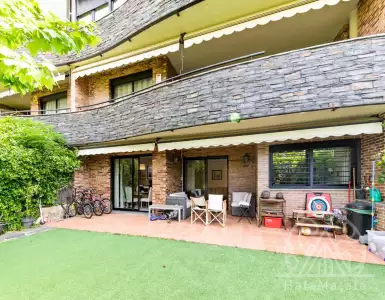


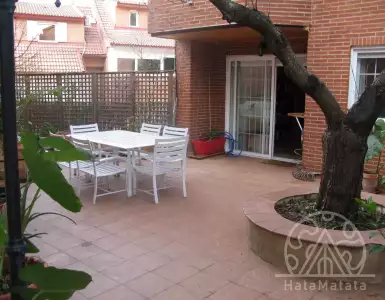
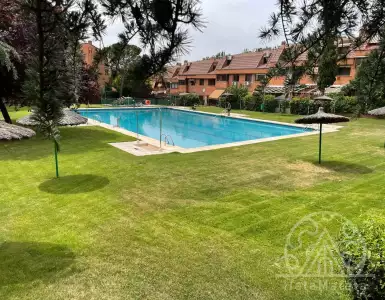
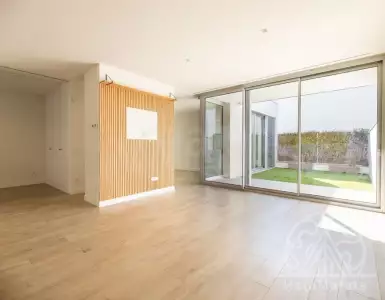
Penthouses in Madrid
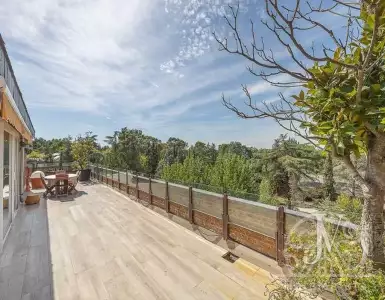
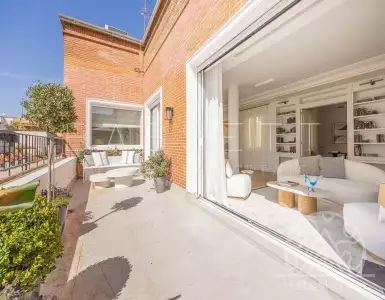

Do you want to buy real estate in Central and Northern Spain? We'll tell you where to start
Leave a request and we will select the 3 best options for your budget
International Real Estate Consultant
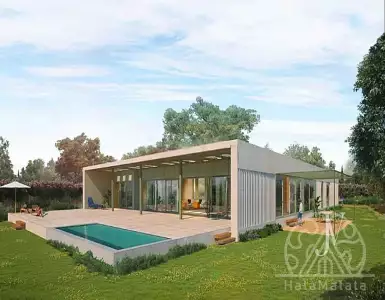
Villas in Madrid
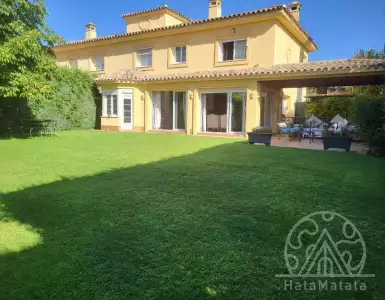
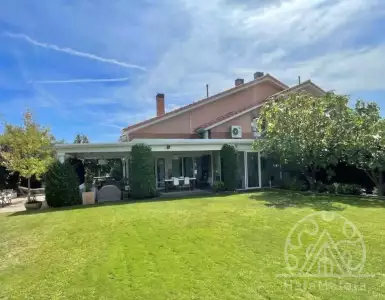
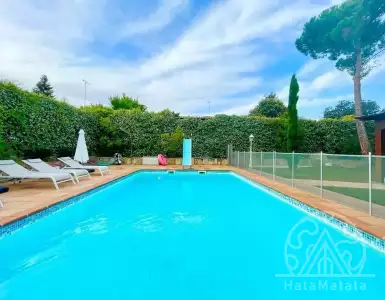
Flats in Madrid



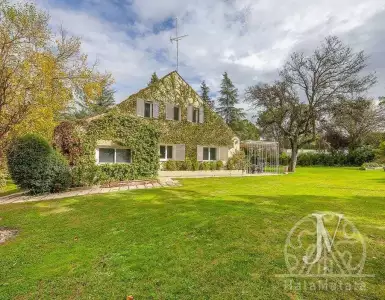
Houses in Madrid
Selection real estate in Central and Northern Spain in 15 minutes
Leave a request and we will select the 3 best options for your budget
🇪🇸 Real estate for sale in Central and Northern Spain: markets, prices, property types
Buying property in Central and Northern Spain is a practical, diversified choice whether you are a private buyer, seasonal resident, family relocating, or an international investor seeking stable returns. The region combines Madrid’s global connectivity and high-value urban market with the cultural, coastal and inland opportunities of Castilla y León, Castilla‑La Mancha, Galicia, Asturias, Cantabria, La Rioja, Navarra and the Basque Country. You will find urban apartments, restored historic homes, coastal flats, rural fincas and large-scale regeneration projects offering different risk/return profiles and clear legal frameworks for foreigners.
💧 Geography, climate and infrastructure in Central and Northern Spain
Central and Northern Spain span the Meseta Central plateau around Madrid, the Cantabrian coast and the Atlantic façade from Galicia to the Basque Country, with mountain ranges such as the Picos de Europa and Sistema Central shaping microclimates. Winters in inland Castilla y León are cold with snow at altitude, while Galicia and the northern coast are oceanic with milder temperatures and higher rainfall. Madrid itself is continental‑Mediterranean with hot summers and cold winters.
Central and Northern Spain are exceptionally well connected by transport infrastructure. Madrid is served by Adolfo Suárez Madrid–Barajas Airport (over 60 million passengers annually pre‑pandemic capacity), high‑speed rail (AVE) hubs link Madrid to Valladolid, León, Salamanca, Bilbao, Vitoria‑Gasteiz and Santiago de Compostela, and regional airports include Bilbao, Santiago de Compostela, A Coruña and Santander. Major ports such as Bilbao and A Coruña support freight and logistics for commercial investments.
Central and Northern Spain host strong education and medical infrastructure, important for family buyers and long‑term residents. Universities of note include Universidad Complutense (Madrid), Universidad de Salamanca, Universidad de Valladolid, Universidad de Navarra (Pamplona) and Universidad de Santiago de Compostela. Reference hospitals include Hospital La Paz, Hospital Gregorio Marañón, Hospital Donostia (San Sebastián) and regional university hospitals in Valladolid and León. Business districts are concentrated in Madrid (AZCA, Cuatro Torres, Chamartín) with technology parks in Boecillo (Valladolid) and industrial clusters around Bilbao and Vitoria‑Gasteiz.
💶 Property prices and market dynamics in Central and Northern Spain
Property prices across Central and Northern Spain vary widely by city, district and property type, offering options for conservative and opportunistic buyers. In Madrid capital, average asking prices typically range from €3,500 to €6,500 per m², with prime central streets exceeding €7,000–€10,000 per m². In the Basque Country, Bilbao averages €2,500–€4,500 per m², while San Sebastián commands prime values often above €6,000 per m².
Regional price ranges and common transaction figures:
- Madrid metropolitan: apartments €250,000–€1.5M+; prime penthouses well over €2M.
- Basque Country (Bilbao, Donostia): flats €150,000–€800,000; prime coastal properties €700,000+.
- Galicia (Santiago, A Coruña, Vigo): city flats €80,000–€300,000; coastal second homes €150,000–€500,000.
- Castilla y León (Valladolid, Salamanca, León): urban apartments €60,000–€250,000; restored historic houses €120,000–€600,000.
- Santander/Gijón: typical ranges €100,000–€400,000 depending on seafront and centrality.
Market dynamics show consistent domestic demand in Madrid and growing international interest in coastal and university cities. Rental yields in big cities tend to be 3–6% gross, while student and tourist markets (Santiago de Compostela, Salamanca, San Sebastián in high season) can push gross yields toward 5–8% on targeted units.
🎯 Best areas and key districts to buy property in Central and Northern Spain
Madrid stands out for long‑term capital growth and liquidity with in‑city districts attracting specific buyer profiles:
- Salamanca: luxury apartments and international buyers.
- Chamartín and Tetuán: family housing near business nodes.
- Centro and Chamberí: historic apartments for premium rental and tourism.
In the Basque Country and Cantabrian coast, focus neighborhoods include:
- Abando and Indautxu (Bilbao): renovated flats and proximity to Guggenheim.
- Gros and the Old Town (San Sebastián): tourism and luxury short‑term rental potential.
- Centro and Sardinero (Santander): seafront apartments for seasonal rental.
Other key urban and attractive provincial locations:
- Santiago de Compostela: student and pilgrimage tourism demand.
- Valladolid: logistics, university and tech park demand (Boecillo).
- Salamanca: historic center and university-driven rental market.
🏗️ Major developers and notable projects in Central and Northern Spain
Several national developers have active pipelines and regional projects that matter to buyers of new build property in Central and Northern Spain. Developers to watch include:
- Neinor Homes: active across Madrid and northern provinces with urban regeneration and mid‑rise developments.
- Aedas Homes: new build projects mainly in Madrid metropolitan area and regional capitals.
- Metrovacesa: redevelopment and large projects in Madrid, including participation in urban renewal around Chamartín.
- Vía Célere: residential projects in Madrid’s commuter belt and selected northern cities.
Representative large projects and regeneration initiatives:
- Madrid Nuevo Norte (Distrito Castellana Norte): one of Europe’s largest urban regenerations reshaping Chamartín and creating new office and residential supply near the city’s financial axis.
- Zorrotzaurre (Bilbao): island regeneration with mixed‑use towers and canals, attracting both residential and commercial investment.
- Cidade da Cultura (Santiago de Compostela): cultural complex and surrounding development corridors influencing nearby housing demand.
Developers often market interest‑free installment plans for new build reservations, and major builders provide warranties and bank guarantees on delivered housing.
🧾 Mortgages and installment plans for property in Central and Northern Spain
Spanish banks and international lenders provide mortgage products for residents and non‑residents, and developers frequently offer internal financing or installment plans on new build property. Typical mortgage availability:
- Non‑resident buyers: lenders typically offer 60–70% LTV (loan‑to‑value), meaning a 30–40% down payment is common.
- Resident buyers: LTV up to 80% for owner‑occupiers is possible depending on income and credit.
- Terms: mortgage terms commonly up to 25–30 years, with fixed or variable rate options.
Interest rates and financing features to expect:
- Fixed rates often range between 2% and 4% depending on term and borrower profile.
- Variable mortgages commonly charge a margin over the EURIBOR, with margins around 1.0–2.5%.
- Developer installment plans: many builders offer interest‑free 12–36 month payment schedules for new build reservations, and extended phased payments tied to construction milestones.
Banks require documentation such as NIE number, proof of income, bank statements and property valuation; developers typically accept a reservation deposit and a signed contract (contrato de arras) with a defined deposit amount.
🧭 Step‑by‑step purchase process for property in Central and Northern Spain
Buying property in Central and Northern Spain follows a clear sequence designed to protect buyers and sellers. The common steps are:
- Selection and reservation: secure a property with a reservation deposit and the contrato de arras (typically 1–10% of price).
- Due diligence and financing: obtain NIE, open a Spanish bank account, commission a survey and apply for mortgage pre‑approval where needed.
- Signing the public deed: complete the purchase at a notary with the escritura pública and pay the balance, taxes and fees.
- Registration: have the deed registered at the Registro de la Propiedad to secure title.
Buyers should budget for additional costs:
- Secondary market: transfer tax (ITP) between 6% and 10% depending on the autonomous community, plus notary and registration fees usually totalling 1–2%.
- New build: VAT (IVA) at 10% for residential properties plus AJD (stamp duty) typically 0.5–1.5%, plus notary and registration costs.
- Timeframes: secondary resale transactions often close in 4–8 weeks, while new builds follow construction schedules and may take months to complete.
⚖️ Legal aspects, taxes, residence permits and citizenship through property in Central and Northern Spain
Legal clarity is a strength of the Spanish market: you will sign a notarised escritura, register title at the Registro de la Propiedad and receive documentation for tax and residency procedures. Important legal steps include obtaining an NIE (Número de Identificación de Extranjero), registering for local taxes, and ensuring the property is free of encumbrances via a Nota Simple from the Land Registry.
Residence permit and citizenship pathways tied to property acquisition:
- Golden Visa: non‑EU investors who purchase real estate valued at €500,000 or more in Spain can qualify for a residence visa under the investor route, valid for investor and immediate family and renewable under conditions.
- Residence through purchase: purchasing property does not automatically confer long‑term residence; the Golden Visa threshold is the primary real estate route to fast‑track residency.
- Citizenship: Spanish citizenship generally requires legal residence for a number of years (ordinary rule), language ability and integration requirements; property alone is not a shortcut to citizenship.
Taxes and recurring costs include municipal IBI (property tax), community fees for apartments, and potential income tax on rental earnings for non‑residents at standard rates, with deductible expenses allowed.
📈 Economy, demand drivers and investment potential in Central and Northern Spain
Central and Northern Spain combine strong service and industrial economies with tourism, education and logistics drivers that support property demand. The Community of Madrid contributes a significant share of national economic activity, acting as Spain’s financial and corporate hub with headquarters for banks, insurers and multinational headquarters. The Basque Country and Navarra feature higher-than-average industrial productivity with advanced manufacturing and automotive clusters around Vitoria‑Gasteiz and Bilbao.
Tourism and demographic trends support specific submarkets:
- Pilgrimage and cultural tourism on the Camino de Santiago generates year‑round demand for short‑stay accommodation in Galicia and León provinces, with several hundred thousand pilgrims annually influencing local occupancy.
- University towns like Salamanca, Santiago and Valladolid maintain steady student rental demand and low vacancy.
- Domestic second‑home market is strong along the Cantabrian coast and inland rural areas where coastal flats and restored farmhouses attract buyers seeking seasonal living and lower acquisition costs.
International investors typically allocate to Madrid and major regional capitals for stability and liquidity, while opportunistic buyers target coastal holiday towns, student cities and regeneration zones for higher yields.
🔀 Which buyer scenarios suit Central and Northern Spain and recommended property types
Central and Northern Spain accommodates a broad range of buyer goals and budgets with distinct matchups between objective and location:
- Long‑term capital growth and liquidity: Madrid (Chamartín, Salamanca, Centro) — apartments, penthouses and refurbished period homes.
- Stable rental income and student demand: Salamanca, Valladolid, Santiago de Compostela — one‑ to three‑bed flats near universities.
- Seasonal and short‑term rental: San Sebastián (Gros, Ondarreta), Santander (Sardinero) and coastal Galicia — seafront flats and holiday apartments.
- Value plays and country homes: inland Castilla y León, rural Galicia — restored fincas and houses often under €150,000 in provincial towns.
- Premium and institutional investment: Madrid prime offices/residential, Basque Country logistics and Bilbao urban regeneration projects.
Buyers seeking residence permits through property should plan for €500,000+ purchases for the Golden Visa and consult immigration counsel on family inclusion and renewal conditions. For mortgages, non‑resident buyers should secure pre‑approval and prepare 30–40% down payments, whereas residents can leverage higher LTVs.
Buying property in Central and Northern Spain means navigating a regulated market with clear tax and registration processes, wide developer activity on new build property in Central and Northern Spain and a spectrum of secondary market opportunities across cities and coastlines. If you are considering a specific city, district or project — from a Salamanca university flat to a Madrid apartment near Cuatro Torres or a restored finca in Galicia — targeted local due diligence and a specialist lawyer will protect your purchase and unlock the best financing and residency pathways available.
Frequently Asked Questions
How much do properties cost in Central and Northern Spain for buyers looking at city apartments, provincial towns, or rural houses?
City-centre apartments: about $2,500–$6,500/m² (€2,300–€6,000). Provincial capitals: $1,200–$3,000/m² (€1,100–€2,800). Small towns and rural homes: $500–$1,500/m² (€450–€1,350). Typical 1–2 bed apartments: $100,000–$350,000 (€90,000–€320,000); larger family homes or renovated country houses vary widely above these ranges.
Can non‑EU buyers buy and own property in Central and Northern Spain, and what paperwork is required?
Yes—no nationality restrictions. You need an NIE tax ID, a Spanish bank account, ID/passport and the signed public deed at a notary. Non‑resident buyers register the title at the Land Registry. Expect to provide proof of funds; many use a local lawyer or power of attorney if not present. Taxes and fees apply on completion.
Is investing in real estate in Central and Northern Spain good for rentals—what rental demand, yields and liquidity should investors expect?
Demand: steady in university cities and tourist towns, lower in remote villages. Typical gross yields: 3–4% in major cities, 4–6% in provincial capitals/smaller towns, short‑term holiday spots can spike seasonally. Liquidity: city centre assets sell faster (weeks–months), rural properties can take 6+ months. Factor local tourism seasonality and student markets.
What is daily life like if I relocate to Central and Northern Spain—healthcare, schools, transport and basic infrastructure?
High-quality public healthcare (Sistema Nacional de Salud) with private options in cities. International and bilingual schools available in larger cities; good state schools elsewhere. Strong road and rail network linking regional capitals; airports in Bilbao, Santander, Valladolid, Asturias. Utilities, supermarkets and services are widespread; rural areas have fewer amenities but lower costs.
Are Central and Northern Spain good for digital nomads or remote workers—what about internet, coworking and long-stay options?
Yes—urban and many provincial towns have widespread fiber broadband with 100–600+ Mbps typical. Coworking spaces and café culture exist in cities and university towns. Short Schengen stays apply (90/180 days); for long stays use national digital‑nomad or residency routes. Cost of living outside capitals is lower than coastal or Madrid areas.
Can buying property in Central and Northern Spain get me a golden visa or other residency routes, and what are the main requirements?
Purchase of €500,000 (≈ $540,000) in real estate across Spain can qualify for the Golden Visa residence permit. Other options: non‑lucrative residence, work permits or national digital‑nomad visas with income proof. Legal permanent residence usually after 5 years of lawful residence; citizenship typically after 10 years of residency (exceptions apply).
What taxes, transaction costs and timelines should buyers budget for when buying property in Central and Northern Spain?
Budget 8–15% extra on top of purchase price: transfer tax (resale) 6–10%, VAT on new homes ~10% plus stamp duty 0.5–1.5%, notary/registry and admin 0.5–1.5%, legal fees ~1%. Annual property tax (IBI) ~0.4–1.1% of cadastral value. Timelines: resale 4–12 weeks; new builds or complex titles can take several months longer.
Can foreigners get a mortgage for properties in Central and Northern Spain, and what down payment, LTV and terms are typical?
Banks typically lend to non‑residents at LTVs of 60–70% (residents 70–80%). Expect a 20–40% down payment for non‑residents. Terms up to 25–30 years; interest depends on profile and market—many offers in the 2–4%+ range (fixed or variable). Approval needs proof of income, tax returns and bank statements.
What are common property condition issues and renovation costs in Central and Northern Spain I should plan for when buying older homes?
Look for structural issues, roof, damp and electrical/insulation upgrades. Basic refurbishment costs: $200–$600/m² (€180–€540); full renovation or structural overhaul: $600–$1,200+/m² (€540–€1,080+). Permits from local councils can take weeks; factor 1–6 months for works depending on scope and contractors.
Which towns or provinces in Central and Northern Spain typically offer best value for families or long‑term residents balancing price, schools and work access?
Value often found in provincial capitals and university towns: Valladolid, Burgos, León, Logroño and parts of Galicia and Castilla‑León offer lower prices with good services. Northern coastal capitals (Bilbao, Santander) cost more but have stronger job markets and transport. Assess local job market, school options and commute times to pick the right balance.
Property by cities
- Real estate in Madrid (229)
Real estate types in Central and Northern Spain
Real estate types by cities of Central And Northern Spain
Properties by Region
Properties by Country
- Real estate in Bulgaria (11430)
- Real estate in Montenegro (5336)
- Real estate in Spain (5198)
- Real estate in Indonesia (2424)
- Real estate in Turkey (2317)
- Real estate in Portugal (2037)
- Real estate in Croatia (1682)
- Real estate in Cyprus (1647)
- Real estate in Italy (1578)
- Real estate in Thailand (1565)
- Real estate in Greece (1119)
- Real estate in France (1070)
- Real estate in USA (732)
- Real estate in Georgia (507)
- Real estate in Serbia (246)
- Real estate in Slovenia (125)
- Real estate in Egypt (20)
Free real estate consultation in Central and Northern Spain
Don't know which area to choose in Central and Northern Spain? We will tell you in which areas it is better to live or invest, and show you the appropriate options.

Maria Guven
Head of Direct Sales Department
+90-507-705-8082