


Real Estate in Mugla

International Real Estate Consultant
Leave a request and our manager will contact you.
International Real Estate Consultant
 Maria Guven, Turkey and Cyprus Real Estate Expert
Updated:
Maria Guven, Turkey and Cyprus Real Estate Expert
Updated:
Real Estate in Mugla
International Real Estate Consultant
Leave a request and our manager will contact you.
International Real Estate Consultant
Selection real estate in Mugla in 15 minutes
Leave a request and we will select the 3 best options for your budget


Weather in Mugla
 !
!
For sale Flat, Spain 204 294 $
📌 A few apartments for sale in Cala de Finestrat - a cozy place between Benidorm and Vieijahoyosa with a...
 !
!
Buy flat, Turkey 161 639 $
ID AN 24382 Main Features: Location:Antalya District:Altintaş Type of property: Housing under construction Number of rooms: 1+1, 2+1
For Sale Real Estate in Mugla
Villas in Bodrum




Didnt find the right facility?
Leave a request - we will handle the selection and send the best offers in a short period of time



Irina Nikolaeva
Sales Director, HataMatata
Selection real estate in Mugla in 15 minutes
Leave a request and we will select the 3 best options for your budget
 Legal review:
Deni Gerikhanov, International Real Estate Lawyer
Legal review:
Deni Gerikhanov, International Real Estate Lawyer
 Financial review:
Evgeniya Skripko, Financial Expert in International Real Estate
Reviewed:
Financial review:
Evgeniya Skripko, Financial Expert in International Real Estate
Reviewed:
🇹🇷 Mugla real estate: prices, Bodrum, Marmaris, Fethiye districts and purchase taxes
Muğla’s coastline, from Bodrum and Yalıkavak down to Marmaris, Fethiye and Datça, is among the most sought-after coastal real estate corridors in Turkey. Buyers who come to buy property in Mugla find a mix of blue‑flag beaches, international airport links, seasonal rental demand and an established second‑home market that supports both lifestyle purchases and buy‑to‑let investment. This region suits private buyers, retirees, digital nomads and international investors looking for vacation income or long‑term capital growth, with clear legal processes and active developer interest across premium and secondary segments.
💠 Geography and climate of Mugla with transport and infrastructure for property in Mugla
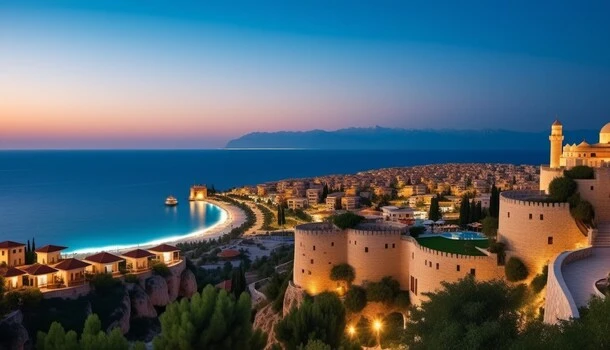
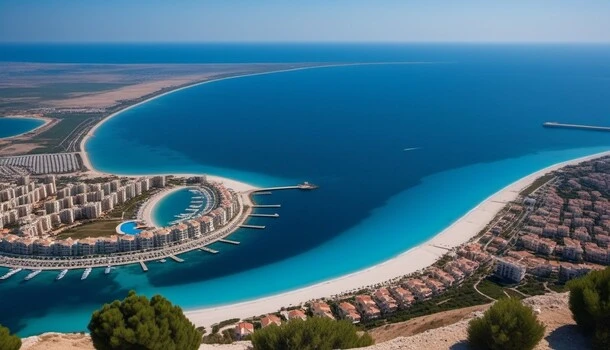
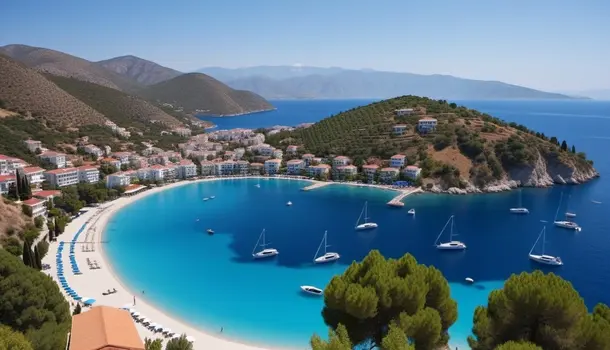
Muğla province stretches along the southwestern Aegean and Mediterranean coasts and includes high‑value districts such as Bodrum, Milas, Marmaris, Fethiye, Ortaca and Datça. The coastal strip benefits from a Mediterranean climate: hot dry summers and mild, wet winters, which supports an extended tourism season and year‑round living pockets in protected bays.
Muğla is served by two major international airports used by property buyers and tourists: Milas‑Bodrum Airport (served by domestic and seasonal international flights, handling several million passengers annually) and Dalaman Airport which is the main gateway for Fethiye and Ölüdeniz. Road connections include the D330 and D400 highways and regular intercity buses to İzmir, Antalya and Istanbul.
Muğla’s infrastructure includes private and state hospitals (Bodrum State Hospital, Fethiye State Hospital, Datça Government Hospital), international school options in larger towns, vocational schools and nearby universities such as Muğla Sıtkı Koçman University with campuses in the province. Utilities, marinas and yacht services (Yalıkavak Marina, Göcek Marinas) support a nautical lifestyle and seasonal tourism economy.
💶 Property prices in Mugla and market dynamics for real estate in Mugla
Prices vary widely by district, view and build quality; coastal premium locations command the highest prices while inland Muğla (Menteşe district) remains affordable for locals and long‑term residents. Market dynamics are driven by tourism flows, foreign buyer interest (EU, UK, Russia, Middle East) and developer activity in gated complexes and bespoke villas.
Typical price ranges and examples for properties for sale in Mugla:
- Bodrum coastal villages (Yalıkavak, Türkbükü, Gümüşlük): apartments €150,000–€1,200,000, seafront villas €800,000–€6,000,000+, average €3,000–€6,000/m² in prime pockets.
- Marmaris and İçmeler: apartments €60,000–€400,000, family villas €200,000–€1,200,000, average €1,000–€2,500/m².
- Fethiye, Ölüdeniz, Göcek: apartments €80,000–€600,000, yachtside villas €400,000–€3,000,000, average €1,200–€3,500/m².
- Muğla city (Menteşe) and inland districts: apartments €40,000–€150,000, family houses €80,000–€300,000.
Developers and local agents report steady seasonal demand for rentals and a consistent appetite from foreigners for new build property in Mugla and higher‑end secondary market product in marinas and hillside villas.
🎯 Best areas in Mugla to buy property with specific districts and locations
Bodrum district remains the headline market for premium buyers, with sub‑locations that matter for price and rental performance:
- Yalıkavak (Palmarina, village core) — luxury villas and boutique developments.
- Türkbükü and Gümüşlük — exclusive small‑scale villas and boutique hotels.
- Turgutreis and Bitez — strong expat communities and more affordable seafront living.
Marmaris and Fethiye cater to family buyers and rental investors: - Marmaris town and İçmeler — easy access, all‑season services.
- Fethiye and Ölüdeniz — strong short‑let market, paragliding and beach tourism.
Datça and Göcek are niche luxury pockets: - Datça peninsula — quieter, eco‑conscious buyers and high‑end plot investments.
- Göcek — yacht traffic, marina‑oriented luxury villas and apartments.
Buying strategies differ by location: Bodrum fits premium lifestyle and capital preservation; Fethiye and Marmaris work well for seasonal rental income and family residences.
🏗️ Major developers and projects shaping real estate in Mugla
Muğla’s coastline hosts international hotel brands and resort developers that lift overall pricing and rental appeal. Notable real projects and operators include:
- Yalıkavak Marina (Palmarina Bodrum) — marina development that catalyzed luxury villa and residence demand in Yalıkavak.
- Amanruya (Aman Resorts) in Bodrum — a branded luxury complex that sets a high benchmark for service and pricing.
- D‑Maris Bay (Datça/Marmaris area) — large resort complex with private villas and high‑end amenities that attracts an international clientele.
- Mandarin Oriental Bodrum (branded resort and residences) — brand presence increases buyer confidence in surrounding developments.
Smaller local developers and boutique builders deliver bespoke villas and small apartment complexes; many sell directly to foreign buyers through local agencies and offer developer finance or staged payments.
🧾 Mortgages and installment plans for property in Mugla including mortgage in Turkey for foreigners
Foreign buyers can obtain mortgages in Turkey though lending terms differ by bank and nationality. Turkish banks that commonly finance foreigners include Türkiye İş Bankası, VakıfBank, Ziraat Bankası, DenizBank and international branches; developers also offer direct installment plans.
Typical financing parameters for property in Mugla:
- Down payment for foreigners: commonly 30–40% of the purchase price for bank mortgages.
- Loan term: up to 10–15 years, depending on bank policy and borrower profile.
- Interest rates: variable; developers frequently offer interest‑free installment plans over 12–60 months for new build property in Mugla.
Buyers should compare bank mortgage offers and developer payment schedules; many investors combine a developer installment with a smaller mortgage to optimize cash flow.
📝 Step-by-step purchase process for real estate in Mugla including taxes and payments
Buying property in Muğla follows a clear sequence that experienced agents and lawyers can manage:
- Pre‑selection and reservation: viewings, option contract and deposit (typically 5–10%).
- Due diligence: title deed (tapu) check at the Land Registry, building permits, outstanding debts and zoning.
- Official steps: obtain a Turkish tax number, open a Turkish bank account, apply for military clearance if required, sign the final sales contract and register at Tapu Dairesi.
Costs and taxes to budget for: - Title deed transfer tax: 4% of the declared value (split between buyer and seller by agreement).
- Agency fees: typically 2–3% plus VAT if applicable.
- Notary and translation costs: modest, and lawyers commonly charge a fixed fee for the purchase process.
Final registration should always be in the buyer’s name on the tapu; many buyers use a local attorney or bilingual notary to avoid misunderstandings.
⚖️ Legal aspects, residence permits and citizenship by real estate investment in Mugla
Foreigners are allowed to buy property in Muğla in most non‑restricted areas; some coastal or defense zones require special permission. Legal checks include confirming land registry entries and that there are no liens or construction violations.
Residence permit options linked to property ownership:
- Short‑term residence permit is obtainable by property owners and is a common route for those who buy property for seasonal residence in Muğla.
Citizenship by investment rules for real estate: - Investors who purchase property worth at least $400,000 and keep it registered for a minimum of three years may be eligible to apply for Turkish citizenship, subject to standard legal vetting and administrative approval.
Working with a licensed attorney ensures proper structuring of purchase contracts, correct tax declarations and compliance with residence and citizenship application requirements.
📈 Economy and investment potential of real estate in Mugla for real estate investment in Mugla
Muğla’s economy is strongly tourism‑driven and heavily seasonal, with coastal districts hosting international visitors from Europe, Russia and the Middle East. The province’s resident population is around 1,000,000, and seasonal visitor numbers run into the millions, supporting short‑let markets and hospitality investment.
Investment indicators that matter to buyers:
- Occupancy peaks during the summer months in Bodrum, Fethiye and Marmaris, lifting short‑term rental rates and gross yields.
- Average gross rental yields vary by location: long‑term yields commonly 3–5%, while strong short‑let seasons in premium spots can produce 6–10% gross during peak months.
Infrastructure projects — airport upgrades, marina expansions and improved road links — continue to support capital appreciation and higher tourism throughput, which underpins demand for both new build property in Mugla and secondary market property in Mugla.
🧭 Buyer scenarios and which property in Mugla fits each investment goal
Muğla fits different buyer types depending on budget, risk appetite and lifestyle goals:
- Lifestyle buyers / second‑home users: choose Bodrum (Yalıkavak, Türkbükü, Bitez) or Göcek for full‑service marinas and luxury amenities.
- Short‑term rental investors: opt for Ölüdeniz, central Fethiye, Yalıkavak and parts of Marmaris where peak season occupancy is high.
- Long‑term rental and relocation: consider Muğla city, Turgutreis or quieter Datça where cost of living and year‑round communities are stronger.
- Developers and capital growth investors: look to new build projects near marinas or near airport corridors (Milas‑Bodrum and Dalaman access) for resale and yield; consider boutique villas and branded residences for premium positioning.
Practical tips for each profile: - Budget €100,000–€300,000 buys good condos in Marmaris and Fethiye; €300,000–€1,000,000 enters Bodrum and branded developments; €1,000,000+ secures prime seafront villas and gated estates.
Buying property in Mugla is a practical process when you partner with local specialists: an experienced attorney for title checks, a bilingual agent familiar with the district micro‑markets, and a tax advisor to structure payments and ongoing rental income. If you value marina access and international luxury branding, Bodrum and Göcek deliver; if you seek reliable seasonal rental income at lower entry prices, Marmaris and Fethiye are compelling. Whatever the scenario, Muğla’s combination of climate, transport links and established tourism demand creates clear routes for lifestyle purchase, rental income or long‑term capital appreciation — and the market offers both new build property in Mugla with developer finance and a considerable secondary market for immediate rental operations.
Frequently Asked Questions
What are current property prices in Mugla?
Prices vary widely by town. Studio/1-bed units commonly range $60,000–$180,000; 2–3 bed coastal apartments $120,000–$450,000; villas $250,000–$2M+. Prime areas (Bodrum, Göcek, Ölüdeniz) sit at the top. Average per‑m² across the province roughly $1,000–4,500/m². Local fluctuations apply (TRY quoted prices common).
Can foreigners buy real estate in Mugla?
Yes. Foreigners may buy property and get a TAPU (title deed) except in restricted military zones. You need a Turkish tax number, bank account and ID; some coastal or sensitive plots need military approval. Use a lawyer, verify TAPU ledger and cadastral maps before purchase. Typical registration processing takes 2–6 weeks.
Is Mugla a good place to invest in property?
High tourist demand drives seasonal rentals in Bodrum, Marmaris, Fethiye; peak occupancy often 60–90% in summer. Typical gross yields: long‑term 2–5% and short‑term (vacation rentals) 6–12% in hotspots. Resale liquidity is good in popular towns, slower inland. Returns depend on location, seasonality and management costs.
Does buying property in Mugla lead to residency or citizenship?
Turkey offers residence permits for property owners and a citizenship‑by‑investment route. Citizenship eligibility generally requires property purchases of approximately USD 400,000 (subject to government conditions) and a holding period (commonly 3 years). Short‑ and long‑term residence permits are also available; process times vary by application.
What taxes and transaction costs apply in Mugla?
Buyers usually pay a title transfer tax ~4% of declared price. Agent fees commonly 1–4% (negotiable). Annual property tax ~0.1–0.6% of assessed value. Rental income taxed progressively (~15–40%). Additional costs: notary, translation, lawyer, utility transfers and possible VAT on new builds. Expect procedural timelines of 2–8 weeks.
Is Mugla suitable for digital nomads and remote work?
Yes for many. Major towns have reliable 4G/5G and growing fiber coverage (typical 50–200 Mbps in urban/coastal areas). Cost of living is moderate, cafés and some coworking spaces exist in Bodrum, Fethiye and Marmaris. No dedicated nomad visa—most use tourist stays or residence permits for longer stays.
How family‑friendly is living in Mugla for relocation?
Mugla offers seaside lifestyle, good roads and regional airports (Dalaman, Milas‑Bodrum) within 30–90 min of many towns. Private and public hospitals available in big towns; specialty care in larger centres. International schools are limited—most families use local or private Turkish schools or travel to larger cities. Daily amenities vary by town.
What practical risks or pitfalls should buyers in Mugla know?
Key risks: unpermitted construction, title encumbrances, seismic vulnerability, and currency volatility. Always check TAPU, building licence/İskân, earthquake resilience and cadastral maps. Use an independent survey and lawyer; unresolved title or permit issues can take months to settle and add unexpected costs.
Can I rent my Mugla property short‑term? Any rules?
Short‑term holiday rentals are common, but you must declare income to the tax office and pay applicable taxes. Some municipalities require local registration or licensing and may enforce building/HOA rules. Season peaks May–Oct; compliance with municipal rules and formal registration avoids fines and protects guest safety.
What are the usual steps and timeline to buy in Mugla?
Typical steps: viewings → negotiate deposit/preliminary contract → obtain tax number and bank account → lawyer checks TAPU/encumbrances and requests military clearance if needed → transfer funds and sign at Land Registry (TAPU) → register utilities. Timeline: 2–8 weeks in routine cases; complex title or permits can extend this.
Property by cities
Real estate types in Mugla
- Villas in Mugla (22)
- Houses in Mugla (10)
- Flats in Mugla (7)
- Chalets in Mugla (2)
- Hotels in Mugla (2)
- Lands in Mugla (2)
Real estate types by cities of Mugla
- Villas in Bodrum (17)
- Flats in Bodrum (4)
- Houses in Bodrum (4)
- Flats in Fethiye (3)
- Lands in Bodrum (2)
- Hotels in Bodrum (1)
- Houses in Mugla (1)
- Houses in Gocek (1)
Properties by Region
- Real estate in Antalya (1422)
- Real estate in Istanbul (667)
- Real estate in Mersin (102)
- Real estate in Mugla (46)
- Real estate in Aydin (20)
- Real estate in Izmir (17)
Properties by Country
- Real estate in Bulgaria (11416)
- Real estate in Montenegro (5347)
- Real estate in Spain (5198)
- Real estate in Indonesia (2424)
- Real estate in Turkey (2318)
- Real estate in Portugal (2037)
- Real estate in Croatia (1682)
- Real estate in Cyprus (1622)
- Real estate in Italy (1577)
- Real estate in Thailand (1565)
- Real estate in Greece (1120)
- Real estate in France (1070)
- Real estate in USA (732)
- Real estate in Georgia (507)
- Real estate in Serbia (247)
- Real estate in Slovenia (125)
- Real estate in Egypt (20)
Free real estate consultation in Mugla
Don't know which area to choose in Mugla? We will tell you in which areas it is better to live or invest, and show you the appropriate options.

Maria Guven
Head of Direct Sales Department
+90-507-705-8082