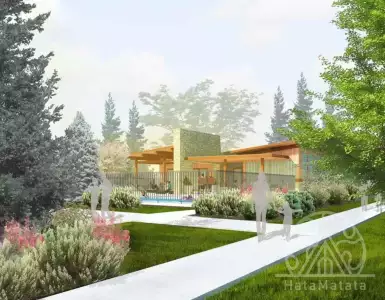
 424 999 $
 7 285 171 $
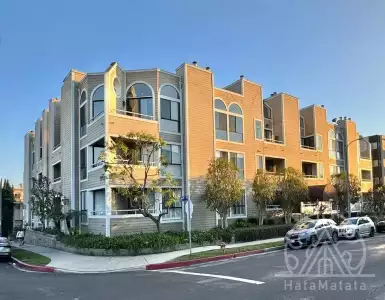 1 263 750 $
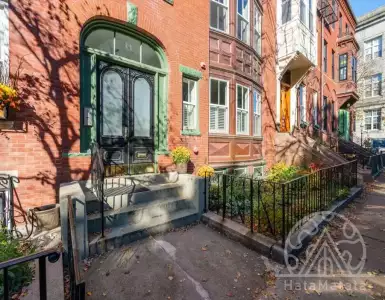 1 617 913 $
 1 568 339 $
 389 556 $
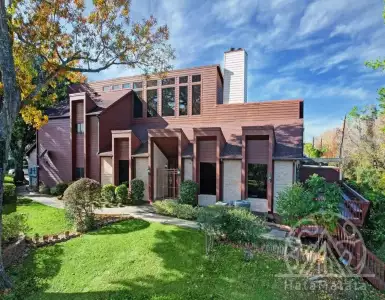 607 088 $
 Legal review:
Deni Gerikhanov, International Real Estate Lawyer
 Financial review:
Evgeniya Skripko, Financial Expert in International Real Estate
Reviewed:
🇺🇸 Eagle, Idaho real estate: single-family homes, riverfront lots and Boise-area commute
Eagle sits at the northwest edge of the Boise metropolitan area in Ada County, a compact city prized for its river access, low-density neighborhoods and family-friendly lifestyle. Located along State Highway 44 (Eagle Road) and bordered by the Boise River, Eagle combines small‑town calm with easy access to Boise’s jobs, healthcare and airports. The climate is semi‑arid with warm, dry summers and cool winters; the proximity to Eagle Island State Park and the Boise River gives residents year‑round outdoor options — cycling, paddle sports and trails are everyday features of local life.
Population and character are important for buyers evaluating property in Eagle: the city’s population is roughly around 30,000, median household incomes are above state averages, and community planning favors single‑family neighborhoods, boutique downtown retail and riverfront lots. For international buyers and investors, Eagle offers a predictable municipal environment, stable property rights and a market tied closely to the broader Treasure Valley economy rather than volatile resort tourism.
Lifestyle decisions in Eagle tend to be practical: buyers trade dense urban amenities for space, yards and quieter streets. Downtown Eagle features restaurants, a farmers’ market and walkable retail along Eagle Road, while newer subdivisions and custom lots push outward toward open land and irrigated farms. That blend of old downtown and new builds is central to why people search for “property in Eagle” or “real estate in Eagle” when prioritizing lifestyle, school quality and commute balance.
🏞️ Eagle city overview and lifestyle for property in Eagle
Eagle’s core identity is suburban‑rural: streets framed by mature trees, single‑family yards and riverfront parcels. The downtown historic strip anchors community events and small‑business retail, while larger grocery and service nodes line Eagle Road and adjacent corridors. The mix is attractive to buyers seeking family life, safe streets and outdoor access.
Commuting patterns matter to buyers: average drive times to Boise downtown fall in the 15–25 minute range depending on traffic; the Boise Airport typically requires 25–35 minutes by car. That makes Eagle a commuter suburb with genuine local amenities rather than a bedroom town.
Climate and outdoor access influence property choice: local summers average high temperatures in the warm 80s°F with low humidity; winters bring cold nights and occasional snow. Proximity to Eagle Island State Park, local river trails and golf courses keeps recreation within minutes of most neighborhoods, an advantage for both owners and renters searching for “investment property in Eagle.”
🎯 Which neighborhood in Eagle to choose when you buy property in Eagle
Downtown Eagle (Historic Core) is ideal for buyers wanting walkability and character. Expect older single‑family homes, smaller lot infill condos and a lively main street.
- Typical price band: $450,000–$1,800,000 for single‑family homes and river cottages
- Buyer profile: professionals, downsizers, buyers wanting short walkable commutes
- Development intensity: low to medium, with infill and small condo projects
Riverfront and Boise River corridor target premium buyers: lots and estates with direct water access and private landscaping.
- Typical price band: $800,000–$3,500,000 for riverfront and luxury custom homes
- Buyer profile: high‑net‑worth, lifestyle buyers, premium rentals
Suburban subdivisions (Star Road corridor, Eagle Road suburbs) fit families and investors focused on rentals and steadier capital growth.
- Typical price band: $500,000–$1,200,000
- Buyer profile: families, long‑term rental investors, buyers seeking new build property in Eagle
- Development intensity: medium, with new subdivisions, parks and school capacity expansion
Each neighborhood differs on safety, infrastructure and growth trajectory: downtown offers walkability and local commerce, riverfront properties emphasize exclusivity, and newer subdivisions provide predictable HOA rules, modern construction and family amenities.
💶 Property prices and real estate market overview in Eagle
Eagle’s market is segmented clearly across product types and neighborhoods. Single‑family homes dominate supply; condos and townhouses are less common but appear in downtown infill projects.
- Prices by district (approximate ranges):
- Downtown Eagle: $450k–$1.8M
- Riverfront/estates: $800k–$3.5M
- Suburban new builds: $500k–$1.2M
- Infill condos/townhomes: $250k–$700k
Prices by property category:
- Apartments/condos: $250,000–$600,000
- Townhouses: $400,000–$850,000
- Single‑family homes (new build): $550,000–$1,300,000
- Luxury estates: $1M and up
Average price per area unit typically sits in the range of $220–$400 per sq ft across product types, with riverfront and custom builds at the higher end. Recent dynamics have shown steady appreciation driven by job growth in the Treasure Valley, limited developable land near the river and consistent in‑migration; however, appreciation has moderated from peak double‑digit years into more sustainable single‑digit growth.
🚗 Transport and connectivity for buyers of real estate in Eagle
Eagle is connected primarily by State Highway 44 (Eagle Road) to Boise and the I‑84 corridor. Road access is the default transportation mode; there is no metro rail.
- Typical travel times:
- Eagle to Boise downtown: 15–25 minutes
- Eagle to Boise Airport (BOI): 25–35 minutes
- Eagle to Meridian/Boise commercial hubs: 20–30 minutes
Public transit is served by ValleyRide bus routes and commuter services along major corridors; routes and schedules are tailored to peak commute needs rather than frequent off‑peak metro service. For investors calculating rental demand, driveability to job centers like Boise downtown, the Chinden Corridor and industrial parks is a core advantage.
🏫 Urban infrastructure and amenities surrounding property for sale in Eagle
Education is a key draw: Eagle sits inside the West Ada School District with well‑rated elementary and secondary schools, including Eagle High School and local middle and elementary campuses. Nearby private school options and childcare centers add family flexibility.
Healthcare access uses Boise’s integrated medical systems: St. Luke’s Health System and St. Alphonsus serve the region with clinics in Eagle and hospitals within a short drive. Emergency and specialist care are reachable in the Boise medical corridor.
Parks, retail and higher education support lifestyle and long‑term demand:
- Parks and leisure: Eagle Island State Park, local river trails, community parks and sports fields
- Shopping and services: downtown Eagle retail, grocery nodes along Eagle Road, and regional malls in Meridian/Boise
- Higher education: Boise State University and community college campuses within commuting distance
These amenities underpin both resale and rental demand for “property in Eagle.”
📈 Economic environment and city development relevant to real estate investment in Eagle
Eagle benefits from the broader Treasure Valley economy where technology, manufacturing, healthcare and logistics are major employment sectors. Micron Technology and major health systems anchor the regional labor market, producing steady demand for housing.
Local development trends prioritize low‑density residential and measured commercial growth. Municipal planning tends to favor preservation of river corridors and controlled annexation, which constrains supply and supports land value. Tourism is modest — the area attracts regional recreational visitors rather than large resort crowds — making rental yields more predictable and less seasonal.
Key economic indicators for investors:
- Job growth tied to tech and healthcare clusters
- Limited large‑scale commercial zoning inside Eagle city limits
- Steady retail and service expansion along Eagle Road
🏘️ Property formats and housing types in Eagle including new developments in Eagle
Housing in Eagle ranges from older ranch homes and mid‑century properties in the downtown core to contemporary new build property in Eagle subdivisions. Buyers will find:
- New subdivisions with modern floorplans, energy‑efficient standards and HOA management
- Custom single‑family lots and luxury riverfront estates
- Small infill condo and townhouse projects in the downtown area
Construction in the region typically uses wood‑frame building systems with local contractors and regional suppliers; energy codes and insulation are comparable to other Pacific Northwest standards. Buyers deciding between new builds and resale should weigh build timelines, customization potential and depreciation curves.
🏗️ Developers and key residential projects in Eagle for buyers of property in Eagle
Local and regional builders are the primary suppliers of new homes around Eagle. Developers active in the Treasure Valley — and therefore in Eagle‑area supply pipelines — include:
- CBH Homes (regional volume and custom homes)
- Van Daele Homes (higher‑end single‑family communities)
- Hubble Homes (spec and semi‑custom builds)
- Richmond American Homes (national builder with Treasure Valley projects)
- Hayden Homes and D.R. Horton (regional and national production builders)
Project types to watch in and near Eagle are master‑planned subdivisions along State Highway 44, riverfront lot releases adjacent to the Boise River and downtown infill condominium projects. Many developments emphasize community amenities — parks, trail access and neighborhood schools — which is central to buyer interest in “new build property in Eagle” or “off‑plan property in Eagle.”
💳 Mortgage, financing and installment options for buyers of property in Eagle
Mortgage availability in Idaho is broad, but conditions differ for foreign buyers. Typical financing realities:
- Foreign buyers often secure financing with a 25–30% down payment; some lenders require higher down payments for non‑residents
- Loan terms up to 30 years fixed are common; adjustable products are also available
- Local lenders may accept ITINs for credit history if the buyer lacks a Social Security number
Developer financing and installment plans are offered for certain new developments: deposit structures, lot‑hold agreements and construction draws are common, and some builders list “property in Eagle with installment plan” or direct construction financing for buyers. For buyers who want to “buy property in Eagle with mortgage” or “buy property in Eagle in installments,” working with a local mortgage broker and the developer’s sales office will clarify current rates, program availability and documentation requirements.
📝 Property purchase process when you buy property in Eagle
The standard purchase flow mirrors US practice but with local specifics:
- Find property and engage a licensed realtor experienced with Eagle listings
- Submit an offer with earnest money; negotiate terms and contingencies (inspection, appraisal)
- Open escrow, complete home inspection and secure financing (mortgage application or proof of funds)
- Title commitment, escrow instructions and closing disclosures processed; closing typically occurs through a local title/escrow company
- Transfer funds via escrow; receive deed and local property tax records
Payment methods accepted include wire transfers to escrow, certified funds and lender disbursements. Off‑plan property purchases follow developer schedules with staged deposits and construction draws.
⚖️ Legal aspects and residence options tied to property in Eagle
Foreign nationals are permitted to buy and own real estate in Idaho; property ownership does not automatically confer immigration status or a residence permit. Legal and tax points to note:
- Property taxes in Ada County commonly range from about 0.6%–1.2% of assessed value depending on levies and exemptions
- Rental income is subject to federal and state tax; non‑resident sellers should understand FIRPTA withholding rules on disposition of real property
- Owning property in Eagle is compatible with visa strategies, but green cards and residency require separate immigration processes; EB‑5 capital‑investment visas have specific minimum investment thresholds and are distinct from ordinary property purchases
Engaging a local real estate attorney and CPA experienced with non‑resident transactions is standard practice for international buyers seeking to “buy property in Eagle with mortgage” or evaluate tax implications.
🎯 Property use cases and investment strategies for real estate investment in Eagle
Eagle can suit multiple buyer goals; each strategy maps to districts and product types:
- Permanent residence
- Recommended districts: Suburban subdivisions off Eagle Road, Star Road corridor
- Property types: New build single‑family, larger lots, family floorplans
- Long‑term rental
- Recommended districts: Suburban areas with school access and commute routes
- Property types: 3–4 bedroom single‑family homes, duplexes
- Short‑term rental / holiday
- Recommended districts: Downtown Eagle and riverfront properties (subject to local zoning and permit rules)
- Property types: Condos, cottages, premium riverfront homes
- Capital‑growth investment
- Recommended districts: Infill downtown parcels and limited lots along the Boise River where land supply is constrained
- Property types: Off‑plan property in Eagle, new developments in Eagle with projected infrastructure improvements
Practical checklists for investors:
- Evaluate rental yield vs. local property taxes and HOA fees
- Confirm short‑term rental regulations if planning vacation rental use
- Consider purchase through LLC for liability protection and tax planning
Buying a home or an investment property in Eagle combines access to the Treasure Valley job market, stable local governance and a lifestyle that appeals to families and professionals. Whether you are seeking a new build property in Eagle with an installment plan, a resale property in Eagle near downtown, or an off‑plan property in Eagle as an investment, local realtors, lenders and legal advisors can map each step from initial offer to long‑term asset management.