


Real Estate in Florida

International Real Estate Consultant
Leave a request and our manager will contact you.
International Real Estate Consultant
Real Estate in Florida
International Real Estate Consultant
Leave a request and our manager will contact you.
International Real Estate Consultant
Selection real estate in Florida in 15 minutes
Leave a request and we will select the 3 best options for your budget
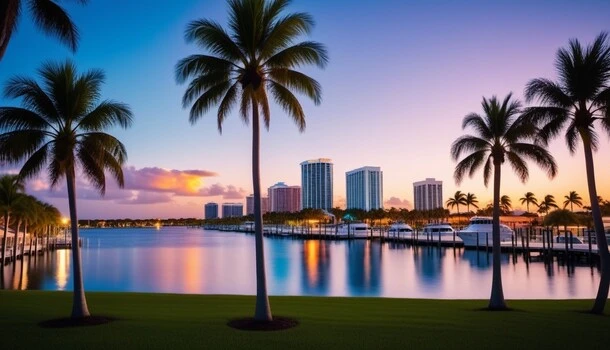


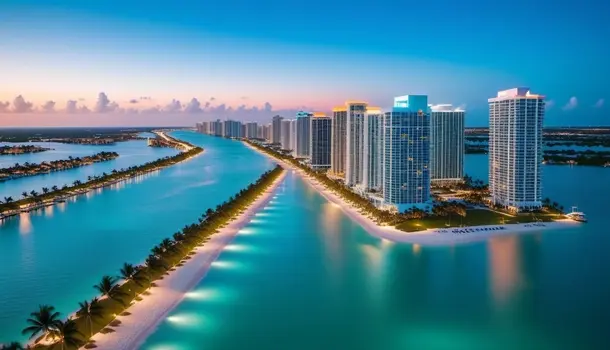
Weather in Florida
 !
!
For sale Flat, Spain 212 284 $
📌 A few apartments for sale in Cala de Finestrat - a cozy place between Benidorm and Vieijahoyosa with a...
 !
!
Buy flat, Turkey 167 961 $
ID AN 24382 Main Features: Location:Antalya District:Altintaş Type of property: Housing under construction Number of rooms: 1+1, 2+1
For Sale Real Estate in Florida
Villas in New Port Richey

 3
3
 3
3
 212
212
 3
5
700
3
5
700
 3
3
150
3
3
150
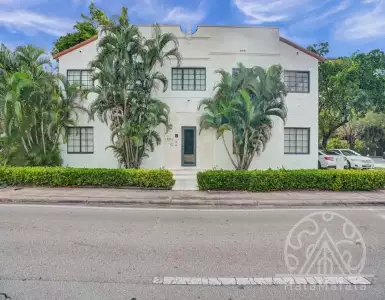
Houses in Coral Gables
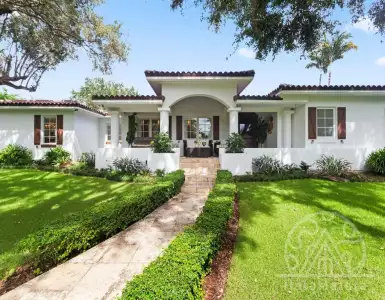 5
6
472
5
6
472
 6
8
374
6
8
374
 8
4
315
8
4
315
Do you want to buy real estate in Florida? We'll tell you where to start
Leave a request and we will select the 3 best options for your budget
International Real Estate Consultant
Penthouses in Miami
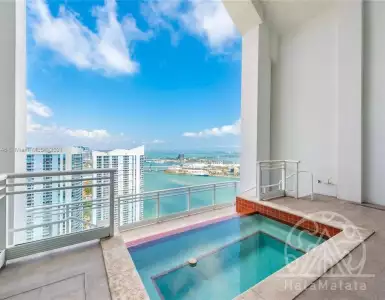


Flats in Miami Beach
 2
2
107
2
2
107
 3
2
269
3
2
269
 1
2
75
1
2
75
Flats in Miami


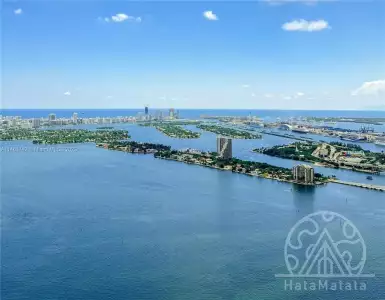
Villas in Miami



Flats in Southbury



Flats in Clearwater
 2
3
80
2
3
80
 4
4
352
4
4
352
 4
6
92
4
6
92
Houses in Scottsdale
 3
2
243
3
2
243
 3
2
239
3
2
239
 6
5
497
6
5
497
Houses in Miami


Selection real estate in Florida in 15 minutes
Leave a request and we will select the 3 best options for your budget
🇺🇸 Florida real estate purchase: property taxes, closing costs, neighborhood trends
Florida remains one of the most dynamic real estate markets in the United States, combining year‑round sunshine, global gateways and resilient demand from both domestic relocators and international investors. Buying property in Florida means choosing from coastal high‑rise condos in Miami, single‑family homes in suburban Tampa, resort villas in Naples, or short‑term rental units around Orlando’s theme parks. The market offers diverse inventory, clear legal processes under U.S. law, and an investor-friendly tax environment with no state income tax, making real estate in Florida attractive for living, rental income and long‑term capital appreciation.
💶 Property prices in Florida — by type and market segment
Florida property prices move widely by city, district and building class, so realistic ranges help set expectations for buyers and investors.
Florida median single‑family home values typically range from $300,000 to $450,000 statewide, while condos can start under $200,000 in secondary markets and rise above $1,000,000 in premier coastal towers. Luxury waterfront homes in areas such as Palm Beach, Naples and Miami Beach commonly trade from $2 million to $50+ million depending on lot size and marina access.
New build property in Florida follows developer pricing trends: entry‑level townhouses or suburban single‑family homes often begin in the $300k–$600k band in Orlando and Jacksonville; urban condos in Miami and Fort Lauderdale more commonly sit in the $400k–$1.5M band for mid‑to‑high rise inventory.
- Condominiums (Miami‑Dade, Broward): $250,000–$2,500,000; luxury towers over $1,000/sq ft in prime Miami Beach and Brickell.
- Single‑family homes (Tampa, Orlando, Jacksonville): $300,000–$1,200,000 depending on lot and school district.
- Vacation/resort properties (Naples, Sarasota, Keys): $700,000–$20,000,000+.
- Investment condos near Orlando/Daytona: studio/1BR units $150,000–$350,000 with short‑term rental potential.
🌤️ Florida geography, climate and transport accessibility
Florida is a long peninsula with over 1,350 miles of coastline, offering sun‑belt climate from subtropical in the south to warm temperate in the north. Coastal exposure influences insurance and elevation considerations; buyer due diligence on flood zones and hurricane mitigation is essential.
The state’s transport network includes major international airports: Miami International (MIA), Orlando International (MCO), Tampa International (TPA) and Fort Lauderdale–Hollywood (FLL), all providing direct flights to Europe, Latin America and major U.S. hubs. Seaports such as PortMiami, Port Everglades and Port Tampa Bay support cruise and cargo flows that underpin tourism and trade.
Florida’s regional infrastructure includes top universities and medical centers that anchor neighborhoods: University of Miami (Coral Gables), University of Central Florida (Orlando), Mayo Clinic (Jacksonville), Tampa General Hospital, and research/tech clusters around Lake Nona and Miami‑Dade’s health district.
📈 Florida economy and investment potential
Florida’s economy is large and diversified with a state GDP around $1.3 trillion and a population nearing 22 million, driven by tourism, international trade, aerospace and fintech. The state regularly receives over 100 million visitors annually, supporting strong short‑term rental demand in Orlando, Miami and the Gulf Coast.
Job markets in logistics, healthcare, hospitality, and finance are robust; unemployment has tended toward the low single digits, indicating tight labor markets that support wage growth and household formation. Miami has emerged as an international finance and technology gateway, attracting relocations from U.S. and global firms.
Real estate investment in Florida benefits from migration inflows—net domestic migration plus ongoing international buyers—supporting sustained housing demand in suburbs and core cities. Rental market fundamentals show low vacancy in key neighborhoods and rising rents in fast‑growing metro areas.
🎯 Best areas in Florida to buy property with market specifics
Miami Metro (Miami‑Dade, Broward) blends international luxury and rental demand: Brickell, Downtown, Wynwood, Coconut Grove, Coral Gables, Sunny Isles and Miami Beach are core neighborhoods for high occupancy and global buyers.
Orlando area neighborhoods—Lake Nona, Dr. Phillips, Winter Park and Kissimmee—are strong for short‑term rentals, families and employees tied to theme‑park/tourism employment; buyers should expect seasonal occupancy patterns and attractive yields near major attractions.
Tampa Bay and West Coast markets—Downtown Tampa, Hyde Park, Clearwater, St. Petersburg and Sarasota—offer balanced demand between local jobs and retirees, with single‑family homes and mid‑rise condos popular among domestic buyers and Snowbird seasonal residents.
- Miami neighborhoods: Brickell, Coral Gables, Coconut Grove, Wynwood, Miami Beach, Sunny Isles.
- Orlando areas: Lake Nona, Dr. Phillips, Baldwin Park, Kissimmee.
- Tampa / Sarasota: Downtown Tampa, Hyde Park, Seminole Heights, St. Petersburg, Sarasota (Siesta Key).
- Southwest / Luxury: Naples, Marco Island, Palm Beach, Boca Raton.
- Florida Keys: Key West, Key Largo — premiums for island living.
🏗️ Florida major developers and notable projects
Several established developers shape Florida’s new build property in Florida pipeline and luxury market. Swire Properties developed Brickell City Centre, a mixed‑use landmark in Miami combining retail, offices and residences. The Related Group is a leading high‑rise condominium developer in South Florida with projects such as Paraiso Bay and multiple Brickell and Sunny Isles developments. Lennar is a major national homebuilder active across Florida in master‑planned communities and single‑family subdivisions. Toll Brothers and PulteGroup deliver luxury and suburban communities across Naples, Boca Raton and the I‑4 corridor. Fortune International Group focuses on high‑end residential towers in Sunny Isles and Miami Beach.
Developers frequently offer new build incentives and structured deposits; off‑plan sales in Miami and Orlando may include phased payments and developer installment plans. Institutional capital also participates in rental build‑to‑rent and multifamily projects near job centers in Tampa and Orlando.
💳 Mortgages and installment plans for property in Florida
Foreign buyers can obtain mortgages in USA for foreigners, but underwriting terms differ from U.S. citizen mortgages. Typical lender expectations for non‑resident buyers include down payments of 25–30% for primary or condo purchases, and often 30–50% for investment or vacation properties. Interest rates for 30‑year fixed mortgages have varied; expect lender quotes in the mid‑single to high‑single digits depending on credit, loan size and documentation.
Developers often offer property in Florida with installment plan options on new build inventory—common terms include staged deposits during construction and interest‑free periods of 12–36 months for presales in certain projects. Banks and private lenders also provide programs for foreign nationals with relationships, documented income, and in some cases an ITIN (Individual Taxpayer Identification Number).
Buyers should budget for closing costs and reserves: earnest money deposits typically 1–5% of purchase price, closing costs 2–5% (excluding mortgage origination), and annual property taxes that generally range 0.7–2% of assessed value depending on county.
📝 Property purchase process in Florida — step by step
Buyers typically start with property selection and an offer; in Florida, the offer becomes binding when both parties sign a Purchase and Sale Agreement (PSA) and an earnest money deposit is made to escrow. Following contract, standard steps include inspections (structural, roof, pest), appraisal (if financed), title search and removal of contingencies.
At closing (settlement) a title company or closing attorney handles the escrow, recording of the deed and disbursement of funds; buyers receive title insurance protecting against defects. Payment methods commonly include wire transfers for deposit and closing funds, and certified funds for down payments; U.S. banks and some overseas banks facilitate transfers but timing and verification are important.
Foreign investors should arrange tax identification (ITIN) if needed, understand FIRPTA withholding rules for future sales, and secure homeowner and flood insurance prior to closing in coastal or flood‑zone properties.
⚖️ Legal aspects, residence permits and citizenship through real estate in Florida
Purchasing property in Florida does not create automatic residence permit through property purchase in Florida or citizenship by real estate investment in Florida. U.S. immigration law does not provide a direct residency or green card for simply buying real estate.
Paths that can lead to residency include business or investment visas: the EB‑5 immigrant investor program can lead to a green card when an investor meets capital and job‑creation requirements (investments typically $800,000 in targeted employment areas or $1,050,000 in other projects). E‑2 investor visas require treaty‑country nationality and an active business investment rather than a passive real estate purchase.
Property can support other visa applications by demonstrating ties and financial capacity. Buyers should consult immigration counsel for accurate guidance and tax advisors for federal tax implications—the absence of state income tax in Florida is advantageous, but federal capital gains, FIRPTA withholding and estate taxes require planning.
🎯 Investment advantages and buyer scenarios in Florida
Florida suits a wide range of buyer profiles: families relocating for jobs seek single‑family homes in strong school districts such as those near Orlando (Dr. Phillips) and Tampa (South Tampa); retirees favor Naples, Sarasota and Palm Beach for lifestyle and healthcare access. Short‑term rental investors focus on Orlando and Miami (close to theme parks and beaches) where seasonal demand yields higher nightly rates, while long‑term buy‑to‑let portfolios find stable returns in Tampa and Jacksonville with lower entry prices.
Best property matches by scenario:
- Living and relocation: single‑family homes in Lake Nona (Orlando), South Tampa, Coral Gables.
- Rental income (long‑term): suburban houses in Tampa, Jacksonville; cap rates typically 4–6%.
- Short‑term investment: condos near Orlando attractions, Miami Beach; gross yields can reach 6–12% seasonally.
- Premium segment and second homes: waterfront estates in Palm Beach, Naples, and Key West with prestige pricing and low vacancy.
Buyers should align location, holding period and financing: short‑term strategies require active management or a property manager and compliance with local STR rules; long‑term investors prioritize neighborhood employment growth, school quality and infrastructure projects such as new transit or hospital expansions.
Buying property in Florida offers a blend of lifestyle choice and investment upside supported by strong tourism, inbound migration and a favorable tax environment. With clear stepwise purchase processes, established developers, and both mortgage and developer installment plan options, the market accommodates private buyers and international investors alike — provided they conduct standard due diligence on flood risk, insurance, financing and immigration goals to match the right asset to their investment or residency strategy.
Frequently Asked Questions
How much do properties cost in Florida?
Median single-family home prices in Florida generally sit around USD 350,000–420,000; condos typically USD 250,000–320,000. Metro ranges: Miami-area often USD 500,000+, Tampa/Orlando USD 300,000–400,000. Rents: long‑term averages roughly USD 1,500–2,500/month; vacation rent potential and prices vary strongly by neighborhood and beachfront proximity.
Can foreigners buy real estate in Florida?
Yes. Non‑US citizens can buy and hold property in Florida with no special permission. Financing is available but often requires larger down payments (commonly 25–50% for nonresidents) and additional documentation. Owning property does not automatically grant immigration status; tax reporting and FIRPTA withholding on sales can apply.
What returns can Florida rental property give?
Long‑term gross yields in Florida commonly range 4–8% depending on market; vacation rentals can show 6–12% gross but are more seasonal. Short‑term occupancy often 60–80% in tourist areas. Net yields depend on insurance, management, taxes, and occupancy—expect higher operating costs in hurricane-prone coastal locations.
Is Florida good for relocating families?
Florida is attractive for families for year‑round climate, no state income tax, and strong hospital networks. School quality varies by district—top districts perform well, others average. Expect car dependence, commute times vary; public transit limited outside major metros. Budget for property tax ~0.8–1.5% of assessed value and higher homeowner insurance in coastal areas.
Is Florida suitable for digital nomads or remote work?
Many Florida cities offer reliable broadband: urban areas often 100–1,000 Mbps options. Lifestyle, co‑working, and leisure amenities are strong. Visa rules: tourist stays typically up to 6 months on B‑2; working for a foreign employer remotely is common but long‑term residence requires appropriate visa. Cost and connectivity are best in metro areas.
Does buying property in Florida give residency or a visa?
No. Property ownership in Florida does not grant US residency or a visa. Immigration pathways for investors exist (federal investor programs require large capital, often USD hundreds of thousands to millions) but are separate from simple real estate purchase. Consult an immigration attorney for options and thresholds.
What taxes and closing costs should I expect in Florida?
Annual property tax typically runs about 0.8–1.5% of assessed value. Florida has no state income tax. Closing costs usually total 2–5% of purchase price (title, recording, settlement). Documentary stamp tax on deeds is roughly 0.7% of sale price; new mortgages may incur an intangible tax (~0.2%). Homeowner and flood insurance can add USD 2,000–6,000+ annually in high‑risk zones.
What are the main risks when buying in Florida?
Key risks: hurricane and flood exposure (higher insurance and mitigation costs), rising premiums, HOA restrictions and fees, local short‑term rental prohibitions, title or survey issues, and overpaying in hot markets. Always get a thorough inspection, flood/hurricane impact assessment, and title search; budget for insurance and possible elevation or mitigation work.
How long does buying property in Florida take?
Typical purchase timeline: offer to contract acceptance 1–7 days, inspection period 7–14 days, mortgage underwriting and appraisal 15–45 days, closing commonly 30–60 days from contract. Cash deals can close faster (often 7–21 days). Timelines vary by lender, title company, and whether property is in flood or coral/heritage zones requiring extra approvals.
Are short‑term rentals allowed in Florida cities?
It depends on city and county. Many tourist markets permit short‑term rentals with licenses, registration, transient lodging taxes (often 6–13%), and safety standards; some municipalities and HOAs restrict or ban them. Check local ordinances and HOA rules before buying a unit intended for short‑term rental to avoid fines or forced conversion to long‑term use.
Property by cities
Real estate types in Florida
Real estate types by cities of Florida
- Houses in Houston (61)
- Flats in Miami (50)
- Houses in Scottsdale (45)
- Houses in Miami (28)
- Flats in Southbury (19)
- Villas in Miami (13)
- Flats in Houston (4)
- Hotels in Miami (1)
Properties by Region
Properties by Country
- Real estate in Bulgaria (11447)
- Real estate in Montenegro (5333)
- Real estate in Spain (5197)
- Real estate in Indonesia (2424)
- Real estate in Turkey (2317)
- Real estate in Portugal (2037)
- Real estate in Croatia (1682)
- Real estate in Cyprus (1657)
- Real estate in Italy (1566)
- Real estate in Thailand (1565)
- Real estate in Greece (1121)
- Real estate in France (1070)
- Real estate in USA (732)
- Real estate in Georgia (507)
- Real estate in Serbia (246)
- Real estate in Slovenia (125)
- Real estate in Egypt (20)
Free real estate consultation in Florida
Don't know which area to choose in Florida? We will tell you in which areas it is better to live or invest, and show you the appropriate options.

Maria Guven
Head of Direct Sales Department
+90-507-705-8082