


Real Estate in Fort Lauderdale
- ✓ Verified properties directly from developers
- ✓ No overpayments or commissions
- ✓ Guarantee of transaction purity and post-purchase support

International Real Estate Consultant
Leave a request and our manager will contact you.
International Real Estate Consultant
 Damir Tsoi, Editor and Property Selection Specialist
Reviewed:
Damir Tsoi, Editor and Property Selection Specialist
Reviewed:
Hot Deals

For Sale Real Estate in Fort Lauderdale
2 listings
 3
3
 4
4
 177
177
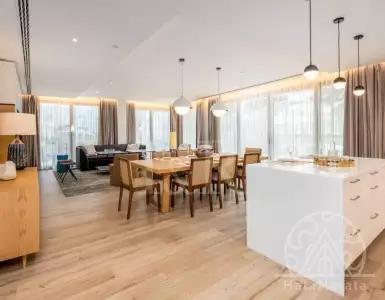
Luxurious 3-bedroom apartments in a 5-star hotel managed by the international operator Hyatt. The apartments feature a large terrace of...
Submit Request
Real estate in Fort Lauderdale for living, investment and residence permit
- ✓ Verified properties directly from developers
- ✓ No overpayments or commissions
- ✓ Guarantee of transaction purity and post-purchase support
International Real Estate Consultant
 1
1
63
1
1
63
Unbelievable coastal views one block from the ocean and no rental restrictions, yes, you read that right. This is the...
Submit Request
Recommended to see
 3
4
141
3
4
141
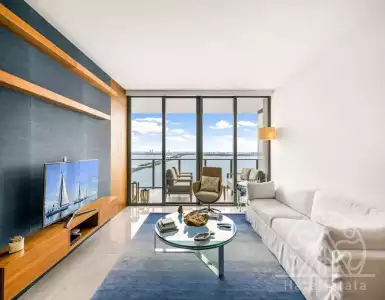
Located in the prestigious One Paraiso Edgewater complex in the heart of Miami, these exquisite 3-bedroom apartments embody luxury and...
Submit Request
 3
3
196
3
3
196
Welcome to the home of your dreams in the heart of Gallery and Tanglewood district. This bright and open 3...
Submit Request
 4
4
361
4
4
361
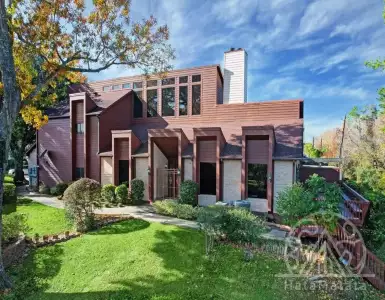
Beautiful oasis with 4 bedrooms and 3.5 baths in desirable Woodlake Forest IV. This bright and spacious home features gorgeous...
Submit Request
 3
2
243
3
2
243
Well-maintained home in the northern part of Scottsdale on the Troon Monument golf course with beautiful views of Pinnacle Peak....
Submit Request
 3
2
239
3
2
239
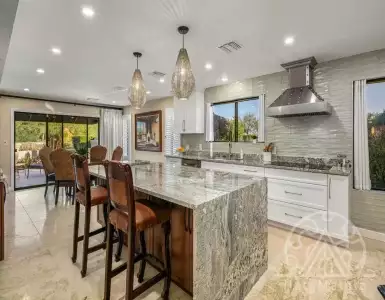
This significant golf course lot, located in the highly sought-after Pinnacle Peak Country Club in North Scottsdale, overlooks the 11th...
Submit Request
 3
2
151
3
2
151
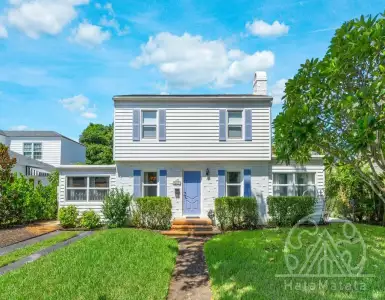
Located on the beautiful street of Edgewood Drive, this colonial house boasts a huge lot and a swimming pool. Sun-drenched...
Submit Request
 4
4
285
4
4
285
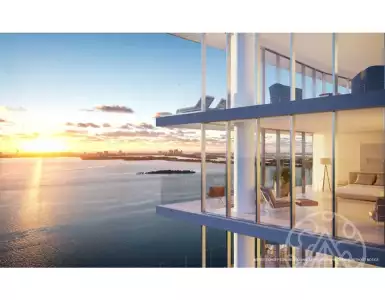
This boutique home in Miami, located in the Edgewater area, offers 4 bedrooms, 1 den, 4.5 bathrooms, and spacious 3,068...
Submit Request
 3
4
341
3
4
341
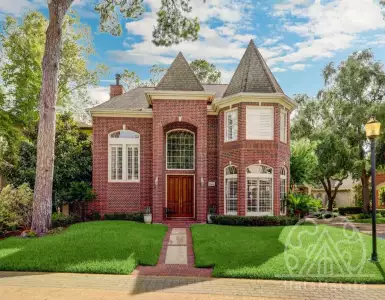
Wonderful opportunity in popular Arlington Court neighborhood near Memorial Park. Home built by VJ Vallone for current owners. Traditional brick...
Submit Request
 3
3
297
3
3
297
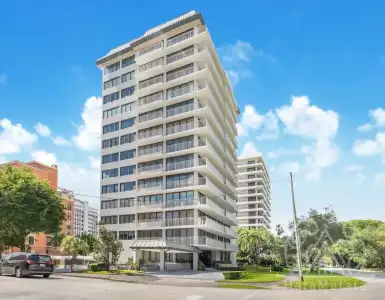
This pearl is a sky home measuring 3,200 square feet overlooking the Granada Golf course with a balcony and direct...
Submit Request
 4
4
307
4
4
307
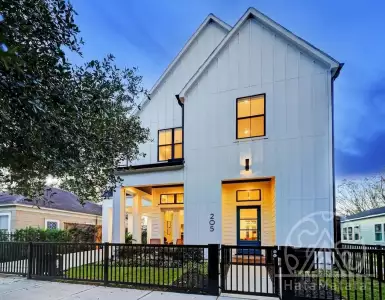
Discover the modern luxury of a farmhouse in this stunning 5BD-4BD home in Houston Heights. This 3,309 sq ft home...
Submit Request
 3
5
337
3
5
337
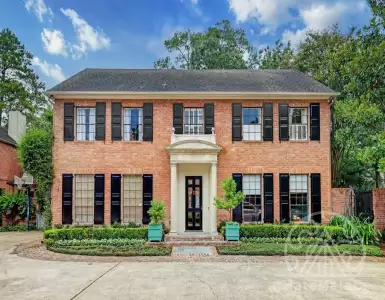
Renovated Lucian Hood house on a private street in the heart of Broad Oaks. This mansion features a spacious living...
Submit Request
 3
5
409
3
5
409
Penthouses in St James are rarely available. This two-story building with 4405 square feet is the best in the area....
Submit Request

Real Estate in Fort Lauderdale
- ✓ Verified properties directly from developers
- ✓ No overpayments or commissions
- ✓ Guarantee of transaction purity and post-purchase support
International Real Estate Consultant
Leave a request and our manager will contact you.
International Real Estate Consultant
Need help choosing real estate in Fort Lauderdale?
Leave a request and we will select the 3 best options for your budget
!
Sell flat in Miami, USA 1 638 108 $
Located in the prestigious One Paraiso Edgewater complex in the heart of Miami, these exquisite 3-bedroom apartments embody luxury and...
!
Buy flat in Houston, USA 406 886 $
Welcome to the home of your dreams in the heart of Gallery and Tanglewood district. This bright and open 3...
🇺🇸 Fort Lauderdale real estate for sale: waterfront condos & single-family homes
Fort Lauderdale blends South Florida sunshine, mile-long beaches and a dense network of navigable waterways with an urban core that supports business, leisure and strong rental demand. Buyers from private homeowners to institutional investors find a market that mixes beachfront high-rises, riverfront estates and walkable neighborhoods near restaurants, marinas and arts venues. Climate is warm year‑round with a tropical maritime profile, making outdoor living and boating central to lifestyle and demand for property in Fort Lauderdale.
📍 City overview and lifestyle for property in Fort Lauderdale
Fort Lauderdale sits on the Atlantic coast of Broward County and functions as a regional center between Miami and Palm Beach, with quick highway and air connections. The city population is around 180,000 in the municipal boundary, while the metro area supports nearly 2 million residents, generating steady local demand for real estate in Fort Lauderdale.
Fort Lauderdale’s lifestyle is defined by beaches along A1A, the Intracoastal Waterway, and a lively hospitality sector concentrated on Las Olas Boulevard and the beachfront promenade. Residents enjoy water sports, yacht culture and year‑round outdoor dining that supports short‑term rental returns and lifestyle buying.
Fort Lauderdale’s climate and tourism profile mean the city attracts seasonal residents, remote workers, retirees and international buyers from Latin America and Europe, creating a diverse pool of buyers interested in buy property in Fort Lauderdale, from permanent residences to investment property in Fort Lauderdale.
💶 Property prices in Fort Lauderdale and market overview
Fort Lauderdale price dynamics vary significantly by proximity to water and neighborhood. Citywide median sale prices show single‑family homes typically range from $600,000 to $3,500,000 depending on lot and location, while condos range from $250,000 to $4,000,000 for waterfront towers.
Average price per square foot for condos and apartments in central and beachfront areas commonly sits between $400–$900 per sq ft, with ultra‑prime waterfront units exceeding $1,000 per sq ft. Resale property in Fort Lauderdale remains a major segment alongside off‑plan property and new developments in Fort Lauderdale.
Recent market dynamics have featured steady appreciation in desirable corridors and moderate softening in secondary neighborhoods, creating pockets of opportunity for real estate investment in Fort Lauderdale and buy property in Fort Lauderdale bargains outside core waterfront strips.
🎯 Which district of Fort Lauderdale to choose for buying property in Fort Lauderdale
Las Olas and Downtown Fort Lauderdale offer pedestrian lifestyle and proximity to restaurants, galleries and the Riverwalk Arts & Entertainment District, attracting professionals and investors targeting short‑term rental demand.
Flagler Village and Flagler Heights feature modern condos, creative offices and growing retail — attractive for tech and creative professionals seeking urban living close to I‑95. Flagler Village has seen notable redevelopment and rising rents, making it a hotspot for new developments in Fort Lauderdale.
Waterfront neighborhoods like Rio Vista, Victoria Park, Coral Ridge and Las Olas Isles deliver single‑family homes and luxury estates favored by families and buyers seeking private docks — these areas show lower turnover but higher price per square foot and strong long‑term capital growth.
- Price by district (typical ranges):
- Las Olas / Downtown: condos $400k–$2.5M, waterfront units $800k–$3.5M
- Fort Lauderdale Beach & Harbor Beach: beachfront condos $700k–$8M
- Flagler Village / Wilton Manors: lofts and condos $300k–$900k
- Coral Ridge / Rio Vista: single‑family $800k–$6M
🚗 Transport and connectivity for buyers of property in Fort Lauderdale
Fort Lauderdale is served by Fort Lauderdale‑Hollywood International Airport (FLL), with domestic and international flights feeding both seasonal tourism and business travel. Major highways I‑95 and the Florida Turnpike provide north‑south links, with typical drive times to Miami central business districts around 30–50 minutes depending on traffic.
Public transport includes Broward County Transit buses and the Brightline higher‑speed rail service connecting nearby stations into Miami and Palm Beach county corridors, improving intercity connectivity for commuters and investors. Water taxis and ferry services around the Intracoastal support mobility in waterfront neighborhoods and add lifestyle value to waterfront property in Fort Lauderdale.
Road infrastructure supports easy access to Port Everglades — a major cruise and cargo port — which strengthens commercial activity and logistics employment that underpin local rental demand and real estate investment in Fort Lauderdale.
🏥 Urban infrastructure and amenities near Fort Lauderdale property
Fort Lauderdale contains well‑known hospitals and medical centers such as Broward Health Medical Center and the Cleveland Clinic regional facilities in nearby Broward County, offering strong healthcare access for residents. Schools range from public Broward County School District campuses to private institutions and specialty boarding schools, making neighborhoods like Coral Ridge and Victoria Park attractive to families.
Higher education presence includes Nova Southeastern University and proximity to University of Miami and Florida Atlantic University campuses, contributing to student rental demand and graduate‑level employment pools. Parks and leisure infrastructure include Hugh Taylor Birch State Park, Holiday Park and miles of beachfront public access supporting recreational lifestyles.
Major shopping and entertainment hubs include Las Olas Boulevard retail and dining, Galleria at Fort Lauderdale, and riverfront cultural venues such as the Broward Center for the Performing Arts — each providing amenity depth that supports both permanent living and short‑term rental attractiveness for property for sale in Fort Lauderdale.
📈 Economic environment and development drivers for real estate in Fort Lauderdale
Fort Lauderdale’s economy mixes tourism, maritime industries, logistics around Port Everglades, and an emerging tech and creative sector centered in Flagler Village. Tourism generates steady occupancy for short‑term rentals with the cruise industry and beach tourism driving visitation. Port Everglades handles billions in cargo value annually, creating jobs in logistics and maritime services that underpin long‑term rental demand.
Business districts downtown and the Financial District near Las Olas drive demand for executive rentals and corporate relocations; recent corporate office investments and coworking space expansions have diversified local employment. Local economic indicators show growth in professional services, healthcare and boutique tech firms, supporting rental yields and real estate investment in Fort Lauderdale.
Municipal redevelopment initiatives prioritize pedestrian corridors, riverwalk expansions and waterfront public access, increasing livability and enhancing the appeal of both new developments in Fort Lauderdale and resale property in established neighborhoods.
🏘️ Property formats and housing types available in Fort Lauderdale
Fort Lauderdale offers a wide spectrum: oceanfront high‑rise condos with full amenities, low‑rise boutique condo buildings, gated single‑family communities, townhouses, and mixed‑use loft conversions in urban districts. New developments in Fort Lauderdale tend to cluster in Flagler Village, Las Olas beachfront and parts of downtown, while resale property remains dominant in mature neighborhoods like Rio Vista.
Building density ranges from high‑rise clusters along A1A and the Intracoastal to low‑density single‑family streets inland; this variety supports different buyer profiles from investors seeking rental yield to families seeking private yards and dock space. Off‑plan property in Fort Lauderdale and new build property in Fort Lauderdale often include modern amenity packages: fitness centers, valet, private marinas and hurricane‑resistant construction elements.
Buyers can choose turnkey resale units for immediate rental income or off‑plan property and new developments for customization and potential pre‑construction pricing benefits; the balance between immediate cash flow and appreciation potential defines buyer strategy.
- Typical property types:
- Condos and apartments (beachfront, downtown, mid‑rise)
- Single‑family homes and waterfront estates (Las Olas Isles, Harbor Beach)
- Townhouses and duplexes (Flagler Village, Victoria Park)
- Commercial units and mixed‑use (Las Olas Blvd, downtown corridors)
🏗️ Developers and key residential projects in Fort Lauderdale
Developers active in the Fort Lauderdale region include widely recognized firms such as The Related Group, Lennar, Kolter Homes, PulteGroup, GL Homes, Dezer Development and Turnberry Associates, many of which have completed or are developing projects across Broward County. These developers are known for mixed‑use towers, waterfront condominiums and master‑planned communities with consistent construction standards and warranties.
Typical project features from major developers involve reinforced concrete construction, modern wind‑mitigation design, amenity decks with pools and fitness centers, private garage parking, and in many waterfront cases, private dockage options — all important for buyers evaluating reliability and construction quality.
Investors and buyers should request builder warranties, certificate of occupancy details and hurricane proofing specifications; reputable developers often provide phased payment schedules, escrowed deposits and documented post‑closing service programs that clarify long‑term maintenance and ROI expectations for new build property in Fort Lauderdale.
💳 Mortgage, financing and installment options for property in Fort Lauderdale
Foreign buyers commonly secure financing from US banks and mortgage brokers; typical mortgage terms for non‑residents require a down payment of 20–30% for conforming loans, with some lenders asking for higher deposits on investment property or condo associations with short‑term rental restrictions. Interest rates vary by credit profile, loan term and market conditions; fixed and adjustable rate options are both available for buy property in Fort Lauderdale with mortgage.
Developer installment plans are available on some off‑plan property in Fort Lauderdale and new developments in Fort Lauderdale, often allowing staged deposits during construction and final mortgage funding at closing; buyers should confirm escrow protections and developer track record.
Buyers commonly utilize cash purchases to accelerate transactions and secure discounted pricing, while mortgage financing supports leverage and tax advantages; working with a US‑licensed mortgage broker and international buyer specialist helps navigate documentation, credit evaluation and cross‑border financing logistics.
📝 Property purchase process to buy property in Fort Lauderdale
The purchase process typically begins with an offer backed by an earnest money deposit held in escrow, followed by inspection contingencies, title search and lender underwriting if financing is used; closing schedules vary but often run 30–60 days for resale and longer for off‑plan. Buyers should engage a Florida‑licensed real estate agent, a US real estate attorney and a title company to validate clear title and manage closing logistics.
Foreign buyers sign a purchase agreement, complete a source‑of‑funds review for financing and transfer funds via international wire with certified closing statements; typical payment methods include wired funds for down payment and mortgage proceeds for balance.
Off‑plan or new development purchases require careful attention to contract terms, delivery schedules, developer escrow protections and HOA governance documents — these factors materially affect ROI and rental eligibility for investment property in Fort Lauderdale.
⚖️ Legal aspects, taxes and residence options for property in Fort Lauderdale
Foreigners can hold property in Fort Lauderdale in their own name, via LLCs or trusts; each ownership structure has different implications for liability, privacy and estate taxation, so legal and tax advice is essential. Florida has no state income tax, but property owners pay annual property taxes and non‑resident owners should be aware of federal tax rules on rental income and FIRPTA implications on dispositions.
Transfer taxes, recording fees and HOA assessments apply at purchase and ongoing phases; buyers should budget for closing costs typically equal to 2–4% of purchase price in addition to down payment and inspection expenses. Residence permit options are not automatic with property ownership — however, investment strategies can support visa routes such as investor programs or employment‑based visas when paired with broader immigration planning.
Legal due diligence includes verifying zoning, flood zone elevation certificates (important for waterfront properties), insurance availability and HOA bylaws governing rentals, pets and exterior modifications that affect use cases like short‑term rentals.
💡 Property use cases and investment strategies for Fort Lauderdale real estate
Permanent residence: Families and professionals often choose Coral Ridge, Victoria Park or Rio Vista for larger homes, schools and private docks; single‑family homes and townhouses are ideal for long‑term living.
Short‑term rental and holiday use: Fort Lauderdale Beach, Las Olas and downtown condos near the Riverwalk capture tourism demand and cruise‑related occupancy — condos with concierge, pools and proximity to beaches perform best for nightly rentals.
Long‑term rental and buy‑to‑let: Flagler Village and neighborhoods near major employers and university campuses provide steady long‑term tenants; mid‑range condos and townhouses offer balanced yields and capital growth potential.
- Investment strategies:
- Capital appreciation: waterfront houses in Las Olas Isles, Harbor Beach estates
- Cash flow: centrally located condos in downtown and Flagler Village
- Hybrid: beachfront condos leased seasonally, rented long term off‑season
Buying property in Fort Lauderdale combines lifestyle quality with strategically diversified investment options across neighborhoods and property types. For buyers pursuing a purchase — whether a new build property in Fort Lauderdale, a resale property in Fort Lauderdale, or an off‑plan property in Fort Lauderdale with installment plan — local advisors, accredited lenders and experienced real estate attorneys ensure that financing, inspections and closing procedures protect capital and align purchase structure with personal or institutional goals. If you want tailored neighborhood comparisons, projected rental yields for specific buildings, or help locating off‑market inventory and developer installment terms, an expert local agent can prepare a focused acquisition plan to match your buyer profile and investment horizon.
Frequently Asked Questions
How much do homes cost in Fort Lauderdale?
Fort Lauderdale prices vary by product and location. Typical condo ranges: $200,000–$700,000; inland single-family homes: $400,000–$1,200,000; waterfront and luxury properties often exceed $2,000,000. Entry-level neighborhoods can offer lower-priced townhomes or condos under $300k, while premium beachfront, harbor or gated communities command multi‑million dollar prices. Expect wide variance by block and amenities.
Can foreigners buy property in Fort Lauderdale?
Yes — foreign nationals can buy and hold Florida real estate without residency. Expect standard steps: an ID, wiring funds, title insurance, and tax reporting. Non‑residents must file U.S. tax returns for rental income and may need an ITIN. No state restriction on ownership, but lenders typically require 20–30%+ down for foreign buyers. Property purchase does not grant U.S. residency or citizenship.
Is Fort Lauderdale good for real estate investing?
Fort Lauderdale is attractive: steady tourist demand, corporate/airport traffic and seasonal peaks raise occupancy. Long‑term gross yields for condos/units commonly run about 4–7%; properly managed short‑term rentals can show higher gross yields (6–10%) but with more variable costs. Liquidity is stronger for beach/flagship condo stock; inland single‑family can take longer to sell. Seasonality: high season typically increases rates and occupancy.
How long does buying in Fort Lauderdale take?
Typical timeline: 30–60 days from contract to closing with mortgage financing; 7–30 days for cash deals. Off‑plan or new‑build projects follow the developer schedule — expect months to years depending on completion stage. Allow extra time for inspections, HOA document review, appraisal and lender underwriting. Factor in additional time if title issues or permitting concerns arise.
What are property taxes and closing costs in Fort Lauderdale?
Broward County property tax rates usually total around 1.0–2.0% of assessed value, varying by district and exemptions. Buyer closing costs commonly range 2–5% of purchase price (title insurance, recording fees, lender fees, prepaids). Condos add HOA fees and potential reserve contributions. Flood insurance, if required, adds annual cost. Exact amounts depend on property type, mortgage, and location.
Which Fort Lauderdale neighborhoods rent best?
Top rental areas: Las Olas/downtown and Flagler Village (high demand from professionals and short‑term visitors); Coral Ridge and Victoria Park (stable family rentals); Rio Vista and Harbor Beach (luxury holiday and long‑term market); Wilton Manors attracts niche long‑stay renters. Choose central/waterfront areas for higher nightly rates; inland neighborhoods often give steadier long‑term tenancy and lower entry price.
Are short-term rentals allowed in Fort Lauderdale?
Short‑term rentals are regulated. Properties must comply with city registration, transient occupancy tax collection, business tax requirements and local zoning or HOA rules. Some neighborhoods restrict STRs or impose occupancy limits and safety inspections. Demand peaks in high season (typically late fall–spring). Check city licensing, local ordinances and HOA covenants before buying for STR use.
Is Fort Lauderdale good for digital nomads or remote work?
Yes — Fort Lauderdale offers strong internet infrastructure (many areas with 100–1,000+ Mbps options), plentiful cafés and coworking spaces, and lifestyle amenities (beaches, dining). Long‑stay rental options exist year‑round, but expect higher rates in peak season. Consider hurricane season and flood insurance for extended stays. Visa/entry rules are federal; short tourist stays for eligible nationals are possible under the visa‑waiver program.
Risks when buying off‑plan in Fort Lauderdale?
Off‑plan risks: construction delays, developer insolvency, permit or lien issues, and final product differing from plans. Buyer protections: insist on escrowed deposits, clear completion timelines, liquidated damages clauses, review HOA and condominium documents, verify permits and builder track record, and obtain title insurance. Use a real estate attorney to review contracts and confirm warranty and refund provisions.
Buying to live vs buy-to-rent in Fort Lauderdale?
Key differences: financing—owner‑occupant loans often allow lower down payments and better rates; investors typically need 20–30% down and higher rates. Insurance and HOA rules may differ (some HOAs restrict rentals). Taxes: primary residence may qualify for capital gains exclusions; investment properties offer depreciation and 1031 exchange options. Choose location and unit type based on intended use and regulatory requirements.
Property by cities
Properties by Region
Services in Fort Lauderdale
Properties by Country
- Real estate in Bulgaria (11435)
- Real estate in Montenegro (5344)
- Real estate in Spain (5198)
- Real estate in Indonesia (2424)
- Real estate in Turkey (2317)
- Real estate in Portugal (2037)
- Real estate in Croatia (1682)
- Real estate in Cyprus (1643)
- Real estate in Italy (1585)
- Real estate in Thailand (1565)
- Real estate in Greece (1119)
- Real estate in France (1070)
- Real estate in USA (732)
- Real estate in Georgia (507)
- Real estate in Serbia (246)
- Real estate in Slovenia (125)
- Real estate in Egypt (20)
Get the advice of a real estate expert in Fort Lauderdale — within 1 hour
Looking for a property in Fort Lauderdale? Leave a request — we will help you take into account all the nuances, and we will offer objects according to your personal request.

Maria Guven
Head of Direct Sales Department
+90-507-705-8082