


House in Florida
Do you want to buy house in Florida? We'll tell you where to start

Liliya
International Real Estate Consultant
Need help choosing a property?
Leave a request and our manager will contact you.
International Real Estate Consultant
House in Florida
Do you want to buy house in Florida? We'll tell you where to start
Liliya
International Real Estate Consultant
Need help choosing a property?
Leave a request and our manager will contact you.
International Real Estate Consultant
Selection houses in Florida in 15 minutes
Leave a request and we will select the 3 best options for your budget
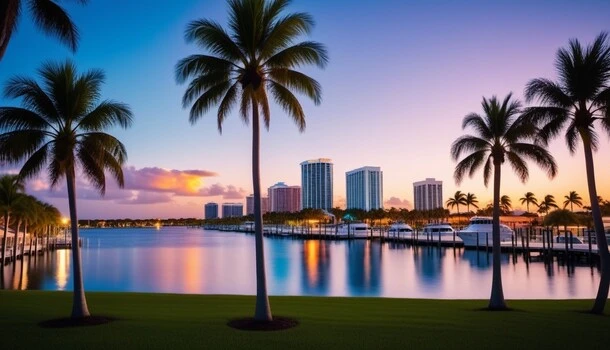


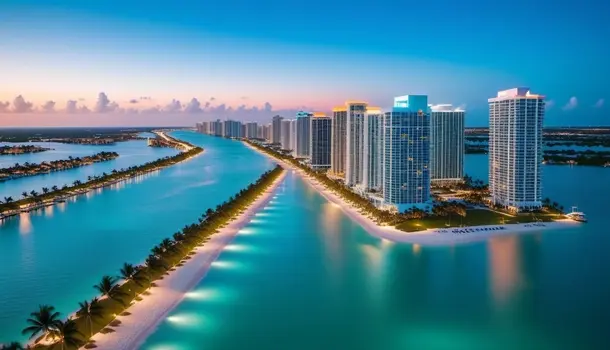

Weather in Florida
 !
!
For sale Flat , Spain 210 942 $
📌 A few apartments for sale in Cala de Finestrat - a cozy place between Benidorm and Vieijahoyosa with a...
 !
!
Flat for sale , Cyprus 125 285 $
The new residential complex is located in the foothills of Alsanjak. The complex consists of two two-storey buildings. Block A - 12...
For Sale house in Florida
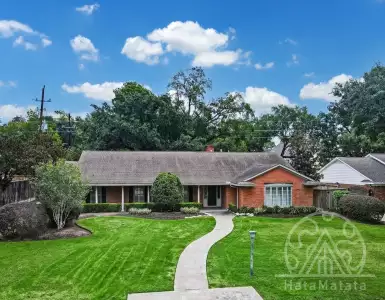
Houses in Coral Gables
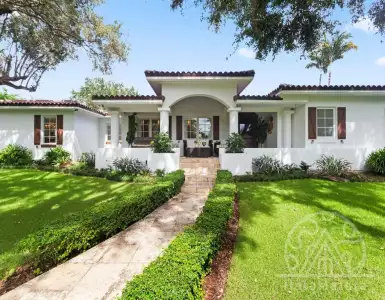
 5
5
 6
6
 472
472
 6
8
374
6
8
374
 8
4
315
8
4
315
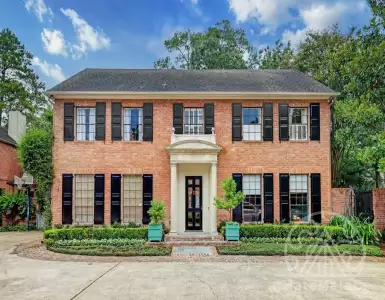
Houses in Houston

Do you want to buy houses in Florida? We'll tell you where to start
Leave a request and we will select the 3 best options for your budget
International Real Estate Consultant
Houses in Miami
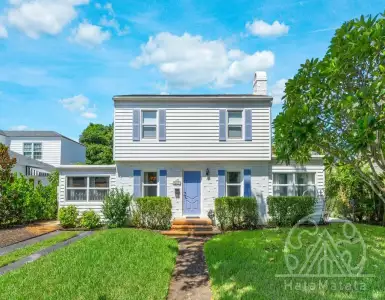

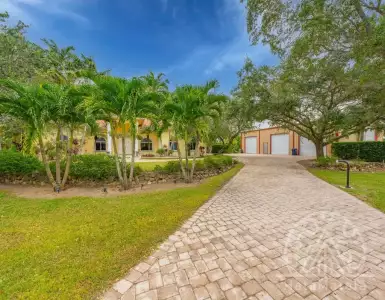
Houses in Southbury



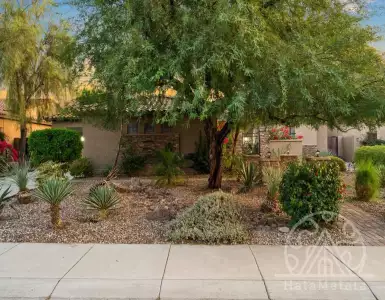
Houses in Scottsdale
 3
2
243
3
2
243
 3
2
239
3
2
239
 6
5
497
6
5
497
Selection houses in Florida in 15 minutes
Leave a request and we will select the 3 best options for your budget
🇺🇸 Florida home purchase: property taxes, flood zones, HOA rules and closing costs
Buying a house in Florida is an opportunity that attracts a diverse pool of buyers, ranging from families seeking a permanent residence to investors looking for lucrative opportunities. The allure of Florida’s warm climate, vibrant communities, and robust economy make it an ideal location for various lifestyles and investment strategies. This guide provides a thorough overview of what you need to know before making this pivotal decision.
🌴 Characteristics of Florida: Geography, Climate, and Infrastructure Impacting House Purchases
Florida’s geography is marked by its stunning coastline, lush wetlands, and diverse natural parks. With an average annual temperature of approximately 70°F and around 237 sunny days per year, the state enjoys a climate that appeals to both retirees and families looking for year-round outdoor activities. Major cities like Miami, Orlando, and Tampa serve as economic and cultural hubs that enhance the appeal of Florida as a desirable location for homebuyers.
The infrastructure in Florida is well-developed, featuring a network of highways, airports, and public transportation systems. The presence of major highways such as Interstate 95 and Interstate 75 facilitates easy access to various parts of the state. Additionally, prominent airports, including Miami International Airport and Orlando International Airport, connect Florida to domestic and international destinations, making it a vibrant hub for tourism and business.
Community amenities are abundant, with numerous hospitals, educational institutions, shopping centers, and recreational facilities. This rich infrastructure landscape makes Florida particularly attractive to families, professionals, and investors who expect a high quality of life.
💼 Economic Landscape and Investment Climate in Florida
Florida's economy is one of the largest in the United States, driven by robust sectors such as tourism, agriculture, finance, and technology. The gross domestic product (GDP) of Florida consistently ranks among the highest in the nation, showcasing its financial stability and growth potential. With an influx of over 130 million visitors annually, the tourism sector acts as a catalyst for economic expansion, fueling the housing market.
Florida's business environment is favorable, featuring a no state income tax policy that appeals to both individual residents and business owners. This tax structure, coupled with pro-business regulations, encourages investment in real estate. Homeownership in Florida not only provides a place to live but also serves as a strategic financial asset, particularly when considering rental yields that average around 5% to 8% in popular markets.
Investor confidence is bolstered by continuous population growth, projected to exceed 22 million residents. The demand for housing, coupled with limited supply in certain areas, particularly urban districts, results in greater liquidity in the housing market, signifying a promising outlook for buyers.
💰 Price Overview for Houses in Florida: Understanding the Market
The prices for houses in Florida can vary widely depending on the city, neighborhood, and type of property. On average, the median home price across the state is around $350,000, although this can differ significantly from one area to another.
Here is a brief overview of housing prices in various notable cities:
- Miami: Median prices hover around $500,000 for houses, with luxury properties easily exceeding $1 million.
- Orlando: The average home price is approximately $350,000, with many family-oriented neighborhoods providing accessible options.
- Tampa: Residents can expect median house prices of about $350,000, making it an attractive option for first-time buyers.
Breaking down price factors further:
- New Developments: Newly constructed homes may range from $300,000 to $600,000, depending on the location and amenities.
- Resale Houses: Prices for resale homes can be lower, often starting around $250,000 in suburban areas.
- Luxury Market: Exclusive neighborhoods such as Palm Beach or Naples offer properties starting in the millions, often featuring waterfront views and bespoke designs.
🌇 Top Cities and Districts in Florida for House Purchases
Choosing the right district can significantly influence the purchasing experience. Some of the top cities and districts include:
- Miami: Known for its vibrant nightlife and cultural diversity, Miami attracts both local and international buyers, particularly in districts like Downtown Miami and Miami Beach.
- Orlando: A family-friendly hub, Orlando is not only famous for its theme parks but also boasts neighborhoods like Lake Nona, which are undergoing rapid development and attracting premium investments.
- Fort Lauderdale: With beautiful canals and beaches, Fort Lauderdale is great for seasonal residences and rentals, commonly targeted by investors.
- Tampa Bay Area: Known for a vibrant job market and rich recreational offerings, areas such as Brandon or St. Petersburg are popular among families and retirees.
Each of these areas provides distinct advantages, including strong rental demand due to tourism in regions like Miami and Orlando, and appealing neighborhoods with excellent schools in suburban areas like Broward County.
🏗️ Leading Developers in Florida's Housing Market
Understanding who the key players are in Florida’s real estate market can streamline the buying process. Notable developers include:
- Lennar Corporation: Known for various communities in Orlando, Lennar offers modern homes with advanced technology and sustainable features.
- D.R. Horton: As one of the largest homebuilders in the U.S., their developments span across numerous districts in Florida, often featuring attractive payment plans.
- Minto Communities: Renowned for their active adult communities, Minto offers a variety of formats from single-family homes to luxuriously appointed villas aimed at the retiree market.
Most companies provide customizable layouts and a variety of financing options, which is beneficial for foreign buyers looking for flexible terms.
🏦 Financing Options for Foreign Buyers Seeking Houses in Florida
For international buyers, financing a home in Florida can be straightforward with the right knowledge. Mortgage rates for foreign buyers typically range between 3.5% to 5.5%, depending on the lender and the buyer's financial profile. Common requirements include:
- A down payment of at least 20%.
- Proof of income and credit history, potentially necessitating additional documentation from the home country.
- Engagement with local banks that have experience working with foreign nationals.
Many Florida developers also offer installment plans, allowing buyers to make gradual payments during the construction phase. These plans often provide flexibility, with timelines spanning 12 to 24 months for full payment completion.
📑 Step-by-Step Guide to Buying a House in Florida
- Selection: Narrow down your desired location by evaluating neighborhoods and checking local amenities and school districts.
- Reservation: Secure your preferred property with a formal offer or deposit to demonstrate commitment.
- Due Diligence: Conduct inspections, and evaluate property history and zoning regulations to ensure compliance with local laws.
- Contract: Work with an attorney or real estate agent to draw up a purchase agreement clearly stating your rights and obligations.
- Payment: Arrange financing and complete the necessary down payments.
- Registration: Engage a notary to finalize the transaction and facilitate the transfer of ownership.
Understanding the legal aspects such as property taxes, typically around 1% of the assessed value, and any potential HOA fees is crucial.
⚖️ Legal Aspects of Owning a House in Florida
Owning a house in Florida involves a straightforward legal framework. As a property owner, you will be responsible for maintaining compliance with local regulations, which include:
- Property Taxes: These can vary significantly by location; understanding the implications will guide your budget.
- Rental Rules: If planning to rent out your property, familiarize yourself with local landlord-tenant laws to ensure compliance.
- Contract Registration: It is essential to follow proper procedures for recording your property deed to establish clear ownership.
Notably, purchasing property does not automatically confer residency or citizenship rights, although significant investments can qualify some buyers for residency programs through the EB-5 Investor Visa.
🏡 Objectives for Purchasing a House in Florida
Buying a house in Florida can fulfill various objectives, including:
- Permanent Residence: Ideal for families and retirees, many choose locations like Sarasota or Naples for year-round living.
- Seasonal Residence: Areas such as Destin are popular for vacation homes, offering a blend of luxury and relaxation.
- Investment: Properties in urban centers provide excellent rental opportunities, with many investors targeting areas with high tourist traffic.
- Relocation for Work or Education: As a growing job market, Florida attracts professionals to cities such as Jacksonville and Orlando.
The opportunity for family-friendly neighborhoods, urban living, or luxurious beach properties make Florida an unparalleled choice for house purchases.
Florida's housing market not only caters to diverse tastes but also offers resilient investment opportunities. As demand continues to rise, buying a home here positions buyers for long-term growth and personal fulfillment through lifestyle priorities. The combination of strong economic fundamentals, stunning locales, and favorable property investment conditions makes Florida a top choice for prospective buyers, ensuring a promising future for both residents and investors alike.
Frequently Asked Questions
Prices vary widely by location. Typical ranges: condos $150,000–$400,000; single-family homes $250,000–$700,000; desirable coastal or luxury homes $600,000–$5,000,000+. New construction and hot metros often sit at the upper end. Budget for 3–6% additional for closing and moving costs.
Foreign nationals can use standard U.S. visas: tourist (short stays), student, employment (H‑1B), investor visas (E‑2 for treaty countries, EB‑5 immigrant investor requiring substantial capital). Owning a home in Florida does not by itself grant residency or citizenship; property can support proof of funds but isn’t a direct visa route. EB‑5 typically requires $800,000–$1,050,000 and multi-year processing.
Yes. Many lenders finance foreign buyers but expect 20–50% down, higher interest rates (often 0.5–2% above domestic), stricter income documentation, and possibly higher fees. Some lenders require an ITIN or U.S. bank history. Preapproval can take 2–6 weeks.
You’ll need homeowners insurance plus wind or hurricane coverage; flood insurance is separate and required in flood zones. Premiums vary widely: typical ranges $1,500–$6,000+ annually depending on location, age, and elevation. Wind mitigation improvements and higher deductibles can lower premiums.
Short‑term rentals are allowed in many Florida areas but rules differ by city, county and HOA. Expect registration, transient occupancy taxes, safety requirements, and possible bans in some neighborhoods. Gross short‑term yields can be higher than long‑term but regulatory risk and management costs impact net returns.
Property taxes typically range ~0.7%–1.5% of assessed value annually. Closing costs are commonly 2%–5% of sale price (title, recording, transfer fees vary by county). Florida has no state income tax; primary residents may qualify for homestead exemption up to certain assessed-value limits.
Obtain a general home inspection plus termite/WDI inspection, roof evaluation, and wind mitigation inspection. If property is in a flood zone, get an elevation certificate and flood-risk assessment. Typical inspection contingency periods run 7–15 days to allow repairs or renegotiation.
Long‑term gross rental yields often range 4%–8%, short‑term gross yields commonly 6%–12% in tourist areas. Resale appreciation varies by metro and proximity to coast; urban and high‑demand coastal markets tend to outperform inland areas. Local market research and occupancy assumptions are critical.
Florida offers warm climate, beaches, no state income tax, major hospitals, and varied schools (district quality varies). Many areas are car‑centric with limited mass transit. Broadband is widely available in cities, making it suitable for remote workers, but consider hurricane season, insurance costs, and local school rankings.
HOA/condo fees vary widely—commonly $100–$1,000+ monthly—covering maintenance, reserves, and amenities. Review bylaws for rental restrictions, special assessments, reserves and insurance requirements. Condos often have stricter rules and may require owner occupancy or rental caps; request budgets and meeting minutes before buying.
Properties by Region
Properties by Country
- Real estate in Bulgaria (11408)
- Real estate in Montenegro (5370)
- Real estate in Indonesia (2423)
- Real estate in Spain (2289)
- Real estate in Portugal (1975)
- Real estate in Italy (1900)
- Real estate in Turkey (1699)
- Real estate in Cyprus (1592)
- Real estate in Thailand (1565)
- Real estate in Croatia (1431)
- Real estate in Greece (1082)
- Real estate in USA (1013)
- Real estate in France (1006)
- Real estate in Georgia (519)
- Real estate in Serbia (328)
- Real estate in Slovenia (123)
- Real estate in Egypt (23)
Free real estate consultation in Florida
Don't know which area to choose in Florida? We will tell you in which areas it is better to live or invest, and show you the appropriate options.

Maria Guven
Head of Direct Sales Department
+90-507-705-8082