


Real Estate in Miami
- ✓ Verified properties directly from developers
- ✓ No overpayments or commissions
- ✓ Guarantee of transaction purity and post-purchase support

International Real Estate Consultant
Leave a request and our manager will contact you.
International Real Estate Consultant
Hot Deals



For Sale Real Estate in Miami
100 listings

 3
3
 4
4
 141
141
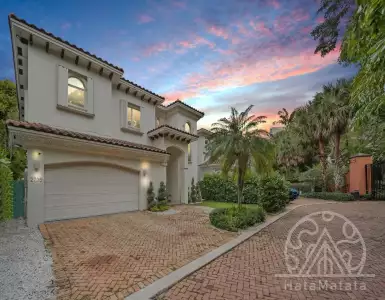
Located in the prestigious One Paraiso Edgewater complex in the heart of Miami, these exquisite 3-bedroom apartments embody luxury and...
Submit Request
 3
2
151
3
2
151
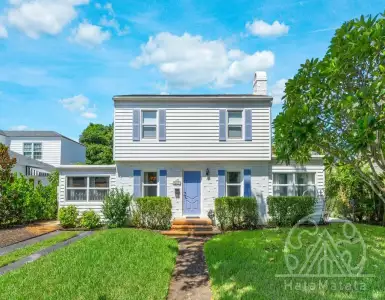
Located on the beautiful street of Edgewood Drive, this colonial house boasts a huge lot and a swimming pool. Sun-drenched...
Submit Request




 4
4
285
4
4
285
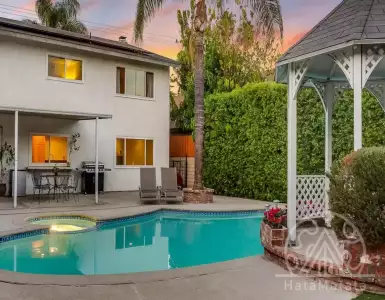
This boutique home in Miami, located in the Edgewater area, offers 4 bedrooms, 1 den, 4.5 bathrooms, and spacious 3,068...
Submit Request
Real estate in Miami for living, investment and residence permit
- ✓ Verified properties directly from developers
- ✓ No overpayments or commissions
- ✓ Guarantee of transaction purity and post-purchase support
International Real Estate Consultant
 2
117
2
117
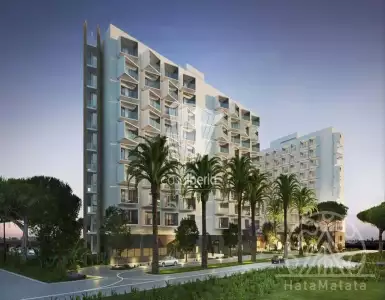
Located near one of the most iconic places in the Algarve, Ponta da Piedade in Lagos, the resort is surrounded...
Submit Request
 5
3
223
5
3
223
Discover the potential of this villa, located on a private hillside in Porto de Mós. This exceptional villa, currently under...
Submit Request
 4
5
191
4
5
191
New building with two apartments (T0 + T3 duplex) with garage and roof with sea view in the historic center....
Submit Request

Real Estate in Miami
- ✓ Verified properties directly from developers
- ✓ No overpayments or commissions
- ✓ Guarantee of transaction purity and post-purchase support
International Real Estate Consultant
Leave a request and our manager will contact you.
International Real Estate Consultant
Need help choosing real estate in Miami?
Leave a request and we will select the 3 best options for your budget
!
Sell flat in Miami, USA 1 657 228 $
Located in the prestigious One Paraiso Edgewater complex in the heart of Miami, these exquisite 3-bedroom apartments embody luxury and...
!
For sale House in Miami, USA 2 191 866 $
Located on the beautiful street of Edgewood Drive, this colonial house boasts a huge lot and a swimming pool. Sun-drenched...
🇺🇸 Buy Miami, FL real estate: waterfront condos, Coral Gables homes, rental yields
Miami is a city where sun, sea and commerce meet — a global gateway with a distinct lifestyle and clear investment logic. Located on the southeastern tip of Florida, Miami combines vibrant beachfront neighborhoods, a dense downtown skyline, international ports and an expanding tech and finance corridor. Buyers evaluating property in Miami will find everything from beachfront condominiums and historic villas to large-scale mixed-use towers and boutique townhomes. The local climate is tropical, with warm, humid summers and mild winters, making year-round outdoor living, boating and beach access core parts of daily life.
💎 Which district of Miami to choose for buying property in Miami
Miami offers sharply different micro-markets within a compact metro area, each serving distinct buyer profiles. Brickell is the financial core with high-rise luxury condos, heavy evening and weekend activity, and a buyer profile dominated by young professionals and investors seeking rental yield from corporate tenants. Coral Gables and Coconut Grove are leafy, low-rise neighborhoods prized by families and buyers seeking single-family homes, schools and green space. Miami Beach and South Beach prioritize lifestyle, tourism and short-term rental potential with resort-style condos and art-deco neighborhoods.
Miami neighborhoods differ by proximity to water and transit, safety, and development density, which drives price and use-case decisions. Edgewater and Wynwood are both close to downtown but diverge: Edgewater features waterfront high-rises and family-oriented parks, while Wynwood is an arts-and-nightlife district with low-rise lofts and galleries. Aventura and Sunny Isles Beach lie further north: Aventura is a suburban high-rise market anchored by Aventura Mall, and Sunny Isles emphasizes ultra-luxury oceanfront towers.
Buyers should match district characteristics to their priorities: use the list below as a quick map of who lives where and why.
- Brickell: close to downtown, dense high-rise, target — professionals and investors.
- Coral Gables: suburban, gardens, top private schools, target — families, HNW buyers.
- Coconut Grove: marinas and parks, target — families and creatives.
- Miami Beach / South Beach: tourism-focused, short-term rental potential, target — holiday investors.
- Edgewater / Midtown / Wynwood: urban renewal, mixed-use, target — long-term growth investors.
💶 Property prices in Miami
Miami’s market spans affordable condos to ultra-prime oceanfront estates; averages depend strongly on neighborhood and property format. Condominiums in central areas typically trade between $300,000 and $4,000,000, with median condo prices often clustering in the $400,000–$800,000 range across mid-city districts. Single-family homes in Coral Gables, Coconut Grove and Key Biscayne commonly range from $1,000,000 to $25,000,000 for premium properties.
Price per square foot varies by district and quality of construction. Typical bands are:
- Downtown / Brickell: $500–$900 per sq ft for established towers.
- Miami Beach / South Beach / Sunny Isles: $600–$1,800 per sq ft for beachfront and luxury high-rises.
- Coral Gables / Coconut Grove (single-family): $400–$1,000 per sq ft depending on lot size and age.
- Emerging neighborhoods (Wynwood, Little Haiti): $300–$700 per sq ft.
Market segmentation by property type:
- Apartments/condos: $200,000–$4,000,000.
- Villas / single-family homes: $800,000–$50,000,000+.
- Townhouses / rowhouses: $500,000–$4,000,000.
- Commercial units and retail space: prices are highly variable but expect premium rates along Biscayne Boulevard and Lincoln Road.
🚆 Transport and connectivity in Miami
Miami’s transport matrix combines a busy international airport, regional rail and a growing urban transit network that affects commuting and investment appeal. Miami International Airport (MIA) is the primary hub with flights to the Americas and Europe; direct links to Brickell and Downtown average 15–25 minutes by car depending on traffic. Brightline provides higher-speed intercity rail north to West Palm Beach and Orlando, improving regional connectivity for both residents and tourists.
Local public transport includes Metrorail, Metromover (free within downtown and Brickell), and an extensive Metrobus network. The Metromover offers car-free access across Brickell, Downtown and Omni, supporting rental demand from professionals. Road connectivity is anchored by I‑95 along the east coast and I‑75 to the west; causeways such as MacArthur and Rickenbacker link the mainland to barrier islands and Key Biscayne.
Typical travel times that buyers should expect:
- Brickell to Miami Beach: 20–30 minutes by car in normal traffic.
- Downtown to MIA: 10–20 minutes.
- Downtown to Aventura Mall: 25–35 minutes.
- Miami to Fort Lauderdale: 30–50 minutes by car or Brightline rail.
🏥 Urban infrastructure and amenities in Miami
Miami’s urban fabric supports lifestyle and rental demand with internationally recognized hospitals, universities, malls and parks that influence neighborhood desirability. Major medical centers like Jackson Memorial Hospital, Baptist Health South Florida, and the Bascom Palmer Eye Institute provide high-quality healthcare and draw medical professionals and patients from the region. Education institutions include University of Miami in Coral Gables and Florida International University, both anchors for student and staff housing demand.
Retail and leisure amenities shape micro-markets: Aventura Mall, Bal Harbour Shops, Brickell City Centre and Bayside Marketplace attract shoppers and tourists alike. Beach access and parks are essential assets: South Beach, Crandon Park on Key Biscayne and Oleta River State Park are major recreation anchors. Sports and cultural infrastructure such as American Airlines Arena / Kaseya Center and the Pérez Art Museum drive event-based demand.
Infrastructure highlights in bullet form:
- Top hospitals: Jackson Memorial, Baptist Health, Mount Sinai Medical Center.
- Universities: University of Miami, Florida International University.
- Major malls: Aventura Mall, Brickell City Centre, Bal Harbour Shops.
- Beaches and parks: South Beach, Haulover Park, Crandon Park.
📈 Economic environment and city development in Miami
Miami’s economy is anchored by tourism, international trade, finance, real estate and a growing technology sector, which supports consistent buyer interest across use cases. The Port of Miami is among the busiest cruise and cargo ports globally, sustaining logistics, hospitality and trade-related employment. Brickell is the region’s finance district with global banks and wealth managers, while Wynwood and the Design District attract creative industries and retail flagship stores.
Tech and startup activity has expanded with co-working hubs, venture capital inflows and relocation of fintech and crypto firms; this diversification increases demand for modern housing targeted at high-income professionals. Tourism remains a structural demand driver: Miami consistently records high occupancy rates in hospitality, which in turn supports short-term rental economics in beachside neighborhoods.
Economic indicators that matter for investors:
- Tourism occupancy and international arrivals.
- Job growth in finance, healthcare and technology.
- Port throughput and trade volumes.
- New office and mixed-use project pipelines in Downtown and Brickell.
🏗️ Property formats and housing types in Miami
Buyers can choose between new developments in Miami, off-plan property, and resale property each with distinct pros and cons. New developments and off-plan property often offer early-bird prices, modern amenities and developer financing or installment plans. Resale property delivers immediate occupancy and historical performance data for rental and maintenance costs. Building formats range from high-rise luxury towers to low-rise walkups and single-family gated communities.
Architectural and planning differences are visible across neighborhoods: Brickell and Downtown are vertical markets with towers housing mixed-use retail, gyms and concierge services; Coral Gables and Coconut Grove prioritize Mediterranean and tropical architecture with private yards and mature trees. Sunny Isles and Miami Beach emphasize beachfront podiums, private elevators and large amenity footprints.
Property format list:
- New build property in Miami / Off-plan property in Miami: pre-construction condos with staged payments.
- Resale property in Miami: immediate return and stabilized maintenance history.
- Single-family homes and villas: ideal for families and long-term capital appreciation.
- Mixed-use and commercial units: suited for retail investors and business owners.
🏢 Developers and key residential projects in Miami
Miami’s developer landscape includes national and international names with proven track records. Prominent developers active in the market include The Related Group, Swire Properties, Lennar, Dezer Development, and Fortune International Group. Signature projects that define skylines and resale appeal include Brickell City Centre, One Thousand Museum, Porsche Design Tower, Icon Brickell, and high-profile Sunny Isles towers.
Project quality and features vary by developer; large groups typically deliver full amenity packages (concierge, pools, fitness centers, private docks) and stronger resale liquidity. For off-plan buyers, selecting developers with completed local projects and strong sales histories reduces delivery and financing risk.
Representative project list:
- Brickell City Centre — mixed-use anchor.
- One Thousand Museum — landmark luxury tower near Downtown.
- Porsche Design Tower — unique automotive-centric towers in Sunny Isles.
- Icon Brickell — high-density residential core offering strong rental demand.
💳 Mortgage and financing for property in Miami
Foreign buyers can access financing for property in Miami, but conditions differ from resident borrowers. Typical lender expectations include a down payment of 25–30% for non-resident mortgages, full documentation of income and assets, and often higher interest spreads. Loan terms available include fixed-rate and adjustable-rate mortgages up to 30 years, subject to lender underwriting.
Developers selling new build property in Miami commonly offer installment plan options during pre-construction phases, with deposit schedules frequently structured as 10–30% during construction and final payment at closing. Some developers provide interest-bearing or interest-free plans, and bank financing can be combined with developer deposits where approved.
Key financing points:
- Buy property in Miami with mortgage: expect 25–30% down for foreigners.
- Property in Miami with installment plan: common for off-plan purchases, deposit schedules vary.
- Buy property in Miami in installments: negotiate developer terms and confirm escrow protections.
📝 Property purchase process in Miami
The purchase flow for real estate in Miami is straightforward but requires attention to contracts, inspections and closing mechanics. Typical steps include making an offer, executing a sales contract with an earnest money deposit (commonly 1–5%), performing inspections and title searches, arranging financing, and closing through a title company or attorney. Escrow holds funds until title transfer and closing documents are signed.
Buyers should budget for closing costs beyond the purchase price including title insurance, transfer taxes, recording fees, homeowner association transfer fees and pre-paid property taxes and insurance. Closing timelines depend on financing and whether the property is resale or off-plan; resale closings often complete within 30–60 days, while new developments close at delivery.
Payment and contract mechanics:
- Initial deposit / option period: 1–5%.
- Contract deposit / remainder before closing: up to 10–30% for off-plan.
- Closing costs: typically 2–5% of purchase price (varies by transaction).
⚖️ Legal aspects and residence options for property in Miami
Foreign nationals may buy property in Miami without special restrictions; ownership can be held in individual names, LLCs or trusts. Title insurance and a clean title search are essential protections; buyers commonly engage an attorney and a title company to manage closing. Property taxes are assessed locally and typically amount to roughly 1–2% of assessed value annually, plus HOA fees for condominiums.
Purchasing property in Miami does not automatically grant a residence permit; U.S. immigration options for investors (such as regional investment visas) require separate, specific minimum investment and job-creation criteria. Foreign sellers must be aware of withholding rules on dispositions under federal tax regulations, so consult a tax advisor for FIRPTA and capital gains planning. Flood and hurricane insurance is often required in certain zones, and premiums can materially affect operating costs.
Legal checklist:
- Title search and title insurance.
- Property insurance including flood/hurricane coverage.
- Understanding of property taxes and HOA obligations.
- Consult immigration/tax advisors for residence and tax implications.
🧭 Property use cases and investment strategies in Miami
Miami suits a wide spectrum of use cases — permanent residence, long-term rental, short-term vacation rental, capital appreciation and trophy-lifestyle purchases — each paired with specific neighborhoods and property types. For permanent residence and family living, consider Coral Gables and Coconut Grove for single-family homes near top schools. For corporate rentals and high-density yield, Brickell and Downtown condominiums match commuter profiles. For short-term rental and tourism-driven cash flow, South Beach, Miami Beach and Sunny Isles are the primary targets.
Investment strategy examples:
- Long-term rental yield: target Brickell, Edgewater, and Midtown with 1–2 bedroom condos near transit.
- Short-term rental / holiday use: South Beach and Miami Beach beachfront condos with strong seasonality.
- Capital appreciation and prestige: Coral Gables, Key Biscayne and Sunny Isles beachfront luxury towers.
- Redevelopment and value-add: Wynwood and Little Havana low-rise properties near new commercial projects.
Whether buying property in Miami for lifestyle or investment, match property format, neighborhood dynamics and financing structure to intended use, and perform neighborhood-level analysis of rental yields, occupancy and projected infrastructure improvements.
Miami’s combination of international connectivity, diverse neighborhoods and an active new-build pipeline creates numerous opportunities across buyer profiles. If you are considering real estate in Miami, align the district choice, property type and financing approach with your return horizon, lifestyle needs and tax considerations to maximize both enjoyment and investment performance.
Frequently Asked Questions
How much do properties cost in Miami?
Miami prices vary by property type and neighborhood. Typical entry condos: $200,000–$400,000; mid-market condos: $400,000–$800,000; luxury condos: $800,000–$5,000,000+. Single-family homes: roughly $400,000–$3,000,000+. Price per sqft citywide commonly ranges $350–$1,200+/sqft depending on waterfront, Brickell, Coral Gables or Miami Beach locations.
Can foreign buyers buy property in Miami?
Yes. Foreign nationals can own Miami real estate outright. Financing is available but often requires 25–50% down and higher mortgage rates. Non‑resident sellers face FIRPTA withholding on sale proceeds. Get a U.S. tax ID (ITIN) and consult a U.S. tax advisor for income, reporting and estate implications. Title insurance and careful escrow protections are recommended.
Is Miami good for real estate investment?
Miami has strong rental demand and tourism-driven liquidity. Typical gross yields: condos ~3–6%, single-family rentals ~4–8% (citywide varies). Winter high season raises short‑term occupancy; long‑term demand remains steady in employment hubs. Liquidity is high in core neighborhoods but varies by price tier and property condition.
What are closing costs and taxes in Miami?
Buyer closing costs in Miami typically run 2–5% of purchase price (excluding down payment). Property tax effective rates are roughly 0.8–1.5% of assessed value in Miami‑Dade. Expect title fees, recording fees, inspections and possible lender fees. Flood and wind/hurricane insurance can add $3,000–$10,000+ yearly in high‑risk zones. Typical closing timeline is 30–60 days.
Which Miami neighborhoods are best to buy?
Choose by goal: Brickell and Downtown for urban condos and renters; Miami Beach/South Beach for short‑term vacation demand; Coral Gables and Coconut Grove for families and schools; Wynwood/Design District for value-add rentals and lofts; Aventura and Doral for suburban families/retail access. Price tiers vary widely: expect lower-end condos in outskirts and premium pricing on waterfront and gated family areas.
Are short-term rentals legal in Miami?
Short‑term rentals exist but rules vary by municipality and condo bylaws. Miami proper allows STRs with registration and compliance; Miami Beach and some condo associations have stricter bans or limits. STRs attract seasonal winter revenue (peak Nov–Apr) but require occupancy tax collection, permits and higher management costs—verify local code and HOA rules before buying.
Is it safe to buy Miami property off-plan?
Buying off‑plan in Miami can offer price discounts but carries risks: construction delays, financing changes, and defect exposure. Deposits often range 10–30% and should be in escrow. Protect yourself with clear completion dates, contractual remedies, performance guarantees where possible, independent legal review, and title/condo document checks. Delays of 6–24 months can occur.
How to check a Miami developer's reliability?
Assess a Miami developer by checking past project completion rates, building permits and certificates of occupancy, lien history, and local licensing. Request financials for the specific project, review HOA/condo declarations, and verify subcontractor liens. Ensure deposits are held in escrow and contracts include completion and warranty clauses; consult local title and construction counsel.
Is Miami suitable for digital nomads and remote workers?
Miami is well‑suited: widespread fiber and 5G, many coworking spaces, vibrant social scene and warm climate. Monthly rentals and extended‑stay units are common. Note U.S. immigration: eligible nationals can use ESTA for up to 90 days; there is no U.S. digital‑nomad visa—longer stays require an appropriate work or residency visa.
How does buying to live differ from buying to rent in Miami?
Key differences: lenders typically require higher down payments and may charge higher rates for investment loans (20–30%+ down). Taxes differ—rental income is taxable federally (Florida has no state income tax), while primary residences may qualify for mortgage interest deductions and homestead exemption. Investors must budget for management, vacancy, HOA rules and possibly higher insurance costs.
Property by cities
Properties by Region
Services in Miami
Properties by Country
- Real estate in Bulgaria (11433)
- Real estate in Montenegro (5336)
- Real estate in Spain (5197)
- Real estate in Indonesia (2424)
- Real estate in Turkey (2317)
- Real estate in Portugal (2037)
- Real estate in Croatia (1682)
- Real estate in Cyprus (1647)
- Real estate in Italy (1578)
- Real estate in Thailand (1565)
- Real estate in Greece (1120)
- Real estate in France (1070)
- Real estate in USA (732)
- Real estate in Georgia (507)
- Real estate in Serbia (246)
- Real estate in Slovenia (125)
- Real estate in Egypt (20)
Get the advice of a real estate expert in Miami — within 1 hour
Looking for a property in Miami? Leave a request — we will help you take into account all the nuances, and we will offer objects according to your personal request.

Maria Guven
Head of Direct Sales Department
+90-507-705-8082