 City View view 299 000 $
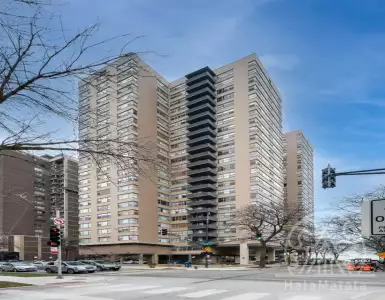
 7 285 171 $
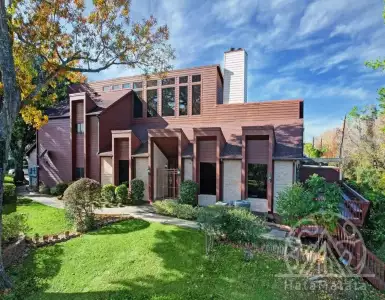 607 088 $
 1 517 776 $
 1 467 212 $
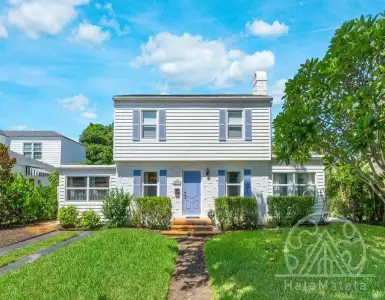 2 074 301 $
 Legal review:
Deni Gerikhanov, International Real Estate Lawyer
 Financial review:
Evgeniya Skripko, Financial Expert in International Real Estate
Reviewed:
🇺🇸 Chicago houses: bungalows, greystones, lakefront neighborhoods, Cook County taxes
Chicago stands tall as one of the most vibrant and diverse cities in the United States, known for its rich history, architectural marvels, thriving economy, and cultural significance. For those looking to buy a house in Chicago, the city presents a compelling landscape filled with opportunities. This guide provides insights into the city's characteristics, economic dynamics, housing market, and practical steps for purchasing property in one of America's most iconic urban centers.
🌆 Geography and Lifestyle in Chicago
Located along the southwestern shore of Lake Michigan, Chicago is geographically blessed. It boasts a varied landscape that combines urban elegance with green spaces. The city's unique neighborhoods each offer distinct lifestyles, catering to a range of preferences and needs. From the bustling atmosphere of downtown to the family-friendly suburbs, Chicago has something for everyone.
The climate in Chicago features four distinct seasons, which can influence housing preferences. Summers are warm, making outdoor entertaining enjoyable, while winters can be quite cold, prompting many to seek homes with appropriate heating and insulation. Additionally, the city's infrastructure, including its extensive public transport system, allows for easy connectivity and commuting, making it an attractive place for professionals and families.
The lifestyle supported by Chicago's housing market is vibrant, marked by a wide array of dining, entertainment, and cultural experiences. Areas such as Lincoln Park, Wicker Park, and the Loop are highly desirable for their urban flair, whereas suburban areas like Evanston and Oak Park attract families seeking more space and community amenities. Such factors substantially shape demand for houses across different districts, with young professionals often drawn to urban environments while families gravitate towards quieter suburbs.
💼 Chicago's Economic Landscape and Real Estate Market
Chicago's economy is robust and diversified, playing a key role in its housing market. With major industries ranging from finance and technology to healthcare and manufacturing, the city continually attracts an influx of talent and investment. This stable economic backdrop enhances the liquidity of the housing market, making investment in houses in Chicago a promising venture.
Tourism adds another layer to the economic vitality of Chicago, with millions of visitors flocking each year to experience its renowned attractions, such as Millennium Park and the Art Institute of Chicago. This influx not only supports local businesses but also creates a strong rental market. The housing demand from tourists can elevate property values, especially in well-located areas.
Moreover, Chicago's tax burden, although variable, remains competitive compared to other major cities. Property taxes are typically assessed at around 1.86% of the property's assessed value, which can impact potential buyers' financial decisions. Understanding these economic factors is crucial for anyone looking to buy a house in Chicago, as they help inform choices related to timing, pricing, and district selection.
💰 House Prices in Chicago: What to Expect
The average price of a house in Chicago tends to fluctuate based on location, type, and market conditions. Currently, the average price for residential houses hovers around $350,000, although this can vary significantly by neighborhood. For instance, homes in neighborhoods like the Gold Coast or Lincoln Park often exceed $1 million, whereas areas like Hermosa or Chatham may have homes available for under $250,000.
Here’s a breakdown of house prices by district:
- Lincoln Park: $800,000 - $1.5 million
- Gold Coast: $1 million - $3 million
- Bucktown: $600,000 - $1.1 million
- Bridgeport: $300,000 - $500,000
- Chatham: $200,000 - $350,000
Additionally, buyers can explore new developments in Chicago, which often come with modern amenities and sustainable building practices. Prices for new constructions can range broadly, typically starting at around $500,000 and reaching well into the multi-million dollar mark depending on the location and size. This range provides ample opportunity for various buyers, from families seeking a first home to investors looking for profitable properties.
🏙️ Best Districts to Buy a House in Chicago
When considering where to buy a house in Chicago, it is essential to evaluate various districts and their unique offerings.
-
Lincoln Park: This upscale neighborhood is known for its excellent schools, parks, and proximity to Lake Michigan. It appeals to families and professionals alike, with a vibrant community atmosphere. The rental demand here is robust, making it a sound investment.
-
Wicker Park: A trendy area popular among young professionals, Wicker Park is characterized by its artistic vibe, bustling nightlife, and chic boutiques. This dynamic offers excellent opportunities for both long-term residents and short-term Airbnb rentals.
-
Hyde Park: Home to the University of Chicago, Hyde Park boasts an intellectual charm combined with family-friendly amenities. It offers a lower price point compared to other desirable districts, making it attractive for those looking to buy a house as a foreigner in Chicago.
-
Rogers Park: Known for its diverse community and affordable housing options, Rogers Park attracts first-time buyers and investors. It also offers good public transport links and access to Lake Michigan.
-
Logan Square: An emerging hot spot with a mix of historic homes and new constructions, Logan Square appeals to millennials and families, thanks to its community vibe and local amenities.
Each of these districts comes with its advantages, making them excellent choices for various lifestyles and investment needs.
🏗️ Leading Developers and New Projects in Chicago
Several prominent developers have significantly contributed to Chicago's housing market, creating new developments that cater to diverse buyers. Noteworthy companies include:
-
Related Midwest: Known for luxurious developments like Lakeshore East, offering stunning views and top-notch amenities.
-
Sterling Bay: Focused on innovative projects such as Fulton Market, which combines living and working spaces with vibrant urban settings.
-
Hines: Their One Chicago project is set to transform the landscape, blending residential, commercial, and retail spaces seamlessly.
Each of these new projects features modern designs and sustainable practices. Buyers can expect competitive pricing, with developers often offering flexible payment terms, including mortgage in USA for foreigners options, which can significantly ease the purchasing process.
🏦 Mortgage and Installment Options for Foreign Buyers
Navigating the financing landscape is a crucial aspect when considering a purchase. Foreign buyers may find that securing a mortgage in Chicago can be relatively straightforward, but it does come with specific requirements.
The down payment for a house can range from 20% to 30% of the purchase price for non-residents. Interest rates fluctuate based on credit scores and financial history, typically ranging from 3% to 5%.
Additionally, some developers provide installment plans in Chicago, allowing buyers to pay in stages during the construction or renovation process. Payment schedules generally span from 12 to 24 months, depending on the agreement. This option can make it more feasible for foreign investors looking to minimize their initial financial commitment while securing their future residence.
⚖️ Understanding the Legal Process of Buying a House in Chicago
The process of buying a house in Chicago involves several key steps, all critical for ensuring a successful transaction. Prospective buyers should consider:
-
Selection and Reservation: Start by browsing listings based on desired criteria such as location, size, and property type. Once a prospective house is found, a reservation may be made, often requiring a small deposit.
-
Due Diligence: Conduct thorough research, including property inspections and verifying ownership. It is advisable to hire a competent real estate agent who can guide you through this process.
-
Contract and Payment: Upon satisfactory due diligence, a formal contract is drafted. This stage typically involves negotiations concerning price and terms, followed by an initial deposit (usually 5-10% of the sale price).
-
Registration: Once payment is made, the property title is registered with the appropriate local authority. This entails submitting necessary paperwork and paying associated fees.
Mandatory costs to consider include closing costs, title insurance, and potential property taxes.
Understanding local tax obligations is essential, as property taxes in Chicago can impact overall ownership costs. Generally, homeowners can expect an annual tax rate of approximately 1.86% of the property's assessed value.
📝 Legal Ownership Aspects of Houses in Chicago
Owning a house in Chicago entails understanding various legal obligations. Homeowners are subject to property taxes, which fund local services. Compliance with zoning laws is also critical, particularly if considering rental options.
Rental rules vary significantly, with Chicago instituting regulations that protect tenant rights. Buyers planning to generate rental income should familiarize themselves with these laws to ensure compliance and avoid penalties.
Additionally, purchasing a house does not automatically grant a residence permit or citizenship privileges. However, substantial investments in property may enhance one's visa options, thereby strengthening ties to the country.
🏡 Various Purposes for Buying a House in Chicago
Investing in a house in Chicago can cater to different needs, from personal use to investment strategies. Whether looking for a seasonal residence, family home, or premium segment property, Chicago's market offers a diverse range of options to meet these various goals.
-
For Living: Suburbs such as Evanston and Schaumburg are perfect for families seeking space and community.
-
For Investment: Areas like Wicker Park and Logan Square are ideal for investors looking to capitalize on the growing rental demand.
-
Relocation: Chicago's dynamic job market appeals to professionals relocating for work, and neighborhoods offering good commuting access become essential in this regard.
-
Rental Income: Districts with high tourist traffic, such as the Loop and River North, provide excellent opportunities for short-term rentals.
By identifying specific district advantages and aligning them with personal goals, potential buyers can navigate the Chicago housing market with confidence and clarity.
The dynamics of the housing market in Chicago position it as a prime destination for various kinds of buyers, offering an array of possibilities ranging from personal residences to lucrative investments. Understanding the unique offerings of the city ensures that buyers make informed choices, setting the stage for a successful purchase. Chicago promises not only to be a prime location for homeowners but also an enduring hub for ongoing economic activities and opportunities. The city’s continual evolution in terms of culture and infrastructure further solidifies its status as a sought-after destination for anyone looking to buy a house.