


Real Estate in Philadelphia
Real estate in Philadelphia for living, investment and residence permit
- ✓ Verified properties directly from developers
- ✓ No overpayments or commissions
- ✓ Guarantee of transaction purity and post-purchase support

International Real Estate Consultant
Need help choosing a property?
Leave a request and our manager will contact you.
International Real Estate Consultant
Hot Deals

For Sale Real Estate in Philadelphia
4 listings

 2
2
 2
2
 65
65
Magnificent individual villas, built with clean and modern design in a secure residential complex protected by video surveillance. Located in...
Submit Request
 6
3
168
6
3
168
This is a beautiful property in Polop, in a quiet secluded area, with stunning views! This well-presented property has its...
Submit Request
Hot Deals



Real estate in Philadelphia for living, investment and residence permit
- ✓ Verified properties directly from developers
- ✓ No overpayments or commissions
- ✓ Guarantee of transaction purity and post-purchase support
International Real Estate Consultant
 2
2
60
2
2
60
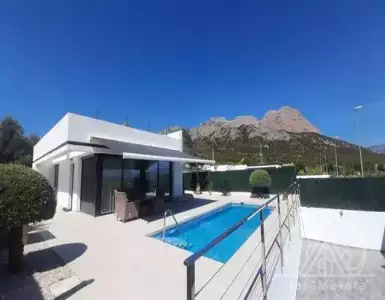
This modern two bedroom villa with private pool is located in a quiet residential area of picturesque Polop. This fully...
Submit Request
 6
3
180
6
3
180
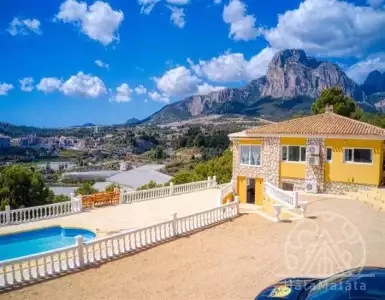
This beautiful property in Polop is located in a quiet and secluded area with stunning views! This well-presented property includes...
Submit Request
Recommended to see
 3
4
220
3
4
220
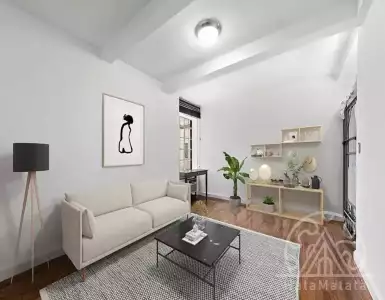
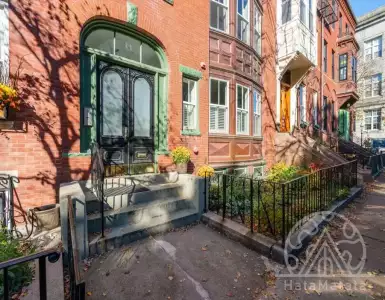
Maison Commonwealth is a boutique complex of 5 apartments, consisting of two combined brownstones and a brand new building overlooking...
Submit Request
 2
3
178
2
3
178
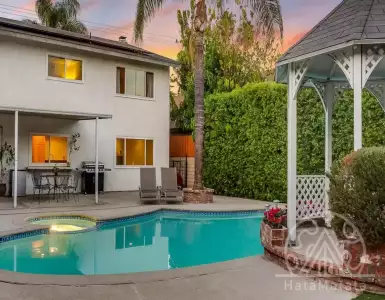
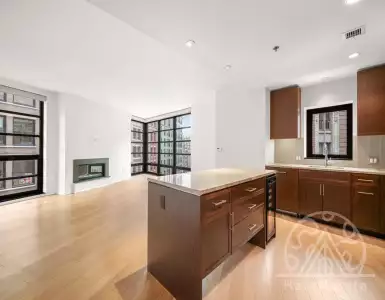
Located on Monument Square in a beautiful brick townhouse, this elegant three-story condominium offers two bedrooms and three bathrooms, as...
Submit Request
 3
2
158
3
2
158
Rare 3-bedroom home at Millennium Place in the heart of Boston offers additional amenities such as on-site valet parking. This...
Submit Request
 4
5
286
4
5
286
Maison Commonwealth is a boutique complex of five apartments, consisting of two combined brownstones and a brand new building facing...
Submit Request
 3
2
170
3
2
170
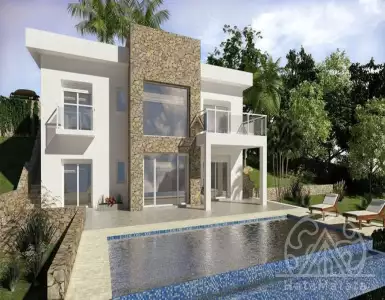
Project for sale on a 1200 m2 plot, designed for the year 2024, new construction of 170 m2 housing, beautiful...
Submit Request
 4
4
368
4
4
368
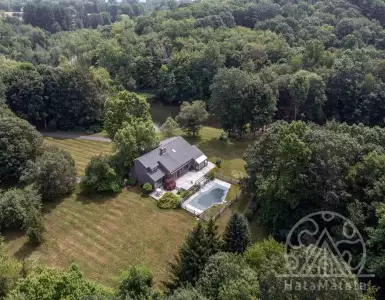
25+ gorgeous Washington acres with a contemporary home with southwest views, heated pool and aeration pond in a magical location...
Submit Request
 3
2
143
3
2
143
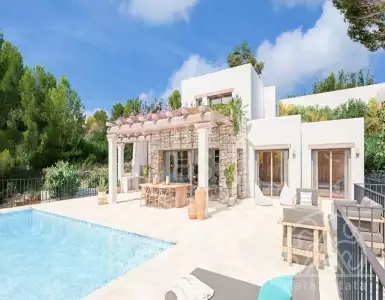
Welcome to a world where architectural beauty meets the tranquility of nature. This Ibiza-style villa project, located in the prestigious...
Submit Request
 6
5
427
6
5
427
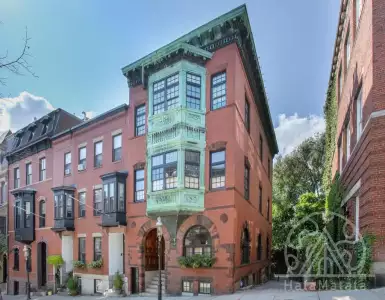
Located at the top of Monument Avenue, this architecturally significant 6+BR-4.5BA single family home embodies timeless classic style with modern...
Submit Request
 4
4
350
4
4
350
Located in the tranquil embrace of the Comet natural reserve, this magnificent villa on a one-hectare plot offers breathtaking views...
Submit Request
 4
6
725
4
6
725
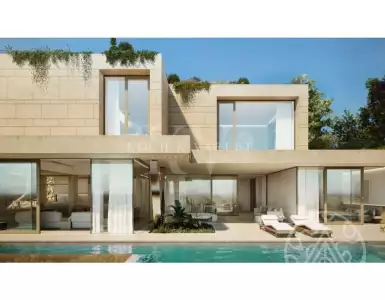
In the exclusive enclave of Residencial La Sella Golf, located between the charming towns of Denia and Javea, lies the...
Submit Request
 5
8
911
5
8
911
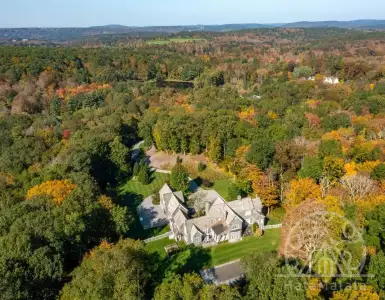
Stone Bridge. Classic country estate with modern amenities. Impeccable stone and tile home situated on 24.9+ private bucolic acres in...
Submit Request
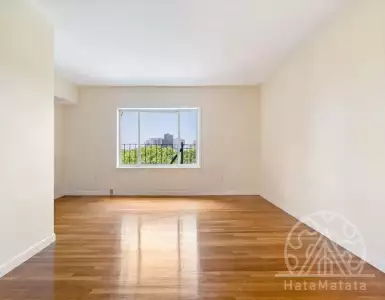 1
2
95
1
2
95
Presenting an opportunity to develop this Beacon Street home. Ideally located between Dartmouth and Exeter Street, this two-story building consists...
Submit Request

Real Estate in Philadelphia
Real estate in Philadelphia for living, investment and residence permit
- ✓ Verified properties directly from developers
- ✓ No overpayments or commissions
- ✓ Guarantee of transaction purity and post-purchase support
International Real Estate Consultant
Need help choosing a property?
Leave a request and our manager will contact you.
International Real Estate Consultant
Need help choosing real estate in Philadelphia?
Leave a request and we will select the 3 best options for your budget
!
Other Properties for sale in Boston, USA 7 681 650 $
Maison Commonwealth is a boutique complex of 5 apartments, consisting of two combined brownstones and a brand new building overlooking...
!
Flat for sale in Boston, USA 1 705 964 $
Located on Monument Square in a beautiful brick townhouse, this elegant three-story condominium offers two bedrooms and three bathrooms, as...
🇺🇸 Philadelphia real estate listings, neighborhood profiles and US regional market data
Philadelphia is a city of neighborhoods where American history meets a modern urban rebound, and for buyers — from first-time homeowners to institutional investors — the market offers diverse opportunities. Known for its compact center, strong universities, medical and life-science clusters, and an affordable price point relative to New York and Boston, Philadelphia combines urban amenities with attainable entry prices. The local climate features warm summers and cold winters with seasonal snow, while riverside parks, waterfront trails along the Schuylkill and Delaware, and quick access to nearby shorelines make outdoor living practical for residents. Property in Philadelphia attracts buyers seeking rental income, long-term capital growth, downsizing options, or second-home lifestyle upgrades.
💫 City lifestyle and living in Philadelphia with real estate opportunities
Philadelphia balances a walkable, transit-linked downtown with distinct neighborhood identities and an active cultural scene. Residents enjoy world-class museums like the Philadelphia Museum of Art, performance venues such as the Kimmel Center, and food corridors ranging from Reading Terminal Market to innovative restaurants in Fishtown and East Passyunk. Real estate in Philadelphia benefits from this cultural backbone, which supports steady rental demand and lifestyle-driven sales.
Neighborhood variety translates into lifestyle choices: Center City and Rittenhouse offer high-rise living and luxury condos within walking distance of offices and nightlife, University City caters to students, faculty and medical professionals with steady leasing markets, while Chestnut Hill and Mount Airy provide suburban-style streets and larger single-family homes. Buyers looking to buy property in Philadelphia for short-term lifestyle use often gravitate to neighborhoods near historic districts or waterfront trails.
The Philadelphia region’s cost of living and housing affordability are frequently cited in relocation decisions. Compared with other major East Coast metros, buyers can achieve larger living spaces and higher yields: typical resale property sizes range from compact studios of 350–600 sq ft to rowhouses and townhouses of 1,200–2,500 sq ft, making the city attractive for both owner-occupiers and investors seeking diversity in property formats.
🎯 Which district of Philadelphia to choose for buying property in Philadelphia
Center City and Rittenhouse Square are the urban cores for premium real estate and cash-flow opportunities through furnished rentals. Center City offers skyscraper condos, historic brownstones, and proximity to corporate offices along Market Street and the Avenue of the Arts. Safety and services are high, building density is intense, and buyer profiles range from executives to high-net-worth individuals.
University City and Powelton Village anchor the West side with a strong institutional demand from the University of Pennsylvania and Drexel University. Infrastructure includes medical campuses (Penn Medicine, CHOP) and research buildings, which drive consistent rental demand. Typical buyers here include investors aiming for student and young-professional leases, as well as families seeking proximity to schools and green space.
Fishtown, Northern Liberties, South Philadelphia, Manayunk and Chestnut Hill each serve distinct buyer needs and show varied development dynamics:
- Fishtown / Northern Liberties: trendy restaurants, art scene, new-build condos and adaptive-reuse lofts; popular with millennials and creative professionals.
- South Philadelphia: rowhouses, sports and entertainment venues (Lincoln Financial Field, Citizens Bank Park), family-oriented neighborhoods and strong resale market.
- Manayunk: hilltop charm with townhouses, commuter rail access to Center City, attractive for buyers seeking more space.
- Chestnut Hill / Mount Airy: leafy streets, larger lots, boutique shopping; appeals to families and buyers seeking a suburban feel inside city limits.
💶 Property prices in Philadelphia and market overview
Philadelphia’s market remains more affordable than many Northeast coastal cities, but prices vary widely by district and property type. Broadly, price bands look like this:
- Center City / Rittenhouse: $400,000–$1,500,000+ for condos and brownstones; luxury penthouses exceed these bands.
- University City / Cira Centre corridor: $350,000–$900,000 for condos and townhomes.
- Fishtown / Northern Liberties: $300,000–$800,000 for lofts, condos, and renovated rowhouses.
- South Philadelphia / West Philadelphia: $200,000–$550,000 for townhouses and family homes.
- Chestnut Hill / Manayunk: $350,000–$900,000 for single-family homes and historic properties.
Price by property type:
- Studio / 1BR condos: $150,000–$450,000 (350–900 sq ft)
- 2–3BR apartments / condos: $300,000–$800,000 (900–1,800 sq ft)
- Townhouses and rowhomes: $250,000–$1,000,000+ (1,200–2,500+ sq ft)
- Multifamily investment buildings: pricing per unit and cap rates vary; small 4–8 unit buildings commonly trade in the $400,000–$3,000,000 range depending on location
Average price per square foot in urban neighborhoods typically runs $250–$500/sq ft in premium Center City pockets and $150–$300/sq ft in emerging neighborhoods. Recent price dynamics have shown steady appreciation driven by job growth in healthcare, education and life sciences, with stronger gains in transit-accessible districts and near major redevelopment corridors like Schuylkill Yards.
🚆 Transport and connectivity in Philadelphia for property buyers
Philadelphia’s transportation network supports strong commuter patterns: SEPTA operates regional rail, subway (Market-Frankford Line and Broad Street Line), trolleys and bus networks across the city. Average travel times are competitive: downtown-to-University City is often a 10–15 minute subway or trolley ride, while commutes to the Navy Yard or South Philadelphia stadium areas are typically under 25 minutes by car or transit.
Key connectivity notes for buyers:
- Amtrak and SEPTA Regional Rail hubs at 30th Street Station and Suburban Station connect Philadelphia to New York, Washington, and surrounding suburbs.
- I‑95 and I‑76 provide highway access; average drive to Center City from the Philadelphia International Airport is around 20–30 minutes depending on traffic.
- Bicycle and pedestrian infrastructure is improving along the Schuylkill River Trail and Delaware waterfront, boosting the appeal of riverfront condos and townhomes.
For investment property in Philadelphia, transit proximity correlates strongly with rental demand and rent premiums, especially near University City, Center City and transit-served nodes.
🏥 Infrastructure and amenities near real estate in Philadelphia
Philadelphia benefits from a dense network of healthcare, education and cultural institutions that underpin stable demand for housing. Major facilities include Penn Medicine, Thomas Jefferson University Hospital, Children’s Hospital of Philadelphia (CHOP), and several specialty centers that are major local employers. Educational anchors include the University of Pennsylvania, Drexel University, Temple University and a cluster of high-quality private and charter schools.
Shopping, parks and leisure assets relevant to buyers:
- Reading Terminal Market, The Shops at Liberty Place, and East Market for retail and dining.
- Fairmount Park and the Schuylkill Banks for large green spaces and recreational trails.
- The Navy Yard and Schuylkill Yards as emerging mixed-use hubs with new office, amenity and eventual residential capacity.
Buyers focused on long-term rental or lifestyle purchases should map properties against local schools, hospital campuses and transit lines because these elements materially affect both occupancy rates and resale value.
💼 Economic environment and real estate investment in Philadelphia
Philadelphia’s economy is anchored by healthcare, higher education, finance, technology and a growing life-science sector. Large employers include the University of Pennsylvania, Jefferson Health, Comcast (with its major downtown campus), and the pharmaceutical and biotech clusters around Schuylkill Yards and University City. Tourism and conventions also contribute to short-term demand for hospitality and short-stay rentals.
Investment indicators:
- Office-to-mixed-use conversions and life-science lab space demand have driven adaptive reuse projects in several neighborhoods.
- Job growth in healthcare and education provides steady tenant pools for rental apartments and multifamily investments.
- Port and logistics activity along the Delaware River supports industrial and last-mile warehouse demand in adjacent neighborhoods.
For real estate investment in Philadelphia, these structural economic drivers create opportunities for both stable income and capital appreciation, particularly for properties near employment nodes.
🏘️ Housing types and new developments in Philadelphia
Philadelphia offers a spectrum of property formats: historic brownstones and rowhouses, new condominium towers, loft conversions in former factories, townhouses, and multifamily apartment buildings. New developments in Philadelphia range from boutique condominium projects in Center City to larger master-planned parcels at The Navy Yard and Schuylkill Yards.
Differences between new-build and resale:
- New build property in Philadelphia often includes modern amenities, warranties and structured financing or installment options from developers, but premiums per sq ft are higher.
- Resale property in older neighborhoods like South Philadelphia or Fishtown typically offers value-add potential through renovations, higher gross yields and established rental histories.
- Off-plan property in Philadelphia is available in some master-planned developments and may appeal to investors seeking staged payments or early pricing.
Typical unit sizes and layouts vary by format: luxury condos may start at 700 sq ft for a one-bedroom and exceed 2,500 sq ft for penthouses; rowhouses commonly provide 1,400–2,200 sq ft across three-plus floors.
🏗️ Developers and major projects for real estate in Philadelphia
Philadelphia’s pipeline is supported by established developers and large-scale urban projects that reshape neighborhoods. Notable developers and organizations active in the region include:
- Brandywine Realty Trust (major office and mixed-use developer, lead on Schuylkill Yards)
- Dranoff Properties (known for downtown residential towers and quality finishes)
- Post Brothers (urban residential conversions and multifamily projects)
- Toll Brothers City Living (luxury residential projects)
- Pennrose (affordable and mixed-income housing developments)
- Ironstate Development (urban redevelopment and loft conversions)
Major redevelopment projects and nodes:
- Schuylkill Yards: a large mixed-use redevelopment that will increase office, lab and residential stock along the Schuylkill riverfront.
- The Navy Yard: corporate campus with growing residential and amenity offerings near the river.
- Cira Centre / FMC Tower area in University City: significant for proximity to Penn, Drexel and life-science research.
Buyers assessing developers should review track records, warranty provisions, local permitting history and existing tenant performance for comparable projects.
💳 Mortgage, financing, and installment options for buying property in Philadelphia
Financing for buyers in Philadelphia mirrors general U.S. mortgage practices but with special considerations for foreign purchasers. Typical options and conditions include:
- Conventional mortgages: Domestic buyers often secure 20% down payment options; foreign buyers should expect down payments of 25–35% or more, depending on lender risk policies.
- Loan terms: Commonly available up to 30 years for fixed-rate mortgages; adjustable-rate mortgages and portfolio loans may also be options.
- Interest rates: Rates fluctuate with national markets; foreign buyers can expect slightly higher spreads from some lenders.
Developer financing and installment plans:
- New developments and off-plan property in Philadelphia sometimes come with installment plan options during the construction phase—structured deposits and staged payments held in escrow.
- Some developers provide short-term construction-stage financing or incentives for buyers to secure purchases with smaller immediate deposits.
Practical lender notes: FHA loans and certain federally insured programs may not be accessible to non-resident foreign buyers; buyers should consult banks that routinely finance international clients and prepare documentation such as passport, tax returns, and proof of assets. Property in Philadelphia with mortgage or property in Philadelphia with installment plan are both practical routes when structured correctly.
📝 How to buy property in Philadelphia as a foreign buyer
The purchase process follows a clear sequence with local legal and financial milestones. Typical steps include:
- Property search and offer: Engage a licensed real estate agent, make a written offer and submit earnest money (escrow deposit).
- Contract and due diligence: Execute a purchase agreement, order inspections, and secure a title search and survey.
- Financing and appraisal: Obtain mortgage commitment, lender appraisal, and finalize loan underwriting.
Closing and payment specifics:
- Closings are handled through escrow/title companies; typical payment methods include wire transfers to escrow accounts, certified funds, and lender disbursements.
- Foreign buyers may be required to obtain an Individual Taxpayer Identification Number (ITIN) for tax reporting and closing documentation; cash buyers close faster and can often achieve better negotiating leverage.
Buyers should work with a local attorney or closing agent familiar with Philadelphia property law, a qualified lender, and an experienced real estate agent to navigate zoning nuances and neighborhood covenants.
⚖️ Legal rules for real estate in Philadelphia and residence implications
Foreign nationals are permitted to buy property in Philadelphia without residency restrictions; property ownership does not by itself create immigration status. For residence options, buyers commonly explore:
- EB-5 investor visa: requires a large qualifying investment in a commercial enterprise that creates jobs and meets program criteria.
- E-2 Treaty Investor visa: available to nationals of treaty countries who make substantial investments in an operating U.S. business (passive real estate investments usually do not qualify).
Tax and compliance considerations:
- Property tax and transfer taxes are levied at purchase and annually; buyers should budget for transfer tax at closing and ongoing property taxes and insurance.
- Rental income is taxable in the U.S.; non-resident owners must file federal tax returns and may be subject to withholding unless proper structures are in place.
- Title insurance and clear title are critical—Philadelphia uses a formal title search and recording process to protect buyers.
Consulting a U.S. immigration attorney and a tax advisor is essential for foreign buyers who intend to use real estate to facilitate longer-term relocation plans.
📈 Investment property in Philadelphia use cases and strategies
Different strategies match different neighborhoods and property types. Examples by use case:
- Long-term rental for steady income:
- University City, West Philadelphia, and parts of South Philadelphia
- Property types: multi-unit buildings, 2–3BR apartments, townhouses
- Rationale: consistent tenant pool from universities and hospitals, moderate renovation requirements
- Short-term and furnished rentals:
- Center City, Rittenhouse Square, Old City, near sports venues
- Property types: luxury condos, boutique apartments
- Rationale: tourism and business travel demand; be mindful of local short-term rental regulations and registration requirements
- Value-add investment and flipping:
- Fishtown, Northern Liberties, South Philadelphia
- Property types: rowhouses, older multifamily properties ripe for renovation
- Rationale: renovation-driven ROI and neighborhood gentrification trends
- Premium lifestyle purchases and second homes:
- Rittenhouse Square, Society Hill, Waterfront condos near the Delaware
- Property types: high-end condos, brownstones
- Rationale: lifestyle, prestige and low maintenance living
Typical ROI expectations vary by strategy; gross rental yields in urban neighborhoods commonly fall in the 5–8% range, while value-add projects can produce higher returns when executed with strong cost controls.
Philadelphia’s diversity of neighborhoods, established institutions and improving infrastructure make it a pragmatic market for a wide range of buyers. Whether you are seeking a long-term rental portfolio, a city pied-à-terre, or new developments with installment options, aligning property type, neighborhood and financing strategy is the route to a successful acquisition and long-term real estate investment in Philadelphia.
Frequently Asked Questions
Philadelphia prices vary by housing type and neighborhood. Typical ranges: condos/downtown units $200,000–$500,000; rowhouses/older townhomes $150,000–400,000; suburban-style single-family homes $250,000–600,000; high-end/luxury above $1,000,000. Median-citywide sales generally fall within $200k–$300k. Expect price spreads of 2x–5x between entry and premium neighborhoods.
Yes — there is no general ban on non‑US citizens owning property in Philadelphia. Practical points: mortgages often require 20–30% down for non‑residents, an ITIN is useful, and FIRPTA tax rules can trigger withholding on future sales (commonly up to 15%). Foreign buyers should plan for US income/estate tax exposure and hire a US tax attorney or accountant.
Philadelphia offers steady rental demand from universities, hospitals and professionals. Typical gross rental yields run roughly 5%–8% citywide, with higher pockets (8%–12%) in lower-cost neighborhoods. Liquidity is moderate—well-priced homes often sell in 1–6 months. Seasonality is mild; student move months and summer see higher turnover. Factor property management and vacancy (5%–10%) into returns.
Budget closing costs of about 2%–5% of purchase price for a typical buyer (inspections, title insurance, recording fees, attorney). Annual property taxes commonly fall in a range roughly equivalent to 0.8%–1.5% of assessed value (varies by assessment and exemptions). Expect a standard closing timeline of 30–60 days; seller/buyer can negotiate transfer tax allocation.
Yes. Broadband and mobile coverage are widely available with common speeds 100+ Mbps in many neighborhoods. City has cafes, coworking spaces and affordable monthly furnished rents (studios often $1,200–2,000/month). Good public transit and walkable neighborhoods support long stays. Note US visa rules: many nationals use ESTA for up to 90 days; longer remote work requires the appropriate visa.
Match goal to area: living/families — Chestnut Hill or Mount Airy (detached/school focus) with prices $300k–700k; city lifestyle — Center City or Rittenhouse (condos $250k–800k); rental demand/income — University City, Fishtown, South Philly (strong student/young-professional demand); value/investment risk — North Philly/Kensington offer higher yields but more management and rehab work.
Short‑term rentals are allowed but regulated. Hosts must register with the city, collect applicable hotel/sales taxes, and comply with zoning and building rules; some multi‑unit buildings or HOAs restrict listings. Noncompliance can lead to fines and removal. Registration and compliance timelines vary but plan weeks to a few months to secure permits and tax accounts.
Off‑plan risks include construction delays, developer insolvency, cost overruns, and differences between plans and finished product. Typical deposit structures vary but initial deposits can be 5%–20%. Seek escrow protections, clear completion timelines (often 12–36 months), performance guarantees or insurance, independent inspections at handover, and an attorney review of the contract before signing.
Verify licensing and track record: review past completed projects, request references, check for liens or litigation, and inspect finished units. Confirm escrowed buyer deposits, warranty terms, certificate of occupancy process, and insurance. Have an independent attorney perform title and contract review. These checks typically take 2–4 weeks but are essential before committing deposit funds.
Investment purchases usually need higher down payments (15%–25%), different loan rates and landlord insurance, and factor operating costs (property management, maintenance, vacancy 5%–10%). Tax treatment differs: rental income is taxable but you can claim expenses and depreciation; owner‑occupied buyers may access homestead exemptions and different mortgage programs. Decide by modeling net yield vs. personal utility.
Property by cities
Properties by Region
Services in Philadelphia
Properties by Country
- Real estate in Bulgaria (11408)
- Real estate in Montenegro (5370)
- Real estate in Indonesia (2423)
- Real estate in Spain (2289)
- Real estate in Portugal (1975)
- Real estate in Italy (1900)
- Real estate in Turkey (1699)
- Real estate in Cyprus (1592)
- Real estate in Thailand (1565)
- Real estate in Croatia (1431)
- Real estate in Greece (1082)
- Real estate in USA (1013)
- Real estate in France (1006)
- Real estate in Georgia (519)
- Real estate in Serbia (328)
- Real estate in Slovenia (123)
- Real estate in Egypt (23)
Get the advice of a real estate expert in Philadelphia — within 1 hour
Looking for a property in Philadelphia? Leave a request — we will help you take into account all the nuances, and we will offer objects according to your personal request.

Maria Guven
Head of Direct Sales Department
+90-507-705-8082