


Seattle Housing Shifts Give Buyers More Choice — What Investors and Expats Should Know

Seattle’s January opening: more supply, slower sales, real choices for buyers
If you follow the real estate USA market, Seattle has quietly moved from a seller-dominant sprint into a more measured market where buyers can find leverage. The latest Realtor.com Monthly Housing Report shows a big increase in available properties in the Seattle–Tacoma–Bellevue metro area, and that change is already reshaping negotiations, time to close, and the types of homes circulating near the $400,000 search price.
This is not a sudden collapse; pricing remains steady. But buyers who know how to act — and what to prioritize — can use the shift to get better terms or more space for their money. In this report we parse the hard numbers, explain how that affects different buyer profiles, describe the types of properties you can expect around $400k, and give tactical advice for investors and international buyers who want to move quickly and sensibly.
Metro snapshot: supply rises while prices hold
Realtor.com’s data is specific and instructive for anyone watching Seattle real estate.
- Active listings in the Seattle–Tacoma–Bellevue metro are up 32.5% year-over-year, a dramatic jump in choice. This enlarges the pool of homes available across price bands.
- Median list price sits at $730,000, a 0.6% year-over-year increase, so headline prices are essentially stable.
- Median list price per square foot declined by 0.2%, which means buyers get marginally better value for each dollar spent on space.
- Median days on market rose by 15 days, an important tempo change that gives buyers more negotiation room and planning time.
- Price-reduced share climbed to 12.8%, up one percentage point — sellers are increasingly willing to drop price to get deals done.
Those numbers matter because they change bargaining geometry. When inventory shoots up by a third, sellers who priced aggressively or expected multiple offers have to adapt. The market is moving toward balance, where competitive bidding still happens on standout homes but many listings do not draw multiple escalation clauses.
How to read the shifts
An increase in active listings with stable median pricing suggests supply growth is being absorbed without large downward pressure on list prices. The small decline in price per square foot is a sign that buyers can sometimes buy more space for similar money. Longer days on market and a rising share of price reductions indicate sellers are more prepared to negotiate. For buyers this translates into concrete opportunities: earnest money can be more modest, contingencies are more likely to be accepted, and inspection negotiation has more hold.
What this means for buyers and first-time homeowners
We think the current environment is favorable for several buyer profiles, provided they prepare and move with purpose.
- Homeowners trading up: More listings mean more match candidates. If you need to sell and buy, the slower pace and additional inventory reduce the pressure to accept a below-market offer.
- First-time buyers: The Seattle median price remains above many budgets, but the market now supports realistic searches around $400,000 for condos and smaller attached homes.
- Downsizers and retirees: Longer market times make it easier to plan logistics, coordinate moving timelines, and price your own sale more deliberately.
Practical buyer actions we recommend:
- Get mortgage pre-approval, not just prequalification. Lenders now ask more documentation; sellers value certainty.
- Lock a local broker who knows micro-markets; Seattle is collection of neighborhoods with very different product, from dense urban condos to owner-occupied townhomes.
- Set clear trade-offs: do you want commute time under 30 minutes, access to transit, or a certain school district? Inventory is up but choices narrow quickly in pockets.
- Use contingencies wisely. With more time on market, sellers accept inspection and appraisal contingencies more often than during peak frenzy.
Where to look if your budget is around $400,000
The metro’s $730,000 median price puts single-family homes out of reach for many, but the report highlights viable options around $400,000. These tend to be:
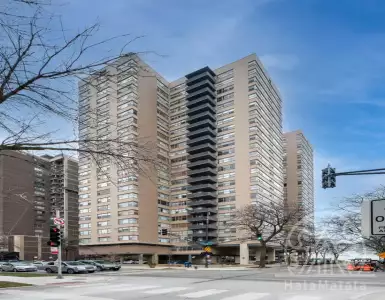
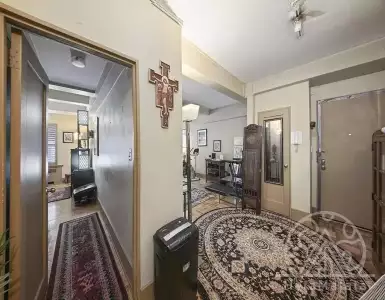
- Classic condominiums with urban views, often smaller two-bedroom units in older mid-rise buildings near downtown.
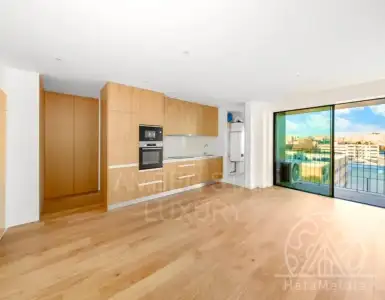
- Modern townhomes in walkable neighborhoods, typically offering two or three levels and lower maintenance than single-family homes.
Examples listed in the report that illustrate the type of inventory available across the metro include:
- 530 4th Ave W Apt 108, Seattle, WA 98119 — a condo-style example in the city.
- 1414 154th Ave NE Unit 4606, Bellevue, WA 98007 — a Bellevue unit demonstrating cross-market inventory.
- 861 S 72nd St, Tacoma, WA 98408 and 8401 S Park Ave, Tacoma, WA 98444 — Tacoma listings showing lower-cost entry points within the metro.
- 47801 S K St, Tacoma, WA 98408 — additional Tacoma inventory in the sample roster.
Neighborhood guidance for buyers near $400k:
- Central Seattle condos: Best for buyers who prioritize transit, nightlife, and short walks to work. Expect smaller floorplates and HOA fees.
- South Seattle and Tacoma: Better entry-point pricing, more square footage, and stronger prospects for renovation upside.
- Bellevue outskirts and Eastside fringe: Occasional condo finds near $400k; proximity to tech jobs is a premium.
Be aware of typical trade-offs at this price: older buildings with higher HOA fees, limited parking, or smaller bedrooms are common. But with inventory up, you can be choosier about condition and fees.
Investor perspective: where opportunity and risk meet
Investors should treat the current moment as a re-balancing period rather than a buy-everything chance. The data shows a modest cooling across the West region that has implications for yield-minded buyers.
Key regional figures from Realtor.com to keep in mind:
- Active listings across the West are up 12.2% year-over-year.
- Regional median list price is $572,500, down 2.1% year-over-year.
- Price per square foot dropped by 1.5%.
- Homes are staying on the market a median of six more days, and price-reduced share sits at 16.0%.
These numbers mean:
- Purchase opportunities may be more frequent, but cap rates and rents have to be calculated against local market demand and occupancy. Do not assume aggressive appreciation will cover a poor yield.
- For buy-to-rent strategies, focus on neighborhoods with steady rental demand, near transit or employment nodes. Units priced near $400k that command strong rents can be attractive if financing is structured with conservative stress tests.
- Fix-and-flip risk is higher in segments with rising days on market and elevated price reductions; renovation timelines and carrying costs must be conservative.
Investor tactical checklist:
- Run rent comparables, not just sale comparables, and stress-test vacancy at higher rates than historical averages.
- Budget for HOA reserves and special assessments when buying condos; these can erode yields.
- Consider smaller multifamily in Tacoma or South Seattle if you need scale; demand for rentals remains strong among workers priced out of ownership.
How to negotiate and close in the current Seattle market
The market is less rushed, which changes how buyers should approach offers and inspections.
Negotiation tips for buyers:
- Open with a clean offer but include contingencies you need. Sellers showing signs of flexibility are willing to accept inspection or appraisal contingencies now.
- Ask about seller concessions such as closing costs or pre-inspection credits; price-reduced listings may be open to other concessions.
- Use the longer days on market to schedule inspections that probe deferred maintenance; older condos can have plumbing or envelope issues.
- If competing with other offers, consider non-price terms that matter: faster close, flexible possession dates, or a larger earnest deposit to signal seriousness.
Financing and timelines:
- Mortgage underwriting remains stringent.




Risks and what could change the picture
We are seeing a more balanced market, not a crash. Buyers and investors should watch these risk factors:
- Local employment shifts: Seattle’s market is closely tied to tech and related sectors; a downturn in hiring or layoffs at large employers could increase inventory again.
- Interest rate volatility: Higher rates reduce purchasing power. If rates move sharply up, buyer demand could cool further and pressure prices.
- Supply dynamics: The 32.5% rise in active listings is large; if supply growth continues while demand weakens, price reductions will accelerate.
Mitigate risk by keeping offer deadlines realistic, avoiding speculative stretch-buys, and maintaining reserve funds for unexpected repairs or higher mortgage payments.
Comparison with the wider Western region
Seattle’s movements echo a broader correction across the West, but with local nuances.
- The West saw a 12.2% increase in active listings and median list price down 2.1% to $572,500. That contrasts with Seattle, where median list price is stable at $730,000.
- Price-per-square-foot declines are larger regionally (1.5% West vs 0.2% Seattle), suggesting Seattle’s core urban market retains more support for per-foot valuations.
- The West’s price-reduced share of 16.0% is higher than Seattle’s 12.8%, which means more aggressive reductions are occurring outside the metro.
For investors and buyers, the takeaway is that local market knowledge trumps broad regional averages. Seattle’s supply surge is acute, but price durability indicates persistent demand in certain neighborhoods.
Frequently Asked Questions
Q: Is now a good time to buy property in the USA, specifically in Seattle? A: The current Seattle data points to more choice and more negotiating power for buyers. Active listings are up 32.5%, median list price is steady at $730,000, and median days on market increased by 15 days. If you are pre-approved and selective, this is a buyer-friendly window, but proceed with standard due diligence.
Q: Can I find a home near $400,000 in the Seattle metro? A: Yes. The market still lists condos and some townhomes around $400,000, particularly in central condo stock and in Tacoma or fringe Bellevue locations. Expect smaller footprints or units in older buildings; examples in the report include addresses in Seattle, Bellevue, and Tacoma.
Q: How should investors adjust expectations with rising inventory? A: Higher inventory reduces upward price pressure and can extend holding periods for flips. For buy-to-rent, focus on neighborhoods with steady rental demand and verify HOA exposure. Run conservative rent and vacancy scenarios.
Q: What negotiation levers are available given longer days on market? A: Buyers can press for inspection and appraisal contingencies, request seller credits for repairs or closing costs, and time offers to match seller urgency. The increase in price-reduced listings to 12.8% indicates sellers are more likely to accept concessions.
Bottom line and practical takeaway
The Seattle metro market is no longer moving at breakneck speed. Inventory has increased significantly — active listings up 32.5% year-over-year — while headline pricing remains stable at $730,000. That combination produces opportunity and choice for buyers who are prepared: pre-approved, locally informed, and ready to negotiate. For investors the environment calls for discipline; rising listings and longer market times demand conservative underwriting and neighborhood-level research.
If you are searching near $400,000, expect to find condos and townhomes that require trade-offs on size or building age but offer access to urban amenities and long-term value. Remember the concrete signals from the report: price per square foot is down 0.2%, price-reduced share is 12.8%, and median days on market rose by 15 days — all signs that a sensible, well-documented offer stands a better chance than it did a year ago.
We will find property in USA for you
- 🔸 Reliable new buildings and ready-made apartments
- 🔸 Without commissions and intermediaries
- 🔸 Online display and remote transaction

International Real Estate Consultant

Subscribe to the newsletter from Hatamatata.com!
Subscribe to the newsletter from Hatamatata.com!
Popular Posts

We will find property in USA for you
- 🔸 Reliable new buildings and ready-made apartments
- 🔸 Without commissions and intermediaries
- 🔸 Online display and remote transaction
International Real Estate Consultant

Subscribe to the newsletter from Hatamatata.com!
Subscribe to the newsletter from Hatamatata.com!
I agree to the processing of personal data and confidentiality rules of HatamatataPopular Offers

 1
1
 0
0
 2
2
80
2
2
80
 4
4
166
4
4
166
Need advice on your situation?
Get a free consultation on purchasing real estate overseas. We’ll discuss your goals, suggest the best strategies and countries, and explain how to complete the purchase step by step. You’ll get clear answers to all your questions about buying, investing, and relocating abroad.



Sales Director, HataMatata