Frequently Asked Questions
How much do properties cost in Malatia?
Resale apartment prices in Malatia typically range from $800–1,500 per m². Expect 1‑bed flats around $45,000–120,000, central seafront units $120,000–350,000, and detached villas $150,000–600,000. New-build prices align with upper ranges. Smaller lifestyle apartments sell at the lower end; seafront and turnkey properties command premiums. Prices vary by exact location and finish level.
Can foreigners buy real estate in Malatia?
Foreign nationals can buy property in Malatia but must follow local title and approval rules. Expect an ownership application and land registry checks; some parcels need additional government permission or clearance of prior claims. Use a local lawyer to confirm clean title (tapu) and any historical ownership issues. Approval timelines are typically several weeks to a few months depending on the file.
Is Malatia good for rental investment?
Malatia shows steady seasonal rental demand—strong in summer months, quieter off‑season. Typical gross yields: long‑term rentals around 4–7%; short‑term holiday lets can reach 6–12% in peak season with occupancy swings (40–80%). Liquidity is moderate: well‑located seafront or central units sell faster. Factor in seasonality and higher management costs for short lets.
What is living in Malatia like for families?
Malatia offers compact city living with basic healthcare clinics and access to larger hospitals within 30–60 km. Expect local primary schools and a few private/international options nearby; major education and specialist healthcare require short travel. Public transport and road links are adequate for daily needs. Monthly living costs for a small family typically run $900–1,800 depending on lifestyle.
Is Malatia suitable for digital nomads?
Yes—Malatia can work for remote workers: many buildings have broadband or fibre with typical speeds 50–200 Mbps, affordable rents ($400–900/month for one‑bed), and a relaxed lifestyle. Coworking options are limited, so many rely on cafés or home offices. Visa/entry durations depend on nationality; property owners can often apply for local residence permits—confirm specifics before long stays.
What taxes and fees when buying in Malatia?
Buyers should budget transfer taxes and fees of roughly 3–6% of purchase price, legal fees commonly 1–2%, and registration/administration costs $200–1,000. New builds may carry additional VAT or municipal levies. Annual holding costs include utilities, local council charges and property tax (typically modest). Factor in 2–5% of price for one‑off transaction costs plus ongoing yearly expenses.
Which Malatia areas are best for living or investing?
For holiday rentals, the seafront promenade and beachfront quarters attract tourists and higher nightly rates. For family living, central residential districts near schools and markets offer convenience and steadier long‑term demand. For capital growth and lower entry prices, newer suburban developments and areas near transport links provide value. Match area choice to goal: occupancy vs stability vs growth potential.
Are short‑term rentals allowed in Malatia?
Short‑term lets are common but regulated: many properties must meet safety standards and obtain a municipal permit or registration for tourist accommodation. Expect seasonal peaks in summer with occupancy 60–90% and low winter demand 20–40%. Local rules can restrict short lets in certain buildings or zones and require payment of tourist levies—confirm municipal requirements before listing.
What are risks buying off‑plan in Malatia?
Off‑plan risks include construction delays (commonly 6–24 months), incomplete finishes, insolvency, and title issuance problems. Protect buyers by insisting on a phased payment schedule, independent escrow or bank guarantees, clear completion clauses and penalties, and contract clauses for refunds. Use a local lawyer to confirm permits and that the plot can be titled on completion.
How to check developer reliability in Malatia?
Verify a developer by reviewing completed project records, visiting finished sites, checking building permits and land title status, and requesting financial guarantees or bank bonds. Ask for warranties, completion timelines, and independent inspections at milestones. Allow 3–6 weeks for thorough due diligence with legal checks, and require contractual protections (escrow, penalties) in the purchase agreement.


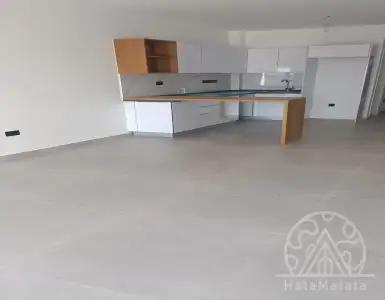
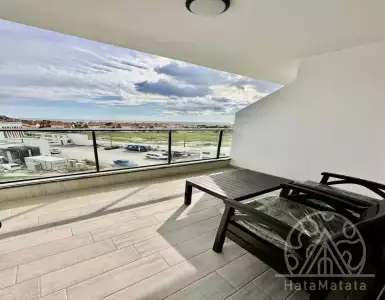
 Sea View view 112 896 $
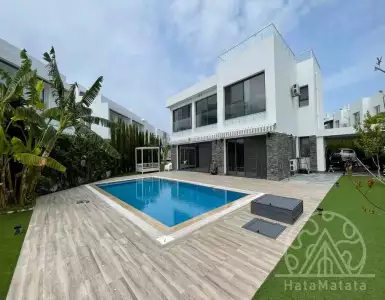 1 446 510 $
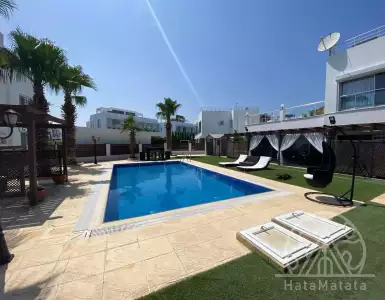 845 652 $
 Legal review:
Deni Gerikhanov, International Real Estate Lawyer
 Financial review:
Evgeniya Skripko, Financial Expert in International Real Estate