


Real Estate in Auvergne

International Real Estate Consultant
Leave a request and our manager will contact you.
International Real Estate Consultant
Real Estate in Auvergne
International Real Estate Consultant
Leave a request and our manager will contact you.
International Real Estate Consultant
Selection real estate in Auvergne in 15 minutes
Leave a request and we will select the 3 best options for your budget
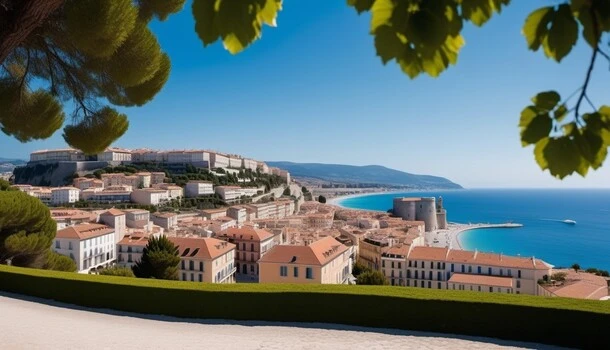
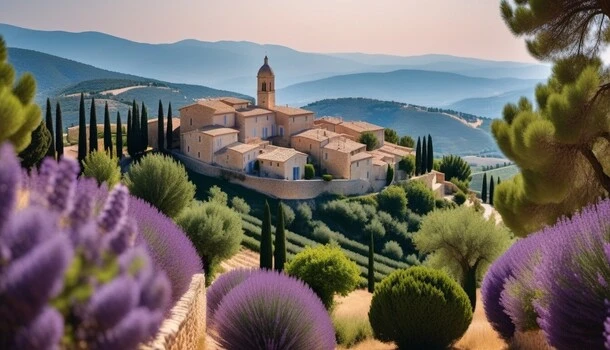
Weather in Auvergne
 !
!
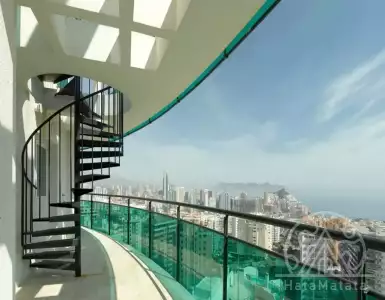
For sale Flat , Spain 213 785 $
📌 A few apartments for sale in Cala de Finestrat - a cozy place between Benidorm and Vieijahoyosa with a...
 !
!
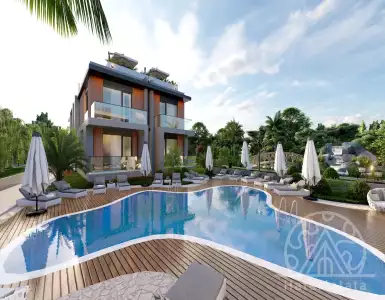
Flat for sale , Cyprus 128 914 $
The new residential complex is located in the foothills of Alsanjak. The complex consists of two two-storey buildings. Block A - 12...
For Sale Real Estate in Auvergne
Didnt find the right facility?
Leave a request - we will handle the selection and send the best offers in a short period of time



Irina Nikolaeva
Sales Director, HataMatata
Selection real estate in Auvergne in 15 minutes
Leave a request and we will select the 3 best options for your budget
🇫🇷 Property for sale in Auvergne, France: prices, towns, market data
Buying property in Auvergne makes sense for buyers who want space, lower prices than major French metros, and access to a mix of natural parks, thermal towns and a compact urban economy anchored in Clermont-Ferrand. The region combines volcanic landscapes, thermal resort towns like Vichy and La Bourboule, and transport links that keep it accessible from Paris and Lyon, which is why both private buyers and international investors include real estate in Auvergne in their portfolios.
💠 Geography and climate of Auvergne — transport and infrastructure
Auvergne sits in central France across four departments — Puy‑de‑Dôme, Cantal, Allier, Haute‑Loire — centered on Clermont‑Ferrand and characterized by the Chaîne des Puys volcanic chain, a UNESCO World Heritage site. The climate is continental with cold winters in the mountains and warm summers on the plains, making it attractive for seasonal tourism and second‑home buyers who want four distinct seasons.
Auvergne is well served by road and air links that matter for property buyers evaluating accessibility. Clermont‑Ferrand Auvergne Airport (CFE) offers domestic and European connections, the A71 and A75 motorways link to Paris and Montpellier, and regional SNCF and TER networks connect Clermont‑Ferrand with Lyon, Clermont’s economic hinterland and neighbouring regions. Typical drive times are around 3.5 to 4 hours to Paris and about 1.5 to 2 hours to Lyon, making weekend travel feasible.
Auvergne’s infrastructure supports daily life and relocation: Clermont Auvergne University draws students and offers research partnerships; the CHU Clermont‑Ferrand is a major hospital providing tertiary care; important employers include Michelin (headquarters and research at Ladoux), Limagrain (seed cooperative), and water industry sites like Volvic. Schools, vocational training centers and business parks such as Pardieu and Cournon support families and professionals relocating to the region.
💶 Property prices in Auvergne — market dynamics and demand trends
Auvergne’s market splits between compact urban pricing and much lower rural values, with demand driven by retirees, second‑home buyers, students and modest investor appetite for tourism rentals. Pricing trends show relative stability with pockets of appreciation in thermal and ski resort towns and steady interest in Clermont‑Ferrand for long‑term rental and student accommodation.
Typical price ranges you can expect when you buy property in Auvergne:
- Clermont‑Ferrand (city centre apartments): €1,700–€2,300/m²
- Clermont suburbs (Aubière, Chamalières): €1,200–€1,800/m²
- Vichy (spa town): €1,400–€1,900/m²
- Le Puy‑en‑Velay and medium towns: €900–€1,400/m²
- Resort areas (Le Mont‑Dore, Super‑Besse, ski/thermal chalets): €2,000–€4,500/m²
- Rural houses in Cantal and Haute‑Loire: €600–€1,200/m²
Auvergne real estate shows two demand vectors: steady long‑term rental demand in cities (students and workers) and seasonal spikes in tourism markets (mountain and thermal resorts). Investors typically target gross rental yields of about 3–6% for urban long‑lets and around 5–8% for short‑let tourist properties, depending on occupancy and management strategy.
🎯 Best areas in Auvergne to buy property — key districts and locations
Clermont‑Ferrand and its surrounding communes are the regional market’s core for purchasing property in Auvergne due to jobs, education and transport. Key districts to watch in Clermont include Jaude (central), Montferrand (historic), Les Salins, La Gauthière, and suburbs like Aubière and Chamalières for family housing and rental stock.
Thermal and mountain locations draw holiday buyers and seasonal renters. Notable towns and resorts include:
- Vichy (spa/resort town with thermal facilities and a strong short‑let market)
- Le Mont‑Dore and Super‑Besse (ski resorts, summer hiking)
- La Bourboule and Saint‑Nectaire (spa and gastronomic tourism)
- Volvic and Issoire (access to nature with industrial employment nearby)
Smaller market towns such as Aurillac, Moulins and Le Puy‑en‑Velay offer lower entry prices, historic centres and demand from local renters and retirees. For buyers seeking access to innovation and larger employers, the Zones d’Activités de la Pardieu and Ladoux research campus near Clermont are strategic neighbourhoods where demand from professionals supports rental values.
🏗️ New build property in Auvergne and major developers and projects
New build property in Auvergne is available as VEFA (vente en état futur d’achèvement) programmes in Clermont‑Ferrand, Vichy and larger commuting towns. National developers and regional promoters operate across the region; prominent names active in regional markets include Nexity, Bouygues Immobilier, Kaufman & Broad, Eiffage Immobilier and established regional promoters that partner with local authorities on ZAC developments.
New‑build advantages include reduced transaction costs, compliance with current energy‑efficiency regulations (RT and thermal labels) and structured payment schedules. Typical new‑build features:
- Energy ratings meeting national regulations and often better insulation than older stock
- Modern apartments from T1 to T4, with terraces or parking in urban projects
- Off‑plan payment schedule tied to construction milestones (deposit, slab, completion)
Developers often coordinate with local councils on mixed‑use projects around transport hubs and business parks; look for VEFA opportunities near Aubière, Pardieu and redevelopment zones adjacent to Clermont’s station for easier rental management and resale.
🧾 How to buy property in Auvergne — purchase process and payment methods
Buying real estate in Auvergne follows the national French process with local notaires handling formalities. Initial steps are market search and property selection, followed by a promesse de vente or compromis de vente, which formalizes the price, deadlines and conditions. Buyers typically pay a deposit at signing, held in escrow by the notary or agent.
Key legal and payment steps:
- Reservation/compromis stage: buyer pays 5–10% deposit typically; clause suspensive for mortgage is common.
- Cooling‑off period: buyer has 10 calendar days to withdraw without penalty after signing a preliminary contract.
- Final notarised deed (acte authentique): signed at the notaire’s office when funding is ready and searches (urban planning, mortgages) have cleared.
Payments commonly occur via bank transfer, cashier’s cheque or notary‑held escrow. For new builds (VEFA) payments are staged by law; for secondary market purchases the full balance is due at signature. Transaction costs differ: expect around 7–8% on resale for notary fees/taxes and about 2–3% for new builds.
💳 Property in Auvergne with mortgage and installment plan availability
Foreign buyers can obtain mortgage financing for property in Auvergne; French banks routinely lend to non‑residents with appropriate documentation and guarantees. Typical lending patterns are conservative: non‑resident borrowers often secure 60–80% LTV, while resident purchasers can reach 80–90% depending on income and profile.
Practical mortgage and financing facts:
- Down payment for foreigners is commonly 20–40% depending on lender risk appetite.
- Mortgage rates for structured loans commonly range in practice from about 1.5% to 3.5% depending on term and borrower profile.
- Developer installment plans are frequent on new builds: VEFA contracts follow legal payment stages and many developers offer interest‑free scheduling or tailored échelonnements until delivery for buyers.
Banks require proof of income, tax returns, bank statements, credit history and often ask for a French bank account and a mortgage guarantee (hypothèque or a CGPI-backed caution). For non‑resident investors, working with a local mortgage broker familiar with mortgage in France for foreigners simplifies approvals and documentation.
⚖️ Legal aspects, taxes, residence permit and citizenship by real estate investment in Auvergne
Purchasing property in Auvergne is straightforward legally, but it does not by itself grant residency or citizenship. The principal legal steps involve the notaire, payment of stamp duties and registration. Taxes on purchase include notary fees and registration duties; monthly or annual obligations include taxe foncière and, where applicable, second‑home taxation by municipalities.
Citizenship and residency realities:
- Property purchase alone does not grant a residence permit or automatic citizenship in France.
- Investors seeking legal residency through investment should evaluate the Talent – investor permit which typically requires investing at least €300,000 in a French business or property‑related enterprise and demonstrating job creation or economic impact.
- Long‑stay visas and residence permits rely on income, employment, family links or established investor schemes rather than simple property ownership; consultation with an immigration specialist is essential for pathways such as residence permit through property purchase in Auvergne.
Buyers should also consider inheritance law (forced heirship rules in French civil code) and capital gains tax implications for non‑residents on future sales; professional tax and legal advice in France is recommended early in the process.
📈 Economy and investment potential of Auvergne — sectors, tourism and employment
Auvergne’s economy blends industry, agriculture and tourism with pockets of high value‑added activity around Clermont‑Ferrand. The region benefits from manufacturing clusters (notably tyre industry with Michelin), agribusiness (Limagrain), bottled water and food processing, plus growing tech and research partnerships anchored on the university.
Investment indicators that appeal to buyers:
- Population of historic Auvergne is approximately 1.3 million, providing an urban base and rural catchment for rentals and second homes.
- Tourism is a meaningful seasonal driver: the Chaîne des Puys and thermal centres attract significant visitor numbers and support short‑stay rental demand.
- Employment sectors: industry, healthcare, education and tourism create diversified renter profiles including students, hospital staff and seasonal hospitality workers.
Return expectations on real estate investment in Auvergne are modest but stable: urban long‑let yields typically 3–6% gross, while well‑managed seasonal rentals in ski and thermal towns can deliver 5–8% gross in good seasons. Low purchase prices relative to large metros and steady domestic tourism underpin long‑term value preservation and gradual capital appreciation.
🧭 Investor scenarios and recommended property types in Auvergne
Auvergne suits a range of buyer types from families to international investors. For families relocating, Aubière, Chamalières and Riom offer good schools, green space and commuting proximity to Clermont jobs. For retirees or second‑home buyers, Vichy, La Bourboule and rural Cantal deliver smaller prices, community services and thermal facilities.
Property types matched to buyer goals:
- Primary residence / relocation: 3‑4 bedroom houses near Clermont or in suburbs (1,000–1,800 €/m²) for family lifestyle and access to schools and hospitals.
- Student and long‑term rental: one‑bed apartments in central Clermont near Université Clermont Auvergne and transport hubs; stable occupancy from an estimated 40,000+ student population in the metropolitan area.
- Short‑term holiday rental: chalets and flats in Le Mont‑Dore, Super‑Besse, Vichy for summer hiking and winter sports demand; manage yields carefully with professional agencies.
- Premium segment and country estates: restored stone houses around Puy‑de‑Dôme and Cantal for buyers seeking heritage homes and land, often requiring refurbishment budgets and experienced contractors.
Choosing between new build property in Auvergne and secondary market property in Auvergne depends on priorities: new builds offer energy efficiency and lower transaction taxes, while older properties can provide character, immediate rental potential and negotiation room on price.
Buying in Auvergne means balancing lifestyle and investment logic: smaller entry prices than Paris or Lyon, a diversified local economy, clear tourist niches and straightforward finance options for international buyers. If you prefer step‑by‑step support, local estate agents, bilingual notaires and mortgage brokers who specialise in mortgage in France for foreigners make the process efficient and transparent. For residence permit questions, plan immigration steps separately from the purchase and consider economic residence routes if the objective is long‑term settlement or a talent‑investment pathway that meets the required investment thresholds.
If you want, I can prepare a short list of properties by budget and location, connect you with trusted local notaires and mortgage brokers, or walk you through a sample purchase timetable for a VEFA and a resale purchase in Clermont‑Ferrand or Vichy.
Frequently Asked Questions
How much do properties cost in Auvergne?
Prices vary by town and countryside. Expect about $700–$1,600/m² in rural villages and $1,800–$2,700/m² in larger towns (approx. €650–€1,500 and €1,700–€2,500). Typical house prices range roughly $90,000–$320,000 (€85k–€300k) depending on size and condition. Clermont-Ferrand and ski/volcano-tourist zones sit at the top of local ranges.
Can foreign buyers buy property in Auvergne?
Yes. Non-residents can buy without special restrictions. Process uses a French notary, ID, proof of funds, and usually a French bank account for payments. You may need a French tax ID for taxes. Mortgage access and documentation requirements are stricter for non-EU buyers.
Is Auvergne good for buy-to-let investment?
Long-term rents: modest demand in towns, yields typically 3–6% gross. Holiday/seasonal lets near Puy de Sancy, lakes or ski areas can reach 5–9% but are seasonal. Expect slower liquidity in rural zones; target towns or tourist nodes for steadier occupancy and better resale.
What is daily life like relocating to Auvergne?
Auvergne offers low-cost living, nature access, and quieter pace. Key services: regional hospitals and clinics, local public schools (limited international options), supermarkets and local shops. Transport: regional airports and rail links to major cities; car recommended outside towns. Cost of living is generally lower than French average.
Is Auvergne suitable for digital nomads or remote workers?
Yes in towns. Many towns have fiber and reliable 4G/5G; rural hamlets may be slower or need satellite/4G solutions. Towns offer cafés, occasional coworking and affordable living. Long stays are practical, but check internet at a specific address before buying.
Does buying property in Auvergne give residency or a golden visa?
Owning property in France does not automatically grant residency or a "golden visa." Non-EU nationals must apply for long-stay visas or professional/investor residence permits under French immigration rules. Property ownership can support an application but is not a standalone route to residency.
What taxes and transaction costs apply in Auvergne?
Typical resale transaction costs (notary + transfer tax) are about 7–8% of price; new builds ~2–3%. Agency fees run 3–8% (who pays varies). Annual property taxes include taxe foncière; rental income is taxable plus social charges. Wealth tax on real estate applies above high thresholds. Capital gains: main residence usually exempt; other gains are taxed.
Are mountain homes or chalets in Auvergne a good buy?
They can be, near ski areas and volcano tourism. Pros: seasonal rental upside, lifestyle access. Cons: seasonal occupancy, higher maintenance and heating costs, possible access issues in winter. Expect stronger yields and resale near popular nodes; remote chalets sell slower.
What common pitfalls do buyers face in Auvergne?
Underestimating renovation, heating and insulation costs for older stone houses; unclear sewage/well systems; local planning restrictions for protected landscapes; limited broadband in remote spots; slow resale in very rural villages. Always get a full diagnostic (mandatory French technical reports) and local planning check.
Can I get a mortgage for Auvergne property as a non-resident?
Yes, but terms differ. Many lenders offer 60–80% loan-to-value for non-residents; expect 20–40% down payment for safety. Typical terms up to 20–25 years, with proof of income, tax docs and a French account. Example: on a $200,000 purchase, plan to provide $40k–$80k upfront depending on lender criteria.
Properties by Region
Properties by Country
- Real estate in Bulgaria (11315)
- Real estate in Montenegro (5367)
- Real estate in Indonesia (2423)
- Real estate in Spain (2289)
- Real estate in Turkey (2223)
- Real estate in Portugal (2046)
- Real estate in Italy (1892)
- Real estate in Cyprus (1587)
- Real estate in Thailand (1566)
- Real estate in Croatia (1431)
- Real estate in Greece (1079)
- Real estate in USA (1013)
- Real estate in France (1006)
- Real estate in Georgia (519)
- Real estate in Serbia (328)
- Real estate in Slovenia (123)
- Real estate in Egypt (24)
Free real estate consultation in Auvergne
Don't know which area to choose in Auvergne? We will tell you in which areas it is better to live or invest, and show you the appropriate options.

Maria Guven
Head of Direct Sales Department
+90-507-705-8082