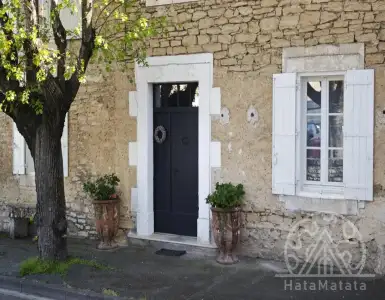
 858 777 $
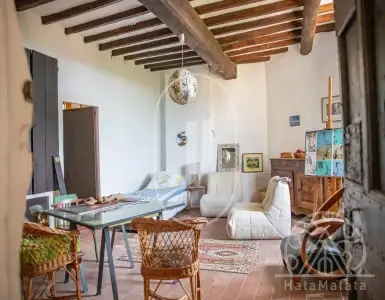 1 274 315 $
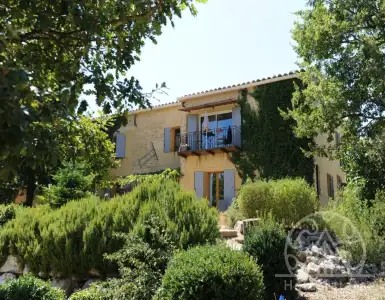 797 832 $
 8 809 396 $
 520 807 $
 880 939 $
 664 860 $
 7 302 379 $
 698 103 $
 497 536 $
 609 455 $
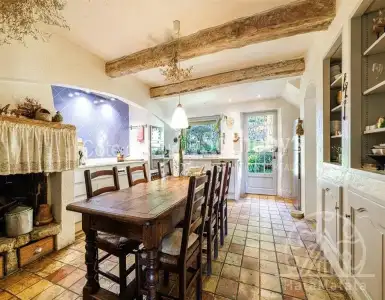 3 545 920 $
 2 936 465 $
 1 828 365 $
 4 044 565 $
 720 265 $
 1 052 695 $
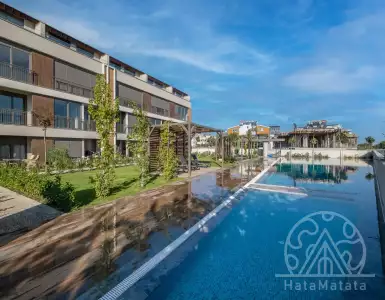 190 000 $


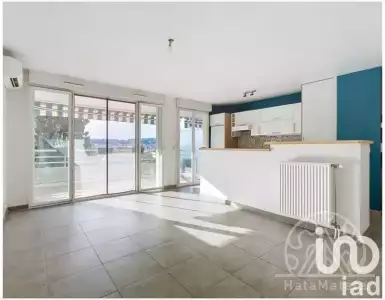
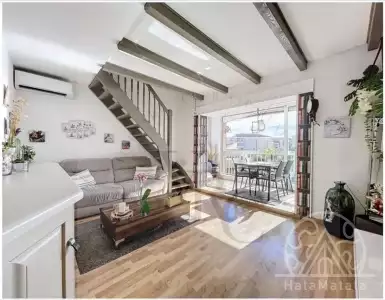 277 025 $
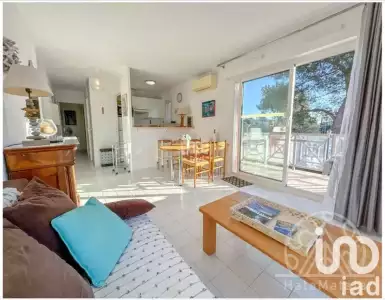 283 000 $
 Provence-Alpes-Côte d'Azur
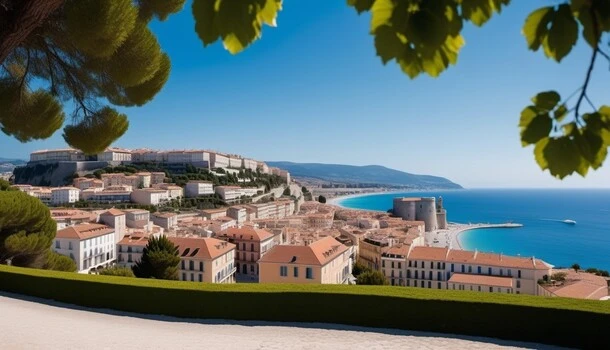 Côte d'Azur and Provence
 Paris and the suburbs
 Southern France
 Nouvelle-Aquitaine
 Legal review:
Deni Gerikhanov, International Real Estate Lawyer
 Financial review:
Evgeniya Skripko, Financial Expert in International Real Estate
Reviewed:
🇫🇷 Provence-Alpes-Côte d'Azur real estate: property types, prices and top communes
Provence-Alpes-Côte d'Azur is one of Europe’s most diverse property markets, combining Mediterranean coastline, Alpine valleys and dynamic urban centres that attract private buyers and international investors alike. The region stretches from Marseille and Aix-en-Provence to Nice, Cannes, Antibes and the Var coast, and it offers a wide spectrum of property for sale in Provence-Alpes-Côte d'Azur — from historic apartments in Vieux Nice to new build property in Provence-Alpes-Côte d'Azur developments near Sophia Antipolis and Euroméditerranée. Buyers find solid infrastructure, predictable legal processes and a two-tier market where luxury seasonal rental and year-round rental income both coexist.
💶 Property prices in Provence-Alpes-Côte d'Azur
Property in Provence-Alpes-Côte d'Azur varies sharply by location and type, with clear price bands that influence investment strategy.
Apartment prices per square metre typically fall into these ranges across representative cities:
- Nice: €5,000–€10,000 / m² depending on Promenade, Carré d'Or or Port sectors.
- Cannes: €6,000–€12,000 / m² in La Croisette and Le Suquet; lower in La Bocca.
- Marseille: €2,500–€6,000 / m² — Le Panier and 6th arrondissement higher, northern districts lower.
- Aix-en-Provence: €4,500–€7,000 / m² in Cours Mirabeau and Mazarin.
Villas on the coast, especially Cap d'Antibes and Saint-Tropez, commonly start from €2 million and quickly reach €10 million+ for prime waterfront plots. New build property in Provence-Alpes-Côte d'Azur generally carries VAT at 20%, and notary fees for secondary market property average 7–8% of purchase price, while notary fees for new build are closer to 2–3%.
Market dynamics show steady demand for both secondary market property in Provence-Alpes-Côte d'Azur and off-plan opportunities (VEFA). Rental yields vary: luxury short-term rentals often deliver gross yields of 2–4%, urban long-term apartments 3–6%, and value-add deals in Marseille can reach 6–8% gross depending on refurbishment and tenant mix.
🎯 Best areas in Provence-Alpes-Côte d'Azur to buy property
Choosing the right district depends on goals: lifestyle, yield, capital appreciation or short-term rental.
Prime coastal districts and their market profiles:
- Nice: Carré d'Or, Promenade des Anglais, Cimiez and the Port offer strong demand for holiday lets and long-term expatriate housing.
- Cannes: La Croisette and Le Suquet suit premium seasonal rentals and event-driven occupancy (festivals, conferences).
- Antibes / Juan-les-Pins: Cap d'Antibes for villa buyers; Juan-les-Pins for apartment demand and nightlife rental appeal.
Urban growth and value-add opportunities: - Marseille: Euroméditerranée, La Joliette and Le Panier are targets for renovation projects and student housing; northern districts yield higher rental returns.
- Aix-en-Provence: Le Centre, Jas de Bouffan and high-tech zones near La Duranne and Aix TGV suit professionals and students.
- Sophia Antipolis: Business park zones and nearby communes such as Valbonne and Biot are strong for buy-to-let to professionals in tech and research industries.
🚆 Transport, infrastructure and accessibility in Provence-Alpes-Côte d'Azur
Rail and air links are major drivers of real estate demand across the region.
High-speed and regional rail access includes TGV and TER services connecting Provence-Alpes-Côte d'Azur to Paris, Lyon and northern Europe, with Paris–Marseille trips in about 3 hours and Paris–Nice journeys typically 5 to 6 hours depending on service.
Air connectivity features two major international hubs: Nice Côte d'Azur Airport handling around 13 million passengers annually pre-pandemic and Marseille Provence Airport with roughly 10 million passengers, plus regular ferries from Toulon and Marseille to Corsica.
Public and social infrastructure is robust: universities include Aix-Marseille Université (over 70,000 students), Université Côte d'Azur, and specialized schools in Sophia Antipolis; major hospitals include CHU de Nice and Assistance Publique – Hôpitaux de Marseille; top private schools and international schools are present in Nice, Cannes and Aix.
💼 Economy and investment potential in Provence-Alpes-Côte d'Azur
The regional economy combines tourism, logistics, technology and services, creating diversified demand for real estate investment.
Provence-Alpes-Côte d'Azur produces regional output in the order of €170 billion GDP, with a population above 5 million, attracting both domestic and international buyers for second homes and business relocations.
Key economic drivers and statistics:
- Tourism: The coast attracts over 40 million visitors including day-trippers and overnight tourists, sustaining short-term rental markets and hospitality investments.
- Industry and services: Sophia Antipolis is Europe’s first technopole with thousands of companies in ICT and biotech; Marseille-Fos is France’s largest port by tonnage, underpinning logistics and industrial real estate.
- Employment and migration: Net internal migration tends toward coastal and peri-urban communes; unemployment varies by department, with some urban pockets offering value-add investment opportunities.
🏗️ Major developers and projects in Provence-Alpes-Côte d'Azur
Several national developers and local groups are active across the region, and major urban projects are reshaping supply.
Prominent developers include Bouygues Immobilier, Nexity, Kaufman & Broad, VINCI Immobilier, Eiffage Immobilier and Altarea Cogedim, who deliver apartments, mixed-use schemes and logistics sites.
Notable projects and redevelopment zones:
- Euroméditerranée (Marseille): large-scale urban renewal with residential, office and retail components increasing demand for nearby housing.
- Sophia Antipolis extensions and Biot developments: new build property in Provence-Alpes-Côte d'Azur targeted at tech professionals.
- Nice Grand Arenas / Grand Arénas zone: transport-oriented development and residential projects close to Nice Airport and TGV links.
Developers often provide off-plan sales (VEFA) with structured payment schedules and occasional promotional financing or interest-free installment plans to accelerate transactions.
🏦 Mortgages and installment plans for property in Provence-Alpes-Côte d'Azur
Financing is widely available to non-residents and investors, with clear profiles for down payments and loan terms.
French banks typically finance up to 70–80% LTV for non-resident buyers, with standard down payments of 20–30% required from foreign purchasers; loan terms commonly extend to 20–25 years, sometimes up to 30 years for specific cases.
Interest rates are competitive for qualifying borrowers, with many mortgages in recent cycles offering rates approximately 2%–3.5% depending on profile, loan-to-value and term.
Developer installment plans and formalities:
- Off-plan sales (VEFA) allow staged payments: reservation deposit around 5–10%, progressive payments to completion, then balance at delivery.
- Developers and promoters often propose interest-free installment plans or partnership financing to facilitate buyer entry into the new build property in Provence-Alpes-Côte d'Azur.
- Mortgage in France for foreigners requires proof of income, local bank account, and often French tax returns or international statements; lenders may require life insurance (assurance emprunteur).
📝 Property purchase process in Provence-Alpes-Côte d'Azur
The transaction chain follows standard French practice and is transparent when handled by a notaire and qualified agents.
Initial steps are selection, offer and signing of a compromis de vente or promesse de vente, followed by a 10-day cooling-off period for private buyers, and then providing the deposit (commonly 10%).
Notary involvement is mandatory for transfer of title; the notaire prepares the acte authentique, registers the sale, and collects taxes and fees (transfer duties and notary fees).
Payment methods and legal forms commonly used:
- Payments executed by bank transfer and notarised documentation; cash payments above French regulatory limits are not acceptable.
- Many buyers choose to hold property through an SCI (Société Civile Immobilière) for estate planning and joint ownership, subject to tax implications and proper legal advice.
- For new build, buyers sign a VEFA with staged payments; for secondary market property, the notary handles funds on completion and registers the title.
⚖️ Legal aspects, residence permits and citizenship related to Provence-Alpes-Côte d'Azur property
Understanding immigration and legal consequences of property purchase is critical for non-EU investors.
Buying property in Provence-Alpes-Côte d'Azur does not automatically confer a residence permit or citizenship; property ownership alone is not a direct path to a French residence permit by real estate investment.
Practical pathways to residency or longer stays include:
- Long-stay visas and residence permits for non-EU nationals who can demonstrate sufficient income or ties to France; EU nationals enjoy free movement and residency rights.
- Business investment and the Passeport Talent stream may be used by those establishing companies or significant economic activity in France; this is separate from a standard property purchase.
- Citizenship by real estate investment is not available in France; naturalisation requires residency, language proficiency and civic integration.
Legal compliance and taxes: purchasers must register with French tax authorities, pay property taxes (taxe foncière and taxe d'habitation adjustments), and declare rental income; non-resident tax rules and double-taxation treaties will affect net yield.
📈 Investment advantages and buyer scenarios for Provence-Alpes-Côte d'Azur
The region supports a wide range of buyer profiles with tailored opportunities across the coast, cities and hinterland.
Scenario: lifestyle buyers and second-home owners choose Nice, Cannes, Antibes or Cap d'Antibes for proximity to beaches, international airports and high-end services; expect seasonal occupancy and premium pricing.
Scenario: buy-to-let for rental income targets student and professional housing in Aix, Nice and Marseille; typical gross yields in cities range 3–6%, with higher yields in value-add neighbourhoods of Marseille.
Scenario: long-term capital appreciation and diversification are often pursued with new build property in Provence-Alpes-Côte d'Azur near infrastructure projects like Euroméditerranée or the Aix TGV corridor.
Other scenarios and asset matching:
- Short-term investment: holiday apartments in Le Suquet (Cannes) and Vieux Nice with summer occupancy up to 80–90% during peak months.
- Premium segment: villas on Cap Ferrat and Saint-Tropez aimed at ultra-high-net-worth buyers, low yield but strong capital protection and occasional high seasonal rents.
- Logistics and commercial: industrial land near Marseille-Fos and business parks in Sophia Antipolis for institutional investors seeking diversification and contractual leases.
Buying property in Provence-Alpes-Côte d'Azur offers granular choices and transparent procedures to match everything from family relocation and remote work to pure real estate investment and seasonal ownership. If you are evaluating a new build property in Provence-Alpes-Côte d'Azur or a secondary market property in Provence-Alpes-Côte d'Azur, consider local market data, planned infrastructure projects, and legal/tax advice to shape financing, mortgage in France for foreigners and long-term occupancy strategies. Each purchase path — whether through developer VEFA, bank financing with a 20–30% down payment, or acquisition via an SCI — benefits from coordination between agent, notaire and lender to secure title registration, manage taxes and align ownership with immigration plans where applicable.