


Real Estate in Occitanie
Do you want to buy real estate in Occitanie? We'll tell you where to start

Liliya
International Real Estate Consultant
Need help choosing a property?
Leave a request and our manager will contact you.
International Real Estate Consultant
Real Estate in Occitanie
Do you want to buy real estate in Occitanie? We'll tell you where to start
Liliya
International Real Estate Consultant
Need help choosing a property?
Leave a request and our manager will contact you.
International Real Estate Consultant
Selection real estate in Occitanie in 15 minutes
Leave a request and we will select the 3 best options for your budget


Weather in Occitanie
 !
!
For sale Flat , Spain 209 543 $
📌 A few apartments for sale in Cala de Finestrat - a cozy place between Benidorm and Vieijahoyosa with a...
 !
!
Flat for sale , Cyprus 126 834 $
The new residential complex is located in the foothills of Alsanjak. The complex consists of two two-storey buildings. Block A - 12...
For Sale Real Estate in Occitanie
Didnt find the right facility?
Leave a request - we will handle the selection and send the best offers in a short period of time



Irina Nikolaeva
Sales Director, HataMatata
Selection real estate in Occitanie in 15 minutes
Leave a request and we will select the 3 best options for your budget
🇫🇷 Achat immobilier Occitanie : maisons et appartements, prix par département
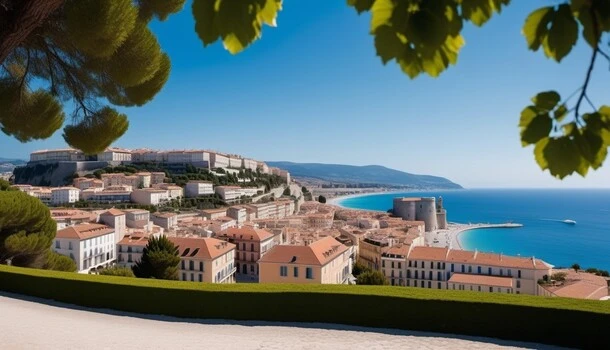
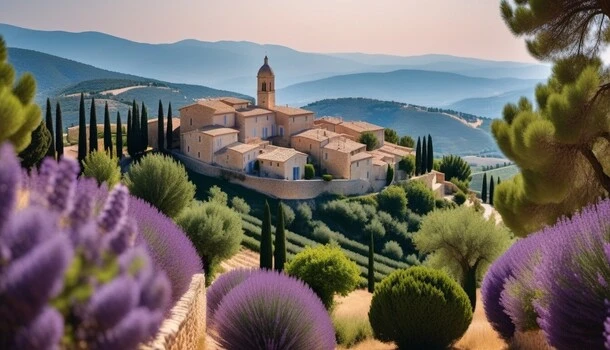
Occitanie is a region where Mediterranean light meets Pyrenean peaks and where urban dynamism and rural charm coexist. Buyers from first-time purchasers to international investors find diverse options: Toulouse apartments for aerospace professionals, Montpellier flats for students, coastal villas on the Languedoc coast for holiday rental, and renovated stone mas in the Tarn for quieter family living. The market mixes new build property in Occitanie and mature secondary market property in Occitanie with a stable appetite from domestic and foreign buyers.
✈️ Geography, climate and transport accessibility in Occitanie
Occitanie covers approximately 72,724 km² and is home to around 5.9 million people, stretching from the Mediterranean coast to the Pyrenees and the Massif Central foothills. Major transport corridors include the A9 and A61 motorways, the Montpellier–Perpignan coastal axis and the A64 linking Toulouse to the Pyrenees.
Occitanie’s airports are key for international buyers: Toulouse-Blagnac, Montpellier-Méditerranée, Perpignan–Rivesaltes and Béziers Cap d'Agde provide regular flights across Europe and to North Africa. High-speed rail connects Montpellier and Nîmes to Paris (TGV) and Toulouse benefits from expanding rail upgrades towards Paris and Bordeaux.
Occitanie’s infrastructure supports families and professionals with major hospitals and universities: CHU Toulouse (Purpan and Rangueil) and CHU Montpellier; universities include Université Toulouse III – Paul Sabatier, Université de Montpellier, Toulouse Business School and INSA Toulouse. School networks and technical training centers serve local industry clusters.
💶 Economy and investment potential in Occitanie
Occitanie’s economy is diverse with strengths in aerospace, agribusiness, tourism and life sciences, giving the region resilience for real estate investors. The regional economy exceeds €150 billion in GDP, with Toulouse metro representing a significant share through aerospace and technology activity.
Industry anchors include Airbus and its supply chain in Toulouse (tens of thousands employed locally), Thales, Safran, regional biotech clusters in Montpellier and significant wine and agri-food production in Languedoc. The region attracts skilled migration to urban centers and student inflows to Montpellier and Toulouse universities, supporting steady rental demand.
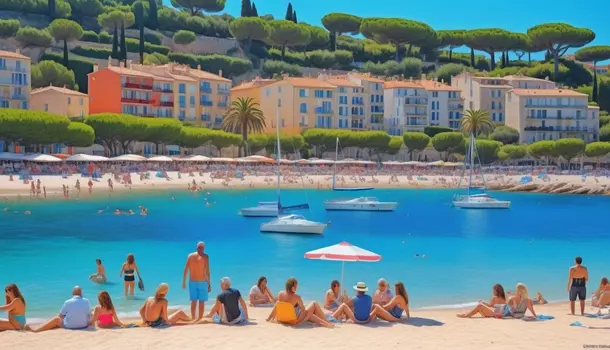
Tourism is a major driver: coastal destinations such as Cap d'Agde, Sète, Narbonne-Plage and historical sites like Carcassonne draw leisure visitors, boosting short-term rental markets and seasonal demand for property for sale in Occitanie.
💶 Property prices in Occitanie — by category and area
Property prices vary strongly between city centers, coastal towns and inland rural zones, allowing strategic buys across budget ranges.
- Toulouse: average resale prices €3,200–€4,000/m² in central districts (Carmes, Saint-Cyprien), with new build prices often 10–20% higher.
- Montpellier: central areas (Antigone, Port Marianne) €2,800–€3,500/m², new build premiums similar to Toulouse.
- Perpignan and Béziers: €1,400–€2,100/m², attractive for buy-to-let and holiday homes.
- Coastal Languedoc (Cap d'Agde, Narbonne): €2,000–€3,500/m² depending on proximity to sea and seasonality.
- Rural Occitanie (Aveyron, Tarn, Lozère): detached houses and mas from €800–€1,800/m², often with land.
Typical yields and market dynamics: long-term rental yields in major cities usually sit around 3–4%, student or small-unit investments can reach 4–6% gross, and seasonal holiday rentals in strong coastal spots can achieve higher peak yields but with higher management costs. New builds command lower notary fees and guaranteed construction standards, while secondary market property in Occitanie often offers immediate cashflow potential.
🎯 Best districts and locations to buy property in Occitanie
Toulouse district recommendations focus on proximity to employment clusters and transport: Carmes, Saint-Étienne, Pont des Demoiselles, Compans-Caffarelli, Minimes and the revitalizing Matabiau / Montaudran areas.
Montpellier’s most sought-after districts include Port Marianne, Antigone, Ecusson (historic centre) and the expanding Odysseum area for family living and modern apartments. Coastal hotspots for holiday or investment property include Cap d'Agde, La Grande-Motte, Sète, Narbonne-Plage, Collioure and Argelès-sur-Mer.
Inland value plays are found in Albi (UNESCO centre), Carcassonne (historic walled city), Cahors and Millau where prices are lower, maintenance costs manageable and demand from domestic second-home buyers remains steady.
🏗️ Major developers and projects in Occitanie
National and regional developers run large new build programs across Occitanie, offering both private buyers and investors access to VEFA (off-plan) opportunities. Developers present in the region include Bouygues Immobilier, Nexity, Kaufman & Broad, Altarea Cogedim and Vinci Immobilier, often active in Montpellier, Toulouse and coastal developments.
Key current projects include the Matabiau eco-quarter in Toulouse (urban regeneration near the main station), Port Marianne extensions in Montpellier and mixed-use waterfront developments in Sète and Le Grau-du-Roi, where new build property in Occitanie meets tourism demand.
Local developer teams and social housing operators also produce conversions and mid-size programs in smaller cities; buyers often get installment plan options or targeted promotions in partnership with these developers.
🏦 Mortgages and installment plans for property in Occitanie
French banks regularly finance foreign buyers, with typical non-resident lending offering LTV ratios of 60–80% depending on nationality, income proof and property type. Down payments commonly required are 20–30% for international buyers, higher for non-EU nationals or specific risk profiles.
Typical mortgage durations range from 10 to 25 years, with fixed rates often sitting in the 2–4% band depending on term and borrower profile; variable and mixed-rate products are available but less common for long-term purchases. Developers of new build properties frequently provide interest-free installment plans (paiement échelonné) during construction under VEFA contracts, easing initial cash flow.
Buyers should budget for transaction costs: notary and registration fees approximately 7–8% for resale homes and 2–3% for new builds; lenders also require insurance and administrative fees. Banks will request income documentation, tax returns, and often French bank accounts.
📝 Property purchase process in Occitanie — step-by-step
Selection begins with viewings and due diligence on title, planning and rental potential; working with a local notaire and an English-speaking estate agent speeds the process. Buyers usually sign a compromis de vente or promesse de vente, pay a deposit typically 5–10%, and enter a 10-day cooling-off period during which they may withdraw.
Mortgage offers must be obtained within the contractual period specified (often 30–60 days) and the notaire conducts title searches and tax checks. The final acte authentique is signed in the notary’s office and the buyer settles the purchase price via bank transfer to the notary’s client account; ownership is then registered at the land registry.
Payment methods accepted include SEPA bank transfers and cheques cleared through the notary; cash purchases exist but French anti-money laundering rules limit high cash transactions. Professional advice is standard for foreign investors for tax residency and rental regulations.
⚖️ Legal aspects, residence permits and citizenship through property in Occitanie
Buying property in France does not automatically grant a residence permit or citizenship; there is no direct “golden visa” for buying real estate. Residence permits by real estate purchase in Occitanie are not a formal pathway; foreign buyers must use ordinary visa categories (long-stay visas, work permits, family reunification or talent/investor visas tied to business investment rather than passive property ownership).
France’s investor visa route (Passeport Talent – Investisseur) requires business investment and job creation criteria, so a pure property purchase will not meet those conditions. Citizenship by real estate investment in Occitanie is not available; naturalization follows the standard residency and language requirements and is not automated by property holdings.
Tax implications matter: non-residents pay French tax on French-source rental income, and high-value real estate holdings may trigger IFI (real estate wealth tax) above €1.3 million in net real estate assets. Local taxes include taxe foncière and sometimes taxe d’habitation for secondary homes in specific cases.
🎯 Investment advantages and buyer scenarios in Occitanie
Occitanie is suitable for professionals tied to aerospace and high-tech clusters to base in Toulouse, where proximity to employers reduces commute and supports stable rental demand and capital growth. Student investors targeting Montpellier can purchase small apartments near university districts to capture steady student rental demand and predictable turnover.
Coastal investors aiming at short-term holiday income should concentrate on Cap d'Agde, La Grande-Motte, Sète and Narbonne, where seasonal occupancy is high but management and regulation of short lets need careful attention. Rural and heritage buyers seeking lifestyle changes find value in Albi, Aveyron, Tarn with village houses and mas, offering lower entry prices and lifestyle appreciation.
Scenarios by buyer type:
- Living and relocation: Toulouse, Montpellier for jobs and schools.
- Rental income: studio flats near universities and transport hubs for 4–6% gross yields.
- Long-term capital growth: central Toulouse and Montpellier new builds.
- Short-term investment: seaside resorts with strong summer demand and higher peak yields.
- Family purchase/second home: inland villages and historic town centres for space and tranquillity.
Occitanie presents a layered market where knowledge of districts, legal frameworks and financing options makes the difference between a frustrating search and a successful acquisition. Buyers who align their objective — lifestyle, rental income, capital growth or a holiday base — with specific local markets such as Toulouse aerospace suburbs, Montpellier student quarters, Cap d'Agde coastline or rural Tarn will find clear, actionable opportunities. Financing options, developer installment plans, and an experienced notaire or local advisor will smooth the purchase process, while realistic expectations on yields, taxation and residency create sustainable ownership. If you want tailored guidance on listings, financing checks, or neighbourhood comparisons for property in Occitanie, a concise brief about your budget, desired use and nationality is the fastest way to get precise next steps.
Frequently Asked Questions
Prices vary widely: city centers like Toulouse and Montpellier commonly range $3,500–$6,000/m² (€3,200–€5,500/m²). Secondary towns and coastal resorts often sit at $1,700–$3,500/m² (€1,600–€3,200/m²). Rural villages and mountain areas can be $900–$2,000/m² (€800–€1,800/m²). Expect houses to cost more per transaction than apartments; negotiability depends on market and condition.
Yes — there are no nationality restrictions. Non‑residents may obtain mortgages (typically 60–80% LTV), but lenders require proof of income and local tax ID. Purchase requires a French notary and official documents. Consider inheritance law (forced heirship) and using a holding structure (SCI) for joint ownership or tax planning; consult a lawyer for cross‑border estate issues.
Strong in cities: Toulouse and Montpellier have steady rental demand (students, professionals, tourism). Typical gross yields: 3–5% in prime city center apartments, 5–8% in peripheral towns or buy‑to‑let student studios, and higher seasonal yields on coastal holiday lets. Liquidity is best in major cities; smaller villages can take longer to sell.
Buying resale: notary/transfer costs ≈7–8% of price (2–3% for new builds). Agency fees vary (often 3–6%). Annual property tax (taxe foncière) commonly ranges $350–$2,500 (€320–€2,300) depending on location. Capital gains tax plus social charges can total up to ~36% before exemptions; rules depend on residency and ownership duration. Always budget for insurance and local taxes.
Typical timeline: 2–6 weeks to negotiate and sign the initial sales agreement, then a 10‑day cooling‑off period for buyers. Final notary signing usually occurs 2–3 months after the compromis, so typical total 2–4 months; with mortgage or complex due diligence allow 3–6 months.
Yes — good healthcare (regional university hospitals), public and private schools, and universities in Toulouse and Montpellier. Urban areas have trams/metro and regional trains; airports nearby. Daily life includes markets, outdoor lifestyle (Mediterranean coast, Pyrenees), and family services. International schooling is limited outside major cities; check local schooling options before moving.
Cities offer reliable fiber (100–1,000 Mbps commonly) and many co‑working spaces; rural coverage can be patchy. EU citizens can stay freely; non‑EU nationals need to respect Schengen limits or obtain a long‑stay visa/residence permit. Healthcare access requires proper insurance or registration. Lifestyle suits remote workers who value outdoor activities and lower costs versus Paris.
No — purchasing real estate alone does not grant residency or a 'golden visa' in France. Non‑EU buyers must apply for the appropriate long‑stay visa or residence permit (work, entrepreneur/passeport talent, visitor), showing stable funds and health coverage. Citizenship generally requires several years of lawful residence and meeting integration requirements.
Watch for hidden costs and legal constraints: mandatory diagnostics (energy, asbestos, termites, lead, gas/electric), flood/wildfire risk zones, and local planning (PLU) limits. Structural defects and unpaid co‑ownership charges are common pitfalls. Survey costs typically $300–$1,500. Always get a full diagnostic file and, where needed, a structural inspection before signing.
They are allowed but regulated. Major towns require registration, may limit primary‑residence short‑lets, and levy a tourist tax per night. Some city centers restrict conversions of long‑term housing into short‑lets and impose fines for non‑compliance. Check the local mairie rules and register before operating a short‑term rental.
Properties by Region
Properties by Country
- Real estate in Bulgaria (11408)
- Real estate in Montenegro (5382)
- Real estate in Indonesia (2423)
- Real estate in Spain (2289)
- Real estate in Portugal (1975)
- Real estate in Italy (1906)
- Real estate in Turkey (1699)
- Real estate in Cyprus (1594)
- Real estate in Thailand (1565)
- Real estate in Croatia (1431)
- Real estate in Greece (1082)
- Real estate in USA (1013)
- Real estate in France (1006)
- Real estate in Georgia (519)
- Real estate in Serbia (328)
- Real estate in Slovenia (123)
- Real estate in Egypt (23)
Free real estate consultation in Occitanie
Don't know which area to choose in Occitanie? We will tell you in which areas it is better to live or invest, and show you the appropriate options.

Maria Guven
Head of Direct Sales Department
+90-507-705-8082