


Real Estate in Other regions of France

International Real Estate Consultant
Leave a request and our manager will contact you.
International Real Estate Consultant
Real Estate in Other regions of France
International Real Estate Consultant
Leave a request and our manager will contact you.
International Real Estate Consultant
Selection real estate in Other regions of France in 15 minutes
Leave a request and we will select the 3 best options for your budget
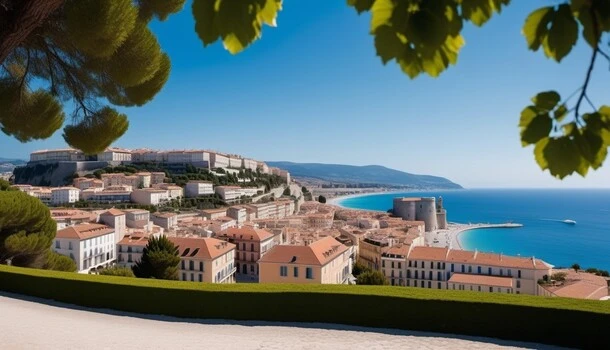


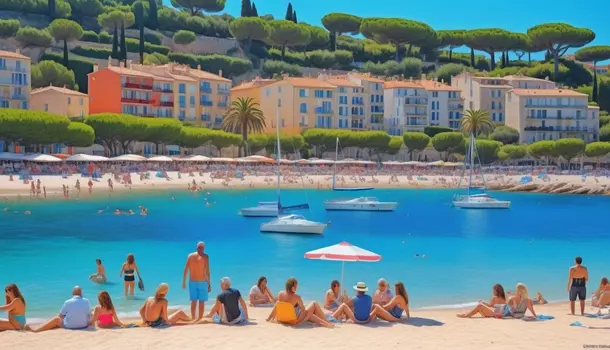
Weather in Other regions of France
 !
!
For sale Flat, Spain 210 719 $
📌 A few apartments for sale in Cala de Finestrat - a cozy place between Benidorm and Vieijahoyosa with a...
 !
!
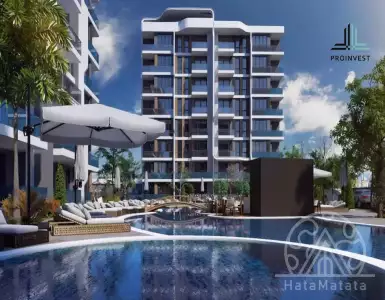
Buy flat, Turkey 166 723 $
ID AN 24382 Main Features: Location:Antalya District:Altintaş Type of property: Housing under construction Number of rooms: 1+1, 2+1
For Sale Real Estate in Other regions of France
Flats in Strasbourg
 1
1
 1
1
 50
50
 2
48
2
48
 3
76
3
76
Flats in Lyon

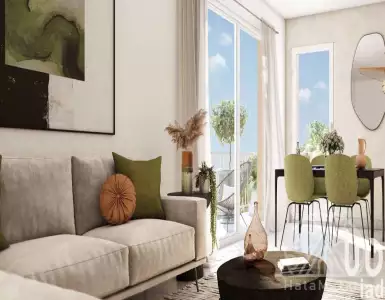
Do you want to buy real estate in Other regions of France? We'll tell you where to start
Leave a request and we will select the 3 best options for your budget
International Real Estate Consultant
Didnt find the right facility?
Leave a request - we will handle the selection and send the best offers in a short period of time



Irina Nikolaeva
Sales Director, HataMatata
Selection real estate in Other regions of France in 15 minutes
Leave a request and we will select the 3 best options for your budget
🇫🇷 Buying property in other French regions: prices, market data and local regulations
Buying property in Other regions of France is about more than a transaction — it is a move into varied landscapes, diversified economies and established legal certainty. From Alpine valleys and Atlantic beaches to university cities and wine-producing plains, Other regions of France combine accessible infrastructure, solid rental markets and a long history of foreign buyers finding stable returns and lifestyle value. This text walks you through geography, economy, prices, districts, developers, financing, the purchase process, legal realities and investor scenarios so you can act with confidence.
🚆 Geography and climate in Other regions of France — accessibility and infrastructure
France’s regional fabric stretches from the Atlantic coast to the Mediterranean and from the Massif Central to the Alps, giving buyers a broad choice of climates and transport links. Major airports such as Lyon–Saint Exupéry, Nice Côte d’Azur, Bordeaux–Mérignac, Toulouse–Blagnac, Nantes Atlantique and Marseille–Provence provide international connectivity; high-speed TGV lines connect Lyon, Bordeaux and Montpellier to Paris in under three hours from several hubs. Road arteries like the A7, A9, A10 and A63 link coastal and inland areas, while ports in Marseille, Nantes and La Rochelle support freight and leisure traffic.
Cities across Other regions of France are anchored by robust public services and educational infrastructure that appeals to families and investors. Universities such as Université de Lyon, Université de Bordeaux, Université de Toulouse/Paul Sabatier, Aix-Marseille Université and Université de Montpellier draw tens of thousands of students each term, sustaining rental demand. Medical infrastructure includes university hospitals (CHU) in Lyon, Toulouse and Bordeaux, and regional clinics with specialist services.
Lifestyle and leisure infrastructure is a practical selling point for many buyers in Other regions of France. Buyers can choose proximity to ski resorts (Chamonix, Méribel, Les Deux Alpes), seaside towns (Biarritz, Arcachon, Cassis), or heritage villages in Dordogne and Provence. High-quality local amenities — municipal schools, cultural centres, regional trains and fast broadband in major towns — make provincial living viable for relocation or remote work.
💶 Property prices in Other regions of France — ranges by type and area
Property in Other regions of France covers a wide price spectrum depending on coast, city or rural location, and whether the property is new build or secondary market. Buyers will typically pay a premium for coastal and major city addresses and a discount in rural inland zones.
-
Price ranges (approximate averages per m²):
- Nice and Côte d’Azur: €4,500–€9,000/m² (central and seaside sectors)
- Bordeaux: €3,500–€6,000/m² (Chartrons, Saint-Pierre higher)
- Lyon: €3,800–€6,500/m² (Vieux Lyon, Confluence premium)
- Toulouse: €2,800–€4,300/m² (city centre demand from aerospace sector)
- Nantes / Montpellier / Rennes: €2,600–€4,200/m²
- Smaller towns / rural: €1,200–€2,800/m² for village houses and farmsteads
-
By property type:
- Two-bedroom apartment (city centre): €130,000–€450,000
- Three-bedroom suburban house: €250,000–€650,000
- Renovated farmhouse / stone house: €200,000–€1.2M depending on plot and location
- Luxury seafront villas: €1.5M+ in Cap Ferrat, St-Tropez area, Arcachon Bay
New build property in Other regions of France commonly sells at a premium of 5–15% over comparable secondary market stock, and developer-backed projects often include staged payments under VEFA contracts.
🎯 Best areas in Other regions of France to buy property — key districts and micro-markets
Choosing the right district can change yield and lifestyle dramatically. Districts in provincial cities often show clear distinctions between historic cores, business districts and regeneration zones.
- Lyon: Vieux Lyon, Croix-Rousse, La Part-Dieu, Confluence
- Bordeaux: Chartrons, Saint-Pierre, Bassins à Flot, Bastide Niel
- Nice and Côte d’Azur: Carré d’Or, Mont Boron, Nice Port
- Toulouse: Les Carmes, Compans-Caffarelli, Saint-Cyprien
- Nantes: Île de Nantes, Graslin, Chantenay
- Montpellier: Antigone, Port Marianne, Odysseum
- Marseille: Vieux-Port, Prado, Euroméditerranée redevelopment zone
Districts undergoing urban renewal (La Part-Dieu in Lyon, Île de Nantes, Euroméditerranée in Marseille) combine new offices, transport upgrades and residential projects, attracting both owner-occupiers and institutional investors. Historical quarters command premiums for short-term tourist rentals and premium long-term tenants.
🏗️ Developers and major projects in Other regions of France
Large French developers are active across Other regions of France and deliver guaranteed-quality new build stock under VEFA contracts. Recognizable names and projects reduce execution risk for investors.
- Major developers: Nexity, Bouygues Immobilier, Vinci Immobilier, Icade, Eiffage Immobilier, Altarea, Groupe Pichet
- Notable projects and zones:
- Lyon Confluence — mixed-use urban renewal with apartments and offices
- Euroméditerranée (Marseille) — large-scale regeneration of the port and industrial zones
- Île de Nantes — city redevelopment with new residential neighborhoods
- Bastide Niel (Bordeaux) — riverbank regeneration and new housing plots
Developers often market new build property in Other regions of France with structured payment plans and certified building standards (RT/RE energy regulations), making financing and rental positioning clearer for investors.
🧾 Mortgages and installment plans for property in Other regions of France
Financing is widely available to both residents and non-residents, though conditions vary by lender and borrower profile. Banks in France and international lenders underwrite mortgages for foreign buyers who provide documentation and meet income requirements.
- Typical mortgage facts:
- Loan-to-value (LTV): up to 80–90% for resident buyers; 60–80% commonly for non-resident buyers
- Down payment: usually 10–30% of purchase price depending on nationality and loan profile
- Interest rates: fixed or variable deals typically range between 1.5% and 3.5% depending on term and profile
- Terms: 15–25 years standard; some banks extend to 30 years for strong applicants
Developers selling off-plan under VEFA contracts provide scheduled payment plans (deposit at signature, staged payments during construction, balance at completion). Many developers include interest-free installment plans during construction or promotional incentives, which can effectively reduce initial financing needs.
🧭 Property purchase process in Other regions of France — step-by-step
The French purchase process is structured and notarised, offering transparency but requiring patience for legal checks and registrations.
- Step-by-step process:
- Search and offer: identify property and put forward a written offer (compromis or promesse)
- Pre-contract: sign the compromis de vente or promesse de vente; typical deposit 5–10%
- Cooling-off: buyer has a 10-day unconditional withdrawal window after signature
- Financing condition: mortgage offers typically take 30–60 days; include financing clause in contract
- Notary deed: final acte de vente signed in presence of a notaire; notaire handles registration, tax formalities and property transfer
- Taxes and fees: notaire fees approx 7–8% for resale and 2–3% for new builds (with reduced transfer duties)
Buyers should check energy performance certificates (DPE), co-ownership regulations and outstanding charges for apartments. Payment methods include bank transfers and escrow accounts; large purchases commonly route through the notaire to ensure legal title transfer.
⚖️ Legal aspects, residence permits, and citizenship related to property in Other regions of France
Legal certainty is a key attraction, but it is important to set realistic expectations about immigration outcomes tied to property purchase. Buying property alone does not automatically create an entitlement to a long-term residence permit or citizenship.
- Residence permits and investment:
- Property purchase in Other regions of France is not a direct route to residency; France does not offer a straightforward golden visa exclusively for real estate purchases.
- Investors can pursue work or entrepreneur visas, or demonstrate sufficient income for long-stay visas, but residence permit through property purchase in Other regions of France is generally not available as a standalone path.
- Citizenship by real estate investment in Other regions of France does not exist; naturalisation requires prolonged legal residence, integration and language requirements (typically continuous residence).
Buyers must also factor in tax implications: rental income is taxable in France, and capital gains tax rules differ for residents and non-residents. Notaires, tax advisors and immigration lawyers are standard advisors to coordinate property transfer, tax registration and visa strategy.
📈 Economy and investment potential in Other regions of France
Other regions of France offer diversified economic drivers that support property demand beyond seasonal tourism. The national economy remains large and stable, and many regional clusters show resilient growth.
- Macro and regional indicators:
- France’s gross domestic product is measured in the trillions of euros, with strong regional hubs contributing through industry, services and tourism.
- Tourism attracts over 80 million international visits annually, with coastal and cultural regions in Nouvelle-Aquitaine, Provence and Occitanie among the top beneficiaries.
- Sector strengths by region: aerospace in Toulouse, biotech and pharmaceuticals in Lyon, wine exports around Bordeaux, and maritime and logistics in Nantes and Marseille.
Employment and migration trends show steady interest in provincial cities as families and professionals seek quality of life and commuting convenience. Rental demand from students and professionals creates stable yields in university towns and regional capitals, while high-end coastal properties benefit from long-term capital appreciation.
🔍 Investment advantages and buyer scenarios for property in Other regions of France
Different buyer profiles match different locations and property types. Understanding the scenario helps align purchase with expected yield, use and long-term goals.
-
Buy-to-let / long-term rental:
- Best in university cities like Toulouse, Montpellier, Rennes; typical gross yields 3.5–6% depending on location
- Student studios and two-bedroom flats near campuses are high-demand assets
-
Short-term / holiday rental:
- Prime in Nice, Biarritz, Arcachon, Cassis; seasonal gross returns can be high but local short-term rental regulations (municipal permits) and occupancy variability must be managed
- Management companies and turnkey solutions are widely available
-
Lifestyle purchase / second home:
- Coastal villas in Provence-Alpes-Côte d’Azur, country houses in Dordogne and Lot, and ski properties in the Alps suit buyers seeking lifestyle and occasional rental income
- Luxury segments in Cap-Ferrat, St-Tropez and Arcachon are capital preservation plays for international buyers
-
Relocation and remote work:
- Regions with good connectivity and quality of life like Bordeaux, Nantes and Annecy suit families and remote professionals; reliable broadband and local schools are decisive
Developers and local brokers frequently structure offers for each scenario, including turnkey rentals, management contracts and staged payment plans that suit investors focused on yield or lifestyle.
Buying property in Other regions of France is a pragmatic step when you pair local knowledge with clear financial planning. Working with reputable developers such as Nexity or Bouygues Immobilier, securing mortgage pre-approval, and using a notaire and tax advisor will reduce surprises. If your objective includes a residence permit, start immigration planning early because property alone will not grant automatic residency, and pathways to nationality depend on sustained legal residence and integration. For tailored selections, financing options including property in Other regions of France with installment plan or property in Other regions of France with mortgage are available—your next step is a short list of preferred towns and a lender pre-approval so you can move confidently into the market.
Frequently Asked Questions
How much do properties cost in Other regions of France?
Prices vary widely outside Île-de-France. Typical range: USD 1,900–4,500/m² (≈€1,800–4,200/m²). Average apartment: USD 120,000–350,000 (€115k–335k). Houses: USD 180,000–450,000 (€170k–430k). Coastal or top tourist towns can exceed USD 5,000–7,500/m². Location, condition and local demand drive big differences.
Can foreigners buy property in Other regions of France?
Yes. Foreign buyers face no general ownership restrictions. The purchase process mirrors locals: offer, compromis, notaire signing. Expect to provide passport, proof of funds, tax ID (numéro fiscal). Non-residents can get mortgages typically up to 60–80% loan‑to‑value; plan for a 20–40% deposit plus transaction costs.
What rental yields and demand exist in Other regions of France?
Long‑term gross yields commonly 3–6%; university towns or regional capitals 4–7%. Short‑term holiday rentals can show gross 6–10% but with higher costs and seasonality; occupancy in hotspots 60–80%. Liquidity: properties in regional cities or coastal resorts resell faster; expect resale timelines of 3–12 months depending on demand.
Is Other regions of France good for moving with family?
Yes—many areas offer good daily life: public and private schools, GP services and hospitals in regional centres, and regional rail/bus links. Childcare and extracurriculars are widely available. Costs of living and housing are generally lower than Paris; commuting times vary by town. Check local school places and hospital access for specific towns.
Is Other regions of France suitable for digital nomads or remote work?
Many towns have reliable internet: fibre in regional hubs (100–1,000+ Mbps); rural areas may be 5–30 Mbps on ADSL. Coworking spaces and cafes exist in medium towns. Long stays: EU citizens free to stay; non‑EU need appropriate long‑stay visa or residence permit—no separate 'digital nomad' national visa. Good lifestyle balance, lower costs than big cities.
Does buying property in Other regions of France grant residency or citizenship?
No. Property purchase alone does not confer residency or citizenship. Non‑EU buyers must apply for long‑stay visas or residency permits through normal immigration routes. Citizenship generally requires several years of lawful residence (commonly around five) plus language and integration requirements. France has no automatic purchase‑for‑residency 'golden visa'.
What taxes and transaction costs apply in Other regions of France?
Typical transaction costs: notaire fees and transfer taxes ≈7–8% of price for resale homes (≈2–3% for new builds). Agency fees often 3–8% (commonly paid by seller). Annual property tax (taxe foncière) varies widely—roughly 0.1–1.5% of property value in many areas. Capital gains tax baseline 19% plus social charges (combined can approach ~36% before exemptions); primary residence usually exempt.
How long does buying a home take in Other regions of France?
Typical timeline: 2–4 months from accepted offer to final notaire signing. Mortgage approval often takes 4–8 weeks. Preliminary checks, diagnostics, and cooling periods occur before completion. Complex cases (heritage rules, rural title issues) can add weeks. Budget a flexible 2–4 month window.
Are short‑term rentals regulated in Other regions of France?
Yes—many communes require registration and a local registration number; some tourist towns cap short‑term rentals. Tourist tax applies and revenue must be declared. Rules differ by municipality; non‑compliance can lead to fines or forced rental conversion. Always check local mairie regulations before listing.
What renovation costs and permits should I expect in Other regions of France?
Renovation costs vary: light cosmetic work USD 200–600/m² (≈€180–550/m²); full renovation USD 800–1,800/m² (≈€750–1,700/m²). Major structural changes or extensions need planning permission (permis de construire) and can take several weeks to months for approval. Historic buildings often require heritage consent and specialist contractors.
Property by cities
- Real estate in Lyon (13)
Real estate types in Other regions of France
Real estate types by cities of Other Regions Of France
Properties by Region
Properties by Country
- Real estate in Bulgaria (11446)
- Real estate in Montenegro (5336)
- Real estate in Spain (5197)
- Real estate in Indonesia (2424)
- Real estate in Turkey (2317)
- Real estate in Portugal (2037)
- Real estate in Croatia (1682)
- Real estate in Cyprus (1647)
- Real estate in Italy (1577)
- Real estate in Thailand (1565)
- Real estate in Greece (1120)
- Real estate in France (1070)
- Real estate in USA (732)
- Real estate in Georgia (507)
- Real estate in Serbia (246)
- Real estate in Slovenia (125)
- Real estate in Egypt (20)
Free real estate consultation in Other regions of France
Don't know which area to choose in Other regions of France? We will tell you in which areas it is better to live or invest, and show you the appropriate options.

Maria Guven
Head of Direct Sales Department
+90-507-705-8082