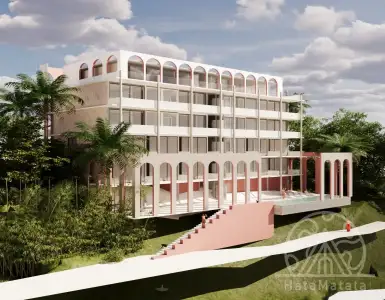
 122 841 $



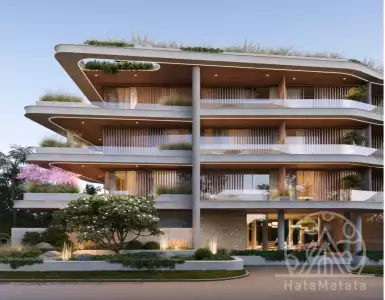 142 189 $
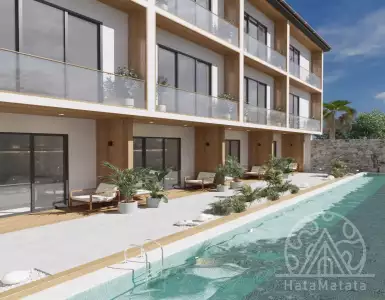 102 550 $
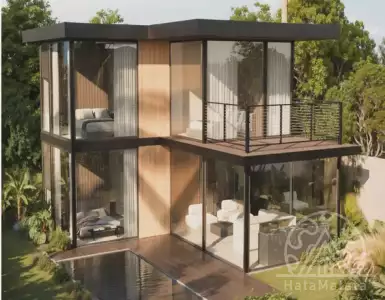 329 039 $
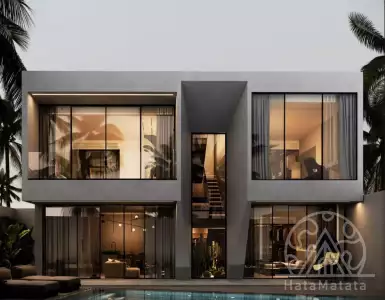 526 463 $
 191 939 $

 605 433 $
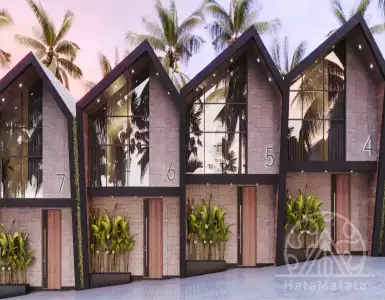 353 169 $
 Legal review:
Deni Gerikhanov, International Real Estate Lawyer
 Financial review:
Evgeniya Skripko, Financial Expert in International Real Estate
Reviewed:
🇮🇩 East Bali flats: coastal views, Candidasa proximity, expat-friendly neighborhoods
East-Bali in Bali, Indonesia, offers a distinctive mix of coastal living, cultural villages, and growing tourist corridors that shape demand for flats across the region. Buyers choose East-Bali for quieter beaches, access to ports (Padangbai), and proximity to cultural hubs such as Ubud and Amlapura, while investors value stable seasonal rental demand and lower entry prices than south Bali. The urban housing market here is a blend of small-scale low-rise apartments, resort-style condominium blocks near Nusa Dua and Sanur, and resale flats built for long-term rentals to expatriates and short-stay tourists.
💶 How much Flat costs in East-Bali
Buying a flat in East-Bali depends on district, project class, and whether the property is a new development or a resale flat in East-Bali. Market prices typically range from IDR 500 million to IDR 7 billion, equivalent approximately to USD 35,000–480,000, with luxury residences in Nusa Dua and Sanur at the top of the range. Average per-square-metre pricing varies widely: IDR 15–40 million/m² for mainstream products and IDR 50–85 million/m² for premium seafront units.
-
Prices by district and typical ranges:
- Sanur: IDR 1.2–4.5 billion for 1–3 bedroom flats; strong expat rental demand.
- Nusa Dua: IDR 3–7 billion for high-end condominiums and resort residences.
- Amlapura / Karangasem: IDR 500 million–1.5 billion for basic flats and small projects.
- Candidasa / Padangbai: IDR 600 million–2 billion for compact resale flats and leaseholds.
-
Prices by property category:
- Studio/1-bedroom resale flat: IDR 500 million–1.5 billion.
- 2–3 bedroom new development flat: IDR 1.2–4 billion.
- Premium/resort residence: IDR 3–7+ billion.
Market dynamics show growing interest for mid-range flats aimed at long-stay tourists and digital nomads, while luxury resort residences keep stable pricing driven by international leisure buyers. Rental yield projections for good locations such as Sanur and Nusa Dua typically range from 4% to 7% gross, depending on management and occupancy.
🎯 Which district of East-Bali to choose for buying flat in East-Bali
Sanur attracts buyers who want reliable infrastructure, calm beaches, and a strong expatriate community that supports year-round rentals. The area has cafes, international clinics, and a consistent flow of mid- to long-stay tourists, giving higher occupancy in furnished flats and stronger long-term rental rates compared with more remote eastern villages.
Nusa Dua is the premium corridor for buyers seeking resort-grade flats and hotel-linked residences with full facilities and gated security. The district benefits from international hotels, a convention center, and top-tier beaches—attributes that support higher nightly rates and stable capital preservation for premium purchases.
Amlapura, Candidasa, and Padangbai suit buyers after lower entry prices and a more authentic Balinese lifestyle. These districts have growing but still limited infrastructure; flats here appeal to buyers targeting long-term relocation, quieter rentals, or owners who require easy ferry access to the Nusa Islands.
- District advantages at a glance:
- Sanur: Infrastructure, healthcare, expat demand, mid-range yields.
- Nusa Dua: Luxury inventory, hotel management, corporate and tourist flows.
- Amlapura / Karangasem: Low prices, cultural authenticity, untapped rental niches.
- Padangbai / Candidasa: Access to ports, quieter tourism, good for second-home buyers.
🏢 Developers and projects offering Flat in East-Bali
East-Bali benefits from both national developer presence and local operators who specialize in resort residences. National names you will see active in Bali projects include Ciputra Group, Mulia Group (noted for Nusa Dua clusters), and large lenders supporting land-backed condominium projects. Local Balinese developers and hospitality groups also convert hotel inventory into sellable flats with strata-title structures.
- Representative developer and operator types:
- Mulia Group: Luxury resort developments and managed residences in Nusa Dua.
- Ciputra Group: National-scale developer with mixed residential projects in Bali.
- Local Balinese developers and boutique operators: Focus on Sanur and coastal flats with small-scale amenities.
Projects vary by format—some are hotel-integrated serviced apartments offering full management and rental pooling, others are stand-alone strata flats with private ownership and the option to list on short-stay platforms. Payment terms from developers commonly include staged payments during construction, early-bird discounts for pre-sales, and handover guarantees managed by reputable notaries.
🧾 Mortgage and installment options for Flat in East-Bali
Getting a mortgage in Indonesia for foreigners is possible but limited; mainstream banks that underwrite property loans include Bank Mandiri, Bank Central Asia (BCA), Bank Negara Indonesia (BNI), and CIMB Niaga. Loan-to-value for foreigners is typically conservative, requiring a down payment of 20–40%, with tenors commonly up to 10–15 years for qualified applicants. Interest rates depend on the product and currency, with common floating ranges around 6–12% annually.
- Bank and developer financing features:
- Bank Mandiri / BCA / BNI / CIMB Niaga: Mortgage products subject to residency status, income proof, and collateral.
- Developer installment plans in East-Bali: Often range 12–36 months interest-free or staged during construction; larger developers may offer extended installment plans with initial deposit + progressive payments.
- Alternative financing: Private financing and overseas mortgages used by some foreign investors, combined with local leasehold titles.
Buyers should prepare documentary requirements such as passport, KITAS or proof of income, Indonesian bank account, and sometimes local guarantors. Developer installment plans in East-Bali can be negotiated for new developments in pre-launch stages, trading smaller up-front payments for staged construction-linked installments.
📝 Step-by-step process to buy Flat in East-Bali
Selecting the right flat begins with location and yield analysis, followed by property inspection and title verification, and ends with signing and registration at the land office. Typical timelines from reservation to registration vary by project maturity—resale transactions can close in 4–8 weeks, while new developments close on developer schedules tied to construction.
- Purchase steps and mandatory costs:
- Selection and reservation: Pay booking fee (typically IDR 10–50 million).
- Due diligence: Verify strata certificate, developer permits (IMB), and land status.
- Preliminary agreement and deposit: Sign a sale-purchase agreement and pay deposit (often 10–30% of price for new units).
- Final payment and transfer: Settle remaining balance; notary executes deed and registers at BPN.
- Mandatory costs: BPHTB tax (typically 5% of acquisition value), notary fees (approx 0.5–1.5%), and administrative fees.
Notary involvement is mandatory for legal transfer; the notary prepares the deed (AJB) and coordinates registration of the strata title with the National Land Agency (BPN). Buyers should request copies of the developer’s building permits (IMB), environmental approvals, and an independent survey where possible.
⚖️ Legal aspects of owning Flat in East-Bali
Ownership structures differ for foreigners and Indonesians—Indonesian nationals may hold Hak Milik (freehold), while foreigners usually acquire flats under Hak Pakai (Right to Use) or long-term lease agreements, often combined with strata-title (Sertifikat Strata). It is essential to ensure the strata title is properly issued and that foreign ownership quotas for a building are respected.
- Key legal and tax obligations:
- Ownership forms: Hak Milik for Indonesians; Hak Pakai or leasehold for foreigners.
- Taxes and fees: BPHTB (approx 5%) on acquisition, annual PBB property tax (low rate, usually a fraction of assessed NJOP), and notary/registration fees.
- Rental rules and permits: Short-stay rentals require compliance with local regulations and tourist accommodation licensing; strata management may impose leasing restrictions.
Buying property does not automatically grant a residence permit or citizenship. Residence permit through property purchase in East-Bali is not a direct entitlement. For longer-term residency, foreigners commonly use investor KITAS through a PMA (foreign-owned company) or other visa pathways. Investor visa routes typically involve significant capital commitments; many investors structure investments through a PMA which requires substantial capital injection—commonly discussed thresholds are in the multiple-hundred-thousand to million-dollar range, depending on business scope and licensing. Citizenship through real estate investment in East-Bali is not available; Indonesian citizenship requires lengthy residency, language and integration criteria.
🏠 Best uses: living, relocation, seasonal residence, rental and investment for Flat in East-Bali
Flats in East-Bali serve multiple buyer profiles: expatriates relocating for work or lifestyle, retirees seeking quieter coastal living, investors targeting holiday rentals, and families looking for a second home. The choice of district and flat type should align with the intended use to optimize ROI on flat in East-Bali and rental yield of flat in East-Bali.
- Matching purpose to districts and property types:
- Permanent relocation or family living: Sanur and nearby Denpasar suburbs for schools, clinics, and daily amenities.
- Seasonal residence and second home flat in East-Bali: Nusa Dua for resort comforts and managed services.
- Investment flat in East-Bali for rental: Sanur and parts of Nusa Dua for higher occupancy; Amlapura and Candidasa for niche long-term rentals and budget tourism.
- Premium segment and holiday pool: Resort residences tied to major brands in Nusa Dua attract premium nightly rates and management services.
Lifestyle considerations such as access to international schools, hospitals, and marinas matter for relocation buyers, while proximity to transport hubs (Padangbai ferry, Ngurah Rai International Airport access via East-West connectors) and touristic nodes matter for investors focused on short-term rental performance.
Looking ahead, East-Bali’s flat market remains anchored by steady domestic tourism, selective international flows, and improving infrastructure that gradually narrows the price gap with south Bali; astute buyers who match location, legal structure, and finance will find opportunities to secure value and rental performance across budget and premium segments.