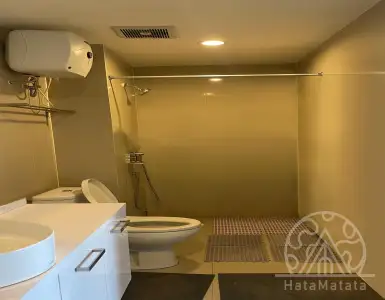
 Park View view 58 185 $
Flat with park view in Kerobokan, Indonesia
Bedrooms: 1 Bathrooms: 2
Kerobokan, Indonesia
Submit RequestDiscover luxury properties in Kerobokan, Indonesia offering tranquil living near city conveniences. Ideal for tropical lifestyle and strong investment potential.
 Lilia Karimova, International Real Estate Market Analyst
Updated:
Park View view 58 185 $
Kerobokan, Indonesia
Submit Request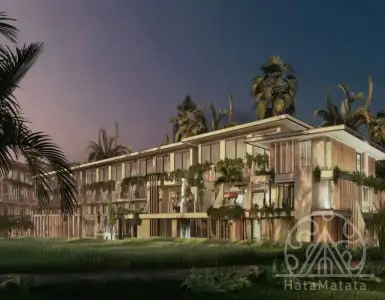 Park View view 125 000 $
Kerobokan, Indonesia
Submit RequestProperties matching your filters: 2
Park View view 58 185 $
Kerobokan, Indonesia
Submit Request
Park View view 125 000 $
Kerobokan, Indonesia
Submit RequestLeave a request and we will pick 3 best options for your budget
Other suggestions: some details may differ from your filters.
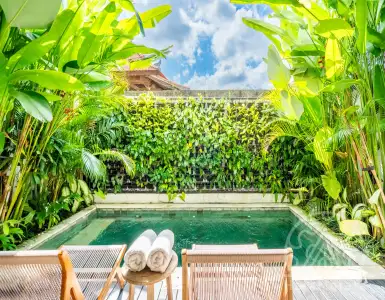 Park View view 219 000 $
Kerobokan, Indonesia
Submit Request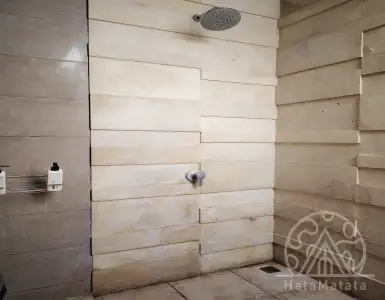 118 958 $
Kerobokan, Indonesia
Submit Request 305 300 $
Kerobokan, Indonesia
Submit Request 230 000 $
Kerobokan, Indonesia
Submit Request 500 000 $
Kerobokan, Indonesia
Submit Request 215 000 $
Kerobokan, Indonesia
Submit Request Legal review:
Deni Gerikhanov, International Real Estate Lawyer
 Financial review:
Evgeniya Skripko, Financial Expert in International Real Estate
Reviewed:
Kerobokan sits at the practical heart of Bali’s premium residential belt, offering a balanced mix of Seminyak energy, Umalas calm, and easy access to Canggu and the airport. For anyone considering to buy flat in Kerobokan, the neighbourhood’s proximity to restaurants, coworking hubs, international schools, and medical facilities shapes a steady demand from expatriates, digital nomads, holiday renters, and local professionals. Distance to Ngurah Rai International Airport is about 12–18 km, and most parts of Kerobokan are within 5–15 minutes of Seminyak by car, making it a transport-efficient location for short- and long-term stays.
Kerobokan’s urban housing stock mixes low-rise apartments, serviced residences, and villa conversions; this diversity supports both resale flat in Kerobokan and new developments in Kerobokan, with different liquidity and yield profiles. Investors looking for stable rental returns favour compact serviced flats near Jalan Raya Kerobokan and Umalas, while buyers seeking lifestyle and premium finishes target pockets closer to Seminyak and Petitenget.
Choosing to buy flat in Kerobokan requires paying attention to zoning (commercial corridors along Raya Kerobokan), flood mapping (lower risk than coastal strips), and neighbourhood character: quiet family lanes versus vibrant dining streets. These local factors directly determine rental demand, price per square metre, and long-term capital appreciation.
Kerobokan is a transitional suburb north of Seminyak inside the North Kuta administrative area, combining residential villages (banjar), small commercial strips and gated compounds. Main streets are Jalan Raya Kerobokan and Jalan Umalas, which host most retail, clinics and coworking spaces that drive daily convenience for flat residents.
Kerobokan’s climate is tropical monsoon with a dry season and wet season; outdoor lifestyle and year-round tourism mean high seasonal occupancy for short-term rental flats, especially those with air conditioning and pool facilities. Average temperature range is about 26–31°C, and demand for well-ventilated, serviced flats is constant.
Kerobokan’s infrastructure includes direct bus and shuttle routes to Seminyak, Kuta, and Denpasar; reliable ride-hailing services; and improving road links toward Canggu. This connectivity increases demand for flats from commuters and holiday guests who prefer staying outside the busiest Seminyak core.
Kerobokan flat prices depend on district pocket, building age and amenities. Market-level guidance is: studio flats (35–45 sqm) typically sell for USD 70,000–150,000, one-bedroom flats (45–70 sqm) for USD 120,000–300,000, and two-bedroom units (70–120 sqm) from USD 200,000 up to USD 500,000 in premium addresses.
Price per square metre ranges are broad: USD 1,200–3,500 per sqm depending on proximity to Seminyak, finish level and whether the unit is freehold title area or leasehold. New developments command a premium; resale flat in Kerobokan can be 10–30% cheaper per sqm depending on maintenance and management.
Market dynamics show steady buyer interest from foreigners and domestic investors. Typical rental yield for flats in Kerobokan is around 4–7% gross, with short-term holiday rentals often delivering higher seasonal peaks but more management overhead.
Kerobokan’s micro-districts suit different buyer profiles. Kerobokan Kelod is ideal for buyers prioritising nightlife and dining access, with strong short-term rental demand and higher per-sqm prices.
Umalas and Kerobokan Kaja are quieter and attract families and longer-term residents; these pockets deliver steadier long-term tenancy and slightly lower prices per sqm.
Areas bordering Seminyak and Petitenget serve premium buyers seeking brand-name restaurants and beach access; these locations show the best capital appreciation over time.
Kerobokan’s apartment market is supplied by a mix of local builders and national developers, with local real estate agencies actively marketing units and managing rentals. Reputable agencies and brokers that regularly handle flats and new developments include: Ray White Bali, Exotiq Property Bali, Seven Stones Indonesia, and Bali Realty.
Developers active in the greater Seminyak–Kerobokan area tend to work with boutique residential projects and serviced apartment conversions rather than large-scale high-rise towers; buyers should prioritise developer track records, as smaller projects rely heavily on construction quality and property management for long-term value.
Typical developer offerings include studio-to-two-bedroom serviced flats with shared pools, parking and on-site management; payment terms can include staged developer installment plans and post-handover maintenance fees.
Foreigners face more limited access to Indonesian residential mortgages than residents, but practical options exist. Indonesian banks rarely grant standard mortgages to individual foreign nationals for residential property—exceptions are available for foreigners who purchase through a locally registered PT PMA (foreign investment company) or through long-term developer financing.
Indicative mortgage context: local mortgage rates for resident borrowers typically range between 7–12%, while structured financing for foreigners—when available—carries higher spreads and stricter collateral rules. Developer installment plans in Kerobokan are commonly used by foreigners: down payments of 20–30% and staged payments tied to construction milestones or extended developer finance up to 24–36 months.
Many buyers therefore choose: developer installment, bank financing from home-country lenders, or cash purchase via the foreigner’s country bank. Always confirm bank acceptance of the title type (Hak Pakai or leasehold) before applying for financing.
Start by shortlisting properties and conducting on-site inspections for noise, drainage and legal documents. Investors should verify strata plans, communal maintenance arrangements, and occupancy history for resale flat in Kerobokan.
Next, secure a reservation with a deposit (commonly 5–10%), then instruct due diligence: title searches, developer bank guarantees, and verification of taxes and encumbrances by a local notary or legal advisor. Contract negotiation leads to signing a Sale and Purchase Agreement; for apartments the notary (PPAT) finalises transfer and registers title under the correct right (Hak Pakai or lease).
Final payment schedules, transfer taxes and registration normally take 4–12 weeks from deposit to full handover; timelines vary where developers stage construction and handover.
Foreigners typically acquire apartment units under Hak Pakai (Right to Use) or long lease agreements rather than full freehold (Hak Milik). For strata-title apartments, developers often allocate units that can be sold to foreigners under Hak Pakai with certificates issued accordingly.
Buying a flat in Kerobokan does not automatically grant a residence permit or citizenship. Residence permit through property purchase in Kerobokan is not available as a direct legal route; foreigners seeking long-term stay usually obtain KITAS via employment, retirement, family reunion or company investment structures. Likewise, Citizenship through real estate investment in Kerobokan is not possible under Indonesian law.
Tax and reporting obligations include property tax (PBB negligible on most urban flats), final income tax on sale (PPh final for sellers), and transfer duties. The notary (PPAT) is central to proper title transfer and registration with the land office.
Kerobokan suits a wide spectrum of buyers. Buyers seeking a second home or seasonal residence favour compact serviced flats near Seminyak for convenience and rental potential. Relocating families prefer Umalas pockets and Kerobokan Kaja for calmer streets and proximity to international schools and clinics.
Investors targeting short-term rental returns choose flats with management, pool and proximity to dining/entertainment nodes to maximise occupancy; ROI on flat in Kerobokan for well-run serviced units can be attractive in gross terms due to high nightly rates in peak season. Long-term buy-and-hold investors who prioritise steady tenancy typically focus on slightly lower-priced blocks with long-term lease contracts.
Premium-segment buyers aiming for lifestyle and capital appreciation focus on Petitenget-adjacent units and high-spec finishes where resale value is strongest.
Kerobokan’s flat market sits within a wider Indonesian property environment where tourism-driven demand, local economic resilience and improving infrastructure continue to support investor interest. As transport links, hospitality offerings and lifestyle services expand across Bali, prospects for buy flat in Kerobokan remain favourable for those who choose the right micro-location, understand legal title types, and use appropriate financing or developer installment plans to optimise cash flow and capital growth.
Looking for a property in Kerobokan? Leave a request — we will help you take into account all the nuances, and we will offer objects according to your personal request.