


Castle in Italy


Choosing a property in Italy for your request
- 🔸 Reliable new buildings and ready-made apartments
- 🔸 Without commissions and intermediaries
- 🔸 Online display and remote transaction
Our managers will help you choose a property

Liliya
International Real Estate Consultant
Need help choosing a property?
Leave a request and our manager will contact you.
Our managers will help you choose a property
Liliya
International Real Estate Consultant

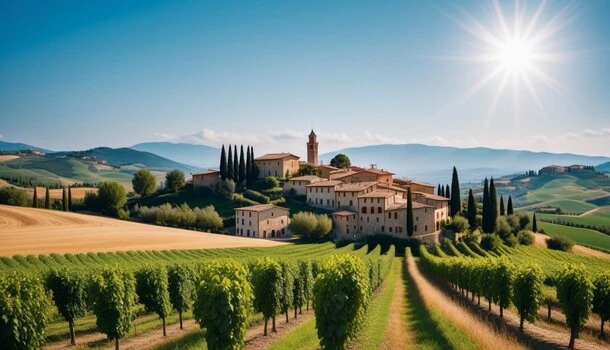
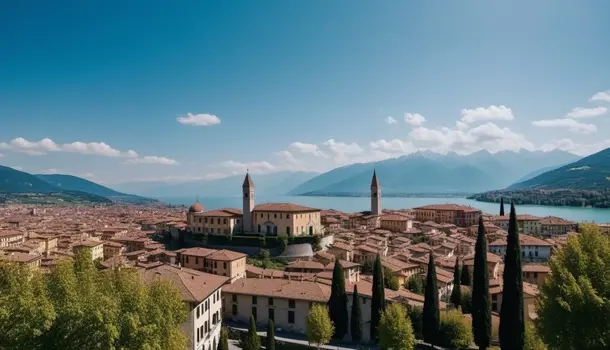
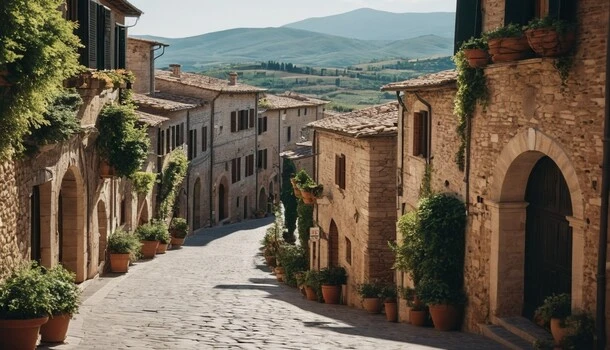
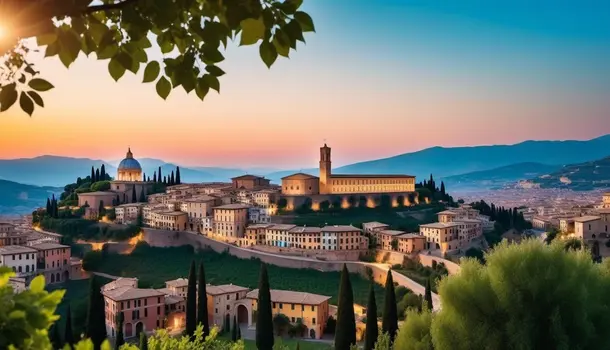
Weather in Italy
For Sale castle in Italy
Castles in Veneto
Castles in Emilia-Romagna
 5
5
 3
3
 625
625
 1
3
301
1
3
301
Choosing a property in Italy for your request
- 🔸 Reliable new buildings and ready-made apartments
- 🔸 Without commissions and intermediaries
- 🔸 Online display and remote transaction
Our managers will help you choose a property
Liliya
International Real Estate Consultant
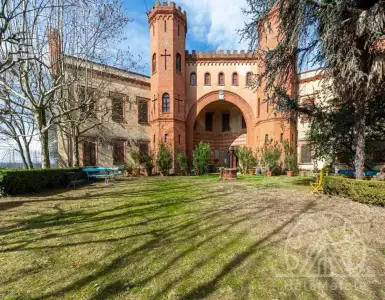
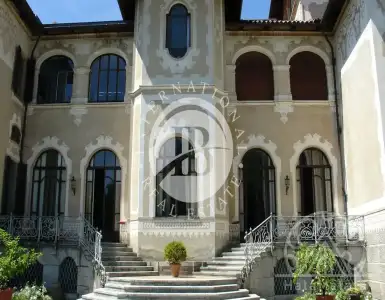
Castles in Piedmont
 9
14
1700
9
14
1700
 12
4
2089
12
4
2089
 5
5
2900
5
5
2900
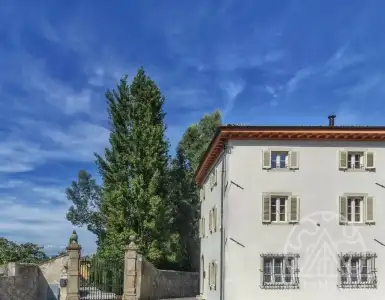
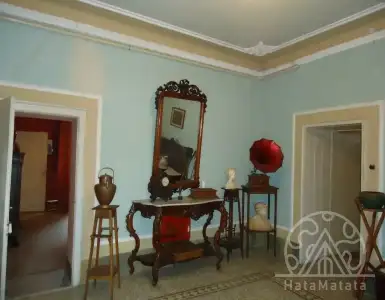
Castles in Tuscany
 3
3
200
3
3
200
 6
700
6
700
Castles in Lazio
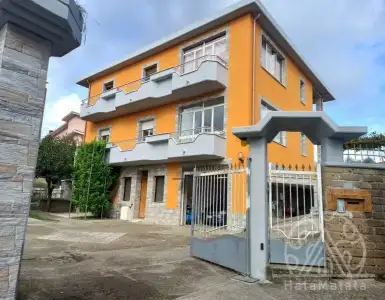 7
5
430
7
5
430
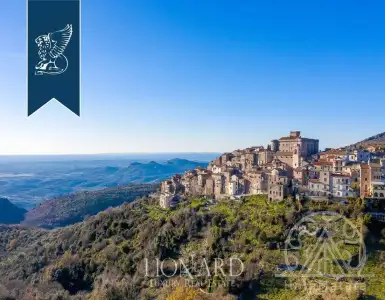 7
2000
7
2000
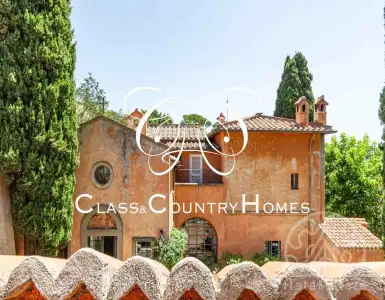 15
9
950
15
9
950
Castles in Umbria
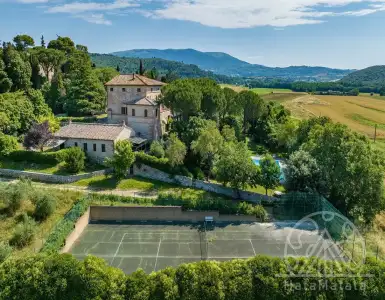
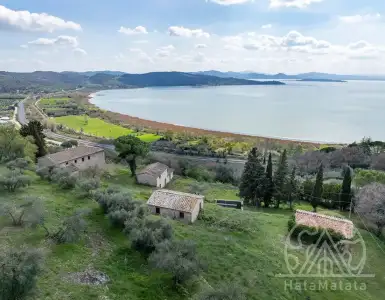 11
10
701
11
10
701
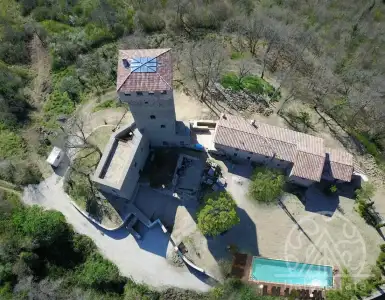 7
8
1012
7
8
1012
Castles in Lombardy
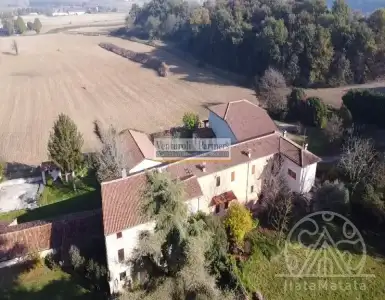
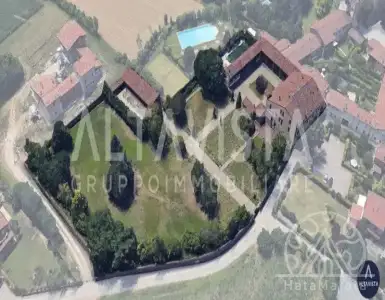
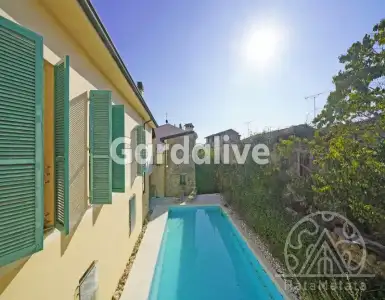
Castle in Italy
Choosing a property in Italy for your request
- 🔸 Reliable new buildings and ready-made apartments
- 🔸 Without commissions and intermediaries
- 🔸 Online display and remote transaction
Our managers will help you choose a property
Liliya
International Real Estate Consultant
Need help choosing a property?
Leave a request and our manager will contact you.
Our managers will help you choose a property
Liliya
International Real Estate Consultant
Individual selection castles in Italy
Save time — for free we will select objects for your budget and goals
🇮🇹 Italian castle ownership, regional prices, legal requirements, taxes, restoration costs
Buying a Castle in Italy is a unique blend of heritage, location strategy and financial planning. Whether you are a private buyer dreaming of a restored medieval stronghold or an investor targeting boutique hospitality, the market combines scarcity, high maintenance obligations and strong tourist demand. This overview explains where castles sell best, what prices look like in US dollars, how Italy’s economy and taxes influence liquidity, and the concrete steps — legal, financial and operational — to complete a purchase and maximize long‑term ROI.
💶 How much Castle costs in Italy — price ranges and market dynamics
Buying a castle in Italy requires recognizing extreme price dispersion: small fortified farmhouses converted into castle-like estates can start from $500,000, while fully restored castles, luxury relais or estates near Florence or Lake Como can exceed $30,000,000. Market dynamics are driven by condition, heritage constraints, land size and proximity to airports and tourist hubs.
Prices by type and region:
- Small fortified manor / cortile (Sicily, Puglia, Umbria): $500,000–$2,500,000.
- Restored castle with hospitality operation (Tuscany, Umbria, Lazio): $2,000,000–$25,000,000.
- Prestigious lakeside or Piedmont castles (Lake Como, Lake Maggiore, Langhe): $5,000,000–$40,000,000.
- Large medieval castle with extensive land (Tuscany, Abruzzo, Sicily): $3,000,000–$20,000,000.
Historic price drivers and trends include rising demand for unique hospitality assets in Tuscany and Umbria, increased foreign purchases around Florence, Rome and Lake Como, and softer supply in northern industrial corridors. Short‑term rental demand lifts value in tourism hotspots but restoration costs and heritage protection can reduce net returns.
🎯 Which region of Italy to choose for buying castle in Italy — location factors
Choosing a region determines both use and yield: Tuscany and Umbria are prime for hospitality conversion due to established agritourism demand and proximity to Florence and Rome. Sicily and Puglia offer lower entry prices and growing appeal for relocation and luxury rentals. Lombardy and Veneto target buyers wanting access to Milan and Venice markets.
Key region attributes:
- Tuscany (Siena, Florence, Chianti): strong tourism, high per‑night rates, premium prices near Siena — average restored castle price $4M–$20M.
- Umbria (Perugia, Orvieto): quieter, strong domestic demand for agritourism, restoration-friendly incentives.
- Puglia and Sicily: cost‑effective buys ($500k–$5M), growing international profile, typical estates include masserie and fortified farms.
Local infrastructure such as Florence Peretola Airport, Rome Fiumicino, Pisa Galileo Galilei, high‑speed Frecciarossa rail lines and the A1 autostrada heavily influence demand and achievable rental yield for castle in Italy.
📈 Italy economy and how it affects Castle market in Italy
Italy is a leading European economy with a strong tourism sector that underpins demand for heritage hospitality assets and second homes. The country’s macro environment features moderate GDP growth, high public debt and a diversified export base; luxury assets tend to be resilient due to international demand.
Investment climate and taxes shape liquidity and investor appetite:
- Tourism flow: Italy receives tens of millions of international visitors annually, fueling short‑term rental demand.
- Tax environment: corporate tax (IRES) and regional tax (IRAP) affect serviced hospitality; personal income tax rates include progressive national brackets plus regional surcharges, which influence net ROI.
- Market effects: investors seeking stable cash flow prefer castles converted to boutique hotels or event venues in Tuscany, Umbria and Lake Como, while speculative buyers target undervalued rural properties in Sicily and Puglia.
🚆 Where to buy Castle in Italy — cities, transport and infrastructure that matter
Accessibility defines value: castles within easy reach of major airports or high‑speed rail stations command premium rates and stronger rental demand. Buyers focused on corporate retreats target proximity to Milan and Turin; leisure investors prioritize Florence, Siena and Rome.
Transport and infrastructure highlights:
- Airports: Rome Fiumicino, Milan Malpensa, Florence Peretola, Pisa, Venice Marco Polo, Naples Capodichino.
- Rail and road: Frecciarossa high‑speed lines link Milan‑Bologna‑Florence‑Rome‑Naples; Autostrada A1 connects the economic north to the south.
- Regional hubs: Florence and Siena (Tuscany), Perugia (Umbria), Palermo (Sicily), Bari and Brindisi (Puglia) are frequent arrival points for guests and useful for staff recruitment.
Price differentials reflect proximity: castles within 90 minutes of Florence or Milan often cost 30–100% more than similar properties in remote inland locations.
🏗️ Developers and famous projects offering Castle in Italy
Italy’s castle market features a mix of private estate restorations and hospitality conversions by established operators and noble families. Leading names and projects include:
- Rosewood Castiglion del Bosco (Tuscany): a restored estate offering private villas and a castle‑style relais, benchmark for high‑end conversions.
- Castello di Casole (Tuscany, formerly Belmond): large estate with restored historic properties operating as luxury hospitality assets.
- Il Borro (Tuscany, owned by the Ferragamo family): integrated development combining village restoration, vineyards and hospitality.
- Castello di Reschio (Umbria): private estate restored and marketed as a luxury rental and residence option.
Developer and operator types: - Luxury hotel groups (Rosewood, Belmond) that buy and convert castles for high ADRs.
- Specialized restoration firms and local developers offering phased conversion plans and installment purchase options.
- Family‑owned estates offering individual villas and historical wings for sale.
💳 Mortgage Italy for foreigners and installment options for castle in Italy
Foreign buyers have access to mortgage products in Italy but conditions are conservative for historic properties. Major banks like UniCredit, Intesa Sanpaolo, BNL BNP Paribas and Credito Emiliano provide lending, often requiring substantial down payments and documentary proof of income and asset origin.
Typical mortgage and installment parameters:
- Down payment: 30–50% for non‑resident buyers; lenders may reduce to 20–30% for EU residents with strong collateral.
- Loan‑to‑value: commonly 50–70% depending on property condition and bank appraisal.
- Interest rate ranges: 2%–5% variable or fixed depending on market conditions and borrower profile.
Developer installment plans are commonly structured for restorations: phased payments tied to project milestones, escrow arrangements and partial financing through developer agreements. Keywords: Mortgage Italy for foreigners, castle in Italy with mortgage, castle in Italy with installment plan.
📝 Legal process to buy castle in Italy — step-by-step practical checklist
The Legal process to buy castle in Italy involves specific checks and formalities that differ from standard residential transactions, particularly for heritage listings. A practical workflow includes due diligence, pre‑contract, notarial closing and registration.
Step sequence and documents:
- Pre‑purchase checks: obtain a visura catastale (land registry extract), check vincoli paesaggistici (landscape and heritage restrictions), and secure a technical survey by an architect or engineer.
- Promissory contract (compromesso): deposit (caparra) typically 10%–30%; specify restoration obligations, penalties and financing clauses.
- Notary closing (rogito): notary confirms title, debits, mortgage discharge and registers transfer with the Conservatoria; final payment and transfer occur at this stage.
Timing and costs: - Typical timeline: due diligence and contract 4–12 weeks, closing depends on financing and bureaucratic permits.
- Closing costs: vary by transaction structure — registration taxes, notary fees and cadastral adjustments frequently add 2%–10% of the purchase price.
Use of specialized local legal counsel and a notary reduces risks linked to heritage protections and easements.
⚖️ Property taxes in Italy for foreigners and legal ownership rules for Castle in Italy
Property ownership in Italy is accessible to foreigners, but tax rules and ongoing obligations must be planned upfront: purchase taxes, annual IMU (municipal property tax), and income taxation on rentals influence net returns.
Key tax items and legal obligations:
- Property taxes: IMU applies to second homes (rates vary by municipality); TASI and local surcharges may apply. Property taxes in Italy for foreigners include registration tax or VAT based on seller type and transaction specifics.
- Rental taxation: rental income is taxable under Italian rules; tourism rentals often require local registration and compliance with municipal regulations.
- Heritage restrictions: many castles are subject to conservation rules, requiring permits for structural changes and potential obligations to preserve facades and interiors.
Residence and investor visas: - Purchase alone does not automatically grant residency or citizenship; specific investor visa programs exist but usually require larger capital thresholds and formal investment structures rather than property purchase alone. Reference phrases: Buy castle as a foreigner in Italy, Residence permit through castle investment in Italy, Golden visa through castle investment in Italy — property purchase should be combined with formal investment plans if visa residency is a goal.
🏠 Which purposes suit Buy castle in Italy and where each scenario is optimal
Castles are versatile assets for living, hospitality, events and long‑term investment depending on location and condition. Living buyers seeking privacy and prestige gravitate to Lake Como, Tuscany and Piedmont; hospitality investors focus on Chianti, Umbria and coastal areas where ADRs and occupancy are higher.
Typical uses and ideal locations:
- Primary residence / relocation: Florence outskirts, Lake Garda and Lake Como for proximity to airports and international schools.
- Seasonal residence / rental: Tuscany and Umbria for high seasonal demand and event hosting.
- Investment castle in Italy: conversion to boutique hotels near Florence or Siena yields premium ADRs but requires significant capex.
- Family compound or private estate: large properties in Abruzzo, Marche and Sicily offer land and privacy at lower entry prices.
Expected yields and ROI: - Rental yield for castle in Italy typically ranges 2%–6% gross, with ROI dependent on restoration costs and operational efficiency; well‑managed hospitality conversions can achieve higher long‑term capital appreciation and stronger ROI on castle in Italy.
Market prospects for castle in Italy remain attractive for buyers focused on long‑term value creation: constrained supply of authentic fortified structures, steady inbound tourism and demand for unique hospitality experiences support capital values in core regions, while rural areas offer opportunities for buyers willing to invest in restoration and operational management.
Frequently Asked Questions
Prices vary widely by condition and location: small ruins or remote castles €100,000–€500,000 (€110k–€550k), restored small castles €500k–€2M (€550k–€2.2M), larger historic castles €2M–€20M (€2.2M–€22M), landmark or luxury castles €20M+. Restoration and heritage constraints often add large, separate costs.
Purchase taxes include either registration tax (often a percentage) or VAT when buying from a company (rates vary, commonly reduced or standard rates). Expect notary fees (typically 1–2% of value), municipal property taxes (IMU), and income/capital gains taxes on rentals or sales. Exact rates depend on buyer status and transaction type.
Many Italian castles fall under cultural heritage rules. Restorations usually require approvals from the regional Soprintendenza or heritage office, building permits (permesso di costruire or SCIA), seismic upgrades and local planning consent. Conservation conditions can limit materials and methods and add mandatory oversight.
Yes, Italian banks and international lenders can offer loans for castle purchases, but LTV often lower (commonly 50–70%), higher scrutiny on condition, and lenders may require valuation and a restoration plan. Non-resident lending is available but terms, rates and required documentation vary by bank.
Annual running costs vary by size and condition: modest restored castles €10,000–€50,000/year; large historic castles €50,000–€250,000+/year. Major items: heating, utilities, insurance, regular maintenance, staff, grounds upkeep, and local taxes. Costs rise sharply with heritage obligations and heating needs.
Long-term stay options include work visas, family reunification, elective residence visa (non-EU applicants with stable funds), and the Italy Investor Visa for qualifying investments. Owning a castle can help prove accommodation but does not automatically grant residency; applicants must meet visa criteria and apply through consulates and Italian immigration authorities.
Yes. If a castle is listed as cultural heritage, use can be restricted: limits on structural changes, façade work, and permitted commercial activities. Local heritage offices may require conservation plans, and some uses (events, rentals) need special authorization. Regional regulations vary across Italy.
You can rent castles, but must comply with local tourism rules: register with the municipality, meet safety and hygiene standards, collect/pay tourist taxes, and follow VAT and business licensing rules if operating commercially. Regional rules and zoning affect short‑term rentals and event hosting.
Income varies by location, condition and use: typical gross yields for whole‑property short‑let rentals often range 2%–6% annually; event or luxury wedding venues can increase revenue but require permits and higher operating costs. Net returns depend heavily on occupancy, seasonality, marketing and maintenance expenses.
Living in an Italian castle offers high quality of life but practical tradeoffs: rural costs can be lower, but infrastructure (roads, public transport) may be limited. Healthcare via Italy’s system is accessible after residency; schooling options exist locally or in nearby towns. Internet quality varies—good for remote work if upgraded. Proximity to airports and services affects convenience.
Properties by Region
- Castles in Tuscany (424)
- Castles in Lombardy (372)
- Castles in Umbria (334)
- Castles in Lazio (210)
- Castles in Liguria (133)
- Castles in Campaign (60)
- Castles in Piedmont (58)
- Castles in Sicily (35)
- Castles in Venice (31)
- Castles in Calabria (27)
- Castles in Puglia (26)
- Castles in Abruzzo (20)
- Castles in Veneto (14)
Properties by Country
- Real estate in Bulgaria (11408)
- Real estate in Montenegro (5186)
- Real estate in Indonesia (2423)
- Real estate in Spain (2289)
- Real estate in Portugal (1975)
- Real estate in Italy (1910)
- Real estate in Turkey (1699)
- Real estate in Cyprus (1594)
- Real estate in Thailand (1565)
- Real estate in Croatia (1431)
- Real estate in Greece (1082)
- Real estate in USA (1013)
- Real estate in France (1006)
- Real estate in Georgia (519)
- Real estate in Serbia (328)
- Real estate in Slovenia (123)
- Real estate in Egypt (23)
Don't know where to start buying a property in Italy?
Leave a request and receive free advice on prices, taxes, residence permits and the real estate market. in Italy.

Maria Guven
Head of Direct Sales Department
+90-507-705-8082