


Real Estate in Tuscany

International Real Estate Consultant
Leave a request and our manager will contact you.
International Real Estate Consultant
Real Estate in Tuscany
International Real Estate Consultant
Leave a request and our manager will contact you.
International Real Estate Consultant
Selection real estate in Tuscany in 15 minutes
Leave a request and we will select the 3 best options for your budget
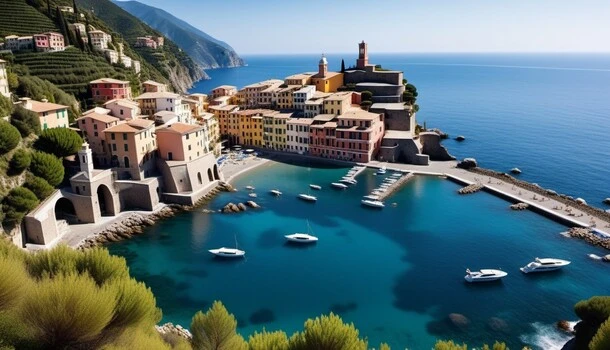
Weather in Tuscany
 !
!
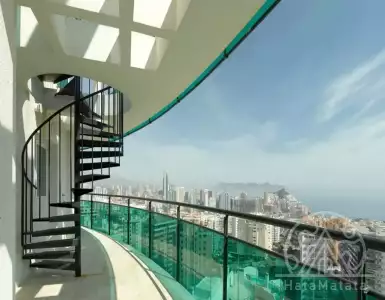
For sale Flat, Spain 211 520 $
📌 A few apartments for sale in Cala de Finestrat - a cozy place between Benidorm and Vieijahoyosa with a...
 !
!
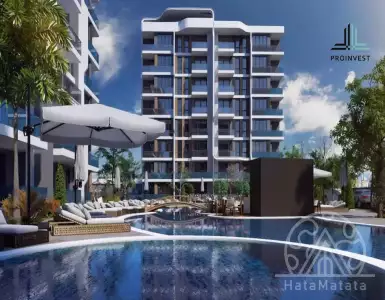
Buy flat, Turkey 167 356 $
ID AN 24382 Main Features: Location:Antalya District:Altintaş Type of property: Housing under construction Number of rooms: 1+1, 2+1
For Sale Real Estate in Tuscany
Flats in Barga


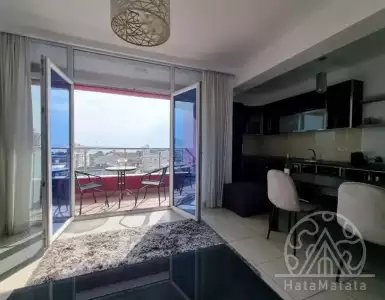
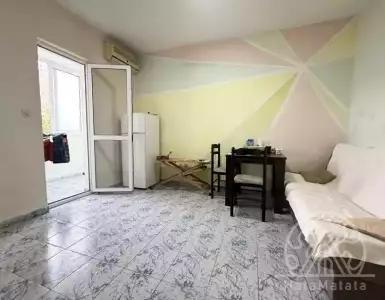
Houses in Grosseto
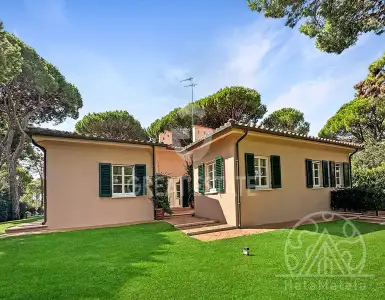
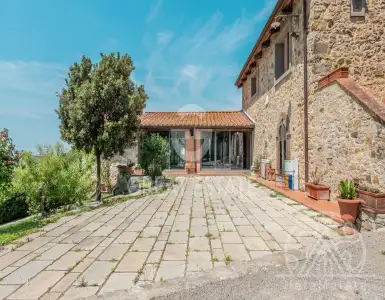
Do you want to buy real estate in Tuscany? We'll tell you where to start
Leave a request and we will select the 3 best options for your budget
International Real Estate Consultant
Villas in Grosseto
Houses in Siena
Houses in Pisa
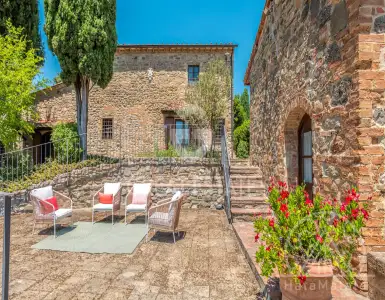
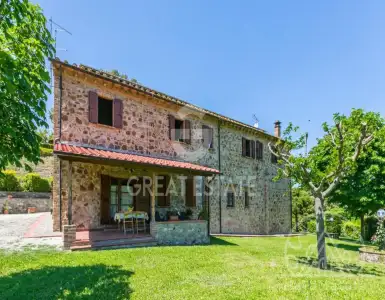
Villas in Arezzo
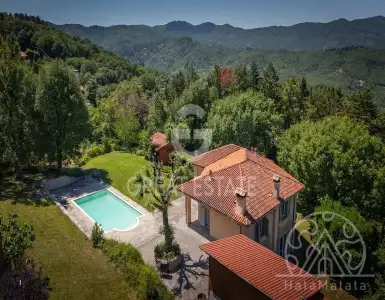
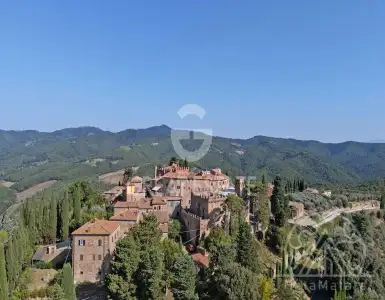
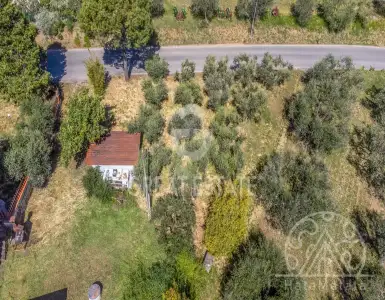
Houses in Arezzo
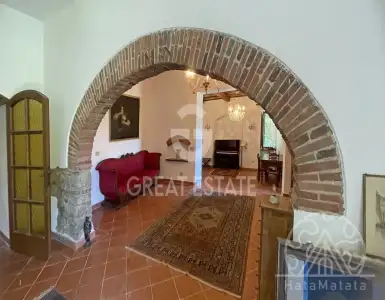
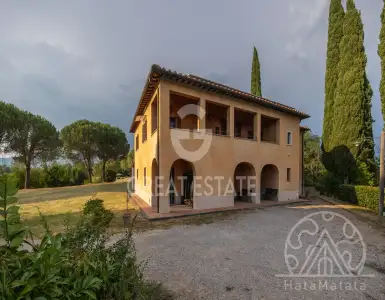
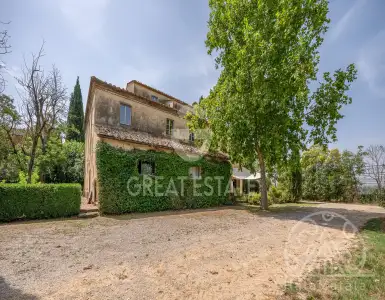
Houses in Florence
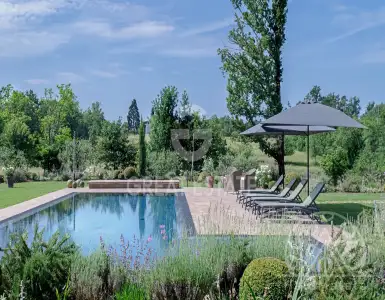
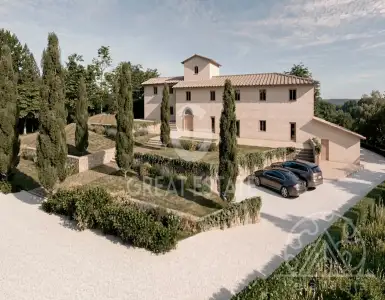
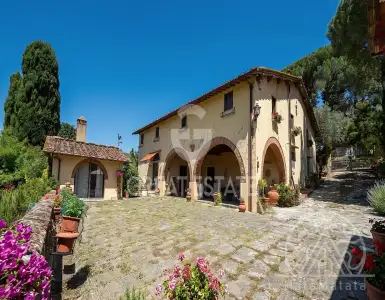
Villas in Siena
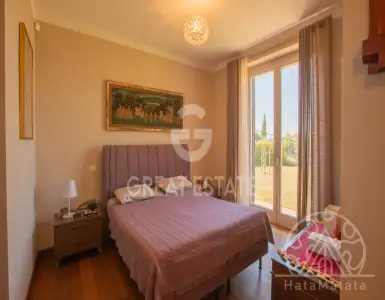
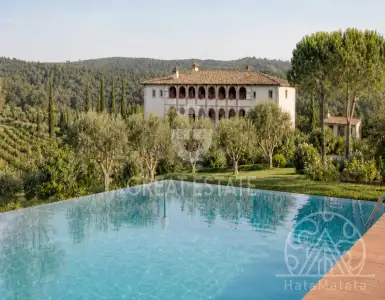
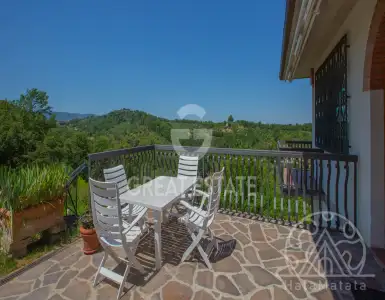
Villas in Florence
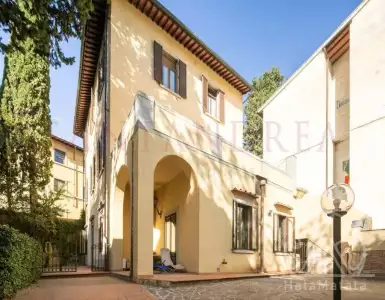
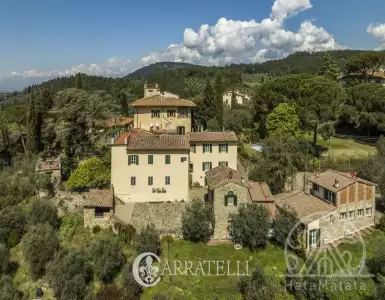
Selection real estate in Tuscany in 15 minutes
Leave a request and we will select the 3 best options for your budget
🇮🇹 Buy property in Tuscany: villas, farmhouses and apartments in Florence, Chianti
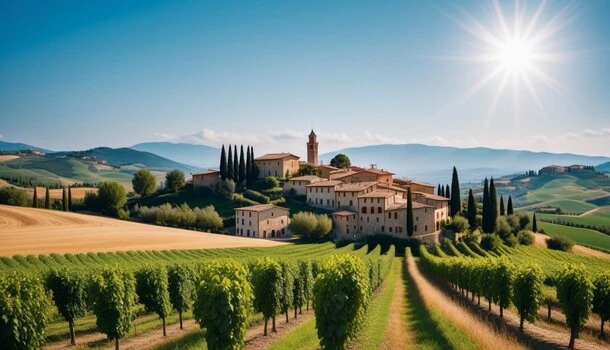
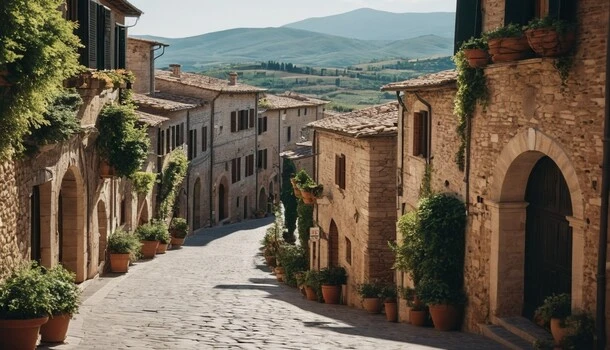
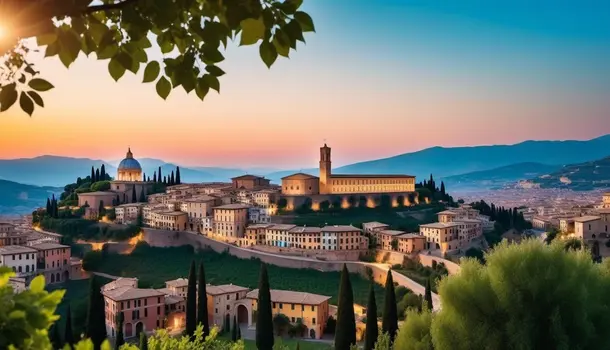
Tuscany is one of the most sought-after regions in Italy for buyers who want culture, landscapes and a diversified real estate market that suits private purchasers and international investors alike. The region combines the historic urban cores of Florence, Siena and Pisa with coastal zones such as Versilia and the Maremma, plus inland wine-country estates across Chianti and the Val d’Orcia. The mix of tourism, creative industries and agriculture keeps demand for property in Tuscany steady, with clear opportunities in both new build and secondary market property in Tuscany.
🗺️ Geography, climate and transport in Tuscany
The region stretches from the Ligurian and Tyrrhenian seas to the Apennines and includes coastal provinces like Lucca, Livorno and Grosseto and inland provinces like Florence, Siena, Arezzo and Pisa. Population is approximately 3.7 million across these provinces, supporting urban, coastal and rural markets. Major transport hubs include Florence Peretola (Amerigo Vespucci) Airport and Pisa Galileo Galilei Airport, both with domestic and international connections and high-speed rail links to Rome and Milan.
The principal motorways are the A1 (Autostrada del Sole) which traverses the region north–south and the A12/A11 along the coast and toward Florence, while ports in Livorno and Piombino handle freight and passenger ferries to islands such as Elba and Capraia. Road infrastructure is complemented by Italy’s high-speed rail (Frecciarossa/Italo) stopping in Florence and increasingly fast connections to Pisa and Arezzo.
The climate ranges from Mediterranean on the coast (mild winters, hot summers) to more continental weather inland and hilltops such as Cortona or the Garfagnana where winters are cooler. Lifestyle infrastructure is strong: University of Florence, University of Pisa and Scuola Normale Superiore provide advanced education; major hospitals include Azienda Ospedaliero-Universitaria Careggi (Florence) and AOU Pisa; cultural and leisure nodes like the Chianti wine route, thermal spas (Saturnia, Montecatini), and ski areas (Abetone) add to year-round appeal.
💶 Property prices in Tuscany
Prices for property in Tuscany vary sharply by city, zone and typology, with historic centres commanding premiums and rural or provincial locations offering value. Central Florence apartments typically range €3,500–€7,500 per sqm for standard units and €6,000–€12,000+ per sqm for prime locations around the Duomo and Oltrarno. Coastal prime addresses such as Forte dei Marmi can reach €8,000–€20,000 per sqm for seaside villas and central apartments.
Secondary market property in smaller towns such as Lucca, Arezzo or Grosseto often trades between €1,200–€3,000 per sqm, while restored farmhouses and casali in Chianti or Val d’Orcia range from €250,000 for small units up to €3–5 million for large estates with land. New build property in Tuscany is frequently priced at a premium when located in regenerated urban areas or as part of luxury resort projects.
Market dynamics show steady demand in tourist and university towns, a growing interest in rural conversions and second homes, and selective buyer activity in the luxury segment. Typical gross rental yields are:
- City centre Florence: 3–5% (long-term rentals), 6–8% (short-term seasonal)
- Coastal Versilia: 3–6% (seasonal spikes)
- Rural Chianti/Maremma: 2.5–5% depending on tourist positioning
🎯 Best areas in Tuscany to buy property
Florence remains the primary hub for capital appreciation and rental demand with desirable neighborhoods including Duomo, Santa Croce, Oltrarno, Novoli and Campo di Marte. Buyers seeking steady tourist and student renters focus on central neighborhoods within walking distance of the historic centre and transport nodes.
Versilia — particularly Forte dei Marmi, Viareggio and Marina di Pietrasanta — attracts luxury buyers and seasonal holiday lets; prices and demand spike in summer months, and buyers here look for villas, beachfront apartments and restored period properties.
The Chianti corridor (towns such as Greve, Castellina and Radda) and Val d’Orcia (Pienza, Montalcino) appeal to buyers seeking wine estates, agriturismo conversions and large rural properties. Coastal southern Tuscany — Argentario, Porto Ercole, Porto Santo Stefano — combines marina facilities with high-end villas and growing interest from international buyers.
🏗️ Major developers and new build projects in Tuscany
National and international developers active in Tuscany include established groups and local construction firms working on urban regeneration and resort projects. Names with a footprint in regional redevelopment and large-scale projects include Risanamento, Prelios, Cassa Depositi e Prestiti Real Estate (CDP) and regional-consolidated developers and restoration specialists.
Typical project types are: waterfront regenerations in coastal towns, brownfield-to-mixed-use conversions in Florence suburbs (Novoli and former industrial zones), and luxury resort restorations in Versilia and Argentario. New build property in Tuscany is often delivered through conversions of historical buildings or discreet modern infill outside conservation areas due to strict heritage regulations.
Buyers interested in new build property in Tuscany should expect:
- Limited supply in historic cores and higher regulatory controls;
- Developer installment plans on off-plan units;
- Higher per‑sqm premiums for ready-to-move units with modern systems and energy certification.
🏦 Mortgages and installment plans for property in Tuscany
Foreign buyers can access financing in Italy and Tuscany through both Italian banks and international lenders, subject to standard underwriting. For non-resident purchasers typical bank financing offers loan-to-value ratios of 60–70%, while Italian residents can sometimes obtain up to 80% LTV on primary residences depending on profile. Down payments usually range from 20–40% on purchases.
Loan terms commonly span 10–30 years with fixed and variable rate options; indicative interest ranges for conventional mortgages sit roughly between 2% and 4.5%, depending on creditworthiness, loan size and rate type. Required documents generally include passport, Codice Fiscale, proof of income/employment, bank statements and an Italian bank account.
Developers frequently offer interest-free installment plans on new build property in Tuscany for off-plan purchases, and some projects allow staged payments linked to construction milestones. Buyers should negotiate mortgage pre-approval and confirm fiscal and notarial costs before committing to a proposal or preliminary contract.
📝 Property purchase process in Tuscany
The purchase workflow follows structured, legally codified steps beginning with a binding offer (proposta) and deposit, usually €5,000–€20,000 to secure the property. The next formal stage is the preliminary contract (compromesso) where a deposit — commonly 10–20% of the purchase price — is paid and contractual conditions are laid out.
Due diligence is carried out by the buyer’s legal counsel and includes verification of title (visura catastale and visura ipotecaria), planning compliance, energy certification (APE) and any outstanding liens; a notary (notaio) is mandatory for the final deed (rogito) which transfers ownership and registers title at the local land registry. Payments are typically by bank transfer into escrow or notary-controlled accounts; cash payments above legal limits are restricted.
Typical closing costs include notary fees, registration and cadastral taxes, and agent commissions; taxes on purchase depend on buyer status and property type — with VAT applicable to certain new builds and a registration tax structure for resale properties.
⚖️ Legal aspects, residence permits and citizenship related to property in Tuscany
Ownership of property in Tuscany does not automatically create entitlement to an Italian residence permit or citizenship. Italy does not operate a direct golden visa for property purchase alone; therefore residence permit through property purchase in Tuscany is not an available legal route by itself.
Foreign nationals seeking residency commonly use other channels such as work permits, family reunification, elective residency (requiring proof of stable non‑employment income), or the official Investor Visa for Italy, which requires specific minimum investments in government bonds, Italian companies or philanthropic projects that do not include pure real estate purchase thresholds. Citizenship through investment is not available; long-term residency pathways to citizenship generally require legal residency for 10 years for non‑EU nationals or shorter periods for marriage or descent.
Practical legal steps for property buyers include obtaining a Codice Fiscale, opening an Italian bank account, registering for local utilities, and registering residence with the local Anagrafe if moving; notary and legal counsel will confirm tax implications and inheritance-related formalities.
📈 Economy and investment potential of real estate in Tuscany
Tuscany’s economy is diversified across tourism, agribusiness (wine and olive oil), advanced manufacturing, design, and a growing services sector anchored in Florence and Pisa. Regional GDP is substantial for Italy and while figures fluctuate, Tuscany’s economy supports strong domestic and international demand for high-quality living and holiday properties. Population of around 3.7 million supports stable urban rental markets, and tourism generates consistent seasonal demand with major cultural hubs and UNESCO sites attracting visitors year-round.
Property investment indicators show stable capital appreciation in core markets and fast recovery potential in properly managed short-term rental products; long-term rental demand benefits from universities and a significant professional workforce in Florence and Pisa. Expected gross yields and ROI depend on segment and location:
- Short-term rental properties in Florence and Versilia can reach gross yields of 5–8% in peak seasons;
- Long-term rentals in university towns generally provide 3–5% gross yield with lower vacancy;
- Agricultural estates and premium villas offer slower income but stronger capital preservation and occasional high-value appreciation.
Infrastructure investments, ongoing urban regeneration and protected landscape status continue to support both secondary market property in Tuscany and targeted new build property in Tuscany projects.
🧭 Buyer scenarios and which properties in Tuscany fit each need
Buyers relocating for work or family often target Florence (neighborhoods: Novoli, Campo di Marte) and Pisa for proximity to hospitals, universities and international connectivity; recommended properties are apartments 60–120 sqm or family homes in commuter towns with good schools.
Holiday home buyers and seasonal investors typically look to Versilia (Forte dei Marmi, Viareggio) and Argentario for seaside villas and apartments; expected purchase sizes range from 50 sqm apartments to 300+ sqm villas, with investors balancing seasonal peak rental income against maintenance and property management costs.
Investors seeking longer-term capital growth and lifestyle diversification favor Chianti and Val d’Orcia farmhouses (casali) with land parcels from 1 to 50 hectares, suited for agriturismo or vineyard conversion; luxury buyers target Porto Ercole and Forte dei Marmi for prestige real estate and low-supply high-demand beachfront properties. Remote workers and second-home buyers increasingly opt for smaller towns with fiber and reliable services, where secondary market property in Tuscany offers value and space for home offices.
There are many pragmatic ways to approach property for sale in Tuscany depending on goals, capital and lifestyle priorities, whether you want a renovated apartment in Florence for rental income, a seaside villa in Versilia for seasonal letting, a restored casale in Chianti for agritourism, or a new build with developer guarantees in a regenerated district. Buying property in Tuscany benefits from thorough due diligence, clear financing plans (mortgage in Italy for foreigners or developer installment plans), and trusted local legal and tax advice to align the purchase with residency goals and tax residency rules. If you want specific numbers for a neighborhood or a checklist tailored to your buyer profile, those practical steps make entering the Tuscany market straightforward and manageable.
Frequently Asked Questions
How much do properties cost in Tuscany per sqm?
Prices vary by area: Florence city center about $3,500–7,000/sqm (€3,200–6,400), Siena/other hill towns $2,500–5,000/sqm (€2,300–4,600), coastal/Versilia $4,500–12,000+/sqm (€4,100–11,000+), rural countryside and villages $1,500–3,000/sqm (€1,400–2,800). Luxury villas and historic estates can be much higher.
Can foreigners buy real estate in Tuscany?
Yes. Non‑EU and EU buyers can purchase property; non‑EU buyers may face reciprocity checks but most transactions proceed. You will need an Italian tax code, ID, and usually an Italian bank account. Buying through a company or trust is possible but has extra tax and reporting implications.
Is Tuscany good for rental investment and yields?
Tourist hubs (Florence, coast, Chianti) have strong short‑term demand. Long‑term gross yields typically 2–6% depending on location; short‑term/vacation rentals can yield 5–10% gross in peak areas but are seasonal. City center assets are more liquid; rural properties take longer to sell.
What is living and relocating to Tuscany like?
Daily life mixes small towns and city services. Florence/Pisa offer hospitals, international schools, trains and airports; smaller towns have basic healthcare and schools. Public transport is good between cities but limited rurally. Expect a slower pace outside cities and plan for car access in countryside.
Is Tuscany suitable for digital nomads or remote work?
Yes in many towns. Cities and larger towns have fiber broadband (100–1,000 Mbps) and co‑working spaces; remote hamlets may have 10–50 Mbps or need fixed wireless/satellite. Lifestyle, food and culture are big draws; long‑stay visas are possible via standard residency or specific visa routes (not automatic with property).
Does buying property give a golden visa or residency in Italy?
No automatic golden visa for simply buying property. Italy’s investor visa requires qualifying investments (bonds, company, philanthropic) rather than ordinary property purchase. Property can support elective/residence permit applications but does not by itself guarantee residency or citizenship; citizenship typically requires long residency or ancestry.
What taxes, fees and timelines apply when buying in Tuscany?
Typical costs: registration/transfer tax 2% (primary home, if eligible) or ~9% (second home) on cadastral value, or VAT 10% on new builds (4% for qualifying first homes). Notary fees and land registry ~1–2% ($1,000s), agent fees ~2–3% common. Typical purchase timeline 6–12 weeks from preliminary contract; mortgages add 2–8 weeks.
Can foreigners get a mortgage for a Tuscany property?
Yes. Italian banks lend to foreigners; non‑residents often get 50–70% LTV, residents up to ~80% depending on profile. Loan terms commonly 10–25 years. Lenders require proof of income, bank statements, tax code and Italian bank account. Interest rates and conditions depend on credit and lender assessment.
Are there renovation or heritage rules for Tuscan homes?
Many historic centers and villas are protected. Any external changes usually need approval (permesso di costruire or SCIA) from the comune and sometimes the Soprintendenza (heritage office). Expect extra permits, stricter materials rules and longer timelines; plan for higher costs per sqm for conservation work.
What common pitfalls should buyers watch for in Tuscany?
Watch unclear titles, cadastral irregularities, missing building permits, underestimated renovation costs (add 10–30%), seasonal rental limits, seismic zoning and insulation needs, and language/legal misunderstandings. Always order a survey, full title search, and consult a local lawyer or notary before committing.
Property by cities
Real estate types in Tuscany
- Houses in Tuscany (304)
- Villas in Tuscany (67)
- Flats in Tuscany (63)
- Castles in Tuscany (23)
- Lands in Tuscany (3)
Real estate types by cities of Tuscany
- Houses in Siena (148)
- Houses in Arezzo (86)
- Flats in Siena (26)
- Houses in Florence (23)
- Villas in Siena (19)
- Houses in Grosseto (17)
- Flats in Florence (13)
- Houses in Pisa (12)
- Villas in Grosseto (11)
- Villas in Arezzo (9)
- Flats in Barga (9)
- Villas in Pisa (5)
- Flats in Arezzo (4)
- Houses in Barga (4)
- Castles in Pisa (3)
- Houses in Lucca (3)
- Lands in Barga (2)
- Houses in Corton (2)
Properties by Region
- Real estate in Tuscany (471)
- Real estate in Umbria (281)
- Real estate in Lazio (201)
- Real estate in Lombardy (162)
Properties by Country
- Real estate in Bulgaria (11431)
- Real estate in Montenegro (5328)
- Real estate in Spain (5197)
- Real estate in Indonesia (2424)
- Real estate in Turkey (2317)
- Real estate in Portugal (2037)
- Real estate in Croatia (1682)
- Real estate in Cyprus (1645)
- Real estate in Italy (1578)
- Real estate in Thailand (1565)
- Real estate in Greece (1120)
- Real estate in France (1070)
- Real estate in USA (732)
- Real estate in Georgia (507)
- Real estate in Serbia (246)
- Real estate in Slovenia (125)
- Real estate in Egypt (20)
Free real estate consultation in Tuscany
Don't know which area to choose in Tuscany? We will tell you in which areas it is better to live or invest, and show you the appropriate options.

Maria Guven
Head of Direct Sales Department
+90-507-705-8082