


Real Estate in Florence
- ✓ Verified properties directly from developers
- ✓ No overpayments or commissions
- ✓ Guarantee of transaction purity and post-purchase support

International Real Estate Consultant
Leave a request and our manager will contact you.
International Real Estate Consultant
 Irina Nikolaeva, Southern Europe Real Estate Expert
Updated:
Irina Nikolaeva, Southern Europe Real Estate Expert
Updated:
Hot Deals

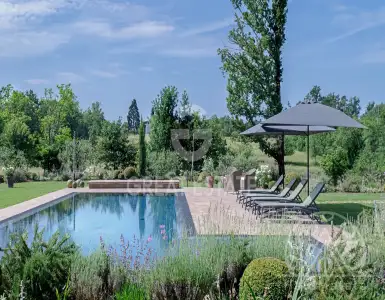
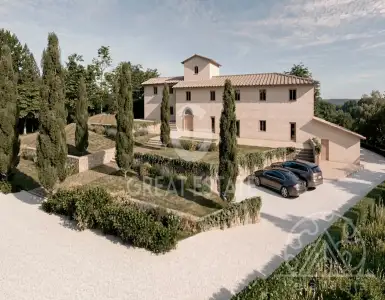
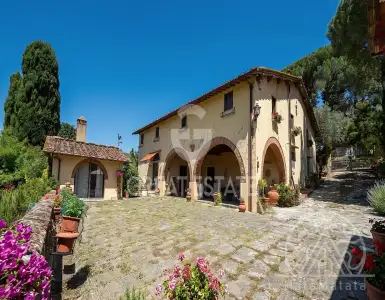
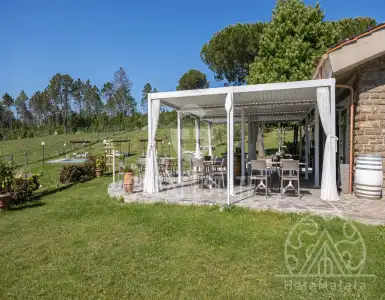
For Sale Real Estate in Florence
44 listings
 7
7
 5
5
 500
500
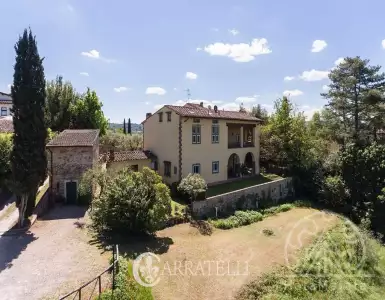
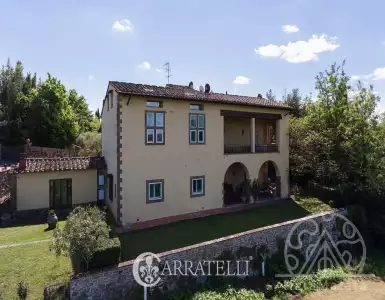
This magnificent estate, uniquely located on the Archetri hill, consists of a beautiful Florentine villa of about 500 square meters,...
Submit Request
 20
20
2500
20
20
2500
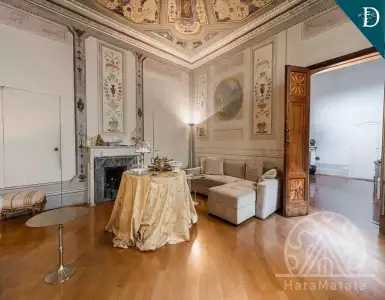
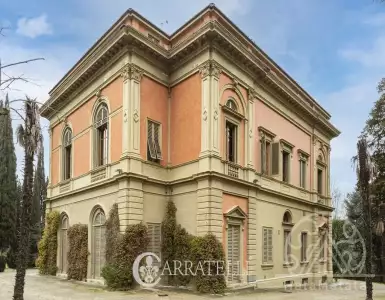
Prestigious Renaissance palace for sale, strategically located in the heart of Florence, with panoramic loggia and breathtaking views of the...
Submit Request




Real estate in Florence for living, investment and residence permit
- ✓ Verified properties directly from developers
- ✓ No overpayments or commissions
- ✓ Guarantee of transaction purity and post-purchase support
International Real Estate Consultant
 7
5
500
7
5
500
Prestigious property in a dominant position on the exclusive Archetri hill, consists of a beautiful typical Florentine villa of about...
Submit Request
 3
2
202
3
2
202
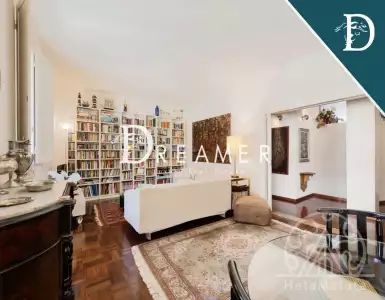
Our exclusive - Apartment for sale in the heart of the center of Florence, a few steps from Ponte Vecchio...
Submit Request


Real Estate in Florence
- ✓ Verified properties directly from developers
- ✓ No overpayments or commissions
- ✓ Guarantee of transaction purity and post-purchase support
International Real Estate Consultant
Leave a request and our manager will contact you.
International Real Estate Consultant
Need help choosing real estate in Florence?
Leave a request and we will select the 3 best options for your budget
 !
!
Sell house in Florence, Italy 1 790 880 $
Located in the Florentine Chianti, a short distance from Florence, this villa rises in a privileged setting. An access driveway...
 !
!
Flat for sale in Florence, Italy 996 177 $
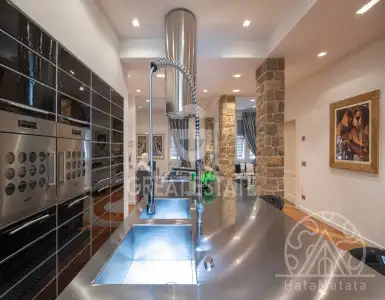
In one of the best served and most well connected areas of Florence, an elegant apartment of approximately 197 sqm...
 Legal review:
Deni Gerikhanov, International Real Estate Lawyer
Legal review:
Deni Gerikhanov, International Real Estate Lawyer
 Financial review:
Evgeniya Skripko, Financial Expert in International Real Estate
Reviewed:
Financial review:
Evgeniya Skripko, Financial Expert in International Real Estate
Reviewed:
🇮🇹 Florence property: centro storico apartments, palazzi, prices and rental yield
Florence, the capital of Tuscany, embodies a rich tapestry woven from centuries of history, art, and culture. It's a city that intrigues with its narrow cobblestone streets, stunning Renaissance architecture, and a lifestyle that effortlessly blends tradition with modernity. Whether you are an art lover wanting to reside among Michelangelo's masterpieces or an investor seeking lucrative opportunities, the charm of Florence is complemented by a thriving real estate market, making it a prime location to buy property.
🌍 City Overview and Lifestyle in Florence
Florence is not just a city; it's a lifestyle. Nestled in the heart of Tuscany, it offers a climate characterized by hot summers and mild winters, making it inviting throughout the year. The city is rich in cultural treasures, including the Uffizi Gallery and the historic Ponte Vecchio bridge. The culinary scene is equally compelling, with traditional Tuscan dishes and world-class wines readily available. Expats and locals alike enjoy vibrant markets, artisanal shops, and an array of parks that serve as green oases within the urban landscape.
Florence is also conveniently located, providing easy access to neighboring regions and cities. Approximately one hour from the stunning beaches of Versilia and just 90 minutes from the majestic landscapes of the Chianti wine region, it is ideal for those who enjoy both the cultural and natural splendors of Tuscany. The city’s robust public transportation system, including buses and trains, connects residents with essential amenities and allows for effortless exploration of nearby attractions.
As a hub for art, education, and innovation, Florence attracts a diverse demographic. Its blend of ancient heritage and contemporary influences appeals to students, professionals, and families looking to establish roots in a city that promises both a rich quality of life and promising economic prospects.
🏙️ Districts and Neighborhoods of Florence
Florence is a city of distinct neighborhoods, each boasting unique characteristics influenced by history, culture, and urban development.
-
Centro Storico: The historical center is perfect for those wishing to stay close to attractions. Property prices here can reach €6,000 to €10,000 per square meter, appealing to affluent buyers drawn to historic charm.
-
Oltrarno: Located across the Arno River, this area is known for its artisan workshops and a slightly more relaxed pace. Prices generally range from €4,000 to €8,000 per square meter.
-
Santa Croce: This neighborhood combines nightlife with historical significance, making it popular among younger buyers and renters. Expect to pay between €3,500 and €7,000 per square meter.
-
Campo di Marte: A residential district favored by families, it offers parks and schools, with property prices between €2,500 and €5,000 per square meter.
-
Novoli: As one of the fastest-developing areas with new shops and universities, Novoli is seeing growing interest, especially among investors, with prices from €2,800 to €4,500 per square meter.
Investors will find that neighborhoods like Novoli provide opportunities for both long-term rentals and resale. The city's overall safety and livability enhance property values, making real estate a sound investment.
💶 Property Prices and Market Overview in Florence
The real estate market in Florence is dynamic, characterized by varying property prices reflecting location, type, and condition.
-
Price Ranges by District:
- Centro Storico: €6,000 - €10,000/m²
- Oltrarno: €4,000 - €8,000/m²
- Santa Croce: €3,500 - €7,000/m²
- Campo di Marte: €2,500 - €5,000/m²
- Novoli: €2,800 - €4,500/m²
-
Property Types:
- Apartments: Prices vary widely, from €200,000 for smaller units in less central areas to over €1 million for luxury apartments in historical buildings.
- Villas: Expect to pay €1 million and up, with some properties exceeding €5 million in locations like Fiesole.
- Commercial Units: The range for commercial properties typically starts at €3,000/m², making it feasible for investors.
The overall average price per square meter in Florence has shown an upward trend, driven by the continuous demand for residential properties, particularly from foreign buyers. The real estate market offers both new developments and resale opportunities, catering to a range of budgets and preferences.
🚆 Transport and Connectivity in Florence
Florence boasts a well-connected transport network that enhances its appeal to both residents and investors.
-
Public Transport: The city is serviced by buses and trams providing easy movement across Florence, while the central train station, Santa Maria Novella, offers high-speed connections to Rome, Milan, and beyond.
-
Road Access: Major highways like the A1 connect Florence with other major Italian cities. It typically takes about 2 hours to reach Bologna and 4 hours to arrive in Milan by car.
-
Average Travel Times: Residents can expect average travel times of 20 minutes from residential districts to the city center, making daily commutes to work or leisure activities manageable.
Connectivity positions Florence not just as a beautiful place to live but also as a practical choice for those who commute for work or enjoy weekend getaways.
🏫 Urban Infrastructure and Amenities in Florence
Florence offers a comprehensive range of essential infrastructure and amenities.
-
Educational Institutions: The city is home to prestigious universities like the University of Florence, attracting both local and international students. Numerous international schools provide education for expatriate families.
-
Healthcare: Florence boasts comprehensive healthcare facilities, including the Careggi University Hospital, one of the largest hospitals in Tuscany, ensuring quality medical services readily available.
-
Recreation: Parks such as the Boboli Gardens provide green space within the city. Shopping centers like Centro Commerciale Firenze cater to retail needs, and cultural spots like the Accademia Gallery assure access to art and history.
The blend of essential services, quality educational institutions, and recreational areas supports a high quality of life, making Florence an attractive city for property buyers seeking not just homes but a community.
📈 Economic Environment and City Development in Florence
Florence has a thriving economy largely driven by tourism, artisanal craftsmanship, and education.
-
Tourism: The city attracts millions of visitors each year, making tourism a vital sector contributing to the local economy. In turn, this demand propels real estate investment in hospitality and rental properties.
-
Business Districts: The presence of business hubs such as the Tecnopolo innovation district emphasizes Florence's role as a center for technology and entrepreneurship.
-
Employment Sectors: Key sectors include fashion, technology, and education, contributing to a robust job market and encouraging investment.
Overall, economic indicators reflect steady growth, providing confidence for property investments in Florence, particularly in the residential and commercial real estate sectors.
🏠 Property Formats and Housing Types in Florence
Florence's property market showcases a variety of housing formats that cater to different lifestyles and buyer preferences.
-
New Developments: Off-plan properties in Florence are gaining popularity, often offering modern amenities and designs appealing to younger families and professionals.
-
Resale Properties: Older, historic buildings attract buyers interested in traditional architecture often found in city-center locations.
-
Villas: For those desiring more space, villas in the surrounding hills of Tuscany offer luxurious living with stunning views, and prices vary based on the location and amenities.
Investment potential differs across property types, with new build properties in Florence often yielding higher ROI due to modernization trends.
🏗️ Developers and Key Residential Projects in Florence
Several reputable developers have made notable contributions to Florence's real estate market.
-
Giannetti Group: Known for high-quality developments featuring energy-efficient designs and luxury finishes. Their projects often cater to foreign investors seeking new builds.
-
Firenze Construzioni: Offers a mix of residential and commercial projects across the city, providing reliable investment opportunities amidst the fluctuating market.
-
BTP Immobiliare: Specializes in restoring historical properties, blending contemporary living with the city’s artistic heritage.
Those interested in investing in real estate will find that partnering with established developers like these enhances the probability of securing quality properties and successful returns.
💳 Mortgage, Financing, and Installment Options in Florence
Financing options for foreign buyers in Florence make property purchases more accessible.
-
Mortgage Options: Italian banks are generally open to lending to foreign buyers, with typical down payment requirements ranging from 20% to 30% of the property value. Expected interest rates hover around 1.5% to 3%, depending on the lender and buyer profile.
-
Installment Plans: Some developers offer property in Florence with installment plans, allowing buyers to spread their payments over a set period after an initial deposit.
-
Loan Terms: Mortgage terms can vary from 15 to 30 years, accommodating different buyer preferences and financial plans.
These options enable both residents and international investors to secure properties in Florence without substantial upfront costs, while still making sound financial decisions.
📝 Property Purchase Process in Florence
Navigating the property purchase process in Florence involves several crucial steps for foreign buyers to understand.
-
Preliminary Research: Identify desired neighborhoods, property types, and establish a budget, including potential financing sources like mortgages.
-
Engagement of a Real Estate Agent: Partnering with a trusted local agent can streamline the process, providing access to listings and market insights.
-
Legal Representation: Consulting with a notary or lawyer ensures compliance with legal requirements and that all documents are adequately handled.
-
Negotiation and Offer: Once a suitable property is found, make an offer. With the help of your agent, negotiate purchase terms and sign a preliminary contract, usually with a 10% deposit.
-
Finalizing Purchase: During the final contract signing at the notary, the remaining balance is paid, and taxes are settled.
This systematic process not only enhances buyer confidence but also ensures that foreign buyers can navigate the Italian real estate landscape with ease.
⚖️ Legal Aspects and Residence Options in Florence
Understanding the legal landscape is essential for foreign buyers in Florence.
-
Ownership Rules: Foreign nationals can buy property in Italy without restrictions, with the same rights afforded to Italians.
-
Taxes: Expect to pay an annual property tax and a registration fee of about 2% to 9% of the property value, depending on the property type and purchase agreement.
-
Residence Permits: While buying property does not automatically grant residency, it can be a stepping stone to applying for a residence permit in Italy, particularly for buyers investing substantial amounts.
To navigate these legal aspects efficiently, it is advisable to engage with professionals specializing in real estate transactions in Italy to understand all requirements and ensure compliance.
🏡 Property Use Cases and Investment Strategies in Florence
Investing in property in Florence offers a multitude of opportunities suited to various goals—be it for personal use or investment income.
-
Long-term Rentals: Areas like Santa Croce and Oltrarno are ideal for long-term rental investments, generating consistent returns from local and expatriate tenants.
-
Short-term Rentals: The city’s tourism makes short-term rentals particularly profitable in districts such as Centro Storico, where visitor demand is high.
-
Permanent Residence: Many buyers seeking a permanent home prefer districts like Campo di Marte for its family-friendly environment and vibrant community.
-
Redo & Resell: Investors can also look for off-plan properties in Florence for potential renovations and resale, capitalizing on the city’s continuously evolving market.
-
Holiday Homes: Properties in surrounding areas such as Fiesole provide the perfect escape for holiday use, while offering investment potential for seasonal visitors.
Florence’s diverse property market presents varied opportunities, catering to different investment strategies and lifestyle choices.
Real estate in Florence represents more than just a financial transaction; it offers a pathway to immerse oneself in a rich tapestry of culture, art, and vibrant community life. Whether you’re looking for a home, an investment, or a blend of both, the diverse districts and myriad properties available ensure that Florence can fulfill your real estate aspirations while promising an engaging lifestyle at the heart of Tuscany.
Frequently Asked Questions
How much does property cost in Florence by area?
Florence prices vary by location and type. Expect central historic areas (Duomo, Santa Croce) roughly USD $4,300–$7,500/m² (€4,000–€7,000/m²). Inner ring neighborhoods (Oltrarno, Sant’Ambrogio) about $3,200–$4,700/m² (€3,000–€4,400/m²). Suburbs and outskirts (Novoli, Rifredi) $1,600–$2,700/m² (€1,500–€2,500/m²). Typical 1-bed central flats sell around $200k–$400k; larger or historic units cost more.
Can a foreigner buy property in Florence?
Yes. Most non-EU and EU nationals can buy in Florence without residency; purchases may be subject to reciprocity for some nationalities. You’ll need ID, tax code (codice fiscale), and a local bank account for transactions. Residency isn’t required to own, but buying as a non-resident affects taxes and mortgage access. Consult local legal advice to verify any reciprocity limits for your citizenship.
Is Florence good for real estate investment?
Florence has steady tourist and student demand. Long-term gross yields typically 3–4% citywide; well-located short-term rentals can reach 4–6% gross with seasonal peaks. Tourist-season occupancy in central areas often 60–75%. Liquidity is strong for central, smaller units; larger historic properties sell slower. Consider seasonality, tourist regulation and transaction costs when modelling returns.
What taxes and transaction costs should I expect in Florence?
Expect 2–10% extra on top of price: purchase taxes depend on status (reduced rates for primary residence; common rates ~2% or ~9% of cadastral value), notary and registration fees, and agent fees often 1–3% each side. New-builds may include VAT (4–10–22% depending on case). Annual property taxes (IMU) vary by municipality; primary homes can be exempt. Capital gains may be taxable if sold within 5 years.
Which Florence neighborhoods are best for living or renting?
For short-term rental income: historic centre (Duomo, Santa Croce) and Oltrarno close to sights. For everyday living with character: Oltrarno, Santo Spirito, Gavinana. Families and long-term residents often choose Careggi, Isolotto, or Novoli for space, schools and transport. Novoli and Rifredi offer newer buildings and better value for buyers prioritizing space and commutes.
What are Florence short-term rental rules and seasonality?
Florence requires hosts to register tourist accommodation details with local authorities and collect a municipal tourist tax (typically USD $2–$5/night [€2–€5], depending on length and category). Central areas see peak demand spring–summer and holidays; occupancy falls in low season. Check local limits on STRs in historic ZTL zones and ensure compliance to avoid fines.
Is Florence suitable for digital nomads or remote work?
Yes. Florence offers reliable fibre and 4G/5G coverage in central areas with coworking spots and cafes. Lifestyle, culture and short travel links are attractive. For long stays you can use Schengen 90/180 rules, or apply for elective residence or investor visas to stay longer; residency allows SSN registration and healthcare access. Expect good quality of life but plan for language and administrative steps.
What should I check when buying off-plan in Florence?
Verify building permits, bank guarantees on deposits, a clear contract with completion and penalty clauses, and that the plot has no liens. Insist on escrow or insured deposit protections and proof of contractor solvency. Ask for a timeline with milestones and a delivery warranty. Have a notary review title and permits before signing to reduce construction-stage risks.
How long does buying property in Florence usually take?
Typical timelines: offer to private sale contract 2–4 weeks; due diligence and notarised final deed 6–8 weeks after reservation. Total process often 2–6 months depending on mortgages, searches and seller readiness. New builds or off-plan can take longer (contracted completion timelines). Factor extra time for non-EU paperwork, mortgages and tax code issuance.
How does buying to live differ from buying to rent in Florence?
Buying to live prioritises size, schools, neighbourhood lifestyle and long-term costs; central small flats may be less practical for families. Buying to rent focuses on location, low-maintenance finishes, and occupancy (near attractions, transport, universities). Investment purchases must model taxes, tourist rules and yields; owner-occupier purchases can qualify for tax breaks on primary residence.
Property by cities
- Real estate in Siena (200)
- Real estate in Arezzo (100)
- Real estate in Pisa (23)
- Real estate in Barga (15)
Properties by Region
- Real estate in Tuscany (479)
- Real estate in Umbria (269)
- Real estate in Lazio (201)
- Real estate in Lombardy (162)
Services in Florence
Properties by Country
- Real estate in Bulgaria (11420)
- Real estate in Montenegro (5419)
- Real estate in Spain (5202)
- Real estate in Turkey (2802)
- Real estate in Indonesia (2424)
- Real estate in Portugal (2037)
- Real estate in Cyprus (1635)
- Real estate in Italy (1573)
- Real estate in Thailand (1565)
- Real estate in Greece (1120)
- Real estate in France (1070)
- Real estate in Croatia (869)
- Real estate in USA (732)
- Real estate in Georgia (507)
- Real estate in Serbia (251)
- Real estate in Slovenia (125)
- Real estate in Egypt (20)
Get the advice of a real estate expert in Florence — within 1 hour
Looking for a property in Florence? Leave a request — we will help you take into account all the nuances, and we will offer objects according to your personal request.

Maria Guven
Head of Direct Sales Department
+90-507-705-8082