


Real Estate in Umbria

International Real Estate Consultant
Leave a request and our manager will contact you.
International Real Estate Consultant
 Irina Nikolaeva, Southern Europe Real Estate Expert
Updated:
Irina Nikolaeva, Southern Europe Real Estate Expert
Updated:
Real Estate in Umbria
International Real Estate Consultant
Leave a request and our manager will contact you.
International Real Estate Consultant
Selection real estate in Umbria in 15 minutes
Leave a request and we will select the 3 best options for your budget
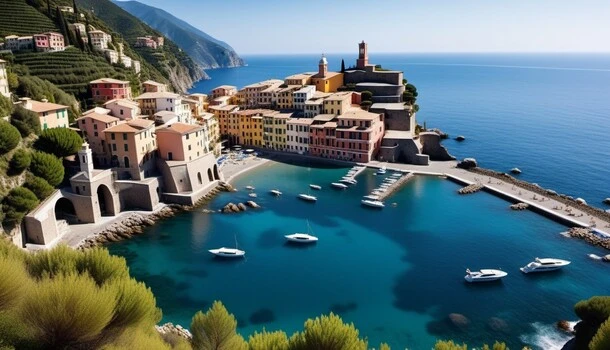
Weather in Umbria
 !
!
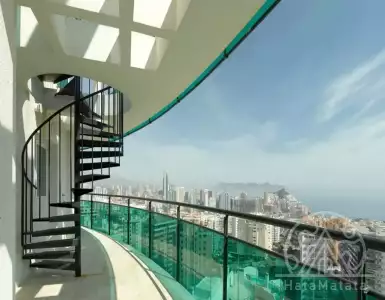
For sale Flat, Spain 206 879 $
📌 A few apartments for sale in Cala de Finestrat - a cozy place between Benidorm and Vieijahoyosa with a...
 !
!
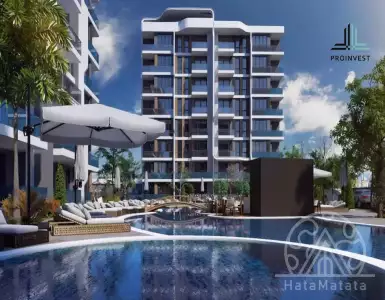
Buy flat, Turkey 163 684 $
ID AN 24382 Main Features: Location:Antalya District:Altintaş Type of property: Housing under construction Number of rooms: 1+1, 2+1
For Sale Real Estate in Umbria
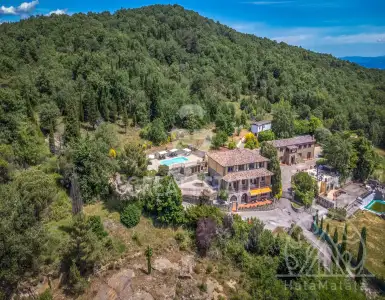
Villas in Perugia
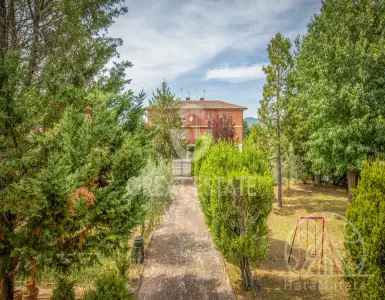


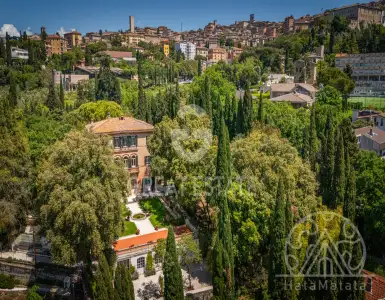
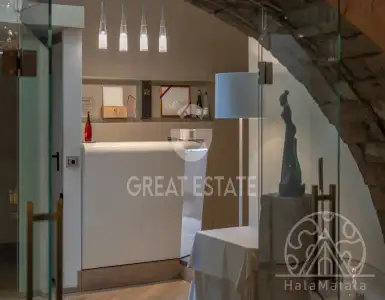
Flats in Perugia
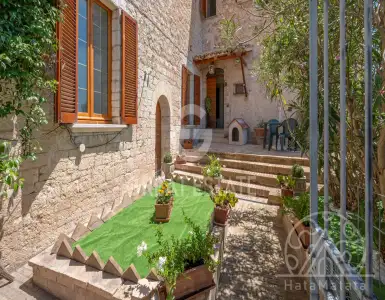
Do you want to buy real estate in Umbria? We'll tell you where to start
Leave a request and we will select the 3 best options for your budget
International Real Estate Consultant
Houses in Terney
Flats in Terney

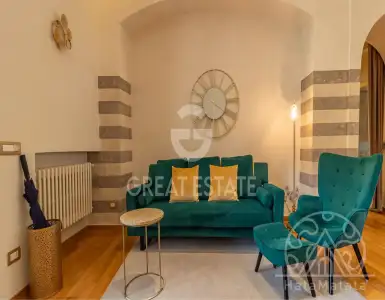
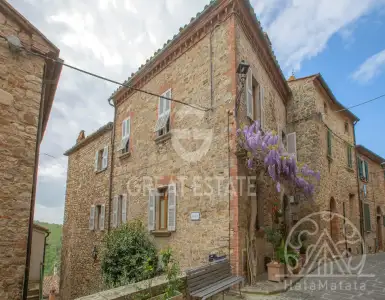
Villas in Terney
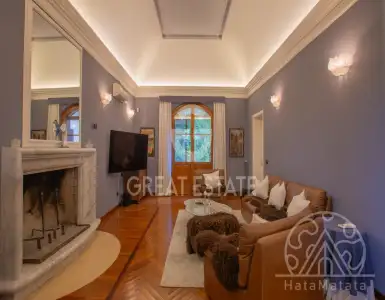
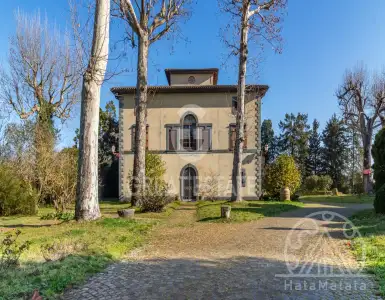
Houses in Perugia

Selection real estate in Umbria in 15 minutes
Leave a request and we will select the 3 best options for your budget
 Legal review:
Deni Gerikhanov, International Real Estate Lawyer
Legal review:
Deni Gerikhanov, International Real Estate Lawyer
 Financial review:
Evgeniya Skripko, Financial Expert in International Real Estate
Reviewed:
Financial review:
Evgeniya Skripko, Financial Expert in International Real Estate
Reviewed:
🇮🇹 Umbria real estate in Perugia & Terni: prices, market data and purchase costs
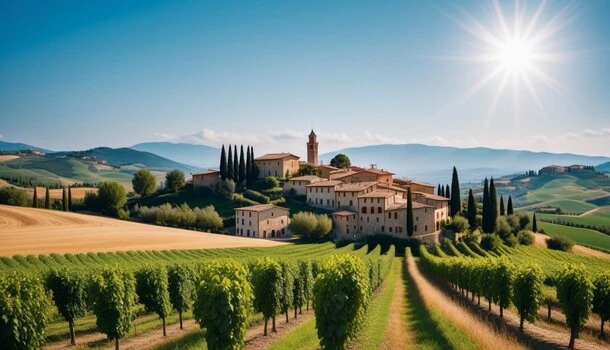
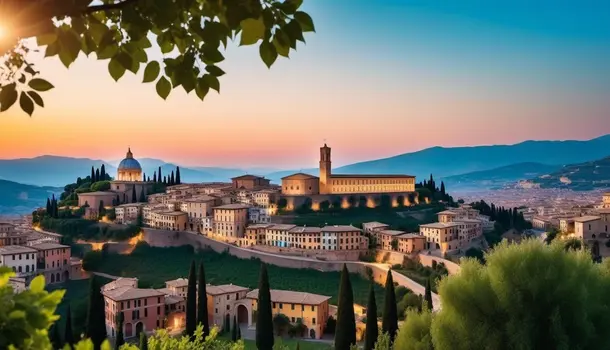
Umbria sits at the geographic heart of Italy and offers a rare combination of accessible infrastructure, preserved countryside and stable property markets that appeal to private buyers and international investors alike. The region’s towns—Perugia, Assisi, Todi, Orvieto, Spoleto, Città di Castello and Gubbio—combine good transport links, established medical and educational services and a steady stream of cultural tourism, all of which support durable demand for property in Umbria.
💠 Geography and climate of Umbria with transport and infrastructure
Umbria covers an area of about 8,456 km² and has a population close to 880,000, providing a balance between small-city amenities and rural tranquillity. The region is landlocked, bordered by Tuscany, Marche and Lazio, and benefits from the A1 Autostrada corridor (the nearest direct A1 access at Orte and Valfabbrica) and the E45 north–south artery that links Cesena to Terni and further south; both corridors support freight and commuter flows.
Umbria has efficient regional rail nodes: Perugia Ponte San Giovanni, Foligno, Terni and Orvieto stations connect to national lines; high-speed rail travelers reach Umbria via Orte (on the Rome–Florence axis) or Terontola/Chiusi junctions. San Francesco d’Assisi – Perugia Airport (PEG) offers domestic and seasonal international flights, while Rome Fiumicino and Florence airports are within a 2–3 hour drive.
Umbria’s healthcare and education infrastructure is concentrated in the main cities: Ospedale Santa Maria della Misericordia (Perugia), Azienda Ospedaliera di Terni, hospitals in Foligno and Spoleto; the region is served by Azienda USL Umbria health networks. Higher education includes the University of Perugia (founded 1308) and the University for Foreigners of Perugia, both of which draw students and academic staff who support rental demand and local services.
💶 Property prices in Umbria: values, segments and market dynamics
Property prices in Umbria sit below prime Tuscan levels but above many rural inland areas of southern Italy, creating value for buyers seeking quality without premium premiums. Typical asking prices vary by type and location:
- Apartments in Perugia city centre: €1,600–€3,000/sqm depending on condition and proximity to Corso Vannucci.
- Todi, Orvieto, Spoleto historic houses: €1,800–€4,000/sqm for fully restored properties in hilltop centres.
- Lake Trasimeno and villas in the countryside: €1,200–€2,800/sqm, with standalone villas from €250,000 to €1.8M depending on land and finish.
- Farmhouses and country estates: €150,000 for small restored casali up to several million euros for large agriturismi with land.
Market dynamics show steady domestic demand for secondary homes and restoration projects, while international buyers, particularly from the UK, Germany, the Netherlands and the US, focus on Todi, Assisi, Lake Trasimeno and Perugia. Sales velocity increases in spring and autumn and the market shows a preference for quality restorations and energy-efficient retrofits.
🎯 Best areas in Umbria to buy property and neighbourhood specifics
Perugia offers a mix of university-driven rental demand and administrative services; neighbourhoods to watch include Centro Storico / Corso Vannucci (tourist and premium), Ponte San Giovanni (family-friendly, commuter links) and Fontivegge (urban regeneration).
Assisi combines pilgrimage tourism and conservation rules that keep supply limited; central Assisi hilltop properties retain strong price resilience and attract short-term rental income from pilgrims and cultural tourists.
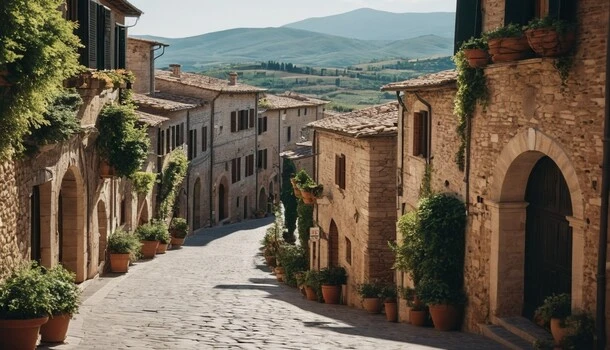
Todi and Orvieto are archetypes of Umbrian hill towns with high restoration standards and international buyers seeking lifestyle homes; in both towns, restored palazzos and townhouses command higher per-square-metre values. Lake Trasimeno and the Valnerina valley provide countryside villas and agritourism opportunities; key locational pockets include Passignano sul Trasimeno, Castiglione del Lago and Spello.
- Benefits by location:
- Perugia: universities, hospitals, transport hubs.
- Assisi: pilgrimage tourism and UNESCO-level cultural pull.
- Todi/Orvieto: premium historic living and resale stability.
- Trasimeno/Valnerina: agritourism potential and private villas.
🏗️ Developers and notable projects in Umbria
Large, national-scale residential developers are less dominant in Umbria than in metropolitan areas; the market is characterized by small-to-medium local builders and specialised restoration firms. National real-estate networks and brokerages such as Gabetti, Engel & Völkers and Tecnocasa operate regionally and handle many cross-border transactions and new-build offers.
Regional public and EU-funded programmes support regeneration of historic centres and peripheral infrastructure; Regione Umbria coordinates “borghi” revitalisation projects and provides incentives for energy efficiency and seismic upgrades (Sisma Bonus provisions apply in seismic zones).
Private restoration specialists frequently deliver boutique conversions of farmhouses and palazzi; institutional involvement comes from regional credit institutions and funds for larger hospitality conversions around Lake Trasimeno and in Perugia’s Fontivegge regeneration area.
🧾 Mortgages and installment plans for property in Umbria
Italian banks provide mortgages to non-residents and foreigners, subject to borrower profile and property type. Typical terms for non-resident buyers: loan-to-value (LTV) up to 60–70%, although resident borrowers may achieve up to 80% LTV in some cases. Down payments commonly range from 20% to 40% for foreign purchasers.
Interest rates depend on lender risk and term: borrowers can expect fixed rates from around 2.5%–4% and variable packages from around 1.5% plus Euribor up to 4–5%, with tenors up to 20–30 years available for mortgages in Italy for foreigners. Banks require a codice fiscale, an Italian bank account, employment and income verification or foreign income documentation.
Developers in Umbria—especially for restorations or small new-builds—often propose interest-free installment plans, staged payments tied to completion milestones; these are attractive for buyers seeking a property in Umbria with installment plan rather than a bank mortgage.
🏛️ Property purchase process in Umbria step-by-step
The purchase pathway follows the Italian standard: selection, negotiation, preliminary contract (compromesso), due diligence and final notarial deed (rogito). Buyers typically pay a reservation deposit to secure the property and then sign the compromesso with a deposit usually 10–30% of the purchase price.
Legal and technical due diligence includes verifying cadastral maps (visure catastali), energy performance certificates (APE), building permits (permessi a costruire) and any municipal constraints; buyers frequently instruct a local lawyer or notary to check liens and servitudes.
Final payment and transfer are executed before a notaio in a public deed (rogito); taxes and registration fees are settled at closing. Common payment methods include bank transfers (with traceability), escrow through the notary and staged developer payments for new builds.
⚖️ Legal aspects, residence permits and citizenship linked to property in Umbria
Buying property in Umbria or anywhere in Italy does not automatically create entitlement to residency or citizenship. Residence permit by real estate investment in Umbria is not a direct route; typical legal pathways to move to Italy include work visas, family reunification and elective residence for financially independent persons.
Italy’s Investor Visa is available for high-value investors but mandates specific financial thresholds—€2 million in Italian government bonds, €1 million in philanthropic donations or €500,000 into an Italian company—and is not satisfied merely by purchasing residential real estate.
Citizenship by real estate investment is not available in Italy; citizenship options remain by descent (jure sanguinis), marriage or naturalisation after legal residence (usually 10 years for non-EU citizens). Property ownership does, however, help support residence applications such as elective residence (proof of accommodation and stable income).
📈 Economy and investment potential for real estate in Umbria
Umbria’s regional GDP is approximately €22 billion, a compact economy where agriculture (olive oil, wine), food processing, ceramics, light manufacturing and tourism are significant drivers. The region’s SME-driven economy means steady local employment and predictable housing demand in towns hosting industrial clusters and service sectors.
Tourism fuels short-term rental demand in cultural hubs: Assisi attracts cultural and pilgrimage tourism with millions of visitors to its basilicas and festivals, while Perugia draws students and business visitors. Typical gross rental yields vary: long-term rentals 2–4% gross, short-term holiday rentals 3–7% gross depending on location and seasonality.
Investment cases that perform well include renovated historic homes in Todi and Orvieto for medium-term rentals, agriturismi and lakefront villas around Lake Trasimeno for seasonal income, and Perugia apartments for student and hospital staff rentals.
🧭 Buyer scenarios and which property in Umbria fits each profile
Private buyers seeking a second home or seasonal living often look to Todi, Orvieto and Lake Trasimeno for lifestyle, tranquillity and appreciation potential. Families relocating for quality of life typically target Perugia (good schools, hospitals and transport) and Foligno/Terni for affordability and commuting options.
Investors seeking rental income should prioritise Perugia (near university and hospital) for stable long-term tenants, Assisi and Spoleto for short-term tourism rentals and Passignano sul Trasimeno for vacation lettings with strong summer demand. Buyers interested in restoration projects or agritourism should expect larger plots from 1–10 hectares and renovation budgets starting around €50,000–€200,000 depending on scope.
New build property in Umbria appears most often as small developments or conversions rather than large suburban estates; secondary market property in Umbria remains robust for renovated historic homes with modern comforts and documented energy upgrades.
Umbria rewards buyers who value cultural authenticity, infrastructure adequacy and steady market fundamentals. Whether you are looking to buy property in Umbria as a family home, a rental investment, a restored country estate or a new build apartment, the selection process benefits from local technical due diligence, realistic budgeting for renovation and a clear financing strategy—banks, developer installment plans and regional incentives all play a defined role in turning an Umbrian property purchase into a sustainable asset.
Frequently Asked Questions
How much do properties cost in Umbria?
Average asking prices in Umbria range widely: roughly $1,300–$1,800/sqm (€1,200–€1,600/sqm). City centers (Perugia, Spoleto) can be $1,700–$2,500/sqm. Small village cottages or rural fixer-uppers often sell from $40,000–$250,000 total. Prices vary by location, condition and accessibility; prime historic homes command higher premiums.
Can foreigners buy real estate in Umbria?
Yes. Most foreigners (EU and non-EU) can buy freehold property in Umbria. You’ll need an Italian tax code (codice fiscale), a notarized deed, and payment via Italian bank transfer. Some rare land near borders or special-use properties may have restrictions. Legal checks and a notary are essential to confirm clear title and permits.
What rental yields does Umbria offer investors?
Typical gross yields: long-term rentals 3–5% in towns; holiday/short-term rentals 4–8% in tourist hotspots. Rural agriturismo conversions can yield higher but are seasonal. Liquidity is moderate: resale often takes 6–24 months depending on location. Factor in seasonal demand, management costs and local occupancy rates.
Is Umbria good for relocating with family?
Yes for family life: good public healthcare network, provincial hospitals, local schools (Italian public and some private), quiet towns, and affordable living. Public transport is limited outside towns—car recommended. Major airports are a drive away. Expect slower urban services than large cities but strong community life and lower living costs.
Can I be a digital nomad in Umbria?
Yes in towns. Fibre broadband (100–1,000 Mbps) reaches Perugia, Terni and larger towns; rural areas often have ADSL (5–30 Mbps) or require 4G/5G or satellite. Coworking options are limited outside cities. Long stays are feasible but check connectivity, workspace and residency/visa rules for your nationality.
Does buying property grant residency or a golden visa?
No — buying property alone does not grant automatic residency or a golden visa. Italy offers an investor visa with high thresholds (e.g., €500k+ in an Italian company, €1M+ philanthropic, or €2M+ government bonds). Long-term residency may follow standard residency permits; citizenship usually requires long-term legal residence (typically many years).
What taxes and closing costs should I expect in Umbria?
Typical costs: registration tax on resale purchases often 2% of cadastral value for primary home or 9% for second homes (paid instead of VAT), notary fees ~1–2.5% of price, agent commission ~2–4% each party, cadastral/mortgage stamp ~€50–€200. Annual property taxes (IMU/TARI) vary by municipality. Capital gains rules apply if sold soon after purchase.
What common buying pitfalls exist in Umbria?
Watch for missing building permits, unclear titles, heritage restrictions on historic buildings, poor road or water access, and seismic vulnerability—Umbria is a seismic area. Underestimating renovation costs or energy upgrades is common. Always run cadastral/title checks, request structural reports and verify permitted land use.
How much do renovations cost for Umbrian rural homes?
Basic cosmetic renovations: $300–$600/sqm (€270–€540/sqm). Full structural and energy retrofits can be $600–$1,200+/sqm (€540–€1,080+/sqm). Farmhouse restorations often run $50,000–$300,000+ depending on scale. Permits (permesso di costruire) and seismic or heritage compliance can add time and cost; expect 6–18 months for substantial works.
Should I buy in Umbrian countryside or a town?
Towns (Perugia, Spoleto, Assisi) offer better liquidity, year-round rental demand and faster resale (3–12 months). Countryside gives lower entry prices, character and potential higher seasonal yields but slower sales (6–24 months), higher renovation/maintenance needs and access issues. Match choice to your goals: steady rental/income vs lifestyle and long-term value.
Property by cities
- Real estate in Perugia (163)
Real estate types in Umbria
- Houses in Umbria (182)
- Flats in Umbria (54)
- Villas in Umbria (31)
- Hotels in Umbria (4)
- Shops in Umbria (1)
Real estate types by cities of Umbria
- Houses in Perugia (117)
- Houses in Terney (57)
- Flats in Perugia (21)
- Villas in Perugia (21)
- Flats in Terney (18)
- Villas in Terney (7)
- Flats in Gubbio (4)
- Flats in Assisi (2)
- Houses in Assisi (2)
- Flats in Bevanya (2)
- Flats in Spoleto (2)
- Shops in Bevanya (1)
- Houses in Deruta (1)
Properties by Region
- Real estate in Tuscany (478)
- Real estate in Umbria (280)
- Real estate in Lazio (202)
- Real estate in Lombardy (162)
Properties by Country
- Real estate in Bulgaria (11424)
- Real estate in Montenegro (5348)
- Real estate in Spain (5198)
- Real estate in Indonesia (2424)
- Real estate in Turkey (2318)
- Real estate in Portugal (2037)
- Real estate in Croatia (1682)
- Real estate in Cyprus (1627)
- Real estate in Italy (1584)
- Real estate in Thailand (1565)
- Real estate in Greece (1119)
- Real estate in France (1070)
- Real estate in USA (732)
- Real estate in Georgia (507)
- Real estate in Serbia (247)
- Real estate in Slovenia (125)
- Real estate in Egypt (20)
Free real estate consultation in Umbria
Don't know which area to choose in Umbria? We will tell you in which areas it is better to live or invest, and show you the appropriate options.

Maria Guven
Head of Direct Sales Department
+90-507-705-8082