


AI Wealth Is Pushing San Francisco Home Prices to a Record $1.7M — What Buyers Must Do

San Francisco's housing market shows how real estate USA can be remade by tech wealth
The San Francisco housing surge is a clear example of how real estate USA trends are now driven by concentrated payouts in the artificial intelligence sector. In a few months the market tilted from cautious recovery to aggressive bidding, and regular buyers are being priced out or forced to change strategy. We explain what happened, who is behind the surge, how it affects renters and middle-income buyers, and what pragmatic steps investors and purchasers should consider now.
What changed: AI paydays, IPO talk and sudden cash demand
Two connected forces have pushed the Bay Area housing market into a new phase.
- First, large cash realizations by AI workers. According to published reports, more than 600 current and former OpenAI employees sold stock in October 2025 and realized about $6.6 billion collectively. That influx of liquidity translated quickly into real-estate purchases.
- Second, the prospect of major IPOs from leading AI firms. OpenAI is preparing to file for an initial public offering and Anthropic has also indicated plans to go public. Market participants expect further windfalls as employees and investors monetize equity.
The result shows up in hard numbers. A Redfin report found the median home sale price in the San Francisco metro rose more than 10% year-on-year to $1.7 million in April. That means the metro now has the highest median home price in the United States. The increase is concentrated: high-end zip codes climbed rapidly while more affordable neighborhoods have lagged or declined.
Daryl Fairweather, Redfin’s chief economist, told reporters that the benefits of AI are concentrated, and that this episode is different from broad-based market recoveries. Our reporting with Bay Area agents confirms that the extraordinary cash offers began to spike in mid-October 2025 and have continued.
Anatomy of the bidding wars: how all-cash buyers change the game
Local agents described a rapid shift in buyer behaviour.
- Some buyers are submitting all-cash offers and waiving contingencies such as inspections to close quickly.
- Agents reported offers arriving millions of dollars above asking price for desirable properties. One Pacific Heights house listed for $3.99 million sold for $7 million within a week after multiple offers.
Mason McDowell, an agent with ten years in San Francisco, said many of his AI-industry clients were willing to pay far above list price and drop protections that typically benefit buyers. Alexander Lurie of City Real Estate emphasized that buyers of homes above $5 million are largely beneficiaries of the AI wealth wave, either as employees or investors.
These dynamics create specific market frictions:
- Sellers can select the cleanest, fastest offers and skip buyer contingencies.
- Buyers without cash or without the ability to waive protections are at a systematic disadvantage.
- Price discovery in high-demand neighborhoods becomes distorted; comparable sales escalate rapidly and lenders may lag in adjusting valuations.
For buyers and investors this is not hypothetical. Nurse Alex Belton and her fiance began shopping with a $1.2 million budget and have raised it to $1.5 million after repeated outbids.



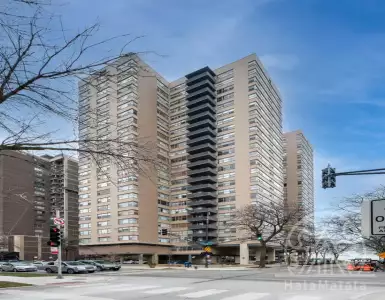




The rental squeeze and why buying feels urgent
Rental rates in San Francisco have also moved higher alongside home prices. Belton and her fiance were paying $3,695 in 2020 for a two-bedroom in the Marina District; that rent is now $4,075 in 2026, roughly a 10% increase. For many households the math is clear: renters facing rising rents may accelerate buying plans, even if mortgage costs are higher than a few years ago.
Key rental and ownership pressures include:
- Rising rents that increase monthly carrying cost for tenants.
- Perception among some renters that buying will hedge against future rent inflation.
- Constrained housing supply in San Francisco that amplifies demand shocks when cash buyers enter the market.
This combination boosts buyer urgency and increases the volume of competitive bids during listing periods.
Where the growth is concentrated and what that means for neighborhoods
The price growth is not uniform. Luxury neighborhoods and prestigious zip codes have seen the sharpest gains while more affordable neighborhoods did not experience the same rebound since 2022.
- Luxury corridors like Pacific Heights are seeing outsized bids and rapid appreciation.
- Surrounding counties such as Marin and parts of Silicon Valley are attracting buyers priced out of San Francisco proper.
For investors, this points to two takeaways:
- Properties in elite neighborhoods may deliver strong short-term nominal gains but also face higher purchase risk if cash buyers withdraw from the market.
- Secondary markets just outside the city are seeing capital inflows as buyers chase lower entry prices; these areas can offer more conservative upside with lower transactional heat.
We have seen agents advise buyers to broaden their geographic search radii, time offers with mortgage pre-approval, or consider purchasing at lower price tiers where competition is less extreme.
Practical strategies for buyers and investors in today’s market
With the current environment shaped by cash-rich AI-related buyers, here are practical steps for different types of market participants.
For non-cash buyers:
- Obtain lender pre-approval and have financing documentation ready; show financial strength but avoid waiving important protections without understanding the risks.
- Consider earnest-money increases and flexible closing timelines as negotiation tools instead of waiving inspections.
- Expand search to adjacent counties such as Marin or parts of the East Bay where median prices remain lower.
For cash-capable buyers and investors:
- Prioritize due diligence even when tempted to waive contingencies; skipping inspections can create unexpected renovation costs.
- Use pre-listing inspections, title work and swift closing teams to complete transactions quickly without sacrificing information.
For buy-to-let investors:
- Anticipate higher rents and lower vacancy in well-located units, but balance that against higher purchase prices and the potential for price corrections.
- Evaluate cap rates and cash-on-cash returns with conservative rent growth assumptions.
For long-term investors and wealth managers:
- Avoid chasing the hottest zip codes at peak prices. Consider diversified allocations across residential, multifamily, or nearby markets where cap rates are healthier.
- Factor in policy risk, regulatory changes and potential shifts in tech employment patterns if remote work policies change.
We recommend working with agents experienced in competitive markets who can structure offers that are attractive without unnecessarily sacrificing buyer protections.
Risks and signals to watch — why this run could correct
There are clear reasons to be cautious about the sustainability of hyper-competitive pricing.
- Concentrated wealth from a handful of firms can move the market quickly but may reverse if equity values fall or IPO timing slips.
- Rapidly rising prices reduce affordability and can prompt political pressure for housing policy changes or tax adjustments.
- If interest rates rise materially, mortgage affordability will worsen and demand from mortgage-dependent buyers could fall.
Watch these signals closely:
- Any slowdown in IPO activity or a major down round at large AI firms.
- Increased inventory coming to market as more sellers try to take gains.
- Shifts in local policy on short-term rentals, zoning, or tenant protections that affect investor returns.
We advise investors to stress-test scenarios where buyer liquidity slows and prices retrace 10-20 percent in high-end submarkets.
What this means for the broader picture: winners, losers and market dynamics
The episode is instructive about how narrowly distributed income gains can reshape real estate markets. Winners include all-cash buyers and sellers in the most desirable neighborhoods. Renters and middle-income buyers who lack scalable equity are the main losers in the short term.
Broadly:
- Winners: AI employees who realize equity gains, sellers in elite areas who can time listings to demand peaks, investors who own units in tight submarkets.
- Losers: Wage earners without liquid capital, entry-level buyers priced out of the city, and landlords who face potential policy shifts.
The market is demonstrating that an economic shock concentrated in a few industries can create highly localized real-estate inflation. For policy makers and housing planners this raises questions about supply constraints and whether local zoning and development can adapt fast enough to restore balance.
Frequently Asked Questions
Q: How big was the price rise in San Francisco recently?
A: According to Redfin, the median home sale price in the San Francisco metro rose more than 10% year-on-year to $1.7 million in April 2026.
Q: Why are buyers offering cash and waiving inspections?
A: Cash offers reduce financing risk and close faster, which sellers favor. Waiving inspections can make offers cleaner and more attractive in a competitive environment, but it increases buyer risk for undisclosed defects.
Q: Are the price gains broad-based across the city?
A: No. Price gains are concentrated in high-end neighborhoods and luxury zip codes while some of the more affordable areas have not seen the same rate of increase.
Q: What should a regular buyer do now if they want to live in San Francisco?
A: Strengthen financing readiness, expand your search area, consider co-buying or family-assisted purchases, and work with an agent who can access off-market listings or structure competitive but protected offers.
Final assessment
The Bay Area’s current surge is linked to newly minted AI wealth and the anticipation of more IPO-driven liquidity. That dynamic has pushed the metro median to $1.7 million, created frenzied all-cash buying in elite neighborhoods and raised rents across the city. For non-cash buyers the short-term reality is stark: expect aggressive competition and plan for alternatives such as nearby counties, pre-emptive inspections, or stronger financing arrangements. If you are a non-cash buyer in San Francisco today, expect to face all-cash offers that can exceed asking prices by millions and plan accordingly.
We will find property in USA for you
- 🔸 Reliable new buildings and ready-made apartments
- 🔸 Without commissions and intermediaries
- 🔸 Online display and remote transaction

International Real Estate Consultant

Subscribe to the newsletter from Hatamatata.com!
Subscribe to the newsletter from Hatamatata.com!
Popular Posts

We will find property in USA for you
- 🔸 Reliable new buildings and ready-made apartments
- 🔸 Without commissions and intermediaries
- 🔸 Online display and remote transaction
International Real Estate Consultant

Subscribe to the newsletter from Hatamatata.com!
Subscribe to the newsletter from Hatamatata.com!
I agree to the processing of personal data and confidentiality rules of HatamatataPopular Offers



Need advice on your situation?
Get a free consultation on purchasing real estate overseas. We’ll discuss your goals, suggest the best strategies and countries, and explain how to complete the purchase step by step. You’ll get clear answers to all your questions about buying, investing, and relocating abroad.



Sales Director, HataMatata