


Congress Passes Sweeping Housing Law to Tackle 10 Million-Home Shortfall

A rare bipartisan move that could reshape the real estate in the USA
Congress has sent a wide-ranging housing package to the president that aims to expand supply, speed construction and curb a wave of corporate buy-ups that have altered single-family housing markets. The bill won overwhelming approval in the Senate (85-5) and cleared the House (358-32) before heading to the White House for signature. For anyone tracking the property market and real estate investment in the USA, this is the most consequential federal housing legislation in decades.
The package bundles dozens of measures into one law. It targets regulatory bottlenecks, creates incentives for alternative housing types such as modular and manufactured homes, expands funding that can be used by local governments, tightens limits on corporate landlords buying single-family homes, and adds renter protections and homelessness programs. Lawmakers pitched the bill as an answer to a persistent shortage: the Economic Report of the President estimates a deficit of 10 million homes in the United States.
In our analysis, the bill is significant but uneven in its likely impact. It addresses key supply-side constraints, yet it will not instantly correct a decade-long shortfall while mortgage rates, construction costs and local resistance to higher densities remain in place.
What exactly did Congress approve?
The final package is a compilation of dozens of bills negotiated across the House and Senate. Core elements reported by congressional sources include:
- Streamlining federal requirements and environmental reviews to speed permitting and construction timelines
- Limits on corporate landlords by restricting the ability of institutional investors to buy single-family homes
- Expanded financing and incentives for innovative housing types, including modular and prefab construction
- New renter protections and greater funding for homelessness prevention programs
- Funding for local governments that build more housing, including Community Development Block Grant (CDBG) dollars for places that exceed median homebuilding rates
- Money to convert abandoned infrastructure into housing and to raise limits on public-housing units eligible for renovation financing
- A framework for zoning reform that communities can use to allow larger developments or higher densities
- A codified recovery program to help expedite rebuilding funds after disasters
Lawmakers dropped a Senate provision that would have forced investors to resell newly constructed homes within seven years. That change signals an attempt to balance measures that discourage speculative buy-ups with protections for legitimate rental operators.
Why this matters: supply, prices and the buyer/renter experience
The legislation aims to tackle both supply shortages and market dynamics that have raised prices for buyers and renters. Key data points from recent reports underline the problem:
- The US housing market has been depressed since 2022 as mortgage rates rose from pandemic lows.
- Sales of previously occupied homes have hovered near an annual pace of 4 million, below the historical norm of about 5.2 million.
- The Economic Report of the President finds a 10 million-home shortage.
- A report from Harvard's Joint Center for Housing Studies found existing-home sales at three-decade lows while inventories rise because buyers face high costs.
- Realtor.com reports the median US monthly rent has been falling for nearly three years but was still 17.2% higher in May than before the pandemic.
Maxine Waters, a House Democrat who helped negotiate the bill, noted that the median age of a first-time buyer is now 40 and that rents had surged roughly 47% since the pandemic. Those are sharp shifts in housing access and affordability.
For buyers and investors, the bill signals a federal push to increase the housing pipeline. For renters, it may bring new protections and more options over time. For developers, it could smooth federal-level roadblocks and unlock financing, but developers still face local permitting, labor shortages and material-cost volatility.
What this means for investors and developers
We break the practical implications for different market actors.
-
For single-family rental investors: The bill restricts the ability of corporate landlords to buy single-family homes. Investors should expect more scrutiny and potentially lower demand from institutional buyers for scattered single-family properties. That may ease upward price pressure in some entry-level markets, but it will not immediately restore affordability where supply remains tight.
-
For multifamily and purpose-built rental developers: The law encourages alternative housing types and offers funds for communities that build more. Developers focused on multifamily near transit or in high-demand metros may see more local incentives and faster federal approvals for projects that meet new policy goals.
-
For builders using modular or factory-built methods: The package explicitly supports innovative housing like modular construction. That could improve cost certainty and speed of delivery where local codes accept factory-built units and where contractors have the capacity to scale production.
-
For landowners and homebuilders: Streamlined federal environmental reviews may reduce delays on projects with federal permits, but the impact will vary by state and locality depending on existing permitting backlogs and local zoning rules.
-
For buy-and-hold landlords: Renter protections included in the bill could change the compliance and operating costs for property managers, especially those with large portfolios in urban areas where tenant advocacy is strongest.
-
For institutional capital: The removal of the seven-year resale requirement weakens one proposed disincentive for long-term investor ownership. Institutional investors will still weigh regulatory risk against returns; some may shift capital to purpose-built assets rather than scattered single-family acquisitions.
The role of zoning and local governments: incentives not mandates
One of the most consequential but often overlooked parts of the bill is the funding and framework aimed at local zoning reform. The law does not force towns to rezone. Instead, it:
- Provides a framework and technical assistance for communities that choose to update zoning ordinances to allow larger projects or increased density
- Directs funding—such as CDBG dollars—to places that exceed the median homebuilding rate, creating a financial carrot for municipalities
- Offers funds to convert idle infrastructure into housing, which could unlock infill opportunities in older suburbs and post-industrial towns
The result will depend on local politics. Elected leaders, planning boards and neighborhood groups determine land-use outcomes. In many places, strong resistance to higher densities will slow change. Where localities choose to use the incentives, we can expect:
- More permissive rules for accessory dwelling units (ADUs), duplexes and triplexes
- Density bonuses or fast-track permitting for developments near transit hubs
- New community development efforts that prioritize infill and reuse of brownfield or former commercial sites
Expect uneven implementation. Some metro regions with growth pressures are likely to adopt reforms quickly. Smaller towns and jurisdictions with strong homeowner opposition may decline incentives, constraining the bill's impact on supply.
Risks and limits: why supply increases will take time
We are bullish on the law's aim to reduce regulatory drag and provide funding, but there are clear constraints:
- Permitting at the local level remains a bottleneck. Federal streamlining helps projects requiring federal review, yet the largest delays are often in municipal entitlements and local public hearings.
- Construction costs and labor shortages are still material. Even with faster approvals, rising costs for materials and skilled trades can raise per-unit prices and slow starts.
- Mortgage rates and financing conditions affect buyers' purchasing power.

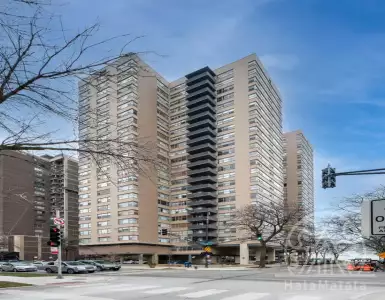




In short, the bill establishes policy tools and funding streams that can accelerate building, but delivery on housing units is contingent on local action and market conditions.
How renters and first-time buyers should read this law
For renters: The package includes renter protections and homelessness funding, so we expect improved legal frameworks in some jurisdictions. That could mean increased outreach, eviction-prevention funding, and other tenant supports. However, stronger tenant protections usually come with trade-offs—landlords may raise rents where they can or reduce investments in lower-quality units.
For first-time buyers: Expanding supply at entry-level price points and limiting some investor purchases could ease competition in some neighborhoods. But buyers should be realistic: mortgage rates and local affordability are immediate constraints. The median age of a first-time buyer is 40, which is a social indicator of longer delays in home entry for many households.
For both groups, the bill will matter more at the margin than as an instant cure. Local programs funded by the law could increase affordable inventory in targeted places within a few years.
Political dynamics and the market message
The bill passed with strong bipartisan support, an unusual alignment in a polarized Congress. House and Senate leaders presented the package as concrete action on affordability that both parties could support ahead of midterm politics. The broad backing—from landlord associations to tenant advocates—reflects multi-stakeholder negotiation. Still, the law is the beginning of a process, not the end.
From a market perspective, the federal government is signaling it will use both carrots and sticks—funding incentives and limits on investor purchases—to shape housing outcomes. Investors, developers and municipal leaders will respond with new strategies: more purpose-built rental development, greater emphasis on factory-built housing, and targeted zoning changes where political will exists.
Practical next steps for market participants
If you are a property buyer, investor, developer or local official, here are concrete actions to consider:
- Buyers: Track local supply changes and new-build inventory. Put pre-approval in place to move quickly when prices adjust and inventory appears.
- Investors: Reassess single-family acquisition strategies; consider purpose-built rentals or value-add multifamily where tenant protections are clearer and operations scale better.
- Developers: Engage with local governments to qualify for federal funding tied to increased building. Explore modular construction to shorten delivery times.
- Local officials: Review zoning and permitting processes to determine whether your jurisdiction can qualify for additional federal grants. Adopt targeted incentives that speed projects near transit and repurpose underused infrastructure.
Frequently Asked Questions
Q: When does the law take effect and will it immediately lower home prices?
A: The president is expected to sign the bill soon after congressional approval. Many provisions require rule-making, guidance, and local implementation, so expect a phased rollout. Immediate, nationwide price declines are unlikely; the supply response will occur over months and years, not weeks.
Q: How will limits on corporate landlords affect local housing markets?
A: Restrictions on large investors buying single-family homes should reduce some investor-driven bidding in entry-level markets. But institutional investors may redirect capital to build purpose-built rentals or invest in multifamily, so impacts will vary by market.
Q: Will the law force towns to change zoning rules?
A: No. The law provides a framework and financial incentives for reform but it does not force zoning changes. Local councils and planning boards maintain control over land-use decisions.
Q: Does the bill address mortgage rates or buyer financing directly?
A: The package focuses on supply, regulatory reform and funding for local building. It does not change federal monetary policy or directly lower mortgage rates. Affordability gains from more supply will complement but not replace financing conditions driven by the Federal Reserve and lenders.
Bottom line
This law is a substantial federal attempt to increase housing supply and to rebalance some market dynamics that have favored large investors and left many renters and first-time buyers priced out. It brings funding, regulatory tweaks and incentives that could speed some projects and encourage new housing types. Yet closing a 10 million-home gap requires sustained action from local governments, developers, lenders and communities. For buyers and investors, the law widens future opportunities but does not erase current affordability constraints or mortgage-rate realities. Keep an eye on local implementation details and project pipelines—those will determine whether federal policy produces measurable housing increases at scale.
We will find property in USA for you
- 🔸 Reliable new buildings and ready-made apartments
- 🔸 Without commissions and intermediaries
- 🔸 Online display and remote transaction

International Real Estate Consultant

Subscribe to the newsletter from Hatamatata.com!
Subscribe to the newsletter from Hatamatata.com!
Popular Posts

We will find property in USA for you
- 🔸 Reliable new buildings and ready-made apartments
- 🔸 Without commissions and intermediaries
- 🔸 Online display and remote transaction
International Real Estate Consultant

Subscribe to the newsletter from Hatamatata.com!
Subscribe to the newsletter from Hatamatata.com!
I agree to the processing of personal data and confidentiality rules of HatamatataPopular Offers

 1
1
 0
0

 2
2
80
2
2
80
 4
4
166
4
4
166
Need advice on your situation?
Get a free consultation on purchasing real estate overseas. We’ll discuss your goals, suggest the best strategies and countries, and explain how to complete the purchase step by step. You’ll get clear answers to all your questions about buying, investing, and relocating abroad.



Sales Director, HataMatata