


Flint Tops List of Most Affordable US Housing Markets — What Buyers Need to Know

Flint is the most affordable market in the real estate USA — but that doesn't tell the whole story
Flint, Michigan is back in the headlines for a reason few buyers would expect: according to a new WalletHub analysis, it is the most affordable real estate market in the United States among 300 cities examined. That finding puts a spotlight on affordability in places many investors and homebuyers have left behind, and it forces a reassessment of where value can still be found in the national housing market.
The headline is simple. The implications are complex. We look at why Flint topped WalletHub's list, how that compares with the rest of the market, and what it means for buyers and investors thinking about property in the USA.
Key findings from the WalletHub analysis
WalletHub evaluated 300 cities across the country using 10 factors, giving the most weight to the ratio of median home price to household income and the cost per square foot. Scores were reported on a 100-point scale, with higher scores indicating greater affordability.
The analysis turned up stark contrasts:
- Flint, Michigan: median home price about $66,000 (Zillow).
- Detroit, Michigan: median home price about $76,500 (Zillow) — the second most affordable market in the WalletHub ranking.
- Santa Barbara, California: median home price about $1.85 million (Zillow) — the least affordable among the cities analyzed.
- Nationwide, the median sale price is about $400,000, and the income needed to afford that typical home is roughly $120,000, according to the Federal Reserve Bank of Atlanta. That compares with an affordability threshold of around $63,000 in January 2020.
Those numbers show how local markets can diverge dramatically from national trends. Flint’s median price is a tiny fraction of Santa Barbara’s, yet buyers must weigh factors beyond listing price.
Why Flint ranks as the most affordable: mechanics, metrics and context
WalletHub’s top-ranking for Flint relies on standard affordability metrics used across real estate analysis. Two metrics carry extra weight in the methodology:
- Price-to-income ratio: The ratio of median home price to median household income signals whether local wages support homeownership. A lower ratio boosts affordability scores.
- Cost per square foot: This is a measure of what buyers actually pay for living space, adjusted for local property sizes.
Flint’s low median price translates into very favorable metrics on both counts. But raw affordability does not equal instant opportunity. Important context includes:
- The city’s long-term economic trajectory tied to manufacturing and the auto industry.
- Local demand drivers such as population trends, employment growth or decline, and housing supply.
- Infrastructure and public health history, notably the 2014 water crisis and the city’s recovery path.
WalletHub flagged the 2014 water crisis as relevant background. Residents remember the switch in water sourcing that produced elevated lead levels and other contaminants; however, WalletHub also notes that Flint’s water has been in compliance with EPA standards for six years. For buyers and investors, the question is whether reputational harm to the market has been resolved in practice — in public services, regulatory oversight and buyer confidence.
National context: affordability gap, mortgage rates and migration
Flint's affordability is set against a tougher national picture. The Federal Reserve Bank of Atlanta’s calculation that a buyer now needs about $120,000 in annual income to afford a median-priced home shows how mortgage rates and price growth have stretched the pool of qualified buyers. That is nearly double the $63,000 threshold reported at the start of 2020.
Key forces shaping the national market include:
- Mortgage rates: When rates rise, monthly carrying costs climb even if prices stabilize. That reduces monthly affordability.
- Inventory shortages in many coastal and Sun Belt markets: High demand and low supply push prices up.
- Interstate migration: IRS-based analysis highlighted by the Tax Foundation shows millions moving from higher-tax states such as California and New York to lower-tax states including Texas, Florida and North Carolina. Those flows shift demand but do not guarantee affordable pricing in receiving metros.
WalletHub’s list shows that low taxes alone do not drive a city into the top affordability rankings. Cities in Texas, Florida or North Carolina did not dominate WalletHub’s top-10 most affordable list, indicating affordability relies on local housing stock, incomes and past price performance.
What this means for buyers and investors: practical considerations
I’ve watched buyers react to low median prices in markets like Flint in several predictable ways. Some are drawn by bargain purchase prices and possible higher rental yields; others are cautious because low prices often reflect weak demand or local economic stress.
If you are considering buying in Flint or similar markets, weigh these factors:
- Financing and underwriting: Lower-priced properties still require mortgage qualification. Lenders assess income stability, credit, and the property’s condition. Down-payment requirements and mortgage insurance rules matter.
- Property condition and maintenance risk: Very low prices often mean older stock that requires upgrades.


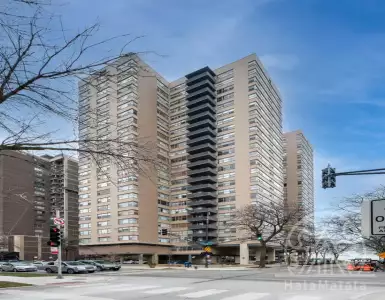




Practical verdict: a low median price like $66,000 is an opportunity only when matched with reliable data on rents, occupancy and city-level economic trends.
Migration and tax trends: why people move — and why that matters for housing demand
Migration patterns underline that housing price alone is rarely the only motive. The Tax Foundation analysis of IRS data found major flows out of states with higher tax burdens. That movement reflects a mix of motives:
- Tax burden and cost-of-living considerations for retirees and high-net-worth households.
- Job relocations and remote-work flexibility for younger workers.
- Lifestyle and climate preferences.
Hainan Sheng, assistant professor of real estate at Virginia Tech, told WalletHub that older Americans often weigh tax considerations more heavily, while younger workers look at affordability, jobs and urban amenities. That split helps explain why some low-tax states are seeing inbound population but do not appear among the most affordable housing markets: incoming wealth and demand can push prices up.
For investors, the takeaway is that demand driven by migration can be durable — but it can also change the profile of buyers and renters, leading to rising prices and different turnover patterns.
Risks and caveats specific to Flint and similar low-price markets
I want to be clear-eyed about risks. Buying in a market with a very low median price is not the same as buying in a recovering growth metro.
Key risks include:
- Economic concentration: Cities tied to a single industry or employer can suffer if that industry weakens.
- Public perception and historical liabilities: Flint’s water crisis remains a reputational hurdle that affects how outsiders perceive long-term livability.
- Limited buyer pool: Low prices often mean fewer buyers who can finance purchases, which affects liquidity.
- Regulatory or legal exposure: Public health issues carry potential liability, and remediation costs can fall on public budgets or private owners in certain situations.
These are not reasons to avoid Flint outright. They are reasons to approach with a structured due diligence checklist: title searches, environmental reports where appropriate, inspection by contractors familiar with older stock, and conservative rental income projections.
How to evaluate affordability: a short checklist for buyers and investors
Use this operational checklist before you make an offer in any low-priced U.S. market:
- Verify median home price and recent sales comps (use sources such as Zillow and local MLS data).
- Calculate price-to-income ratio for the neighborhood, not just the city-wide median.
- Inspect properties for structural, plumbing and electrical issues; budget for lead and other remediation where historical issues exist.
- Run conservative rent estimates and a stress test assuming extended vacancies and maintenance spikes.
- Confirm mortgage underwriting terms available in that market; some lenders impose stricter conditions for lower-priced or nonstandard properties.
- Check municipal service levels, school quality, and crime statistics — these affect both resale value and tenant demand.
The bigger picture: affordability versus opportunity
WalletHub’s ranking is a reminder that sizeable price variation exists in the real estate USA. Low median prices can offer pathways for first-time buyers or investors seeking cash-flow properties. At the same time, national affordability has worsened: the income required to buy a median-priced U.S. home has roughly doubled since early 2020.
That tension — pockets of low-priced opportunity amid a generally tight market — is the theme of the current cycle. For buyers focused purely on price, Flint checks a box. For those focused on wealth creation, the calculus must include local employment trends, population flows, and balance-sheet risk.
Conclusion: who should consider markets like Flint, and how to proceed
Markets like Flint are most attractive to two types of buyers:
- Owner-occupiers who need to keep housing costs low and who plan to hold the property for many years.
- Investors who can operate at scale, manage renovations and tenant turnover, and who price in longer holding periods.
If you are exploring affordable markets, treat the low listing price as a starting point, not a promise. Check the local economic fundamentals, inspect properties carefully, and model worst-case scenarios for vacancy and repair costs.
My bottom-line assessment: Flint’s median home price of about $66,000 offers a real affordability edge, but buyers must weigh local economic factors, historical public-health issues, and resale liquidity before acting.
Frequently Asked Questions
Is Flint’s water safe now, and should that influence my decision to buy there?
WalletHub notes that Flint’s water has been in compliance with EPA standards for six years. That is a meaningful regulatory milestone, but buyers should still consider public perception and confirm water-quality reports, local testing results, and any ongoing municipal remediation programs as part of due diligence.
How reliable are WalletHub’s rankings for making investment decisions?
WalletHub uses a transparent methodology emphasizing price-to-income ratios and cost per square foot, and it covers 300 cities. The rankings are a useful screening tool but not a substitute for neighborhood-level analysis, inspections, and cash-flow modeling.
If Flint is the most affordable market, why are buyers still priced out nationally?
Affordability on a national scale depends on mortgage rates, the national median sale price (about $400,000), and household incomes. The income needed to afford that median home is about $120,000 today, up from $63,000 in January 2020, reflecting higher rates and higher prices in many markets.
Should out-of-state buyers expect to get a bargain in lower-priced cities like Flint?
You can find lower entry prices, but bargains are not guaranteed. Consider renovation costs, time to rent or resell, and the local demand profile. Investors who can manage properties at scale and who account for contingencies are better positioned to benefit.
If you are evaluating affordable markets today, start with verified sales data and a conservative financial model; remember that a headline median like $66,000 is an invitation to research, not an automatic recommendation.
Tags
We will find property in USA for you
- 🔸 Reliable new buildings and ready-made apartments
- 🔸 Without commissions and intermediaries
- 🔸 Online display and remote transaction

International Real Estate Consultant

Subscribe to the newsletter from Hatamatata.com!
Subscribe to the newsletter from Hatamatata.com!
Popular Posts

We will find property in USA for you
- 🔸 Reliable new buildings and ready-made apartments
- 🔸 Without commissions and intermediaries
- 🔸 Online display and remote transaction
International Real Estate Consultant

Subscribe to the newsletter from Hatamatata.com!
Subscribe to the newsletter from Hatamatata.com!
I agree to the processing of personal data and confidentiality rules of HatamatataPopular Offers

 3
3
 120
120
 5
143
5
143
 2
165
2
165
Need advice on your situation?
Get a free consultation on purchasing real estate overseas. We’ll discuss your goals, suggest the best strategies and countries, and explain how to complete the purchase step by step. You’ll get clear answers to all your questions about buying, investing, and relocating abroad.



Sales Director, HataMatata