


Greek Probe Uncovers Surge in Bulgarian and Turkish Property Buying in the North

A sudden wave of property buying in Northern Greece triggers a security probe
The recent surge in property Greece purchases in Northern Greece has prompted national security agencies to open an investigation. Reports from Bulgarian National Radio and local Greek media describe a sharp rise in acquisitions by Bulgarian and Turkish nationals of both abandoned houses in depopulated villages and higher-value commercial and hotel assets in the Evros area and around Alexandroupolis. Our analysis finds that this is a complex mix of rural regeneration, cross-border entrepreneurship and genuine national-security concern.
I started following this story because the pattern raises practical questions for buyers, sellers and advisers: what is driving the buying, how are deals being structured, and what regulatory changes could follow? Below I map the facts, explain the legal mechanics, and outline what property buyers and investors should do next.
What the facts are — who is buying and where
- Greek national security agencies have launched an investigation into a rise in land and property purchases in Northern Greece, according to media reports.
- The activity is concentrated in the Evros region and municipalities near Alexandroupolis, along the northeastern border with Turkey and Bulgaria.
- Bulgarian nationals are reportedly buying abandoned homes in depopulated villages at low prices, renovating them and planning permanent relocation.
- Bulgarian investors have also purchased commercial premises, including restaurants and entertainment venues that target Bulgarian and Turkish clients.
- Turkish citizens are involved, often investing via companies registered in Bulgaria in which they hold shares, a structure that can sidestep restrictions applicable to non-EU nationals.
- Local lawyers and notaries in Alexandroupolis have confirmed significant investments by Turkish-linked parties in hotels, businesses and high-value property.
These points come from press accounts and local professional testimony; legal experts say the transactions appear to comply with EU rules on paper, yet Greek lawmakers have raised alarm and submitted a request to parliament for urgent amendments to the laws covering foreign ownership.
How deals are being structured — legal and corporate mechanics
Understanding the transaction structures is essential for any participant in cross-border real estate.
- EU citizens, including Bulgarians, generally enjoy the right to buy property across EU states under free movement of capital rules. That legal framework is why Bulgarian buyers can acquire Greek residential and commercial real estate without major legal hurdles.
- Turkish nationals are non-EU citizens and can face restrictions on property rights in some EU jurisdictions. According to local reporting, Turkish buyers are using Bulgaria-registered companies as vehicles in which they hold shares. The companies themselves are EU entities and therefore can act as purchasers.
- Typical legal steps in these transactions include: company formation in Bulgaria, share allocations to foreign natural persons, corporate-level due diligence in Greece, notarial conveyance at the local land registry, and registration of title. Greek notaries and lawyers have been involved in these conveyances.
From an investor perspective, these corporate workarounds are neither new nor inherently illegal, but they raise policy questions that can trigger political reactions and regulatory updates.
Why Greek authorities and MPs are concerned
I find the authorities' response predictable given the geography and politics. The Evros border area has strategic sensitivity for Greece for reasons that include migration, border security and military positioning.
- MPs from the ruling party have filed an official request to parliament asking for urgent changes to legislation covering property ownership by foreign nationals. That move signals political appetite for tightening rules.
- Greek agencies are checking the origin of funds in a number of transactions. There are specific media reports that investigators are probing whether some capital could come from the grey economy, including smuggling, arms or narcotics-related proceeds.
- Even when transactions meet legal requirements, the sheer concentration of ownership and the nature of commercial targets (restaurants, entertainment venues, hotels) have led to concerns about an expanding Turkish economic footprint in a border region.
There is a valid public-interest question: when an entire coastal town or a set of villages changes hands in short order, what does that mean for local employment, cultural identity and national security? Those are not rhetorical questions — they have practical consequences when legislators consider tightening ownership regulations.
Market drivers: why buyers are attracted to Northern Greece
There are pragmatic reasons behind the trend. From a real estate investment view, these drivers make sense.
- Low prices: abandoned rural properties and distressed assets in depopulated villages can be priced attractively for buyers with renovation budgets.
- Tourism and hospitality upside: Alexandroupolis and nearby coastal areas are gateways for tourism in Thrace; buyers seeking to convert or operate hotels and restaurants see revenue potential.
- Proximity to Bulgaria and Turkey: cross-border buyers can manage or visit properties easily, and there is customer demand from both sides of the border.
- Corporate efficiency: buying through an EU-registered company simplifies cross-border financing, banking and regulatory treatment for non-EU principals.
Those motives explain the mix of buyers: individuals planning to resettle, entrepreneurs opening venues for cross-border customers and corporate investors buying hospitality assets.
Risks and red flags for buyers, sellers and local communities
This is where I insert a more cautionary view. There are clear upsides, but also practical risks everyone should weigh.
- Regulatory risk: parliamentary requests to amend foreign ownership laws can lead to new restrictions, retrospective controls or additional screening requirements.
 1
1
 1
1
 57
57
 2
2
90
2
2
90
 1
41
1
41
 1
1
68
1
1
68
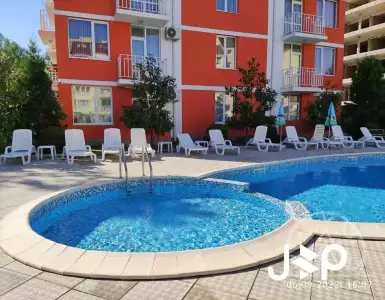
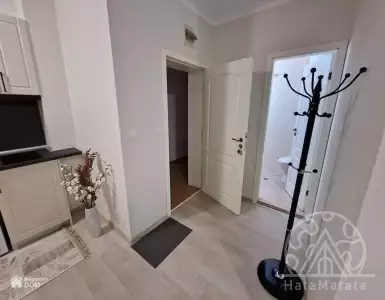
For investors, the immediate implication is clear: do more, not less, due diligence, and be prepared for regulatory change that could impact ownership rights or visa/residency pathways.
Practical legal and transaction advice — what to do now
From experience working with international buyers, here is a practical checklist we recommend to anyone considering property purchases in Northern Greece:
- Engage a licensed Greek lawyer early, preferably one with cross-border experience with Bulgaria and Turkey.
- Require certified proof of funds and provide your own source-of-funds documentation before signing preliminary agreements.
- If using a Bulgarian-registered company, document ownership structure, corporate minutes and KYC for all ultimate beneficial owners (UBOs).
- Ask the notary to carry out a full title search at the local land registry and obtain a formal certificate of encumbrances and restrictions.
- Check planning and zoning rules, especially for properties being converted for commercial hospitality use — licences and permits can be time-consuming.
- Consider tax implications in Greece, Bulgaria and your home jurisdiction; cross-border structures can complicate VAT, income tax and property tax treatment.
- Factor in the possibility of enhanced scrutiny by Greek authorities in border regions; allocate extra time and legal expense for approvals.
These steps are not optional in the current climate — they are essential to closing a clean, defensible deal.
Will legislation change? What investors should expect
We cannot predict precise legislative outcomes, but the political signals are clear. When MPs ask for urgent changes to property ownership rules, the most likely short-term responses could include:
- Stricter screening for purchases in sensitive border zones.
- Additional KYC and source-of-funds requirements for company buyers.
- Limits or reporting obligations on transfers of large portfolios in a short time frame.
Any of these measures would not reverse existing title in normal circumstances, but they could slow deals, increase compliance costs and reduce the attractiveness of rapid build-outs of hospitality or entertainment venues in the affected regions.
From a strategic point of view, established investors with transparent structures and full documentation should fare better than opaque arrangements that rely on shell companies or unclear funding sources.
Regional economic and social effects — both upside and downside
This buying wave has mixed effects for local economies.
Potential positives:
- Renovation of abandoned homes can revive depopulated villages, restore property stock and create local construction jobs.
- Investment in hotels and restaurants can increase tourism trade and create employment.
Possible negatives:
- Rapid change of ownership can shift pricing, squeezing out long-term local buyers.
- If investors operate venues primarily for cross-border customers, local economic spillover might be limited.
We have seen similar cycles elsewhere in Europe where cheap rural property attracts foreign buyers: some communities benefit from rejuvenation, others feel cultural displacement. Local policy choices and planning enforcement will determine which path Northern Greece takes.
What this means for property buyers from Bulgaria and Turkey
If you are a Bulgarian national, you are protected by EU freedoms, but you should still expect more paperwork and local political scrutiny in border regions.
If you are a Turkish national, you should be aware of two realities:
- Buying through an EU company is legally feasible but will invite extra due diligence.
- Greek authorities are investigating the scale and funding of transactions, so expect heightened checks and possible delays.
Either way, be transparent about funding sources, be ready to provide full documentation, and use reputable advisors.
Frequently Asked Questions
Q: Are Bulgarian buyers legally allowed to buy property in Greece?
A: Yes. Bulgarian nationals are EU citizens and have the right to buy property in Greece under EU rules. That said, large or concentrated purchases in sensitive border zones are attracting political scrutiny and additional due diligence.
Q: Can Turkish citizens buy property in Greece via a Bulgarian company?
A: In practice, yes. Turkish individuals can hold shares in Bulgaria-registered companies that in turn buy real estate in Greece. These corporate structures must disclose ultimate beneficial owners and comply with KYC and AML rules during conveyancing.
Q: Will current owners be forced to sell if the law changes?
A: There is no indication that legitimate titles will be automatically revoked. However, new laws could introduce tighter screening, reporting obligations, or restrictions on future acquisitions in designated zones, which can affect marketability.
Q: What must buyers do to protect themselves now?
A: Use a Greek lawyer, supply certified proof of funds, seek full title searches and anticipate extra time for approvals in border regions. Keep clear corporate records if purchasing via a company, and expect more stringent KYC checks.
Final assessment and practical takeaway
This episode is a reminder that cross-border real estate activity can be driven by economics and geopolitics at the same time. The purchases documented by Bulgarian National Radio and local Greek sources are legal on paper, but they have triggered a state-level response because of concentration, border sensitivity and questions about funding sources.
For buyers and investors: do the paperwork, expect scrutiny, and budget extra time and legal costs. For local communities: the incoming capital can bring renovation and jobs, but may also change local markets and services. Greek MPs have already asked for urgent legislative changes, and investigators are checking where the money came from; that combination is likely to mean stricter controls in the near term.
Practical fact to end on: Greek MPs have formally requested parliamentary action to amend laws on foreign property ownership, and national security agencies are examining the origin of funds behind recent purchases in Evros and Alexandroupolis, so any buyer in Northern Greece should be ready to prove source of funds and submit to enhanced due diligence.
Tags
We will find property in Bulgaria for you
- 🔸 Reliable new buildings and ready-made apartments
- 🔸 Without commissions and intermediaries
- 🔸 Online display and remote transaction

International Real Estate Consultant

Subscribe to the newsletter from Hatamatata.com!
Subscribe to the newsletter from Hatamatata.com!
Popular Posts

We will find property in Bulgaria for you
- 🔸 Reliable new buildings and ready-made apartments
- 🔸 Without commissions and intermediaries
- 🔸 Online display and remote transaction
International Real Estate Consultant

Subscribe to the newsletter from Hatamatata.com!
Subscribe to the newsletter from Hatamatata.com!
I agree to the processing of personal data and confidentiality rules of Hatamatata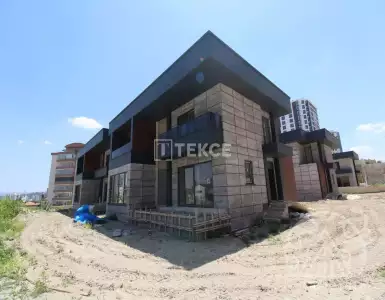
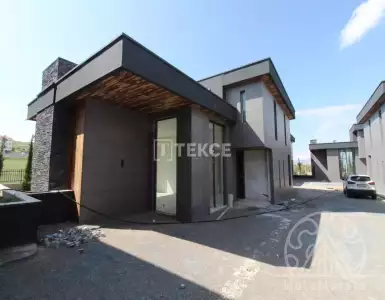
Need advice on your situation?
Get a free consultation on purchasing real estate overseas. We’ll discuss your goals, suggest the best strategies and countries, and explain how to complete the purchase step by step. You’ll get clear answers to all your questions about buying, investing, and relocating abroad.



Sales Director, HataMatata