


Homes Are Sitting: Which US Cities Now Take Months to Sell and Why It Matters

US real estate is slowing — and some cities are taking far longer to sell
The current real estate USA market is no longer moving at pandemic speed. In fact, homes in several once-hot markets are now spending months on the market, forcing sellers to rethink pricing and buyers to reconsider timing. Our analysis of a new report from Clever Real Estate and Best Interest Financial, using Redfin data for February, shows that the slowdown is concentrated in markets that boomed during COVID and are now dealing with excess inventory, rising insurance costs, and local tax pressures.
In short: the top 10 slowest-selling metro areas averaged 98 median days on market versus 66 days nationally, and their inventory averaged 6.1 months of supply compared with the national median of 3.9 months. That divergence is big enough to change negotiation dynamics and to reshape local real estate investment strategies.
Top five slowest-selling metros: the figures you need to know
The report identifies the five slowest metro markets by median days on market as:
- Austin, Texas — 110 days
- San Antonio, Texas — 109 days
- Miami, Florida — 105 days
- Honolulu, Hawaii — 100 days
- Nashville, Tennessee — 97 days
Other notable state-level results include Montana with a median 121 days on market, Hawaii at 104 days, and Texas ranking fifth-slowest with 91 days on average. The data are drawn from Redfin’s February metrics and were compiled by Jaime Seale for Clever and Best Interest Financial.
These numbers are not academic. They mean that sellers in these metros are more likely to face longer marketing periods, price reductions, and an increased probability of switching to rent or pulling listings off the market.
Why these markets are slowing: supply, costs, and price mismatch
The study points to three dominant forces behind the slowdown:
-
Excess inventory from the pandemic building boom. Several COVID-era boomtowns saw construction surge; now supply is outpacing demand. In Austin, months of supply rose to 5.8 months versus 3.9 months nationally. San Antonio has 6.2 months of supply.
-
Rising insurance premiums and HOA fees in coastal markets. Miami’s insurance and homeowners association costs are significant headwinds. The city showed 10.1 months of supply, the highest in Florida and the second-highest nationally.
-
Home prices outpacing local incomes and local tax burdens. Texas counties have high property taxes, and some markets saw asking prices move well above what typical local incomes can support. In Austin, about 30% of homes sold at a reduced price, evidence sellers are overestimating buyer willingness.
Redfin economic researcher Chen Zhao summed it up this way: these top five markets are the places where the number of sellers most exceeds the number of buyers, and many were pandemic hot spots that became expensive and are now undergoing price correction.
City-by-city snapshots and what they mean for buyers and investors
Austin
Austin tops the list at 110 median days on market. Inventory sits at 5.8 months of supply. Compass agent Michael Reisor said prices are recalibrating from a COVID-era peak and that, with current mortgage rates, renting can be cheaper than buying in many cases. A local example: a 1,534 sq ft three-bedroom house listed at $499,900 stayed on market for over six months before closing.
What it means:
- Sellers should be realistic: expect price reductions (nearly 30% of listings in Austin sold below initial asking price), and budget for a longer holding period.
- Buyers have leverage: more choice, less urgency, and room to negotiate on both price and terms.
San Antonio
San Antonio’s median days on market is 109, with 6.2 months of supply. Despite a median list price of $321,670—well below the national median of $458,710—listings outnumber buyers, and 32% of sellers had to reduce price, one of the highest shares observed.
What it means:
- Investors looking for value should check rents and cap-rate math carefully. Higher inventory can produce buying opportunities but also lengthen turnarounds for resale.
- Owner-occupiers should confirm if expected appreciation is realistic given the current absorption rate.
Miami
Miami’s market is showing the most dramatic inventory signal: 10.1 months of supply and a median list price of $580,000, about 26% above the national median. Yet homes close at roughly 95% of list price, tied for the lowest list-to-sale ratio in the cities studied. Sellers are facing prolonged marketing and steeper discounts—one homeowner sold a luxury Pinecrest home for about 25% below its initial listing after months on market.
What it means:
- Coastal insurance costs and HOA fees are a real drain on affordability. Buyers must run the long-term operating cost numbers, not just the mortgage payment.
- Investors should stress-test rental assumptions and factor in higher operating expenses.
Honolulu and Hawaii
Honolulu’s median days on market reached 100, with 7.7 months of supply and a median list price of $685,000. Hawaii ranked third-slowest among states at 104 days. Hawai’i Life CEO Matt Beall noted that high-end inventory often sells more slowly because many buyers are off-island and purchase on their own timeline.
What it means:
- Expect longer sales cycles for island properties, particularly in the luxury segment driven by out-of-state purchasers.
- Buyers should plan travel and due diligence timing around the possibility that sellers will wait for an out-of-state buyer.
Nashville
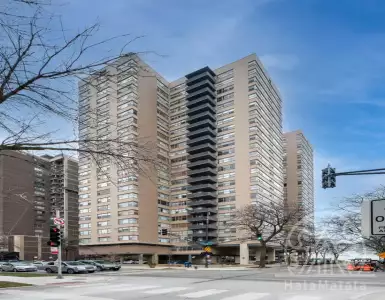
Nashville’s median days on market rose to 97, up 13 days year-over-year, and its 5.5 months of supply is 41% greater than the national median.





What it means:
- Luxury and highly customized homes are common culprits for higher days on market—they require a very specific buyer.
- Local market normalizing after rapid pandemic-era acceleration is reducing upside for short-term flips.
How the slowdown changes negotiation and investment tactics
This slowing market is not uniform, but it does change how we should approach deals.
For buyers and investors:
- Use months of supply and days on market as bargaining chips. Markets with more than 6 months of supply are favoring buyers.
- Watch the list-to-sale ratio. In Miami, homes sell for about 95% of list price, so start offers below list when justified.
- Factor in non-mortgage costs: insurance, HOA fees, and property taxes can change cashflow and affordability.
- Consider rents vs. mortgage payments. In some places, renting is cheaper than buying given current interest rates and sale prices.
For sellers:
- Price to the market. The report finds 23% of sellers in slow markets cut their asking price, compared with 17% nationally. Overpricing raises days on market and often yields a larger final discount.
- Improve marketability: staging, professional photos, flexible showing schedules, and targeting out-of-area buyers where applicable.
- Have a backup plan: be ready to rent or accept concessions if the property does not move within three months.
For portfolio managers and institutional investors:
- Reassess expected holding periods. Markets with 90–110 days median time on market require longer capital commitment.
- Hedge coastal insurance risk and factor in rising local taxes when modeling returns.
Risks and caveats investors must weigh
This is not a sign that the broader US housing market is collapsing. The national median days on market is 66, and many metros remain relatively balanced. Still, the risks in the slowest markets are real:
- Insurance shocks: coastal markets face sudden premium increases that can erode affordability.
- Tax exposure: high local property taxes in states like Texas can reduce net returns for investors.
- Price correction: markets that surged during COVID are correcting, which can mean paper losses for owners who bought at peak.
- Liquidity risk: higher days on market equals lower liquidity. For sellers needing quick proceeds, this can be a material problem.
Our analysis shows these risks are concentrated in pandemic-boom metros and in markets with significant new supply. Buyers who assume the old rules of bidding wars will return may be miscalculating.
Practical checklist for buyers and sellers in slow markets
Buyers:
- Verify months of supply and median days on market for your target neighborhood.
- Calculate total housing cost including insurance and HOA fees.
- Use inspection contingencies and appraisal-based offers when you have leverage.
- Consider converted contingency timelines to allow sellers more time to close if you want the property at a discount.
Sellers:
- Price at or slightly below current comps if speed is a priority.
- Prepare to reduce price: the report shows 23% of listings in slow metros were reduced.
- Improve listing exposure to out-of-area buyers or investors.
- Evaluate renting short-term while awaiting a sale in markets with long days on market.
Investors:
- Stress-test NOI under higher insurance and tax scenarios.
- Expect longer marketing periods; plan capital accordingly.
- Consider markets with healthier absorption rates if liquidity is important.
What to watch next
Key indicators to monitor in the coming months:
- Months of supply: If months of supply falls back under 4 months, markets could tighten again.
- List-to-sale ratio: Movement back toward 100% suggests sellers regain pricing power.
- Local insurance premium trends: Rising premiums will depress demand in coastal markets.
- Mortgage rate trajectory: Lower rates could push buyers back in, shortening days on market.
Frequently Asked Questions
Q: How is “days on market” defined?
A: Median days on market is the median number of days between when a property is listed and when it goes under contract. It is a standard metric used to gauge how quickly homes are selling in a given area.
Q: Is a higher months-of-supply number always bad for sellers?
A: Higher months of supply means more inventory relative to demand, which gives buyers more leverage and usually leads to longer marketing times and more price reductions. Sellers who price competitively and stage effectively can still sell within reasonable time frames, but they should budget for potential price concessions.
Q: Should buyers rush into these slower markets because of discounts?
A: Discounts exist, but buyers should not rush without checking affordability and long-term fundamentals. In coastal markets, insurance and HOA costs can offset a lower purchase price. In pandemic-boom cities, long-term local job and income growth should be evaluated.
Q: What are practical first steps for a seller in Austin or Miami today?
A: In Austin, expect around 5.8 months of supply and that roughly 30% of homes may require price cuts; price to local comps, stage the home, and be prepared to negotiate timing. In Miami, factor in high insurance and HOA costs, and expect homes to sell for around 95% of list price on average.
Bottom line
The US real estate slowdown is concentrated in cities that surged during COVID and are now facing excess inventory, insurance pressures, and tax-driven affordability limits. For buyers, that means leverage and opportunity if you do the math on total housing cost. For sellers, that means pricing discipline and preparedness for longer holding periods or price reductions. If you are selling in Austin, plan around 5.8 months of supply and a likelihood that about 30% of listings will need a price cut.
We will find property in USA for you
- 🔸 Reliable new buildings and ready-made apartments
- 🔸 Without commissions and intermediaries
- 🔸 Online display and remote transaction

International Real Estate Consultant

Subscribe to the newsletter from Hatamatata.com!
Subscribe to the newsletter from Hatamatata.com!
Popular Posts

We will find property in USA for you
- 🔸 Reliable new buildings and ready-made apartments
- 🔸 Without commissions and intermediaries
- 🔸 Online display and remote transaction
International Real Estate Consultant

Subscribe to the newsletter from Hatamatata.com!
Subscribe to the newsletter from Hatamatata.com!
I agree to the processing of personal data and confidentiality rules of HatamatataPopular Offers

 1
1
 0
0

 2
2
80
2
2
80
 4
4
166
4
4
166
Need advice on your situation?
Get a free consultation on purchasing real estate overseas. We’ll discuss your goals, suggest the best strategies and countries, and explain how to complete the purchase step by step. You’ll get clear answers to all your questions about buying, investing, and relocating abroad.



Sales Director, HataMatata