


Starter Homes Return, Yet Entry Prices Are $90,000 Higher Than 2019

Starter homes are back in supply — but access remains uneven
The U.S. real estate market is offering budget buyers a rare break: the national supply of starter homes is improving after the 2022 shortage. Still, the gains are uneven and in many markets the cost of entry is higher than it was seven years ago. From coast to coast, supply, pricing and buyer leverage vary dramatically, and the fallout matters if you are a first-time buyer, investor or advisor trying to read the market.
In this report we examine the Realtor.com findings, explain what they mean for real-world buyers and investors, and offer practical steps for navigating a market where more homes are listed but affordability is often worse than it looks. We begin with the headline numbers: there are about 220,000 more starter homes for sale now than in 2022, yet the segment still sits roughly 300,000 listings below 2019 levels, and the typical starter home carries a near $90,000 premium versus that earlier period. Crucially, qualifying for these homes now requires a household income of around $78,000, up from $43,000 seven years ago.
How we define a starter home in this analysis
Realtor.com economists define a starter home as any listing priced below $350,000 nationally, or below 80% of a local market's median list price. That means thresholds move with local market conditions: in Phoenix, for example, where the median asking price was $489,500 in June, the starter-home threshold is about $391,200.
What the national data shows
The national picture is mixed: inventory improvements have arrived, but affordability pressures remain. Key figures from the Realtor.com report include:
- +220,000 starter homes for sale now compared with 2022.
- -4.2% change in starter-home prices since the 2022 peak.
- ~300,000 fewer low-cost listings today than in 2019.
- ~$90,000 extra cost on a typical starter home compared with 2019.
- Required household income to qualify is now ~$78,000, up from $43,000 seven years ago.
Those numbers tell a story of partial recovery. Builders and sellers have responded to high prices and rising demand, yet constraints from mortgage costs, zoning and land availability keep entry-level supply tight in many regions.
Regional breakdown: where access is improving and where it is not
The recovery in starter-home supply is starkly regional. Below I summarize the four broad U.S. regions and the forces shaping each one.
The South: the most relief for entry buyers
- The starter-home threshold dropped from $323,000 in 2022 to $311,000 in 2026.
- The share of listings priced below $350,000 rose to 43.6%, up from under 40% a year earlier.
- That increase translates to nearly 170,000 more affordable options compared with the peak of the crunch.
Why this matters: Southern metros benefited from an accelerated pace of new construction during the boom years. Builders increased production, and that inventory is hitting the market at a time when demand has eased. The result is more negotiating leverage for buyers, more choice, and fewer bidding wars in many suburban and Sun Belt cities.
Real-world signal: We are seeing real concessions in some Southern markets and a larger stock of newly built, smaller detached homes and attached products that fit a first-time buyer profile.
The West: progress, but entry-level stock remains scarce
- Regional starter threshold is $480,000, down 7.3% since 2022 but still above the 2019 figure of $368,000.
- Only 16.7% of Western listings are priced below $350,000, though that is 23,000 more units than in 2022.
Local dynamics vary. Cities such as Denver and Phoenix are notably more accessible than they were a few years ago. In Denver, inventory has expanded to nearly five months of supply for starter homes, and seller concessions are common. Michelle Schwinghammer of West + Main Homes reports buyers are receiving five- and six-figure seller credits that are often used for interest-rate buydowns.
Why this matters: The West's high baseline prices mean even modest improvements still leave starter affordability poor by national standards. Buyers in Western metros need deeper pockets or creative strategies — for example, accepting attached product types, targeting suburbs, or leveraging seller credits.
The Midwest: affordable in absolute terms but tightening quickly
- The regional starter threshold is $263,920, the lowest in absolute terms.
- Prices in the Midwest are +10% since 2022 and +37% since 2019.
- The share of starter listings fell from about 70% in 2019 to 55% in spring 2026.
What we hear from brokers: In markets like Detroit, move-in-ready starter homes are increasingly scarce because investors and cash buyers are competing aggressively. Erica Collica Swink of Max Broock Realtors says successful buyers are those who are fully pre-approved, willing to move fast, and open to looking beyond the most obvious neighborhoods.
Why this matters: The Midwest still looks affordable on paper, yet the pool of genuinely entry-level, good-condition homes is shrinking, and investors are partly to blame.
The Northeast: the tightest market for first-time buyers
- The starter-home threshold surged to $443,600 in 2026, up nearly 50% since 2019 and nearly 13% above 2022.
Structural constraints drive this pressure: dense, largely built-out metros with little developable land, restrictive zoning, and persistent demand from higher-income households.
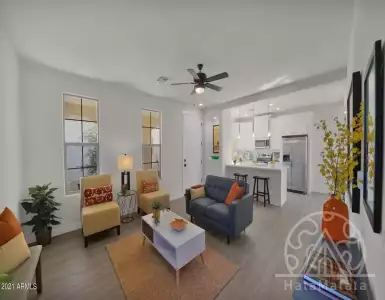




Practical outcome: For many would-be Northeastern buyers, condominiums are the only realistic route to urban homeownership, especially in walkable cores like Philadelphia Center City.
What this means for buyers and investors — a practical look
We interpret the data in pragmatic terms. Here is what different groups should take from the report and how they can act.
First-time buyers
- Expect to need higher incomes: ~$78,000 household income is the new benchmark for qualifying for starter homes, up from $43,000 seven years ago.
- Get mortgage-preapproved early. Sellers are favoring buyers who can close quickly.
- Expand your housing search beyond single-family detached homes. Attached homes, townhouses and condos can widen your options and improve negotiating leverage.
- Look for markets with inventory pressure in your favor: parts of the South and select Western metros show more choice and seller concessions.
Move-up buyers and downsizers
- Consider selling when you still have strong equity; that equity may make owning an entry-level rental or second property feasible.
- In seller-favored pockets, you can extract concessions to fund rate buydowns or closing costs.
Investors
- Be aware that in many Midwestern markets and select Sun Belt metros, investor competition is real and can drive up purchase prices for starter homes.
- Target markets where supply is still catching up and rents support investor returns, but watch zoning and local regulation that can restrict new supply.
Why supply alone won't cure starter-home affordability
Several agents in the Realtor.com report stress that ramping up construction is necessary but not sufficient. Builders often target the price points where profit margins are best, which tends to be mid-market and higher-end product. Increasing the number of small, basic units and accepting alternative product types is equally important.
Key structural barriers include:
- Limited developable land in dense metro areas.
- Restrictive zoning that blocks higher-density or missing-middle housing such as duplexes, triplexes and townhomes.
- High construction costs and interest expenses that push builders toward higher price points.
Heather O’Leary at eXp says the solution must include expanding the types of homes buyers are willing to consider and taking advantage of softer pricing within the attached-home market.
Seller incentives and how buyers can use them
One practical change in several markets is the rise of seller concessions. In Denver and parts of the West, sellers are offering credits large enough to fund interest-rate buydowns. These incentives alter monthly payment math and can make otherwise unaffordable listings workable.
Buyers should understand two things:
- Concessions can reduce your initial cash need at closing and lower monthly payments when used for a buydown.
- Relying on concessions can be risky in a faster market; they can disappear quickly, so a preapproval and quick decision-making are still essential.
Policy levers and what governments can do
Policymakers and local governments have levers that could improve starter-home access: easing certain zoning rules to allow more small-scale attached housing; accelerating approvals on infill projects; and supporting infrastructure to open up developable land. But these reforms face political resistance and take time to implement.
The Realtor.com analysis highlights that markets with permissive zoning and active building have produced more starter options. That is a blunt policy lesson: supply matters, but so does the type of supply.
Risks and red flags for buyers
- Mortgage rates remain a wildcard. Even if list prices fall modestly, higher mortgage rates can keep monthly payments elevated.
- Investor competition may outbid owner-occupant buyers in some entry-level segments, particularly in Midwest cities where yields tempt cash players.
- Condition and maintenance costs: many remaining starter homes are older or need work, which raises the true cost of ownership beyond the list price.
- Geographic mismatch: affordable homes may exist far from jobs and amenities, increasing commuting costs and reducing quality-of-life value.
Practical checklist for buyers today
- Obtain a mortgage preapproval and know your buydown and seller-concession options.
- Broaden product types you will consider: condos, townhouses, duplexes and new attached construction.
- Work with a local agent who understands submarket inventory and where concessions are most available.
- Budget for repairs and inspections; move-in-ready starter homes command premiums.
- Consider timing: markets in the South currently favor buyers more than many Northern metros.
Frequently Asked Questions
Q: What exactly is a starter home under this analysis?
A: Realtor.com defines a starter home as a listing priced below $350,000 nationally, or below 80% of a local market’s median list price. The threshold is therefore flexible and tied to local conditions.
Q: Are starter-home prices falling nationwide?
A: Starter-home prices are down about 4.2% from 2022 nationally, and inventory is up by roughly 220,000 listings versus 2022. But prices remain higher than 2019, and the typical starter home costs about $90,000 more than it did then.
Q: Which U.S. regions offer the best access for first-time buyers right now?
A: The South provides the most relief due to heavy new construction; the West shows local improvements in places like Denver and Phoenix; the Midwest is affordable in absolute terms but tightening; the Northeast is the most constrained.
Q: How can buyers make an offer more competitive in markets with seller concessions?
A: Being fully preapproved, offering flexible closing dates, and targeting listings where seller credits for rate buydowns are common will help. Also, consider waived contingencies cautiously; they can make offers stronger but add risk.
Final takeaway
The starter-home market is improving in aggregate, but that improvement is uneven and incomplete. There are more listings than in 2022 (+220,000) and prices are down 4.2%, yet supply is still ~300,000 listings below 2019 and entry affordability has worsened, with the median income needed to qualify rising to about $78,000. If you are buying, sell, or advising clients, the practical reality is simple: broaden acceptable product types, prepare paperwork in advance, and target regions where inventory and seller concessions give you real leverage. The arithmetic of monthly payments is the final arbiter in homeownership decisions.
We will find property in Thailand for you
- 🔸 Reliable new buildings and ready-made apartments
- 🔸 Without commissions and intermediaries
- 🔸 Online display and remote transaction

International Real Estate Consultant

Subscribe to the newsletter from Hatamatata.com!
Subscribe to the newsletter from Hatamatata.com!
Popular Posts

We will find property in Thailand for you
- 🔸 Reliable new buildings and ready-made apartments
- 🔸 Without commissions and intermediaries
- 🔸 Online display and remote transaction
International Real Estate Consultant

Subscribe to the newsletter from Hatamatata.com!
Subscribe to the newsletter from Hatamatata.com!
I agree to the processing of personal data and confidentiality rules of HatamatataPopular Offers
Need advice on your situation?
Get a free consultation on purchasing real estate overseas. We’ll discuss your goals, suggest the best strategies and countries, and explain how to complete the purchase step by step. You’ll get clear answers to all your questions about buying, investing, and relocating abroad.



Sales Director, HataMatata