Frequently Asked Questions
What do Phoenix property prices look like?
Phoenix home prices vary by type and area. Typical condo/loft units range roughly $180,000–$350,000; single‑family homes commonly fall between $300,000–$650,000 (median often near $400k–$450k); luxury homes exceed $700,000. Rents: 1‑bed $1,200–$1,800, 2‑bed $1,600–$2,500. Expect price gaps between central neighborhoods and outer suburbs.
Can foreign buyers buy property in Phoenix?
Yes—non‑US nationals can buy in Phoenix with no general ownership ban. Expect lenders to request larger down payments (commonly 30–50%), proof of funds, and higher interest rates. Foreign sellers/buyers must address US tax rules: rental income taxed, capital gains taxed, and FIRPTA may require a withholding (~15%) on sale unless exempt. Obtain an ITIN for tax filings.
Is Phoenix good for real estate investment?
Phoenix shows steady rental demand from growing population and job markets. Typical gross rental yields for single‑family rentals run about 5–8%; cap rates on multifamily/income assets often 4–6% depending on location. Liquidity is strong in core neighborhoods; expect quicker sales there (30–90 days). Seasonality: winter months bring higher short‑term demand from “snowbirds.”
What taxes, fees and timelines should buyers expect in Phoenix?
Buyers should budget closing costs roughly 2–5% of purchase price (title, escrow, lender fees). Sellers commonly pay broker commissions ~5–6%. Property tax effective rates roughly 0.6–1.3% of assessed value yearly. Typical escrow/closing timeline is 30–45 days; inspections and loan underwriting can add time. Pitfalls: skipping inspections, ignoring HOA rules, underestimating repairs or vacancy.
Which Phoenix neighborhoods suit buyers and investors?
For renting to young professionals: Downtown, Roosevelt Row, Midtown. For family living and schools: North Phoenix, Camelback East, Ahwatukee. Lifestyle and upscale: Arcadia, Biltmore, Paradise Valley fringe. Value‑add investor opportunities appear in South Phoenix, Maryvale and Laveen. Pick neighborhood by goal: cash flow (outskirts), appreciation and liquidity (central/core areas).
Can I operate short‑term rentals in Phoenix?
Short‑term rental rules vary by city/zip and HOA. Many Phoenix‑area jurisdictions require registration, safety inspections and transient lodging tax collection; combined taxes often run in the mid‑single digits to low teens percent. Demand peaks in winter (high season). Check local municipal rules, obtain required permits, and confirm HOA covenants before listing.
Is Phoenix suitable for digital nomads or remote workers?
Yes—Phoenix offers reliable broadband (100 Mbps–1 Gbps available in many areas), plentiful coworking options and lower living costs than many coastal metros. Outdoor lifestyle and year‑round sun appeal to remote workers, though summers are very hot. For stays beyond tourist limits, check US visa rules (ESTA allows eligible nationals up to 90 days; longer residencies require appropriate visas).
What should I watch for when buying new‑build or off‑plan in Phoenix?
Key risks: construction delays, change orders, contractor liens and financing shortfalls. Protect yourself: use escrowed deposits, get all specs and payment schedule in writing, require a clear completion timeline and warranty terms, insist on title insurance and independent inspections at key milestones, and verify contractor licensing and local permits before signing.
How does buying to rent differ from buying to live in Phoenix?
Financing: owner‑occupant loans often require 5–20% down; investment loans usually need 20–30% (or more for non‑residents) and carry higher rates. Insurance and operating costs are higher for rentals; budget for property management (8–12% of rent). Tax differences: investors claim depreciation and can use 1031 exchanges; eviction and maintenance responsibilities also increase operating timelines and reserves.
How can I verify a Phoenix developer's reliability?
Do due diligence: check contractor license and complaints with state licensing board, review prior project completions, request escrow and warranty terms, search county records for liens or litigation, ask for independent references and independent structural inspections, confirm permits and certificate of occupancy, and require transparent payment schedules with holdbacks for incomplete work. Allow 2–4 weeks for thorough checks.


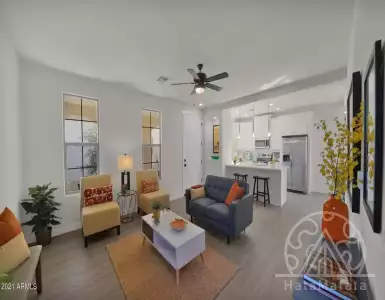 499 000 $
 1 597 016 $
 396 679 $
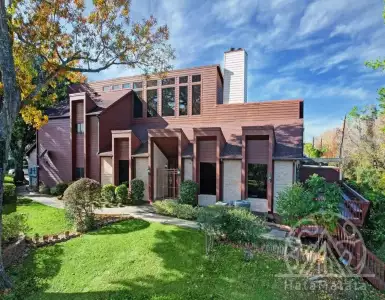 618 189 $
 1 545 528 $
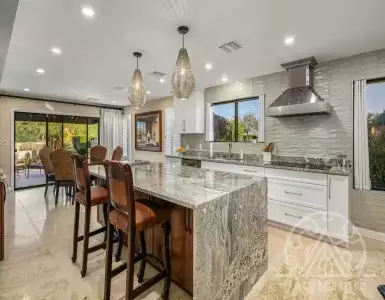 1 494 040 $
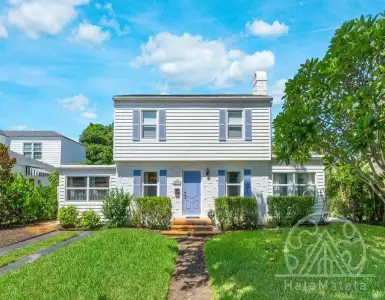 2 112 229 $
 Legal review:
Deni Gerikhanov, International Real Estate Lawyer
 Financial review:
Evgeniya Skripko, Financial Expert in International Real Estate
Reviewed: