City View view 214 999 $
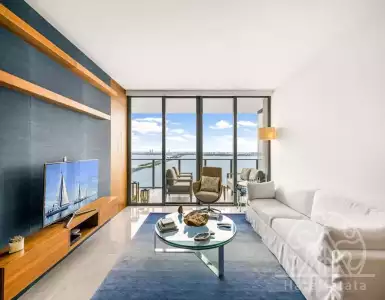 1 568 339 $
 389 556 $
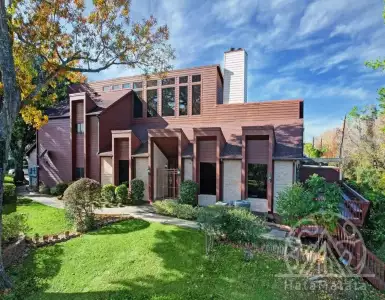 607 088 $
 1 517 776 $
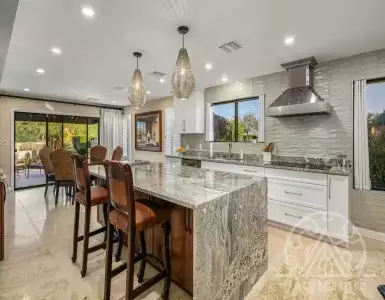 1 467 212 $
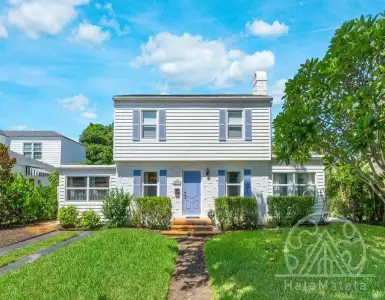 2 074 301 $
 Legal review:
Deni Gerikhanov, International Real Estate Lawyer
 Financial review:
Evgeniya Skripko, Financial Expert in International Real Estate
Reviewed:
🇺🇸 Fort Myers, FL real estate market: waterfront homes, condos, investment trends
Fort Myers sits on the Caloosahatchee River and acts as a gateway to Southwest Florida’s beaches, islands, and growing business corridors, offering a blend of laid-back coastal lifestyle and active urban renewal. The city’s subtropical climate delivers long warm seasons and mild winters, making it attractive for year-round residents and seasonal visitors alike. The River District downtown, the historic McGregor Boulevard corridors, and nearby resort islands like Sanibel and Fort Myers Beach combine to create a varied market for buyers and investors looking at property in Fort Myers.
🏖️ City overview and lifestyle in Fort Myers for property buyers
Fort Myers combines riverfront charm, palm-lined boulevards, and a revitalized downtown that attracts dining, arts, and boutique retail activity. The Edison & Ford Winter Estates are cultural anchors that draw visitors and new residents, supporting short-term rental demand and tourism-related services. The city’s climate is humid subtropical, with abundant sunshine driving year-round outdoor lifestyle and water-based recreation that shapes local real estate preferences.
Fort Myers functions as a regional hub for Lee County, with suburban expansions to the south and east and island resort communities to the west. The lifestyle balance ranges from vibrant riverfront nightlife in the River District to tranquil golf-course living in gated communities such as Gulf Harbour Yacht & Country Club. Demand is driven by a mix of retirees, remote workers relocating from colder states, and investors targeting tourism-driven cash flows.
Fort Myers presents practical advantages for families and professionals alike, thanks to public parks, marinas, and proximity to beaches and preserves — features that sustain rental yields and capital growth for various property types.
💶 Property prices in Fort Myers across neighborhoods and types
Fort Myers presents a wide value spectrum, with entry-level condos and townhouses up to ultra-luxury waterfront estates. Typical ranges include condos from $150,000–$500,000, single-family homes from $300,000–$1,200,000, and waterfront villas often $1,000,000–$10,000,000+. Average pricing per square foot typically sits in a band around $200–$350 per sq ft (≈ $2,150–$3,765 per m²) depending on location and finish.
Price dynamics over recent market cycles have shown steady appreciation in desirable submarkets, with stronger gains along the coast, riverfront, and in master-planned communities such as Miromar Lakes and Babcock Ranch. Investors often compare long-term rental yields and capital growth when choosing between downtown condos and beachside vacation rentals.
Price overview by submarket:
- Downtown River District: $250,000–$1,500,000 for condos and lofts
- McGregor / Historic districts: $400,000–$2,000,000 for single-family homes
- Fort Myers Beach / Sanibel proximity: $300,000–$5,000,000+ for beachfront units
- Gulf Harbour / gated golf communities: $500,000–$5,000,000
- Nearby Cape Coral: $200,000–$800,000 for single-family and canal-front homes
🎯 Which district of Fort Myers to choose for buying property and investment
Downtown River District is ideal for buyers seeking walkable urban life and investors targeting long-term and short-term rentals near dining and cultural venues. McGregor and Colonial corridors suit families and professionals because of tree-lined streets, established schools, and mature infrastructure. Fort Myers Beach, Sanibel, and Captiva are primarily resort-focused and attract high seasonal rental rates and premium pricing.
Gulf Harbour and similar gated communities are tailored for premium buyers looking for marina access, golf, and private amenities, while newer master-planned communities near Estero and south Fort Myers are aimed at family buyers and those seeking modern facilities. Cape Coral, across the river, offers a lower entry price and strong canal-front opportunities favored by investors seeking waterfront homes.
Target buyer profiles by district:
- River District: Young professionals, short-term rental investors, second-home buyers
- McGregor / Historic areas: Families, retirees, owner-occupiers seeking character homes
- Fort Myers Beach / Sanibel access: Vacation-home buyers, high-yield short-term rental investors
- Gulf Harbour / gated communities: High-net-worth buyers, boat owners, luxury lifestyle purchasers
🚗 Transport and connectivity around Fort Myers and property access
Fort Myers is served by Southwest Florida International Airport (RSW), located roughly 20–30 minutes from downtown depending on traffic, facilitating national and international travel for owners and tenants. Major road arteries include US-41 (McGregor Boulevard) along the river and I-75 providing north–south connections to Naples, Sarasota, and Tampa, with typical drives to Naples around 45–60 minutes and to Tampa around 2 hours depending on congestion.
Public transport in Fort Myers is primarily LeeTran bus service, covering the urban core and suburbs; there is no metro or tram system, so car ownership remains common for commuting. Average inner-city travel times are modest — 15–35 minutes for most commutes — and access to Sanibel and Captiva involves causeway crossings that add 20–40 minutes for beach trips.
Connectivity advantages for buyers include proximity to RSW, good highway access for regional mobility, and active ride-hailing services; investors should factor in parking and accessibility when selecting properties for short-term rentals or commuter tenants.
🏫 Urban infrastructure and amenities in Fort Myers supporting real estate demand
Fort Myers offers important public and private infrastructure that supports family life and investment quality: Florida Gulf Coast University (FGCU) nearby, Lee Health hospitals including Gulf Coast Medical Center and HealthPark Medical Center, and recreation areas such as Lakes Regional Park and the River District waterfront. Retail nodes include Bell Tower Shops and Gulf Coast Town Center, delivering strong retail and service ecosystems.
Educational and health infrastructure attract relocation buyers and provide stable employment anchors that improve rental demand for nearby neighborhoods. Parks, marinas, and preserved areas create lifestyle value that directly supports higher valuations for waterfront and amenity-rich communities.
Key amenities list:
- Hospitals: Lee Health – Gulf Coast Medical Center, HealthPark Medical Center
- Education: Florida Gulf Coast University (FGCU), community college campuses
- Retail & leisure: Bell Tower Shops, Gulf Coast Town Center, River District venues
- Parks & beaches: Lakes Park, Caloosahatchee riverfront, Sanibel and Fort Myers Beach access
📈 Economic environment and Fort Myers city development driving real estate investment
Fort Myers’ economy blends tourism, healthcare, retail, construction, and professional services; tourism and seasonal visitation are significant drivers of short-term rental ROI and hospitality-related employment. The region’s population growth and inward migration from Northern states bolster housing demand and encourage new developments.
Large-scale, master-planned communities and targeted downtown redevelopment projects are expanding the supply of modern housing, mixed-use office space, and retail, supporting both rental markets and capital appreciation. Commercial development clusters near Gateway and Colonial Boulevard bring employment opportunities that strengthen long-term rental demand.
Investment indicators to watch include tourism visitor counts, job growth in healthcare and services, and infrastructure projects that reduce commute times — all elements that influence real estate investment in Fort Myers and expected ROI.
🏘️ Property formats and housing types available in Fort Myers
Fort Myers offers a full spectrum from resale condos and single-family homes to new developments and off-plan options in master-planned communities. Buyers can choose low-rise condominiums in the River District, move-in-ready resale single-family homes in established neighborhoods, or new build property in Fort Myers in gated communities and planned developments.
Architectural styles vary from historic Mediterranean and bungalow homes along McGregor to contemporary villas and coastal modern condos along the islands; lot sizes range from compact urban footprints to multiple-acre waterfront estates. Building density is highest in the downtown corridor and island resorts, while suburbs and master-planned communities emphasize detached homes and wider green space.
Property types and typical sizes:
- Condominiums / apartments: 600–1,800 sq ft (55–167 m²)
- Townhouses: 1,200–2,200 sq ft (112–204 m²)
- Single-family homes: 1,200–4,000+ sq ft (112–372 m²)
- Waterfront estates: 2,500–6,000+ sq ft (232–557 m²)
🏗️ Developers and key residential projects shaping Fort Myers real estate
Regional and national builders are active across Fort Myers: Lennar, PulteGroup, D.R. Horton, Taylor Morrison, GL Homes, Stock Development, Kolter Group, Miromar Development Corporation, and Kitson & Partners are notable names with projects in Lee County and surrounding areas. Projects with strong market recognition include Miromar Lakes Beach & Golf Club and Babcock Ranch, both of which set standards for amenities, master planning, and resale demand.
Downtown Fort Myers has seen a range of infill and renovation projects — branded condo and loft buildings in the River District — while gated communities and marina developments continue to be delivered by established homebuilders. Developers often offer structured amenity packages, HOA-managed maintenance, and marina slips that add value for specific buyer segments.
Project quality and reputations:
- Miromar Lakes: luxury waterfront and resort-style amenities
- Babcock Ranch (Kitson & Partners): sustainable planning, mixed-use infrastructure
- Major builders (Lennar, Pulte, D.R. Horton): volume communities with warranty programs and financing partnerships
🧾 Mortgage, financing, and installment options for buying property in Fort Myers
Foreign buyers can access financing, though lenders typically require higher down payments and more stringent documentation than for US citizens. Typical conditions for non-resident borrowers include down payments of 20–30% for primary/residence‑qualified loans and 30–50% for investment purchases; loan terms generally mirror US market offerings such as 30-year fixed or adjustable-rate mortgages.
Developers of new build property in Fort Myers frequently offer installment plan options or staged deposits for off-plan sales; these property in Fort Myers with installment plan opportunities vary by project and can include initial reservation deposits followed by progress payments. Buyers should expect lenders to request proof of income, credit history or alternatives, passport/ID, and sometimes an ITIN for tax reporting.
Financing checklist:
- Down payment / deposit expectations: 20–50% depending on residency and loan type
- Typical financing types: Conventional, FHA (residents), portfolio loans, developer installment plans
- Documentation: Passport, bank statements, proof of funds, tax returns, appraisal and title insurance
🧭 Property purchase process in Fort Myers for foreign buyers and payment methods
The typical purchase process follows clear steps: choose a property, engage a licensed buyer’s agent, submit an offer with earnest money (often 1–3%), complete inspections and appraisal, secure financing if needed, and close via escrow with title transfer and recording. Title insurance and a local closing agent or attorney are standard to protect buyers.
Payment methods at closing are primarily bank wire transfers to escrow accounts or certified funds; international buyers commonly bring proof of funds and use US-based escrow to secure the transaction. For off-plan property in Fort Myers, staged developer deposits and contractual guarantees outline completion schedules and transfer conditions.
Practical purchase checklist:
- Hire a local buyer’s agent and real estate attorney
- Perform inspections and property surveys for resale properties
- Use escrow and title services; prepare for closing costs 2–5% of purchase price
⚖️ Legal aspects, taxes, and residence options when buying property in Fort Myers
Non‑citizens have full rights to acquire and hold real estate in the United States; there is no national restriction preventing foreign ownership of property in Fort Myers. Buyers should understand local property taxes (Lee County millage rates) and that annual property taxes typically approximate 1–2% of assessed value, with specific bills varying by exemptions and assessments. Homestead exemptions are generally limited to US residents and citizens.
Owning property does not automatically create an entitlement to a US residence permit; immigration pathways such as employment-based visas or investor business visas have distinct requirements and are separate from real estate ownership. Tax considerations include federal and state income tax on rental income, potential FIRPTA withholding on sales by foreign sellers, and capital gains tax implications — consult a US tax advisor for specifics.
Legal recommendations:
- Obtain title insurance and perform a title search
- Engage a local real estate attorney for contract review and closing
- Secure an ITIN for tax reporting if you are a non-resident earning US rental income
📊 Property use cases and investment strategies for Fort Myers real estate
Fort Myers supports multiple use cases: permanent residence, seasonal second homes, long-term rentals, and short-term vacation rentals driven by tourism. Investors seeking stable monthly cash flow often target neighborhoods near employment hubs or universities; investors seeking high seasonal yields focus on beachfront condos and island properties.
Specific matches by strategy:
- Permanent residence: McGregor, Colonial, Cypress Lake — single-family homes and townhouses
- Long-term rental: Gateway corridor, Colonial Blvd suburbs — 3–4 bedroom family homes
- Short-term rental / vacation: Fort Myers Beach, Sanibel proximity, River District condos — condos and 2–3 bedroom holiday units
- Luxury lifestyle / marina ownership: Gulf Harbour, Miromar Lakes — waterfront villas and slips
Investment performance considerations include historic capital growth in coastal and riverfront sectors, gross rental yields typically in the 4–6% range for long-term leases and 6–10%+ potential gross yields for well-managed short-term rental properties, subject to seasonality and occupancy rates. Choosing between new developments in Fort Myers, new build property in Fort Myers, resale property in Fort Myers, or off-plan property in Fort Myers depends on investor appetite for construction risk, immediate cash flow, and developer reputation.
Fort Myers remains a market where lifestyle and investment intersect: schools, healthcare and expanding retail create long-term demand, while beaches, marinas and seasonal tourism support strong short-term rental returns. Buyers who align neighborhood selection with financing structure, legal planning, and a clear use case position themselves to capture both lifestyle value and potential capital appreciation on property in Fort Myers.