1 747 728 $
House with 10 bedrooms in Palmela, Portugal
Bedrooms: 10 Bathrooms: 7
Palmela, Portugal
Discover your dream property in Portugal. Enjoy a relaxed lifestyle, beautiful beaches, and vibrant culture. Benefit from attractive investment opportunities in a growing real estate market.
 Irina Nikolaeva, Southern Europe Real Estate Expert
Updated:
1 747 728 $
Palmela, Portugal
 1 626 816 $
Comporta, Portugal
 1 428 960 $
Sesimbra, Portugal
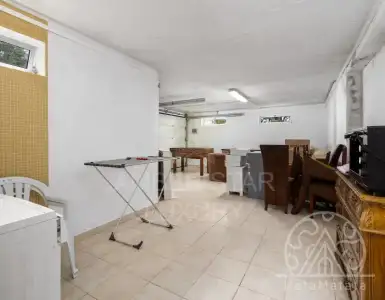 Sea View view 1 319 040 $
Faro, Portugal
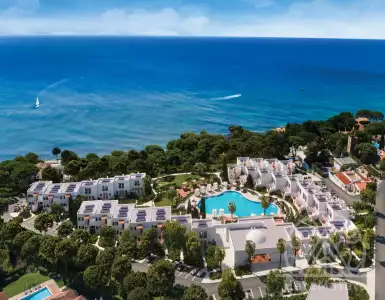 Sea View view 747 456 $
Faro, Portugal
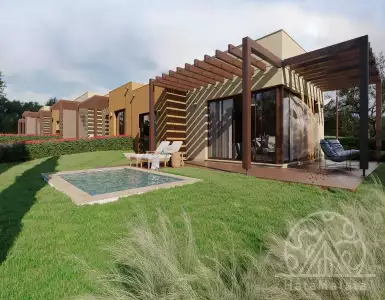 Mountain View view 467 160 $
Faro, Portugal
Save time — for free we will select objects for your budget and goals
 Park View view 538 608 $
Gondomar, Portugal
 648 528 $
Gondomar, Portugal
 1 483 920 $
Vila Nova de Gaia, Portugal
 423 192 $
Obidos, Portugal
 472 656 $
Obidos, Portugal
 318 768 $
Obidos, Portugal
 1 423 464 $
Lagoa, Portugal
 2 857 921 $
Lagoa, Portugal
 1 527 888 $
Lagoa, Portugal
 4 163 710 $
Funchal, Portugal
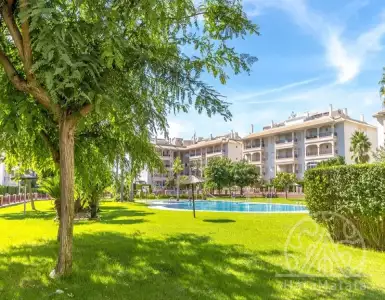 200 173 $
Madeira, Portugal
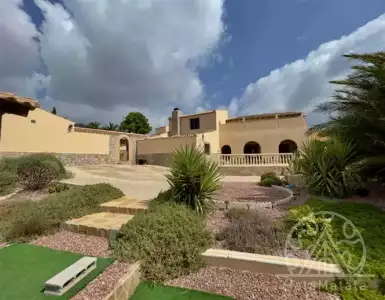 307 776 $
Madeira, Portugal
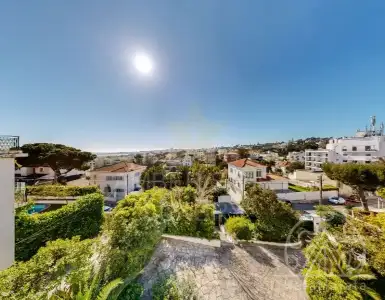 City View view 4 341 842 $
Cascais, Portugal
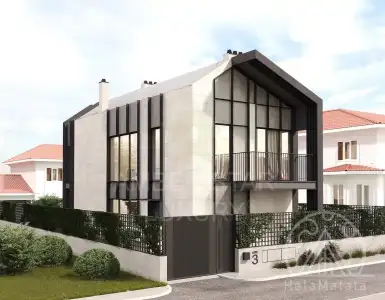 1 593 840 $
Cascais, Portugal
 1 082 712 $
Lisbon, Portugal
 13 740 006 $
Loule, Portugal
 143 995 $
Loule, Portugal
 6 045 602 $
Albufeira, Portugal
 Legal review:
Deni Gerikhanov, International Real Estate Lawyer
 Financial review:
Evgeniya Skripko, Financial Expert in International Real Estate
Reviewed:
Portugal offers a uniquely attractive combination of Atlantic coastline, mild climate, modern infrastructure and a stable legal framework that draws private buyers and investors to buy House in Portugal. Lisbon and Porto lead demand as business and cultural hubs, while the Algarve, Madeira and the Alentejo appeal for tourism and lifestyle buyers. Key factors shaping choices include transport links (Lisbon Humberto Delgado Airport, Porto Francisco Sá Carneiro, Faro Airport), highway corridors A1/A2/A22 and rail services by Comboios de Portugal, plus expanding tech clusters and international schools in Lisbon and Cascais. Portugal’s climate zones, coastal access and quality of life create sustained demand for houses from families, retirees and rental investors.
Portugal’s geographic diversity drives price variation and buyer profiles, with coastal Lisbon/Cascais commanding premiums and inland Alentejo offering lower entry points. Lisbon metro and Cascais/Estoril attract high-net-worth buyers seeking villas and townhouses within commutable distance of business districts and international schools. Algarve resorts (Vilamoura, Vale do Lobo, Quinta do Lago) focus on holiday houses and high short-term rental yields.
Urban Porto and surrounding Greater Porto (Gaia, Matosinhos) see strong demand for family homes and renovation projects near universities and the port. Madeira (Funchal) and Azores (Ponta Delgada) present niche markets with rising expatriate interest and tourism-driven rental demand.
Transport and infrastructure define desirability: proximity to Lisbon Humberto Delgado Airport, the A1 corridor, Parque das Nações, metro/tram lines, hospital clusters (Hospital de São José, Hospital de Santa Maria) and tech parks drives both long-term capital growth and consistent rental demand.
House prices vary sharply by region, type and age of the property; investors should expect different entry levels for beach villas versus urban terraced houses. Typical price bands in US dollars are:
Buyers choose regions based on lifestyle, rental dynamics and capital-growth potential: Lisbon region for jobs and long-term rentals, Porto for affordability and university-driven demand, Algarve for holiday rentals, Alentejo for rural retreats. Infrastructure and transport access heavily influence those decisions: good road links, proximity to airports and public transport increase both occupancy and resale prospects.
Rental demand patterns differ: Lisbon long-term rentals attract professionals and expats, Porto benefits from students and tech workers, Algarve targets seasonal tourism and short-term guests. Rental yield for house in Portugal tends to be higher for short-term rented Algarve villas (gross yields 5–8% in busy seasons) and stable but lower for Lisbon long-term houses (gross yields 3–5%).
Price differences reflect these patterns: buyer budgets and expected ROI on house in Portugal must align with location — investors seeking steady income often prefer Porto and Lisbon outskirts, while capital-appreciation or premium rental income favors the Algarve and central Lisbon neighbourhoods.
Portugal’s residential supply is driven by major construction and hospitality groups and local resort operators that manage gated communities and branded residences. Notable names and projects include:
Foreign buyers can secure a mortgage Portugal for foreigners through major Portuguese and international banks, with terms and conditions that vary by lender and borrower profile. Typical conditions: loan-to-value (LTV) 60–80% for residents and 50–70% for non-residents, down payments commonly 20–40%, and maximum repayment terms up to 30 years for primary residences. Interest ranges offered to qualified borrowers commonly fall in a spread that reflects fixed and variable options; banks will assess income, credit history and property type.
Requirements and documentation often include NIF (Portuguese tax number), proof of income, bank statements, employment contracts, and a Portuguese bank account. Popular banks active in mortgage lending include Banco Santander Portugal, Millennium BCP, Novo Banco and international lenders with local branches. Options:
The legal process to buy house in Portugal follows well-defined stages; foreign buyers should engage a local lawyer and a notary to ensure due diligence. Key steps:
Foreign owners have the same property rights as residents, but tax obligations and rental regulations must be observed; advice from a tax specialist and lawyer is essential. Key fiscal elements include:
Total transaction costs beyond the purchase price typically range from 4%–8% depending on taxes and professional fees; buyers should budget accordingly. Typical items to include:
Different buyer goals map to different Portuguese locations and property types:
Market prospects remain positive as Portugal continues to balance tourism, foreign investment and residential demand across its regions. Urban regeneration in Lisbon and Porto, steady inbound tourism to Algarve, and renewed interest in rural and island properties support diversified opportunities for buyers seeking a House in Portugal, whether the goal is lifestyle, rental income or long-term capital appreciation. Regulatory and tax frameworks evolve, so aligning acquisition strategy with clear due diligence, professional legal advice and realistic financing plans will preserve ROI on house in Portugal and simplify paths like Buy house as a foreigner in Portugal or pursuing residency options such as Residence permit through house investment in Portugal or Golden visa through house investment in Portugal when eligible.
House prices in Portugal vary widely by location. Entry-level rural homes often sell from about €50,000–€200,000; family houses in towns €150,000–€500,000; major coastal cities and Lisbon/Porto/Algarve commonly range €300,000–€2,000,000+. Price per m² benchmarks run roughly €1,000–€6,500/m² depending on city and quality (USD equivalents available).
Portugal offers visas and permits like the D7 (passive income/remote workers), work visas, long-stay national visas, family reunification, and investment residence routes. Owning a house can support proof of accommodation or meet some investment criteria for specific programs, but purchase does not automatically grant residency; eligibility and requirements vary by permit.
Buyers face transfer tax (IMT) which is progressive and commonly ranges from 0% up to around 8% depending on value and use, plus stamp duty of 0.8% on the purchase price. Expect additional registration and notary fees (typically €300–€1,200) and legal fees (often 0.5%–2% of price). Exact amounts depend on property type and price.
Yes. Portuguese banks lend to non-residents and residents; typical loan-to-value (LTV) is about 60%–80% for residents and 60%–70% for non-residents. Lenders require a Portuguese tax number (NIF), proof of income, credit checks and usually a larger down payment for non-residents. Interest rates and terms vary by lender.
Closing costs for a house commonly include IMT, stamp duty, notary and registration fees, legal fees, mortgage arrangement fees (if applicable) and possible survey costs. Total buyer closing costs commonly amount to roughly 6%–10% of the purchase price, depending on taxes, financing and professional fees.
Before buying a house in Portugal check the land registry (Conservatória), confirm clear title and encumbrances, verify municipal planning and building licences (licença de utilização), obtain an energy certificate, review outstanding taxes or debts, commission a structural survey, and confirm permitted use with the local municipality.
Short-term rentals are allowed but require municipal registration as Alojamento Local in most areas and compliance with local rules. Some municipalities limit licences in city centres or impose stricter rules. Hosts must register for tax and follow safety and neighbour regulations; rules and enforcement vary by municipality.
Portugal offers high quality of life, good public and private healthcare, international and local schools, efficient urban transport and growing broadband—suitable for many remote workers and digital nomads. Cost of living varies: roughly €800–€2,000+ monthly depending on location and lifestyle. Infrastructure and safety are generally strong nationwide.
Ongoing costs include annual property tax (IMI) which typically ranges about 0.3%–0.8% of taxable value, condominium fees (€20–€300/month depending on building), utilities (€100–€300/month), property insurance (€100–€500/year) and periodic maintenance. Local rates and fees vary by municipality and property type.
A typical house purchase in Portugal can take 6–16 weeks. Common stages: offer and reservation, promissory contract with deposit, mortgage approval (if needed), final deed (escritura) and registration. Timeline shortens for cash buyers and extends when financing or complex checks are required.
Yes: 12 of 398 properties in Portugal (3%) have a sea view or are within 1 km of the beach. The most affordable of them starts from 181 000 $. The closest one is 150 m from the beach. HataMatata catalog data as of November 22, 2026.
The most affordable listing in Portugal starts from 38 000 $ right now, out of 398 properties in the catalog. Sort the catalog by price to see the cheapest first and compare them with nearby towns in the region. HataMatata catalog data as of November 22, 2026.
Yes: 35 of 398 properties in Portugal (9%) have a pool, private or shared in the complex. The most affordable of them starts from 118 000 $. HataMatata catalog data as of November 22, 2026.
Leave a request and receive free advice on prices, taxes, residence permits and the real estate market in Portugal.
 Lisbon
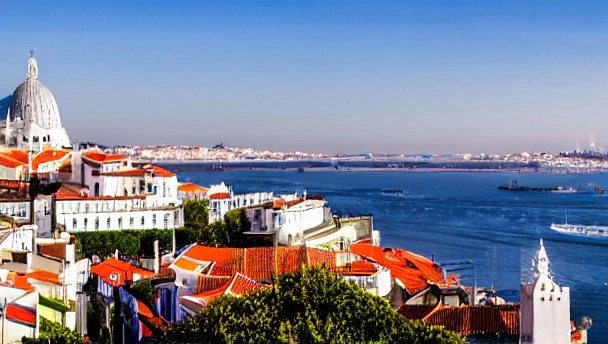 Faro
 Azores
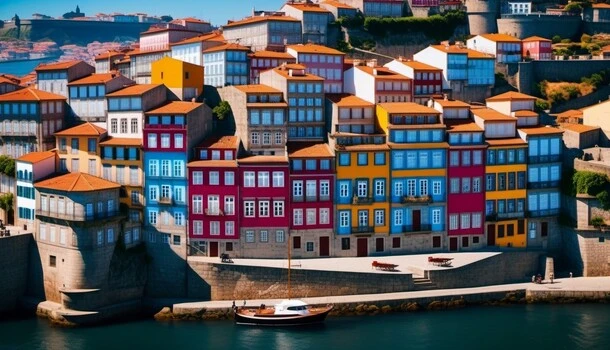 Porto
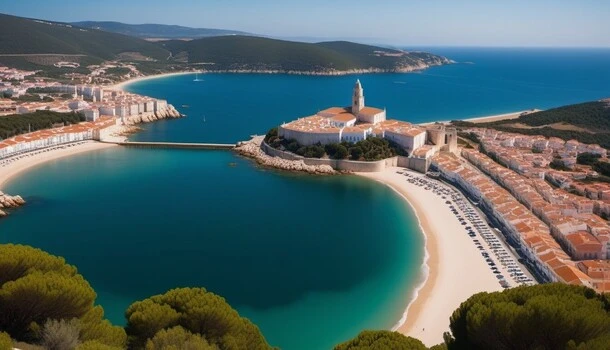 Setubal