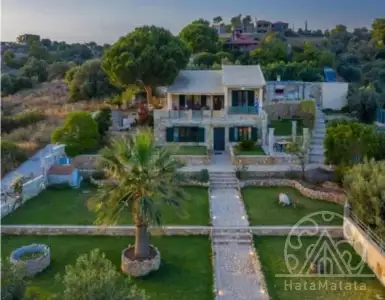
 549 600 $
Villa with 2 bedrooms in Porto, Portugal
Bedrooms: 2 Bathrooms: 1
Porto, Portugal
Discover stunning properties in Portugal. Enjoy a relaxed lifestyle, beautiful beaches, and a growing real estate market ideal for investors. Start planning your future today.
 Irina Nikolaeva, Southern Europe Real Estate Expert
Updated:
549 600 $
Porto, Portugal
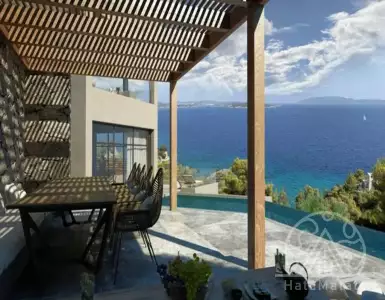 2 802 961 $
Porto, Portugal
 618 916 $
Vila Nova de Gaia, Portugal
 3 847 201 $
Vilamora, Portugal
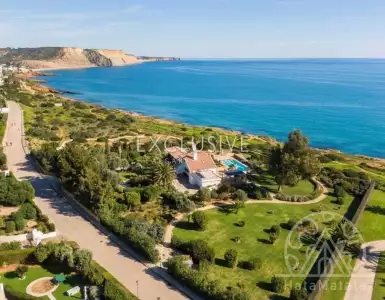 7 144 803 $
Lagos, Portugal
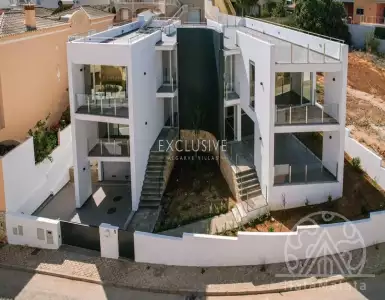 2 088 480 $
Lagos, Portugal
Save time — for free we will select objects for your budget and goals
 2 857 921 $
Lagoa, Portugal
 4 946 402 $
Lagoa, Portugal
 2 857 921 $
Lagoa, Portugal
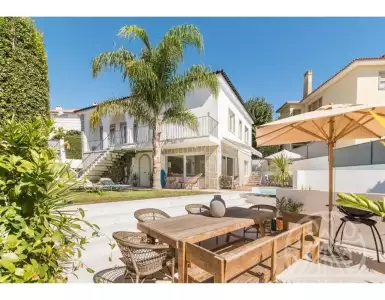 1 813 680 $
Estoril, Portugal
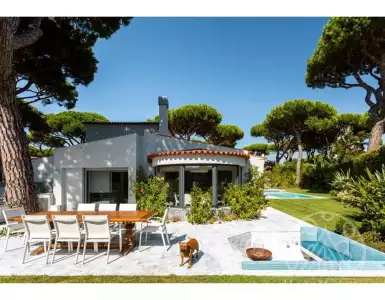 3 292 105 $
Estoril, Portugal
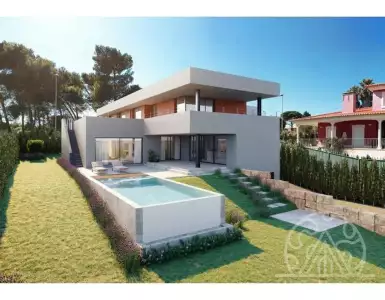 5 166 242 $
Estoril, Portugal
 Legal review:
Deni Gerikhanov, International Real Estate Lawyer
 Financial review:
Evgeniya Skripko, Financial Expert in International Real Estate
Reviewed:
Portugal is a compact but geographically diverse country that consistently attracts buyers who want a villa in Portugal for lifestyle, rental income, or portfolio diversification. The coastline from the Algarve to the Silver Coast, the Lisbon and Porto metropolitan corridors, and the islands of Madeira and the Azores each offer distinct micro-markets shaped by climate, transport links, and local economies. Accessibility to international airports, high-speed rail, modern highways, marinas and golf infrastructure directly affects demand and pricing, making location selection as important as construction quality and legal clarity when you decide to buy villa in Portugal.
Portugal’s coastal corridors concentrate the highest demand for villas, driven by climate, tourism infrastructure and international connectivity. The Algarve (Faro, Lagos, Albufeira, Vilamoura, Quinta do Lago, Vale do Lobo) is the luxury and holiday-rental leader, with micro-markets fetching $1,000,000–$20,000,000 for prime seafront villas; inland Silver Coast (Óbidos, Nazaré, Peniche, Comporta) offers quieter plots and strong second-home demand with prices typically $500,000–$2,500,000. Lisbon’s coastal suburbs — Cascais and Estoril — combine proximity to Lisbon Airport and business centers with premium pricing, often $800,000–$6,000,000 for modern family villas.
Location-specific infrastructure shapes demand: proximity to Lisbon and Porto airports, access to the A1/A2 motorways, and presence of marinas or golf courses increase both capital value and rental yield. Buyers seeking year-round rental demand or relocation to an urban business hub lean to Lisbon and Porto; seasonal rental investors prefer the Algarve or island resorts.
Choosing a region must balance lifestyle goals, liquidity and regulatory constraints: some coastal resorts have homeowner associations, conservation rules and tourism licensing that affect short-term rental operations, while inland estates often offer larger plots and lower initial outlay.
Portugal’s economy is an open, EU-integrated market with a diversified services sector, a strong tourism profile and improving business services hubs in Lisbon and Porto; those dynamics underpin demand for a villa in Portugal as both lifestyle real estate and investment. Tourism volumes regularly exceed 10 million visitors annually, supporting short-term rental demand in popular regions and boosting ROI on villas marketed to holidaymakers.
Fiscal and regulatory frameworks matter for liquidity: Portugal operates with municipal property tax (IMI), property transfer taxes (IMT) and stamp duty; corporate and personal tax regimes influence investor decisions, while the Non-Habitual Resident (NHR) regime and other incentives attract high-net-worth buyers. Investors monitor tax burden and administrative predictability because these affect ROI on villa in Portugal and overall exit potential.
Macro indicators such as steady employment growth in urban centers, increased remote-work migration, and public investment in transport corridors and airports all contribute to long-term price support and sustained rental demand, particularly in markets with constrained new supply like Quinta do Lago, Cascais and central Algarve resorts.
Pricing varies strongly by region, proximity to sea, plot size and finish level; developers’ branded resorts push top-tier pricing, while resale stock in inland and emerging coastal towns remains more affordable. Typical price bands and formats:
Buyers focus on several repeatable hotspots for liquidity and services: Lisbon metro (Lisbon, Cascais, Estoril), Porto metro, the Algarve (Faro, Vilamoura, Lagos, Albufeira), Silver Coast (Comporta, Óbidos), and the islands (Madeira, Azores). Each location has distinct infrastructure and demand drivers.
Real estate in Portugal is shaped by a mix of local and international developers specializing in resort and urban villa projects. Notable names and projects to monitor:
Foreign buyers can access Portuguese mortgage products and developer financing, though terms differ by residency and borrower profile. Major banks and international lenders provide mortgage Portugal for foreigners with typical parameters:
The legal process balances buyer protection with administrative steps; working with a Portuguese lawyer and a licensed notary is standard practice. Typical timeline and stages:
Owning a villa in Portugal triggers several ongoing obligations and tax considerations that affect net returns and residency options. Key fiscal items include:
Villas in Portugal serve a wide range of buyer goals: primary residence, relocation, seasonal retreat, short-term rental investment, family compound or ultra-prime trophy asset. Match examples to property types and places:
Portugal’s villa market shows resilient demand driven by tourism, improved connectivity and a steady inflow of international buyers; constrained supply in prime coastal enclaves and strict planning regimes for protected zones support price resilience and rental demand, while developer-backed projects and institutional interest expand options for off-plan purchases and financing. For buyers assessing a villa purchase—whether to buy villa in Portugal for lifestyle, as a foreign investor, or to pursue residency pathways—careful selection of location, developer, tax planning, and legal due diligence will define long-term returns and enjoyment.
Villas in Portugal vary widely by region: inland and northern rural areas from about €80,000–€600,000; Central/Silver Coast €200,000–€1.5M; Lisbon metro and coastal suburbs €400,000–€4M; Algarve and luxury coastal villas €500,000–€5M+. Prices depend on location, land, sea views and condition; use these bands as national benchmarks.
Portugal routes include D7 (passive income), D2 (entrepreneur) and investment‑based residence schemes. Owning a villa can help demonstrate accommodation or investment but property purchase alone does not automatically grant residency or citizenship. Eligibility depends on meeting each visa’s income, investment or activity criteria and paperwork.
Portugal offers good quality of life, temperate climate, public and private healthcare, reliable roads and airports, and international schooling in main cities. Cost of living varies—expect roughly €1,200–€2,500 monthly for a small household depending on location. Coastal cities and major towns suit digital nomads with decent broadband and co‑working availability.
Key taxes: annual IMI property tax typically 0.3%–0.8% of taxable value (municipality sets rate); rental income and capital gains are taxable under Portuguese rules; municipal surcharges and other levies can apply. Exact treatment depends on residency status and whether the villa is rented or sold.
Expect IMT (property transfer tax) calculated on a progressive scale, stamp duty ~0.8% of purchase price, plus notary/registration fees and legal costs. Overall transaction costs commonly total about 6%–10% of the purchase price including taxes and professional fees; fixed admin fees are usually a few hundred to a couple thousand euros.
Yes. Lenders typically offer mortgages to non‑residents with LTV around 50%–70% for foreign buyers, loan terms 10–30 years, and requirements such as income proof, credit checks and a Portuguese fiscal number (NIF). Rates and exact conditions depend on the lender, applicant profile and property type.
Short‑term rentals require registration (Alojamento Local) and must meet municipal safety, hygiene and licensing rules. Local councils can restrict new licenses in saturated zones; rental income is taxable and tourist taxes may apply. Check municipal planning and licensing before operating a holiday villa.
Do a title search at the Conservatória, confirm planning and building permits, check for liens or debts, and obtain the energy certificate. Commission structural and technical surveys (typical cost €300–€2,000) and verify the seller’s ID and tax status. Secure a Portuguese NIF and clear outstanding encumbrances before completing purchase.
Yes. Coastal protection, Natura 2000 sites and municipal master plans can restrict building, extensions or land use near the shore. Many works need planning permission and environmental clearance; permitted scope depends on protection status and local regulations. Always consult the local planning authority before buying a coastal villa.
An Energy Performance Certificate (Certificado Energético) is mandatory for sale or rental and must be issued by a certified expert. Major renovations or extensions usually require a building permit and updated certificates; EPC costs typically €150–€400. Compliance can affect mortgage approval and marketability.
Yes: 6 of 153 properties in Portugal (4%) have a pool, private or shared in the complex. The most affordable of them starts from 412 000 $. HataMatata catalog data as of November 22, 2026.
The most affordable listing in Portugal starts from 79 000 $ right now, out of 153 properties in the catalog. Sort the catalog by price to see the cheapest first and compare them with nearby towns in the region. HataMatata catalog data as of November 22, 2026.
Leave a request and receive free advice on prices, taxes, residence permits and the real estate market in Portugal.
 Lisbon
 Faro
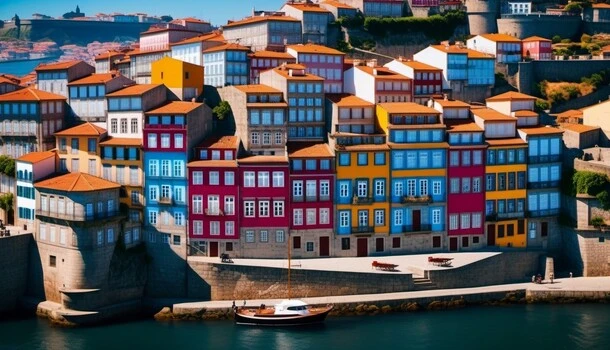 Porto
 Azores
 Algarve