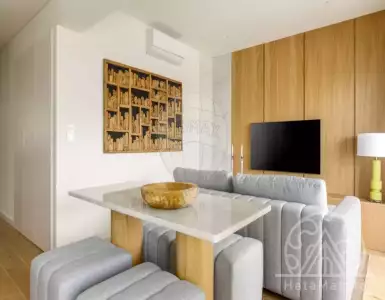
 631 021 $
Flat with 1 bedroom in Sesimbra, Portugal
Bedrooms: 1 Bathrooms: 2
Sesimbra, Portugal
Submit RequestDiscover stunning properties for sale in Cesimbra, Setubal, Portugal. Enjoy beautiful beaches, historic charm, and great investment potential in this vibrant city.
 Irina Nikolaeva, Southern Europe Real Estate Expert
Updated:
631 021 $
Sesimbra, Portugal
Submit Request 440 253 $
Sesimbra, Portugal
Submit Request 1 428 960 $
Sesimbra, Portugal
Submit Request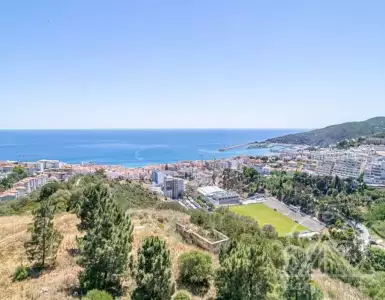 1 415 770 $
Sesimbra, Portugal
Submit Request 944 982 $
Sesimbra, Portugal
Submit Request 940 805 $
Sesimbra, Portugal
Submit RequestProperties matching your filters: 8
1 428 960 $
Sesimbra, Portugal
Submit Request
631 021 $
Sesimbra, Portugal
Submit Request
440 253 $
Sesimbra, Portugal
Submit Request
1 415 770 $
Sesimbra, Portugal
Submit Request
940 805 $
Sesimbra, Portugal
Submit Request
944 982 $
Sesimbra, Portugal
Submit Request 445 878 $
Sesimbra, Portugal
Submit Request 989 589 $
Sesimbra, Portugal
Submit RequestLeave a request and we will pick 3 best options for your budget
Other suggestions: some details may differ from your filters.
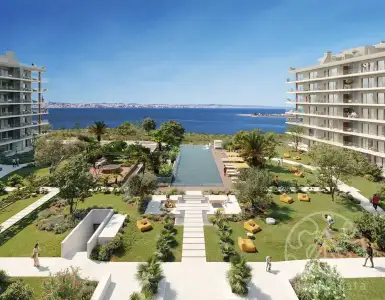 City View view 745 257 $
 544 104 $
 Park View view 248 419 $
 1 648 800 $
 City View view 796 920 $
 670 512 $
 Legal review:
Deni Gerikhanov, International Real Estate Lawyer
 Financial review:
Evgeniya Skripko, Financial Expert in International Real Estate
Reviewed:
Cesimbra sits on the Setúbal coast within easy reach of Lisbon and the Arrábida Natural Park, offering a blend of Atlantic beaches, a working fishing port, and a compact town centre that attracts families, retirees and investors. The town’s character balances authentic Portuguese daily life — fish markets, a hilltop castle and winding streets — with growing demand for seaside homes, second residences and rental properties. Climate is mild Mediterranean with warm, dry summers and temperate winters, which supports year-round tourism and good rental occupancies.
Cesimbra’s lifestyle is rooted in the sea: the port and marina are active, fresh fish restaurants line the waterfront, and popular beach strips such as Praia da Ribeira and Praia do Ouro draw both locals and visitors. The town is also a gateway to the Arrábida hills where hiking, sheltered coves and panoramic viewpoints create premium locations for new build property in Cesimbra and resale property in Cesimbra alike. Local culture, festivals and regular markets create a stable, livable environment attractive to long-term residents and seasonal holidaymakers.
Cesimbra combines low-rise traditional housing and contemporary apartments; this mix underpins varied real estate investment in Cesimbra — from compact apartments targeted at rental yield to waterfront villas aimed at lifestyle buyers. The tourism demand generated by beaches and gastronomy supports a reliable short-term rental market, while proximity to Setúbal and Lisbon supports long-term lets and family relocations. Buyers will find a quieter pace than Lisbon but easier day-to-day services than many remote coastal towns.
Transport connections and infrastructure mean Cesimbra is practical as a commuter base or second-home location. Average daily life includes small supermarkets, local primary and secondary schools, health centres and a compact shopping area, while larger hospitals, universities and malls are a short drive away. This combination of authentic coastal living and practical amenities makes property for sale in Cesimbra attractive across buyer types.
The historical centre (often called the Vila) is the place for buyers seeking proximity to restaurants, the castle and the main beach. Streets are narrow; buildings are mainly older apartments and townhouses with character. This central zone suits buyers looking for resale property in Cesimbra with immediate rental potential and for those who prioritise walkability. Safety and livability scores are high: low crime, active community life and full municipal services.
Praia do Ouro and Ribeira de Mouro areas (waterfront and beachfront) host higher-density developments and some new developments in Cesimbra, with elevated prices and modern apartment blocks offering sea views. These districts are best for premium lifestyle purchases, short-term rental investors and buyers seeking new build property in Cesimbra close to amenities. Building density increases toward the main promenade but remains under strict municipal planning because of the coastal environment and Arrábida proximity.
Quinta do Conde and surrounding suburban parishes provide the most competitive price points and larger family homes or townhouses. These areas have newer residential estates, larger apartment blocks and better car access, appealing to families and long-term rental investors. Meco (within the same municipality) and Azoia are more rural/coastal hybrid zones — Meco is popular with surf and nature lovers and commands strong seasonal rental interest, while Azoia attracts villa buyers seeking tranquillity and proximity to natural parks.
Average market levels for property in Cesimbra vary by proximity to the sea and property condition. For mainstream transactions, typical prices range from €1,300 to €2,200 per m² in suburban and inland districts such as Quinta do Conde, and €2,200 to €3,800 per m² in central and beachfront areas. Premium seafront apartments and restored villas can exceed €4,500 per m², particularly for new developments in Cesimbra with direct sea views.
Price segmentation by property type:
Recent market dynamics show steady demand driven by domestic buyers from Lisbon and by international buyers seeking value near the capital. Rental yields for centrally located 1–2 bedroom apartments typically range 3%–5% gross annual, while holiday-oriented beachfront units can achieve higher seasonal yields with strong summer occupancy. Investors looking for moderate capital growth frequently target resale property in Cesimbra for renovation and repositioning, while off-plan property in Cesimbra appeals to buyers wanting warranty-backed construction and modern amenities.
Cesimbra connects to Lisbon and Setúbal primarily by road. The IC1 and local roads link to the A2 motorway for fast access toward the bridge crossing to Lisbon and to the south. Average drive times are 30–45 minutes to Setúbal and 40–60 minutes to central Lisbon, depending on traffic. Lisbon Airport is typically 45–70 minutes by car, making air travel straightforward for international owners and tenants.
Public transport is based on regional bus services (Transportes Sul do Tejo routes) connecting Cesimbra with Setúbal and with intermodal hubs for Lisbon connections. There is no direct train line into central Cesimbra; the nearest rail connections are in Setúbal and stations across the peninsula. For buyers prioritising car-free living, the town centre’s compactness allows frequent local walks, but commuters generally rely on cars or organised shuttle services.
Road and port infrastructure supports tourism and logistics: the fishing port and marina serve local fleet and recreational boats, and seasonal boat trips operate along the Arrábida coast. Proximity to Palmela and the A2 gives access to regional business hubs and logistics corridors, meaningful for investment property in Cesimbra aimed at longer-term tenants working in the Lisbon metro.
Cesimbra offers essential public services: primary and secondary schools, local healthcare centres (Centro de Saúde de Cesimbra) and municipal facilities. For specialised medical treatment, residents use hospitals in Setúbal such as Hospital de São Bernardo, which is approximately 20–30 minutes away by car. Higher education needs are served by the Polytechnic Institute of Setúbal, within daily commuting distance.
Shopping and leisure combine local markets, supermarkets and small retail areas in the town, with larger shopping centres and commercial services in Setúbal and the Lisbon metropolitan area. Sport and leisure assets include the marina/harbour, several beaches (Praia da Ribeira, Praia do Ouro, Praia do Meco), sailing clubs and easy access to trails in Arrábida Natural Park for outdoor recreation. Cultural attractions like the Sesimbra Castle (Castelo) and a well-known fishing market add to the town’s year-round appeal.
Key amenities list:
Cesimbra’s economy blends fishing, local commerce and tourism. Seasonal tourism drives employment in hospitality, recreation and services, while the proximity to Setúbal’s industrial and logistics zones diversifies employment opportunities for residents. The port and marina support both commercial and leisure sectors, and Arrábida’s protected status channels investment into sustainable, low-density development rather than high-rise expansion.
Municipal development policies have emphasised controlled coastal planning and regeneration of waterfront zones, producing opportunities for refurbishment projects and small-scale new developments in Cesimbra. Investors monitoring local planning notices can find off-plan property in Cesimbra and urban regeneration plots with potential for higher ROI if correctly positioned for tourism or long-term rental markets. Economic resilience is underpinned by steady domestic demand from Lisbon-area buyers seeking coastal residences and by consistent tourism footfall.
Indicators relevant to investors:
The market offers a clear split between resale property in Cesimbra (traditional town apartments, family houses and renovated fishing cottages) and new developments in Cesimbra (modern apartment blocks, small gated complexes and energy-efficient homes). New builds tend to offer modern finishes, insulated façades, heat pumps or air conditioning and private parking — features that increase rental value and long-term appeal.
Smaller developers frequently deliver boutique projects of 8–30 units, while local renovation specialists convert older townhouses into contemporary flats. Off-plan property in Cesimbra often targets sea-view apartments and turnkey holiday products marketed to international buyers. Buyers focused on long-term rental or family living typically choose suburban three-bedroom townhouses or renovated villas with garden spaces.
Common property formats:
National construction groups active across the Setúbal district and Lisbon metro, known for delivering residential and infrastructure projects, include Mota-Engil, Grupo Casais, Soares da Costa and Teixeira Duarte; these companies are reputable names to watch for larger-scale works and infrastructure linked to housing. Local developers and boutique builders also operate directly in Cesimbra, focusing on small luxury blocks and coastal refurbishments.
Notable local residential areas and project types to monitor:
Construction quality across established national developers is generally high, with standard warranties for new build property in Cesimbra and formal construction guarantees for off-plan purchases. For resale purchases, independent inspections and certified energy performance attestations are standard practice.
Portuguese banks routinely provide mortgages to non-resident buyers for property in Cesimbra, with typical loan-to-value (LTV) ratios of 60%–80% depending on buyer residency status and property type. Loan terms commonly extend up to 25–30 years, and interest rate offers range according to profile, with both fixed and variable options available. Buyers should expect to provide a down payment/deposit of 20%–40% for non-residents.
Developer installment plans are common for off-plan property in Cesimbra, with staged payments tied to construction milestones and the option for part-financing through bank mortgages upon completion. Typical financing features:
For buyers seeking to buy property in Cesimbra with mortgage, early engagement with local banks, a Portuguese fiscal number (NIF) and a clear credit dossier will streamline approval. Use of a local mortgage broker or lawyer is recommended to compare offers and understand conditions.
The buying process typically begins with property selection and negotiation, followed by a Promissory Contract (Contrato de Promessa de Compra e Venda) where a deposit (commonly 10%–30%) secures the transaction. Buyers must obtain a Portuguese tax number (NIF), open a bank account and commission due diligence (title checks, debts, urban planning status). Final completion uses a public deed at a notary office, where remaining funds are transferred and ownership is registered.
Payment methods include bank transfers, escrow accounts managed by law firms or notaries, and staged developer instalments for off-plan purchases. Common steps:
Buyers are strongly advised to engage a local lawyer to check for encumbrances, confirm tax status and ensure compliance with municipal regulations. For off-plan property in Cesimbra, request construction timelines, warranty clauses and clear escrow arrangements.
Foreign ownership of property in Portugal is unrestricted; non-EU buyers may purchase property in Cesimbra without special permissions. Taxes applicable to purchase include IMT (property transfer tax) charged on the buyer based on a progressive scale, stamp duty and annual IMI (municipal property tax) typically between 0.3%–0.8% depending on the municipality. Capital gains tax rules and inheritance considerations are specific; using a Portuguese tax advisor is recommended.
Residence options linked to property investment include standard visas (work, family reunification), the D7 passive income route and investment-based residence schemes in Portugal for qualifying investments — consult official immigration frameworks to confirm eligibility. Non-habitual resident (NHR) tax status may provide tax advantages for new Portuguese tax residents; legal and tax planning before purchase is prudent.
Cesimbra supports multiple use cases with district-appropriate recommendations:
Suggested match list:
Cesimbra’s combination of accessible infrastructure, beach lifestyle and proximity to Lisbon makes it a versatile market for private buyers and international investors. Whether seeking a mortgage-backed purchase, an instalment plan on an off-plan apartment, or a resale property to renovate, the town offers clearly defined product types and neighbourhoods to match specific investment and lifestyle goals.
Looking for a property in Sesimbra? Leave a request — we will help you take into account all the nuances, and we will offer objects according to your personal request.