


 1 677 829 $
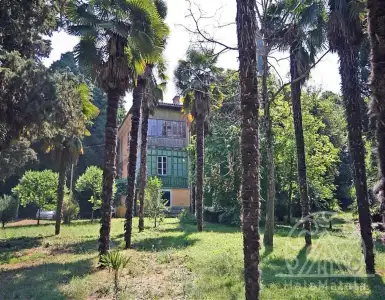 3 319 842 $
 1 734 914 $
 1 846 844 $
 1 783 043 $
 2 115 475 $
 3 357 898 $
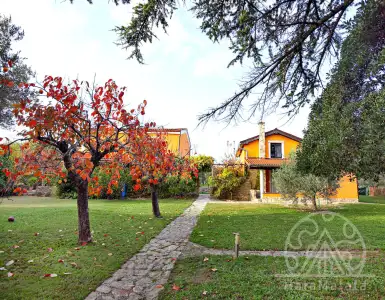 1 845 724 $
 705 158 $
 1 678 949 $
 705 158 $
 861 492 $
 1 678 949 $
 1 230 110 $
 352 579 $
 727 544 $
 1 108 106 $
 1 343 159 $
 Legal review:
Deni Gerikhanov, International Real Estate Lawyer
 Financial review:
Evgeniya Skripko, Financial Expert in International Real Estate
Reviewed:
🇸🇮 Houses in Piran, Obalno-Kraška — coastal historic homes with Adriatic sea views
Piran is a compact Adriatic jewel on Slovenia’s Obalno-kraška coast that combines a UNESCO-influenced old town, a marina and continuous tourism demand. Buying a House in Piran means acquiring property in a dense, historic urban fabric where sea views, proximity to Tartini Square and short walking distances to beaches significantly increase value. The market is shaped by geography (narrow peninsula and cliffs), microclimate (mild Mediterranean winters, warm summers), and infrastructure limits that restrict new supply, all of which support steady demand for houses rather than large new apartment blocks.
Piran’s streets, public transport links and regional road access to Koper and Trieste determine practical attractiveness for buyers and investors. Buyers focused on lifestyle, seasonal rental income or long-term capital appreciation look to different segments: historic townhouses around Tartini Square, seafront villas near Fiesa and Portorož, and family houses in suburban settlements such as Lucija and Sečovlje. Practical considerations — parking, access to schools and healthcare, and tourist season flux — directly influence whether a property is best used as a primary residence, second home or short-term rental.
Because the urban center is compact, a buyer who wants a Buy house in Piran opportunity must balance preservation rules and renovation scopes with the premium commanded by central locations. Investors evaluating an Investment in house in Piran should factor in seasonal occupancy patterns and local municipal regulations for tourist rentals, which affect net yields and long-term liquidity.
💠 Characteristics of Piran that shape the House in Piran market
Piran sits on a narrow peninsula with a historic core that restricts new construction footprints and elevates prices for intact houses with sea views. The municipality also includes Portorož, Lucija, Fiesa, Sečovlje and Strunjan, which together create a market with diverse product types from restored townhouses to modern villas.
The climate is Mediterranean with mild, wet winters and hot, dry summers, which supports year-round tourism and high demand for seasonally rentable houses. Transport infrastructure includes regional roads connecting to Koper and the A1 corridor towards Ljubljana, and nearby airports in Trieste and Ljubljana for international access — factors important for buyers seeking rental guests or commuting options.
Local infrastructure includes primary healthcare in Piran, secondary services in Koper, and established maritime facilities (marinas in Piran and Portorož) that support leisure boating and increase demand for premium houses near waterfront locations. Urban housing structure is skewed to smaller historic houses and low-rise blocks rather than large modern towers.
- Key local settlements: Piran (Old Town), Portorož, Lucija, Fiesa, Sečovlje, Strunjan, Parecag
- Infrastructure highlights: Tartini Square, Portorož marina, regional road to Koper, nearby airports Trieste and Ljubljana
- Climate impact: Mediterranean — supports year-round leisure economy and premium coastal housing
📊 Economy of Piran and how it affects House in Piran
Piran’s economy is tourism-led, with Portorož and Piran together forming the primary coastal leisure cluster in Slovenia. Tourism generates seasonal demand for holiday rentals, restaurants and marina services, increasing liquidity for houses suitable for short-term lets. Business zones are modest and focused on tourism services, small-scale logistics and marine activities.
Municipal tax burden is moderate compared with many EU coastal towns; major transaction costs for buyers are governed by national rules (VAT on new builds, transfer tax on resales). Liquidity for houses depends on tourist seasons and cross-border buyers from Italy, Austria and Central Europe who prioritize coastal properties, which keeps resale velocity higher in peak locations.
Commercial activity is concentrated around hospitality and niche services; guest flows sustain high occupancy for short-term rentals during summer months and provide demand for second homes. This results in consistent interest for both resale house in Piran and new units that can be adapted for holiday letting.
- Economic drivers: tourism, marina services, hospitality and seasonal retail
- Buyer profile: international second-home buyers, regional commuters, buy-to-let investors
- Market liquidity: higher in Portorož and Piran Old Town, steadier but slower in Sečovlje and Strunjan
💶 How much House costs in Piran
House prices in Piran reflect location, sea view, historic value and plot size. Typical price brackets for houses vary from €200,000 for small renovated properties outside the Old Town to €2,000,000+ for fully restored seafront villas. Per-square-metre asking prices commonly fall in ranges that differ by district and property type.
-
By district (typical price ranges):
- Piran Old Town / Tartini Square: €4,500–€8,000/m² for restored townhouses and premium apartments
- Portorož / Fiesa: €3,500–€7,000/m² for villas and seafront houses
- Lucija / Parecag: €2,500–€4,500/m² for family houses and modern low-rise blocks
- Sečovlje / Strunjan: €2,000–€3,500/m² for larger plots and houses slightly inland
-
By property category:
- Small historic townhouse (60–120 m²): €250,000–€700,000
- Seafront villa (200–400 m²): €850,000–€3,000,000
- Suburban family house with garden (100–200 m²): €300,000–€900,000
Market dynamics show steady price appreciation in prime areas due to constrained supply, while resale house in Piran that require renovation sell at discounts of 10–30% versus fully modernised equivalents. Average price of house in in Piran depends heavily on location, but buyers should expect premiums for immediate waterfront access and proximity to Tartini Square.
🎯 Which district of Piran to choose for buying house
Choosing the best districts to buy house in Piran depends on intended use. The Old Town is unmatched for heritage value and short-term rental appeal, while Portorož offers resort amenities and higher nightly rates. Lucija provides family-friendly neighborhoods with better parking and more modern housing stock.
-
Advantages by district:
- Piran Old Town: proximity to cultural landmarks, highest per-m² prices, strong short-term rental demand
- Portorož: resort infrastructure, beaches, marinas, hotels — best for premium investment and second home house in in Piran
- Lucija: schools, supermarkets, modern housing — well-suited for relocation to in Piran and purchase of house for family living
- Sečovlje: larger plots, quieter surroundings, attractive for buyers seeking privacy and outdoor access
-
Practical differences:
- Transport and parking: Lucija and Portorož offer easier car access than the Old Town
- Rental potential: Piran Old Town and Portorož outperform inland districts in seasonal yields
- Price delta: central seafront properties cost 30–60% more than comparable inland houses
🏗️ Developers and projects where House in Piran is represented
Coastal construction and renovation are typically delivered by experienced local contractors and regional developers who understand heritage constraints. Companies active on the Slovenian coast include major construction firms such as GP Koper and Pomgrad, which have participated in coastal residential and refurbishment projects. Smaller local contractors specialise in historic renovations within Piran’s urban conservation zones.
Developments in the wider municipality focus on careful infill, renovation of historical houses, and low-rise villa projects in Portorož and Lucija rather than large-volume high-rises. Many houses on the market are finished refurbishments by private investors or small development firms that match local architectural guidelines.
-
Typical project formats:
- Historic townhouse restorations in Piran Old Town
- Low-rise villas and terraced houses in Portorož and Fiesa
- Suburban family homes and small developments in Lucija and Parecag
-
Purchase features to expect from developers:
- Payment schedules tied to construction milestones (deposit plus staged payments)
- Warranty periods on new builds and renovated structural work
- Coordination with municipal conservation authorities for Old Town works
🏦 Mortgage and developer installment options for a House in Piran
Major Slovenian banks that finance coastal properties include NLB, NKBM, SKB and Abanka. Mortgage in Slovenia for foreigners is available but typically with stricter loan-to-value limits and higher initial requirements compared to residents. Interest rates fluctuate with market conditions, and banks offer fixed and variable options.
- Typical bank conditions for foreigners:
- Down payment: 20–30% for EU buyers, 30–40% common for non-EU buyers
- Loan-to-value: 60–80% on approved valuation, sometimes lower for older or heritage properties
- Interest rates: commonly in the range of 2%–4% depending on term and product; exact rate remains case-specific
Developer installment plan in Piran often complements bank finance for new or off-plan houses. Common practices include:
- Reservation deposit: €5,000–€20,000
- Stage payments: 5–30% initial upfront, subsequent payments at structural milestones, final balance on handover
- Longer developer financing: short-term interest-free installments up to 24 months may be offered for marketing
A House in Piran with mortgage is common for primary buyers; a House in Piran with installment plan is frequent for new-build arrangements, but always confirm conditions in writing.
📝 Step-by-step legal and transaction process to Buy house in Piran
Selection begins with property viewing and due diligence. A reservation agreement (earnest money) secures the property temporarily. Due diligence involves verifying ownership in the land register, encumbrances, conservation restrictions for historic houses, and technical documentation for constructions.
A preliminary purchase contract outlines payment schedule; for resale, buyers typically pay the 2% transfer tax on the purchase price unless VAT applies. For new builds sold by a developer, VAT at 22% may apply instead of transfer tax. Final sale is executed before a notary public and registered in the land register to transfer title.
- Mandatory costs and steps:
- Reservation deposit: €5,000–€20,000
- Transfer tax (resale): 2% of purchase price
- VAT (new builds): 22% if applicable
- Notary and registration fees: typically 0.5–1.5% combined plus fixed fees
- Additional costs: legal due diligence €800–€3,000, survey or technical report if required
Timelines vary: simple resale can complete in 4–8 weeks, complex cases or renovation-linked transactions may take 3–6 months.
⚖️ Legal aspects of owning House in Piran and residency implications
EU citizens can buy property freely in Slovenia. Non-EU buyers may need approval from the Ministry of Justice unless bilateral agreements apply. Owning a property does not automatically grant residency or citizenship.
-
Taxes and registration:
- Transfer tax 2% on resales, VAT 22% on new properties sold by developers
- Annual municipal fees and utility charges apply; municipal property tax rules vary by location
- Notary authenticates the sales contract and the title is entered into the land register
-
Residency and citizenship:
- Residence permit through property purchase in Piran is not automatic; residence permits are issued under national immigration rules that require proof of means and purpose
- Citizenship through real estate investment in Piran is not available as a direct fast-track scheme; naturalisation requires longer residence, language and integration conditions
-
Rental regulations:
- Short-term holiday lets require registration and compliance with municipal rules (safety, taxation, tourist levies)
- Long-term rental contracts are governed by national tenancy laws
🏡 For whom is buying a House in Piran suitable
Piran is suitable for several buyer profiles: lifestyle buyers seeking a historic coastal home; families relocating to the Slovenian coast; second-home buyers requiring proximity to beaches and marinas; investors targeting short-term rental income; and premium buyers seeking seafront villas.
- Use-case matches:
- Living and relocation: Lucija and Parecag for schools and daily services
- Seasonal residence and second home house in in Piran: Portorož and Fiesa for resort amenities
- Buy-to-let and investment house in in Piran: Piran Old Town and Portorož for highest tourist-driven yields
- Family purchase: suburban houses with gardens in Lucija and Sečovlje
- Premium segment: seafront villas along the peninsula and Fiesa beaches
Typical rental yield of house in in Piran for holiday lets ranges between 3–6% gross, while long-term rentals generally yield 2–4%, so ROI on house in in Piran depends heavily on location, seasonality and management costs.
Piran’s limited land availability, established tourist infrastructure and cross-border buyer interest keep coastal house prices under steady upward pressure, making the Slovenian coastal property market a resilient segment within the broader national real estate landscape.