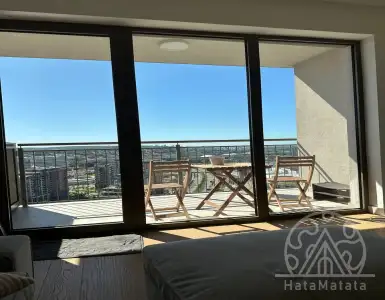
 City View view 454 321 $
Flat with city view in Belgrade, Serbia
Bedrooms: 3 Bathrooms: 3
Belgrade, Serbia
Explore our Serbia properties for sale. Enjoy affordable prices, beautiful landscapes, and strong rental potential for investors. Live and invest in Serbia today.
 Valeriy Tarenko, International Real Estate Investment Expert
Updated:
City View view 454 321 $
Belgrade, Serbia
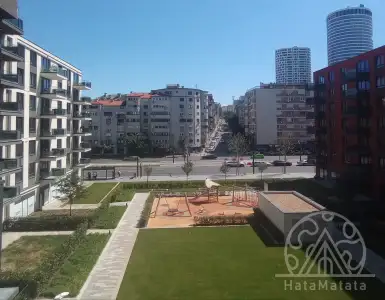 City View view 331 321 $
Belgrade, Serbia
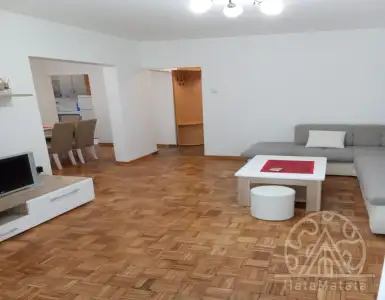 Park View view 424 956 $
Belgrade, Serbia
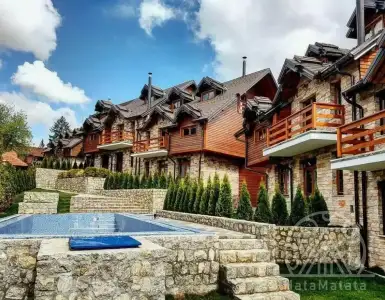 Mountain View view 74 242 $
Zlatibor, Serbia
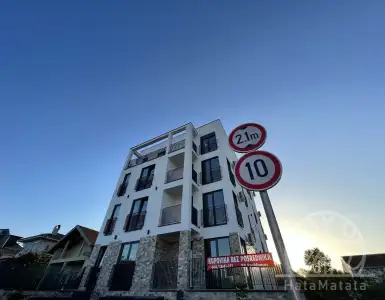 77 476 $
Vrnjacka Banja, Serbia
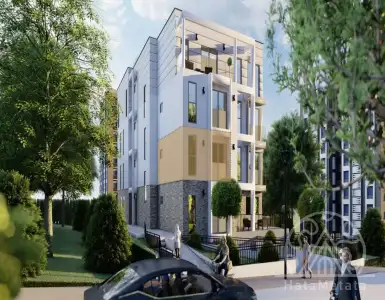 77 476 $
Vrnjacka Banja, Serbia
Save time — for free we will select objects for your budget and goals
 Legal review:
Deni Gerikhanov, International Real Estate Lawyer
 Financial review:
Evgeniya Skripko, Financial Expert in International Real Estate
Reviewed:
Serbia offers a compelling mix of urban energy, affordable pricing and improving infrastructure that makes buying a flat attractive for private buyers and investors alike. Centrally located in the Balkans, with major transport corridors, international airport connections, growing IT and service sectors, and a vibrant cultural life in cities like Belgrade, Novi Sad, Niš and mountain- and resort-regions such as Zlatibor and Kopaonik, the market delivers a variety of opportunities from compact studio flats to premium penthouses. Whether the goal is steady rental income, capital appreciation or personal relocation, understanding local pricing, legal steps, tax exposure and financing options is essential before you Buy flat in Serbia.
Serbia’s geography places it at the crossroads between Central and Southeastern Europe, with the Danube and Sava rivers, fertile plains in Vojvodina and hilly terrain in the south influencing where people live and invest. Urbanisation concentrates demand in Belgrade (the capital and largest market), Novi Sad (regional business and university hub), and transport nodes along the E-75/A1 corridor that links Budapest and Athens, creating persistent demand for flats near highways, railway hubs and airports. Climate varies from continental in the north to mountain microclimates, making winter tourism spots like Kopaonik and summer resorts like Zlatibor attractive for short-term rental flats. Infrastructure investments and business clusters strongly influence buyer interest, with Nikola Tesla Airport in Belgrade, the ongoing modernization of Corridor X, multiple new ring-roads and urban tram/metro projects shaping neighborhood premiums. Waterfront regeneration and river-front projects—most notably the Belgrade Waterfront—change local pricing dynamics, creating pockets of prime pricing and attracting high-net-worth buyers as well as institutional investors. Demand is highest where transport, quality retail, schools, hospitals and co-working or office space converge, so towns with international schools and medical centres typically sustain higher rents and liquidity. Buyer profiles are diverse: young professionals and families target renovated Sov-era blocks and new builds in central districts like Vračar, Savski Venac and Stari Grad, while investors look for multi-unit acquisitions in New Belgrade (Novi Beograd) and student/short-term rental opportunities around the University of Novi Sad and educational clusters. Developers and planners respond with mixed-use schemes, energy-efficient apartments and flexible layouts, increasing appeal for both long-term tenants and tourists seeking short stays.
Serbia’s economy is driven by manufacturing, IT services, agriculture and increasing foreign direct investment into real estate, logistics and energy sectors, underpinning demand for both residential and rental stock. GDP per capita is in a range typical for upper-middle-income countries, and real wages and private consumption have shown steady improvements, supporting home purchase affordability for local buyers and rising rental budgets in urban cores. Tourism flows to mountain and spa resorts combined with business travel to Belgrade and Novi Sad sustain a year-round demand profile for short- and mid-term rentals. Taxation and business environment are oriented to attract foreign capital via competitive corporate tax rates and investment incentives in special economic zones, while free zones and logistics hubs near Belgrade and Novi Sad increase long-term demand for housing from expatriate employees. Liquidity in the flat market correlates with local employment trends and new office supply: strong office leasing activity typically precedes stronger rental demand for flats and higher transactional turnover. Investors track indicators like occupancy rates in short-term rentals and average monthly rents to estimate Rental yield for flat in Serbia and ROI on flat in Serbia. Macroeconomic risks include currency volatility and regional geopolitical factors, but diversified demand—local buyers, diaspora, students, tourists and digital nomads—provides resilience. For those evaluating long-term investment potential, neighbourhood-level data (transaction volumes, new building permits, and public infrastructure timelines) should guide acquisitions to maximize liquidity and capital appreciation.
Price levels vary widely by city, district, project quality and property format; below are representative price bands in US dollars and typical sizes to help set expectations. Average prices per square meter in central locations:
Belgrade remains the primary market for investors seeking scale, liquidity and higher rents; districts to watch include Stari Grad, Vračar, Savski Venac, Novi Beograd and rejuvenated riverfront zones. Belgrade advantages:
Large-scale and reputable projects anchor the new-build market, offering modern apartments, managed amenities and developer-backed warranties that appeal to buyers seeking lower transaction risk. Prominent projects and developers include:
Mortgage Serbia for foreigners is available from major banks such as Banca Intesa, UniCredit Bank, Raiffeisen Bank, Komercijalna Banka and Erste, with typical offers varying by residency status, property location and currency. Typical conditions and practical points:
The Legal process to buy flat in Serbia follows standard continental procedures involving notary certification, public registries and taxes; precise steps are:
Owning a flat in Serbia imposes several recurring and transactional taxes and statutory obligations that every buyer must factor into total cost of ownership. Key fiscal points:
Different buyer goals map to specific locations and property types across Serbia:
Serbia’s residential market continues to attract buyer interest because of its strategic location, improving infrastructure and a diversified demand base. Expected steady urbanisation, continued office and IT sector expansion in Belgrade and Novi Sad, and limited high-quality new supply in central districts suggest continued upside for well-located flats and resilient rental streams. Investors and private buyers who focus on transport-accessible neighborhoods, verified developer projects and realistic financing structures—combining bank offers and developer installment plans—can expect competitive ROI on flat in Serbia and manageable purchase and holding costs relative to many Western European markets. For foreigners evaluating a purchase, professional legal and tax advice tailored to their residency status will optimise outcomes and clarify options around mortgages, taxation and potential temporary residence applications.
Nationwide prices vary: roughly €400–€3,500/m². Benchmarks in Serbia: Belgrade centre €1,800–€3,500/m²; Belgrade suburbs €1,000–€1,800/m²; Novi Sad/other regional cities €900–€1,700/m²; smaller towns €400–€900/m². A 35–60 m² flat can range ~€15,000–€210,000 depending on location and condition.
In Serbia, main purchase costs include transfer tax on resale (~2.5% of price), possible VAT on new builds (check sale type), notary and registration fees (commonly €100–€800), and annual municipal property tax (often ~0.1–0.6% of assessed value). Total purchase-related fees typically amount to a few percent of price.
In Serbia, check the cadastre/land registry for title, mortgages and encumbrances; verify building permits and occupancy permit; confirm seller identity and debt status. Use a local lawyer or notary to obtain official excerpts and perform due diligence before signing any contract.
In Serbia expect transfer tax or VAT, notary and registration fees, possible agent fees (if used), and legal checks. Closing costs commonly total about 2–6% of purchase price (excluding any VAT on new builds). Budget €500–€2,000 for administrative/notary fees depending on transaction size.
Yes, banks in Serbia lend to non-residents. Typical down payments are 20–50% and loan-to-value often ranges 50–70% depending on bank and borrower profile. Loans may be in EUR or RSD; expect credit checks, proof of income and collateral registration in the cadastre.
Serbia offers short-stay visas (if required), temporary residence (work, study, family, business) and permanent residence after meeting legal conditions. Owning a flat in Serbia does not automatically grant residency, though property ties can support an application or local registration as part of a broader permit request.
In Serbia rental potential varies: gross yields commonly 3–7% nationwide. Major cities like Belgrade and Novi Sad often show lower yields with higher prices, while smaller towns or tourist areas can yield more. Evaluate local demand, tenancy rules, vacancy and maintenance when assessing returns.
Serbia offers lower living costs than Western Europe: monthly expenses roughly €400–€1,200 depending on city and lifestyle. Major cities have good public transport, reliable internet, mixed public/private healthcare and limited international schools. Cities suit many digital nomads/remote workers, but check visa and permit rules for your nationality.
Registration with the cadastre in Serbia usually takes from a few days to several weeks depending on paperwork and local workload; expect about 1–4 weeks in standard cases. Ensure notary work, tax clearances and required documents are ready to avoid delays.
In Serbia check cadastre title and encumbrances, building permits and occupancy, utility connections and unpaid bills, structural condition and energy efficiency info, and local zoning. Verify seller identity, request written disclosures and have contracts reviewed by a local lawyer or notary.
The most affordable listing in Serbia starts from 55 000 $ right now, out of 76 properties in the catalog. Sort the catalog by price to see the cheapest first and compare them with nearby towns in the region. HataMatata catalog data as of November 16, 2026.
Yes: 1 of 76 properties in Serbia (1%) have a sea view or are within 1 km of the beach. The most affordable of them starts from 424 000 $. HataMatata catalog data as of November 16, 2026.
Yes: 5 of 76 properties in Serbia (7%) are in new or under-construction developments. The most affordable of them starts from 64 000 $. HataMatata catalog data as of November 16, 2026.
Leave a request and receive free advice on prices, taxes, residence permits and the real estate market in Serbia.
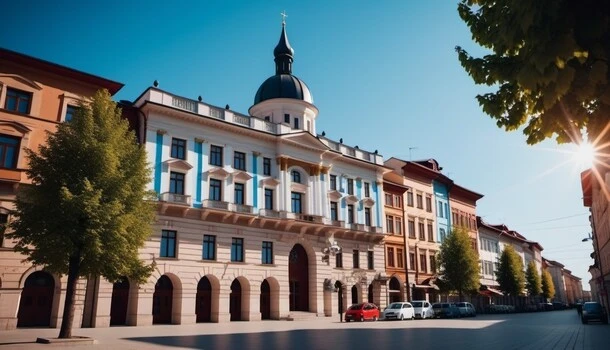 Belgrade and surroundings
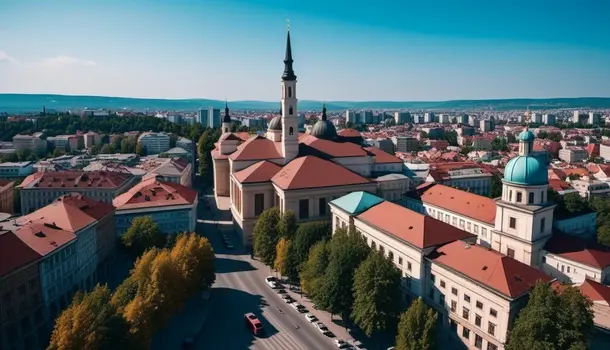 Central Serbia
 Vojvodina