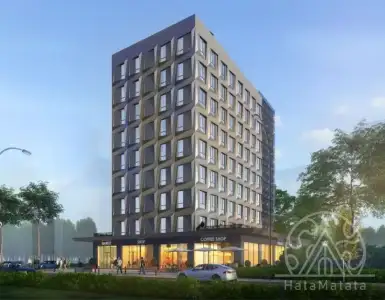
 City View view 292 680 $
Flat with city view in Sultanbeyli, Turkey
Bedrooms: 2 Bathrooms: 2
Sultanbeyli, Turkey
Submit RequestDiscover luxurious properties in Sultanbayli, Istanbul. Ideal for living or investing, with prime location, stunning views, and high rental yield potential.
 Maria Guven, Turkey and Cyprus Real Estate Expert
Updated:
City View view 292 680 $
Sultanbeyli, Turkey
Submit Request 260 380 $
Sultanbeyli, Turkey
Submit RequestProperties matching your filters: 2
City View view 292 680 $
Sultanbeyli, Turkey
Submit Request
260 380 $
Sultanbeyli, Turkey
Submit RequestLeave a request and we will pick 3 best options for your budget
Other suggestions: some details may differ from your filters.
 211 122 $
 213 271 $
 993 691 $
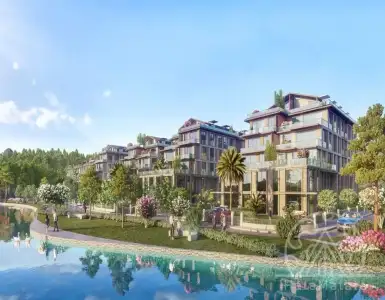 828 950 $
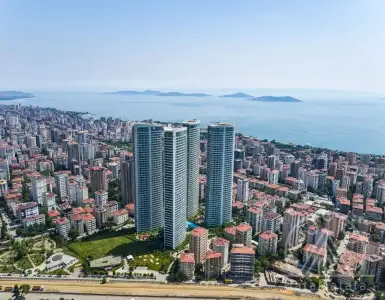 Sea View view 1 731 352 $
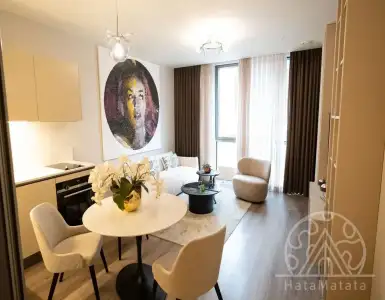 464 841 $
Posts
News
 Legal review:
Deni Gerikhanov, International Real Estate Lawyer
 Financial review:
Evgeniya Skripko, Financial Expert in International Real Estate
Reviewed:
Sultanbeyli is a fast-changing residential district on Istanbul’s Asian side that attracts budget-conscious families and long-term investors looking for growth outside the city center. Located beyond the TEM motorway, the district is dominated by mid-rise apartment compounds, social housing schemes and new developments gradually replacing older low-rise stock. Property buyers find larger unit sizes, family-oriented layouts and rental demand driven by workers in nearby industrial corridors and public-sector employees.
Sultanbeyli sits on the Asian side of Istanbul, accessible primarily by the O‑4/TEM corridor and regional bus lines; the district presents a quieter, suburban lifestyle compared with central districts. The area’s character mixes early mass-housing estates with recent gated communities and low-density peripheral neighborhoods, creating a textbook suburban commuter district with affordable living costs. The climate is typical of Istanbul’s Asian side: temperate, with warm summers and cool, rainy winters; there are no beaches inside the district, but the Marmara Sea coastline is reachable by road in under an hour in normal traffic.
Sultanbeyli’s daily rhythm is family-focused: schools, small shopping centers and bakeries dominate street life, while weekend leisure is often sought in nearby green pockets or larger malls in neighboring Sancaktepe and Pendik. For many residents the appeal is square meter value — apartments here routinely offer larger net sizes at lower per‑square‑meter pricing compared with central Anatolian-side districts. Buyers who prioritize space, parking and proximity to major highways typically choose Sultanbeyli.
Sultanbeyli’s demographic mix includes young families, middle-income civil servants and small investors targeting monthly rental income. Social infrastructure and municipal investment have steadily improved, which supports long-term livability and gradual capital appreciation for real estate in Sultanbeyli.
Prices in Sultanbeyli are among the most affordable on Istanbul’s Asian side, with notable variation by neighborhood and property age. Typical asking prices for apartments range from €600 to €1,200 per square meter, depending on proximity to transport links and whether a unit is in a new development or an older block. Smaller resale 1+1 units often list between €45,000 and €90,000, while 3+1 family flats commonly sell from €90,000 to €220,000.
Price segmentation and common property types:
Recent price dynamics show steady upward pressure due to infrastructure upgrades and constrained new construction lots, with gross rental yields typically in the 4–6% range for well-located family flats and higher yields on smaller units near busy arterials.
Sultanbeyli’s main advantage for commuters is direct access to the O‑4/TEM motorway, which links the district to central business zones and transcontinental routes by car. Average travel times under normal traffic:
Public transport in Sultanbeyli is based on municipal bus lines, minibuses (dolmuş), and shuttle services that connect to metro hubs in neighboring districts. Planned metro and suburban rail extensions in the broader Asian side are expected to improve connectivity over time, which tends to boost values in neighborhoods close to proposed stations.
Key transport facts:
Sultanbeyli has a growing stock of schools, primary health clinics and municipal services; larger hospitals and university campuses are reached in adjacent districts. The district offers family-oriented amenities such as municipal parks, sports fields and local shopping centers; for big-box retail and branded shopping malls residents typically travel to Pendik or Sancaktepe. Prominent nearby facilities reachable within a 20–30 minute drive include large private hospitals and chain malls that support both quality of life and rental demand.
Notable amenity types:
Municipal investments in green spaces and pedestrian improvements have incrementally improved street-level livability, making property in Sultanbeyli more attractive for long-stay tenants and families.
Sultanbeyli’s economy is rooted in local commerce, service-sector employment and proximity to industrial zones in Pendik and Tuzla; the district benefits from workers who commute into nearby logistics and manufacturing hubs. Development trends show municipal-led regeneration, infill redevelopment of older blocks, and gradual private investment in mid-scale gated communities. Tourism is not a primary economic driver for Sultanbeyli, so investment relies more on rental demand from workers and public-sector staff than on short-term holiday letting.
Key economic points:
Sustained infrastructure spending and improving transport links are the main catalysts for future price growth and stronger ROI for investors focused on long-term capital appreciation.
Esenkent (Esenyurt adjacency) — higher-end gated compounds, newer towers and family complexes; popular with buyers who want newer finishes and amenities within the district. Sultanbeyli center — practical choice for budget buyers seeking shorter commutes to municipal services and established commerce. Outer neighborhoods — more affordable, often featuring older blocks and larger plot sizes, but with longer travel times to major transit corridors.
Neighborhood comparisons:
Target buyer profiles vary by area: families and long-term residents prefer larger flats in Esenkent and the center, while investors seeking yield and low entry price often target outer neighborhoods and compact resale units.
The district’s housing stock is dominated by multi-storey apartment buildings (3+1 and 2+1 formats are most common), with an increasing share of gated compounds offering on-site parking, playgrounds and fitness zones. New developments generally offer modern layouts with open-plan living spaces, terraces and communal amenities; resale property typically includes older finishes and lower maintenance fees.
Common property formats:
Off-plan property in Sultanbeyli is offered periodically by developers and often comes with installment plans that appeal to investors and diaspora buyers seeking staged payments.
Large national public and private entities have supported housing in the district, notably TOKİ (the Housing Development Administration) which has delivered social and affordable housing projects in and around Sultanbeyli. Private local contractors and regional developers build the majority of medium-scale apartment complexes and gated sites, while national developers active across Greater Istanbul (such as Emlak Konut and Ağaoğlu) operate city-wide and occasionally invest in peripheral districts.
Projects and developer presence:
Construction quality varies: well-branded new developments typically offer higher finishes, sound insulation and modern communal systems; resale stock can require refurbishment but provides immediate occupancy and lower entry costs.
Foreign buyers can secure mortgages from Turkish banks subject to standard KYC and credit checks; banks commonly ask for a down payment of 30–50% for foreign applicants, with loan tenors typically up to 10–15 years. Interest rates on local-currency mortgages fluctuate with monetary policy; some buyers prefer developer installment plans when available to reduce short-term financing costs.
Financing options overview:
Buyers should compare effective cost of credit and consider currency exposure if financing in TRY while their income or savings are in foreign currency.
Buying property follows Turkey’s national process: obtain a tax number, open a Turkish bank account, sign a preliminary sales agreement, perform due diligence (title deed/tapu check and building permits), pay the agreed deposit, and complete the transfer at the Land Registry (Tapu). Foreigners must also ensure the property is outside restricted military zones and that the title deed is clear of encumbrances.
Typical steps:
Payment methods include cash, bank transfer, mortgages, developer installment plans, or structured escrow arrangements with notary oversight to protect both buyer and seller.
Foreign citizens are generally permitted to buy property in Turkey, with some restrictions on military zones and strategic areas. Property acquisition grants ownership rights, and owners must register utilities and pay annual property taxes and municipal fees. Purchasing property can support applications for a Turkish residence permit; eligibility for citizenship by investment depends on government thresholds and rules that change periodically, so buyers must confirm current criteria before assuming automatic eligibility.
Legal checklist:
Working with a bilingual lawyer and a licensed estate agent reduces risks and speeds up registration and utility transfer.
Sultanbeyli offers distinct paths depending on investor goals:
Recommended pairings:
Choosing the right property format and neighborhood aligns expected rental yield, tenant profile and projected capital appreciation.
Sultanbeyli is a pragmatic choice for buyers who prioritize space, affordability and highway access; the district’s portfolio ranges from budget resale flats to new gated compounds with installment-backed sales, offering clear entry points for private buyers and investors looking for value on Istanbul’s Asian side.
Looking for a property in Sultanbeyli? Leave a request — we will help you take into account all the nuances, and we will offer objects according to your personal request.