


 151 441 $
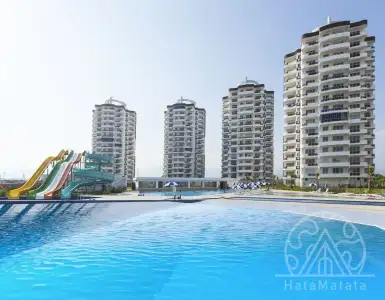
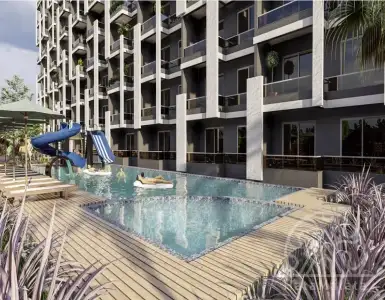
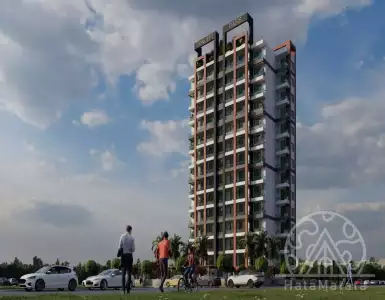 70 515 $
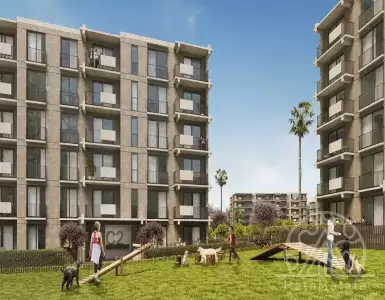
 122 003 $
 92 342 $
 139 912 $
 47 010 $
 77 231 $
 80 589 $

 72 754 $
 82 828 $
 66 038 $

 78 350 $
 69 396 $
 78 350 $
 76 112 $


 128 719 $
 324 596 $
 88 424 $
 54 845 $

 Legal review:
Deni Gerikhanov, International Real Estate Lawyer
 Financial review:
Evgeniya Skripko, Financial Expert in International Real Estate
Reviewed:
🇹🇷 Mersin flats: coastal neighborhoods, average prices and common building types
Mersin is a Mediterranean port city with a mix of coastal boulevards, agricultural plain hinterlands and industrial zones that shape a varied real estate market. The metropolitan area serves more than 1.7 million people in the province with roughly 1 million residents in the urban agglomeration, creating steady local demand for flats from families, workers and students as well as cyclical interest from domestic and foreign buyers. The city’s climate—hot, dry summers and mild, wet winters—supports year‑round occupancy, which in turn supports both long‑term rentals and seasonal lettings along the coast.
Mersin’s geography positions it as a gateway between the Mediterranean and the Çukurova plain, with the Mersin International Port and a large free trade zone underpinning logistics and industry. Transport links include the D400 coastal highway, rail connections toward Adana and westwards, and proximity to regional airports, all of which boost commuter and corporate housing demand. These infrastructure factors translate directly into demand for flat: coastal and central districts attract higher rents and resale liquidity, while inland neighbourhoods offer more affordable entry points.
Mersin’s urban housing stock is diverse: low‑rise concrete buildings from earlier decades coexist with newer mid‑rise developments on the seafront and suburban plots undergoing infill construction. This supply mix shapes buyer choices—resale flat in Mersin tends to be cheaper per square metre than new developments, while new developments in coastal districts command premium pricing and better short‑term rental performance.
🌍 Why the economy of Mersin matters for flats in Mersin
Mersin’s economy is built on port activity, petrochemical and agricultural processing, logistics and light industry, which creates a steady base of local employment and business rentals that support investment in flats. The city’s commercial zones—around the port and industrial estates in Akdeniz and Tarsus—supply long‑term tenants working in manufacturing and logistics, while business services cluster more in Yenişehir.
Mersin also attracts tourist flows to its coastal areas and nearby archaeological and coastal attractions, producing seasonal rental demand along the seafront in Mezitli and Erdemli districts. These dual demand streams—industrial workforce and leisure renters—improve overall market liquidity for flats in Mersin and diversify investor risk compared with single‑use resort towns.
Tax burden and running costs are moderate compared with many western European cities. Annual property tax rates for residential property are low in percentage terms, and the transfer tax on purchase (paid at title deed registration) is commonly 4% of the declared value, a predictable transaction cost for budgeting. This relatively transparent cost environment supports both buy‑to‑let and owner‑occupier purchases.
💶 How much Flat costs in Mersin
Across Mersin the market shows clear price bands by location and condition. Average price per square metre varies from affordable inland pockets to premium seafront projects. Typical market benchmarks are:
- Yenişehir (coastal/central): $1,200–$2,000 per m² for new seafront and skyline apartments; resale average $900–$1,400 per m².
- Mezitli (western coast): $900–$1,500 per m² for newer coastal complexes; resale $700–$1,000 per m².
- Toroslar (inland, hills): $400–$800 per m², popular for budget buyers and larger layouts.
- Akdeniz (old port and urban core): $500–$900 per m², strong rental demand from workers and students.
- Tarsus and Erdemli (city outskirts/adjacent towns): $350–$900 per m² depending on coastal proximity and project quality.
By property type and typical prices for flats (all prices indicative and depend on finishing and view):
- Studio / 1‑bed: $35,000–$90,000.
- 2‑bedroom (70–100 m²): $60,000–$220,000.
- 3‑bedroom (100–160 m²): $90,000–$400,000 for premium seafront flats.
Market dynamics show greater year‑on‑year turnover in coastal Yenişehir and Mezitli where resale flat in Mersin is in steady demand from domestic buyers and retirees. New developments in Mersin close to the waterfront command a premium, while developer offers and flat in Mersin with installment plan options can narrow the gap for end buyers and investors.
🎯 Which district of Mersin to choose for buying flat in Mersin
Yenişehir is the city’s modern core, prioritized by investors seeking rental stability and capital appreciation. Advantages include:
- Central seafront promenade, shopping malls and major hospitals.
- Higher rental rates and steady resale demand from professionals.
- Easy access to highways and port links, making it suitable for corporate tenants.
Mezitli is preferred for seaside living and newer residential complexes. Advantages include:
- Long stretches of seafront with recent mid‑rise projects and green zones.
- Strong seasonal rental demand and family‑oriented apartment layouts.
- Competitive pricing versus Yenişehir while maintaining good infrastructure.
Toroslar and Akdeniz are attractive for budget buyers and local rental markets. Advantages include:
- Lower entry prices per m² and larger unit sizes for families.
- Proximity to industrial employment clusters and educational institutions like Mersin University, which drives student rentals.
- Good opportunity for redevelopment purchases and higher gross yields in certain pockets.
Additional districts and their merits:
- Tarsus: historical town with industrial zones and cheaper prices, suitable for long‑term capital growth and workers’ rentals.
- Erdemli: coastal district west of Mersin with holiday rental potential and mixed foreign interest.
🏗️ Developers and projects shaping flats in Mersin
National and public developers have been active in the region, delivering large‑scale and social housing alongside private complexes. Prominent names involved in Mersin or the region include:
- TOKİ (Toplu Konut İdaresi) with social and mass‑housing projects that increase supply for middle‑income buyers.
- Emlak Konut GYO, a major state‑backed real estate investment firm that has facilitated urban renewal projects across Turkey, including the Mediterranean region.
- Limak, known for infrastructure and port investments that indirectly support residential demand near logistics hubs.
Typical project formats and buyer advantages:
- Coastal mid‑rise complexes with on‑site amenities (pools, gardens, security) aimed at both owner‑occupiers and holiday rentals.
- Mixed‑use blocks in Yenişehir combining commercial ground floors with flats above, improving rental prospects for short‑term and corporate leasing.
- Developer‑led villa and townhouse pockets in Erdemli for second‑home buyers and seasonal lettings.
Developers commonly offer payment flexibility on new developments, including staged deposits and in‑house financing to accelerate sales in competitive zones.
🏦 Mortgage and installment options for foreigners buying flat in Mersin
Foreign buyers can access Turkish bank lending and developer installment plans, although terms differ from citizen products. Typical bank mortgage features for foreigners include:
- Down payments typically starting from 30–50% of purchase price depending on nationality and bank policy.
- Loan tenors commonly up to 10–15 years, with currency options in Turkish Lira or occasionally foreign currency.
- Documentation requirements include passport, Turkish tax number, proof of income and property valuation from a bank‑appointed appraiser.
Developer installment plans are often more flexible and used to close deals on new developments:
- Common schemes include early deposit (10–30%), staged payments during construction and a final payment at handover, sometimes spread interest‑free over 12–36 months.
- Longer in‑house plans of 60–120 months exist but often carry interest or tie to indexed pricing.
- A flat in Mersin with mortgage combines bank financing and developer payment to reduce upfront capital for investors.
Mortgage in Turkey for foreigners varies by bank risk appetite and the currency of repayment, so buyers commonly compare offers from Turkish banks such as VakıfBank, Ziraat Bankası and private banks active in the retail mortgage market.
🧭 Step‑by‑step process to buy flat in Mersin
Selection and reservation begin with property viewing, checking title deed (tapu) status and confirming size and zoning. Typical steps are:
- Choose and inspect the flat, obtain replicas of the current tapu and block plan, and reserve the property with a signed preliminary agreement and deposit.
- Conduct due diligence: confirm there are no liens or encumbrances on the tapu, check building completion status and municipal permits, and arrange a property survey if needed.
- Sign the sales contract (sözleşme), settle payments per the contract or mortgage schedule, and apply for the title deed transfer at the land registry office.
Closing and registration involve tax and mandatory costs:
- Buyer pays the title deed transfer tax (about 4% of declared value) at registration, and the seller commonly pays real estate commission if applicable.
- Buyers must arrange compulsory earthquake insurance (DASK) before registration, pay stamp duty and cover notary and translation fees for foreign documents.
- The land registry completes transfer and issues the tapu in the buyer’s name; the process from reservation to registration typically spans several weeks to a few months depending on mortgage processing and developer handover.
⚖️ Legal aspects of owning a flat in Mersin
Foreigners generally have the right to buy property in most areas of Mersin subject to national reciprocity and restrictions on military zones. Key legal points:
- A Turkish tax number is required to purchase, and documents not in Turkish must be officially translated and notarized.
- Title deed registration at the land registry (tapulama) is the definitive legal step that transfers ownership and enables property use and rental.
- Annual property taxes are charged at low statutory percentages based on assessed value, and owners must maintain DASK earthquake insurance and any building‑level insurance policies.
Residence permit and citizenship pathways differ:
- Purchasing property allows buyers to apply for a short‑term residence permit based on property ownership, but acquisition itself does not automatically grant residency.
- Citizenship through real estate investment in Mersin is available under national investment rules if minimum investment thresholds are met; the commonly referenced threshold for citizenship by investment is $400,000 with required holding periods and compliance with regulations.
🏡 Which buyer profiles match flats in Mersin
Living and relocation: Families relocating to Mersin commonly choose Yenişehir and Mezitli for schools, healthcare and urban amenities; 2–3 bedroom flats near promenades and modern shopping centers fit this use.
Seasonal residence and second‑home: Coastal flats in Mezitli and Erdemli match buyers seeking summer stays and holiday rental income, often in low‑rise complexes with sea views.
Rental and investment: Investors seeking consistent rental yield focus on central neighborhoods near hospitals, universities and industrial zones:
- Student and worker rentals: Akdeniz and areas near Mersin University offer higher gross yields of 5–8% in specific pockets due to strong tenant demand.
- Corporate and expatriate rentals: Yenişehir averages gross yields of 4–6% but provides higher capital appreciation potential.
Premium and family segment: Larger seafront flats and penthouses in Yenişehir deliver higher per‑m² prices and attract professional families and foreign buyers seeking quality finishes and concierge amenities.
Mersin’s combination of port‑driven economy, educational institutions and coastal lifestyle creates a resilient demand profile for flats at multiple price points, making the city attractive for diversified strategies spanning owner‑occupation, rental cash flow and long‑term capital appreciation. This mix supports healthy prospects across Turkish property markets, where coastal regional centres continue to draw both domestic and international capital into new developments, resale stock and mixed‑use urban regeneration projects.