


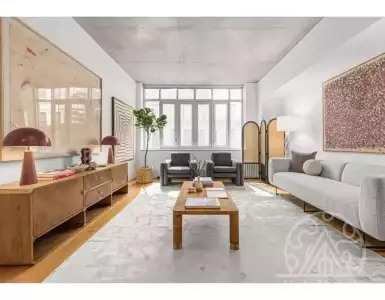
 2 781 906 $
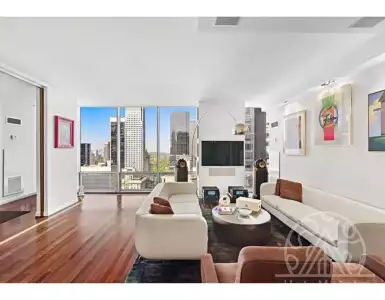 3 348 608 $
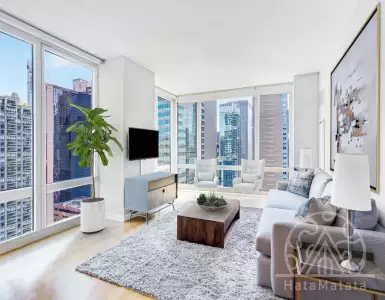 2 260 201 $
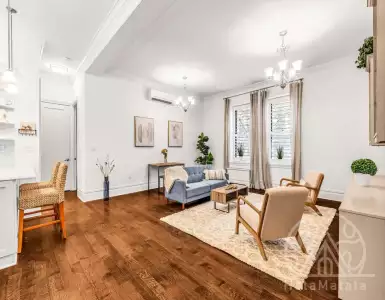 1 618 842 $
 10 792 284 $
 3 592 279 $
 1 643 467 $
 4 090 255 $
 4 893 912 $
 6 872 722 $
 1 490 906 $
 6 995 285 $
 5 361 332 $
 10 273 265 $
 3 648 804 $
 5 656 827 $
 3 912 063 $
 5 631 083 $
 8 779 336 $
 5 631 083 $
 5 067 963 $
 5 119 227 $
 3 020 317 $
 5 119 227 $
 7 207 840 $
 4 760 828 $
 6 654 906 $

 Legal review:
Deni Gerikhanov, International Real Estate Lawyer
 Financial review:
Evgeniya Skripko, Financial Expert in International Real Estate
Reviewed:
🇺🇸 New York, NY flats: neighborhood profiles, co-op vs condo, typical closing costs
New York City, often referred to as the Big Apple, is not only a cultural and financial hub but also one of the most sought-after places for real estate investment globally. The dizzying skyline, diverse neighborhoods, and vibrant lifestyle make buying a flat in New York a desirable endeavor for both private buyers and investors. The array of options available appeals to a wide spectrum of buyers, from first-time homeowners to seasoned investors seeking lucrative opportunities in the property market.
🌍 Geography and Infrastructure of New York
New York City is strategically located on the northeast coast of the United States, bordered by the Atlantic Ocean to the southeast. The city comprises five boroughs: Manhattan, Brooklyn, Queens, the Bronx, and Staten Island, each offering unique geographical characteristics and lifestyle options.
The climate features a humid subtropical environment, with four distinct seasons—warm summers, cold winters, and moderate springs and autumns. This variation in climate attracts tenants who enjoy different seasonal activities, from ice skating in Central Park to summer festivals in various neighborhoods.
The infrastructure of New York is well-developed, with a comprehensive transportation system that includes subways, buses, and trains, making commuting seamless for residents. Moreover, proximity to world-class amenities like parks, shops, and cultural institutions enhances the housing demand. This factor significantly influences buyer behavior, as proximity to public transport and commercial zones plays a pivotal role in real estate desirability.
In terms of business and tourist zones, Manhattan stands out as the economic powerhouse. Times Square, Wall Street, and the Theater District are prime areas that attract tourists and businesses alike, thus fostering strong demand for flats in these districts.
💰 Economic Backdrop and Its Impact on Flat Prices in New York
New York’s economy is one of the largest in the world, heavily influenced by finance, technology, and a flourishing tourism industry. The financial district, home to Wall Street, contributes significantly to economic activity, with numerous large corporations headquartered in the area, driving steady demand for residential properties.
Tourist flows are another significant component of New York’s economy, with over 60 million visitors each year. This influx fosters high rental demand, particularly in neighborhoods like Midtown Manhattan and SoHo, which are favored by both tourists and locals, creating a robust market for flat investments.
The tax burden in New York can be substantial, with property taxes averaging around 1.68% of assessed value. However, this is offset by high potential returns on investment, as the city's property market shows promising liquidity. Typically, the average yield on rental properties hovers around 3–5%, showcasing the lucrative potential, especially for buyers looking at long-term investments.
📊 Flat Prices in New York: A Comprehensive Breakdown
Buying a flat in New York requires a clear understanding of the price dynamics across various districts. The average price of a flat in New York can vary significantly:
- Manhattan: Prices can reach $1.8 million for a one-bedroom flat, with luxury developments surpassing $10 million.
- Brooklyn: Average prices tend to be lower, around $900,000, but can spike in neighborhoods like Dumbo and Williamsburg.
- Queens: Representing a more affordable option, flats here average about $650,000, with areas like Astoria gaining popularity.
A breakdown of flat prices by district is as follows:
- Manhattan:
- Times Square – $2 million+
- Upper West Side – $1.5 million+
- Brooklyn:
- Williamsburg – $1.2 million+
- Park Slope – $1.1 million+
- Queens:
- Astoria – $700,000+
- Long Island City – $800,000+
New developments in New York often come with a premium price tag but also offer contemporary amenities and energy-efficient designs. For example, luxury buildings in Hudson Yards or One Manhattan Square reflect the latest in architectural design and attract high-end buyers.
🏙️ Top Districts for Buying a Flat in New York
Understanding the most popular districts for purchasing flats is critical to making the right investment decision. Each area offers unique benefits:
-
Manhattan: Known for its bustling lifestyle and iconic landmarks, Manhattan attracts high-income professionals. The rental demand is exceptionally high, especially in the Financial District and the Upper East Side.
-
Brooklyn: Offering a blend of urban and suburban lifestyles, neighborhoods like Brooklyn Heights and Park Slope are favored by families and young professionals. These areas provide excellent schools and vibrant community events, enhancing their appeal.
-
Queens: This borough is emerging as a cultural melting pot and a hotspot for young families and new immigrants. Neighborhoods like Astoria and Forest Hills are becoming increasingly desirable due to their affordability and community vibe.
🏗️ Leading Developers and Projects in New York
Several reputable developers are pivotal in shaping New York's skyline with innovative projects. Notable names include:
- Related Companies: Known for Hudson Yards, offering luxurious flats and extensive retail spaces.
- Silverstein Properties: Responsible for the new developments around the World Trade Center.
- Tishman Speyer: Focused on high-end residential communities across Manhattan.
Each developer provides different formats, from luxury high-rises to mixed-use buildings, ensuring that potential buyers find flats that suit their preferences. Most projects are completed with modern amenities such as fitness centers, rooftop lounges, and eco-friendly technologies.
📜 Mortgage and Installment Conditions for Foreigners in New York
For foreigners looking to purchase a flat in New York, mortgage options are available, albeit with certain restrictions. Most lenders require:
- A minimum down payment of 20%.
- Rates on mortgages typically range from 3% to 7%, depending on credit history and foreign status.
- Documentation proving income and residency status is essential.
Additionally, some developers offer installment plans which allow potential buyers to pay in several installments over predefined periods. Common practice involves paying a set percentage upfront followed by installments during various phases of construction.
✅ Step-by-Step Process of Buying a Flat in New York
Navigating the process of buying a flat in New York involves several critical steps:
- Selection: Determine your budget and preferred district based on your lifestyle needs.
- Reservation: Contact the seller or real estate agent to express interest and hold the property.
- Due Diligence: Conduct inspections and appraisals to ensure the property meets expectations.
- Contract: Once agreed, a purchase contract is drafted and signed by both parties.
- Payment: Secure financing through a mortgage or by settling on the installment plan terms.
- Registration: Finalize the purchase by registering the property name with the appropriate government office.
Understanding legal aspects such as property taxes and lease agreements is essential to prevent future complications.
🔍 Legal Aspects of Owning a Flat in New York
Owning a flat in New York involves adhering to various legal procedures, including:
- Rental rules: Landlords must comply with tenants' rights and housing regulations.
- Property taxes: Owners are responsible for approximately 1.68% of the property value annually.
- Contracts and registration: All property transfers must go through a title company or lawyer for validity.
For potential buyers interested in securing a residence permit through property purchase or citizenship through real estate investment, it's imperative to meet specific financial thresholds.
👫 Purpose of Purchasing a Flat in New York
Buying a flat in New York serves various purposes. Whether you aim to live permanently, invest, or relocate, the city's diverse offerings cater to different lifestyles:
- Living: A permanent residence in neighborhoods like the Upper East Side ensures proximity to cultural hubs.
- Investment: Areas with high rental yields such as Brooklyn provide steady income streams for investors.
- Seasonal residence: Purchasing in Lower Manhattan or the Bronx offers opportunities for a second home in a vibrant city.
Given the multifaceted nature of New York’s real estate market, understanding these aspects will help you make an informed decision regarding your flat purchase.
As the flat market in New York continues to evolve, it showcases resilience and potential growth, attracting both local and international buyers. The demand for real estate in such a dynamic environment provides significant opportunities, ensuring that New York retains its position as a prime destination for those looking to invest in property.