


Real Estate in Paris
- ✓ Verified properties directly from developers
- ✓ No overpayments or commissions
- ✓ Guarantee of transaction purity and post-purchase support

International Real Estate Consultant
Leave a request and our manager will contact you.
International Real Estate Consultant
Hot Deals


For Sale Real Estate in Paris
116 listings
 2
2
 69
69
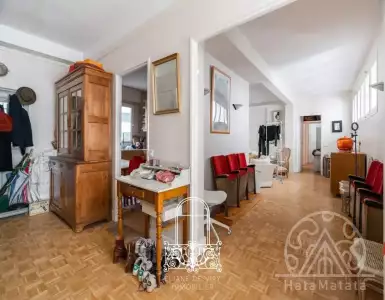
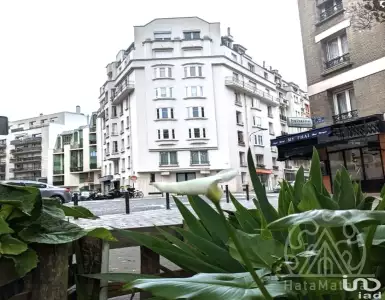
iad France - Véronique Agliata offers: PARIS 20th - APARTMENT T4 - approximately 68 M2 - LIFT - CELLAR 5...
Submit Request
 2
2
 1
48
1
48
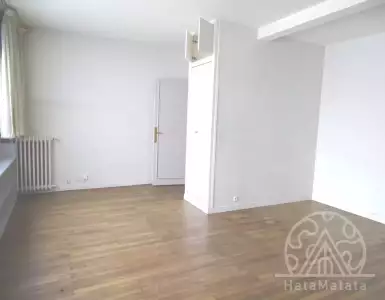
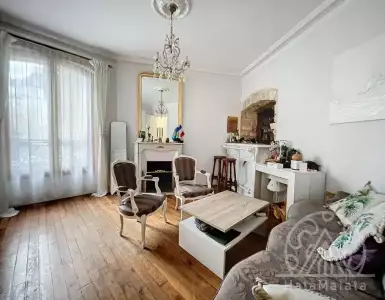
Near line 14 Pont Cardinet, bld Péreire, in the old Pierre de Taille building, on the 1st floor with elevator,...
Submit Request
Popular





 2
64
2
64
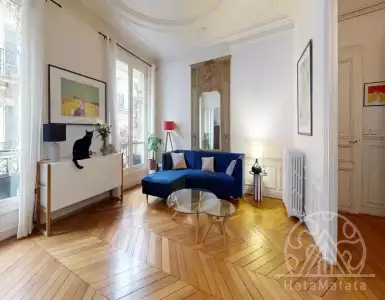
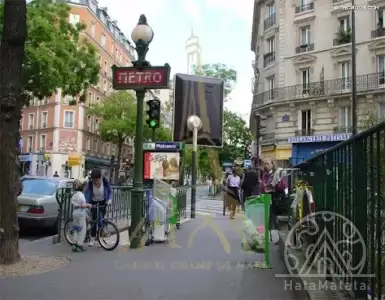
Métros Plaisance - Alésia, rue Didot, 4-room apartment of 63 m2 on the first floor of a small building. Living...
Submit Request
Real estate in Paris for living, investment and residence permit
- ✓ Verified properties directly from developers
- ✓ No overpayments or commissions
- ✓ Guarantee of transaction purity and post-purchase support
International Real Estate Consultant
 3
148
3
148
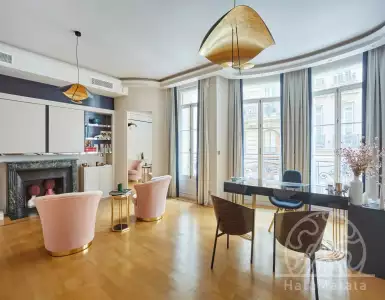
Paris 8, an affluent location, in the heart of the Golden Triangle, a stone's throw from the luxurious Prince de...
Submit Request
 1
1
48
1
1
48
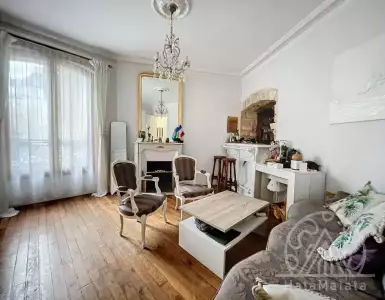
Near line 14 Pont Cardinet, bld Péreire, in the old Pierre de Taille building, on the 1st floor with elevator,...
Submit Request
 3
1
105
3
1
105
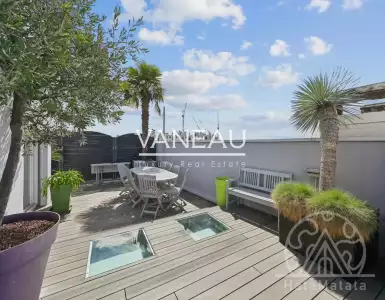
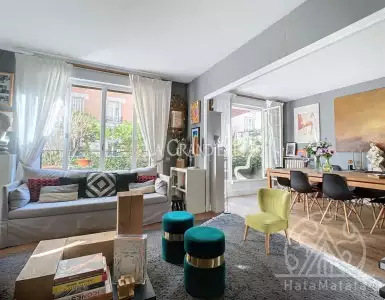
Paris 16- Village d'Auteuil- 1 floor- 5 rooms- 3 bedrooms- 105 m2- 2 large terraces In a beautiful building from...
Submit Request


Real Estate in Paris
- ✓ Verified properties directly from developers
- ✓ No overpayments or commissions
- ✓ Guarantee of transaction purity and post-purchase support
International Real Estate Consultant
Leave a request and our manager will contact you.
International Real Estate Consultant
Need help choosing real estate in Paris?
Leave a request and we will select the 3 best options for your budget
 !
!
Sell flat in Paris, France 406 769 $
Elegant residential complex on the banks of the Seine in Pyutau, Ile-de-France, France Elegant residential complex, made in the style...
🇫🇷 Paris real estate: prices per m² in central Paris, arrondissements and suburbs
Buying property in Paris is an intriguing prospect for private buyers and investors alike. The city’s rich history, cultural vibrance, and diverse neighborhoods make it not just a place to live, but also a unique investment opportunity. With iconic landmarks such as the Eiffel Tower and Louvre Museum, combined with a strong economy and extensive amenities, it’s no wonder that property in Paris attracts a wide array of buyers, from those looking to secure a home to investors aiming for solid returns.
🌆 Overview of Parisian Lifestyle and Character
Paris, the capital of France, boasts a lively and sophisticated atmosphere that draws millions of visitors each year. Known as the "City of Light," it combines stunning architecture with a deeply rooted cultural heritage. The climate is characterized by mild winters and warm summers, making outdoor cafes and scenic strolls along the Seine River a year-round pleasure.
The lifestyle in Paris varies significantly by neighborhood. From the bohemian flair of Montmartre to the upscale glamour of the 8th arrondissement, each district offers a unique living experience. The excellent public transport system allows residents to traverse the city—and the greater Île-de-France region—easily. Those who choose to invest in real estate in Paris often find benefits in the vibrant local culture, fine dining, and diverse recreational activities.
When considering purchasing property in Paris, it's essential to evaluate not just personal taste but also the property itself. Whether you envision a chic apartment in historic Marais or a modern studio near La Défense, each choice aligns with different lifestyles and investment strategies.
📍 Exploring Paris Districts and Neighborhoods
The neighborhoods of Paris are as distinct as the individuals who inhabit them. Here’s a breakdown of some key districts:
- 1st Arrondissement (Louvre): The heart of Paris, characterized by high property prices and historical significance.
- 4th Arrondissement (Le Marais): Known for its lively art scene and boutiques, this area attracts younger buyers and investors looking for trendy locations.
- 7th Arrondissement (Eiffel Tower): A prestigious area with upscale residences, ideal for buyers seeking a luxurious experience.
- 11th Arrondissement (Bastille): A vibrant district, popular among young professionals and creatives, offering relatively affordable options.
Each district differs significantly in terms of safety, livability, and amenities:
- Safety and Livability: Neighborhoods like the 16th and 7th arrondissements are known for their quiet streets and family-friendly atmospheres, while areas such as the 11th and 20th offer a bustling nightlife and younger demographics.
- Infrastructure and Amenities: Proximity to the metro, parks, and schools can heavily influence buyer decisions. The 15th arrondissement, for instance, is well-serviced by public transport and features numerous schools, making it attractive for families.
- Development Dynamics: Many investors are curious about districts experiencing growth. The 13th arrondissement, with ongoing development projects, presents opportunities for future appreciation.
Understanding Paris's neighborhoods is crucial for identifying areas that match your buyer profile—whether you're seeking a home for personal use or a piece of investment property in Paris.
💰 Current Property Prices and Market Overview in Paris
The real estate market in Paris has demonstrated resilience and growth over the years. Knowing price ranges and trends is vital for potential buyers.
-
Price Ranges by District:
- 1st Arrondissement: €12,000 - €15,500 per square meter.
- 4th Arrondissement: €10,500 - €13,000 per square meter.
- 7th Arrondissement: €11,500 - €16,000 per square meter.
- 11th Arrondissement: €8,500 - €12,500 per square meter.
-
Property Types and Their Prices:
- Apartments: Average prices vary from €7,500 to €16,000 per square meter, depending on the area and condition.
- Villas and Townhouses: These can range from €15,000 to over €25,000 per square meter in prime locations.
- Commercial Units: Prices for investment property in Paris start at around €5,000 per square meter.
-
Market Dynamics: The average price per square meter has seen a steady increase. While the pandemic impacted some sectors temporarily, demand has surged post-lockdowns, leading to a resurgence in property values.
Buyers venturing into real estate investment in Paris can expect competitive pricing, particularly in sought-after districts. Understanding the market's nuances is essential for making informed decisions.
🚆 Transport and Connectivity in Paris
One of the defining features of Paris is its exceptional public transport system, allowing residents easy access throughout the city and beyond.
- Metro and Trains: The Paris Métro system features 16 lines and extends across 245 kilometers, connecting major districts efficiently. Trains from Gare Saint-Lazare, Gare de Lyon, and Gare du Nord provide further access to suburbs and other regions.
- Buses and Trams: Multiple bus lines and tram networks help cover gaps in the metro system, offering additional transit options.
- Road Connectivity: Paris is well-connected through major highways, including the A1 to Lille and A6 to Lyon, facilitating road travel for residents and visitors.
Average travel times from key locations:
- Central Paris to Charles de Gaulle Airport: approximately 30 – 60 minutes by public transport.
- Central Paris to La Défense: around 15 – 25 minutes by RER line.
Exceptional connectivity makes commuting manageable; thus, even suburban properties hold considerable appeal for those looking to buy property in Paris.
🏢 Urban Infrastructure and Amenities in Paris
Urban amenities play a significant role in enhancing the quality of life for residents. Paris is rich in schools, parks, healthcare facilities, and shopping areas.
- Educational Institutions: The city boasts prestigious universities such as Sorbonne University and the École Normale Supérieure, along with numerous international schools catering to expatriates.
- Healthcare: Excellent medical facilities, including Pitié-Salpêtrière Hospital and various private clinics, ensure that residents have access to quality healthcare services.
- Shopping and Leisure: Iconic shopping hubs like Galeries Lafayette and Le Bon Marché, alongside numerous galleries and theaters, add to the vibrant urban lifestyle.
Parks and leisure areas, such as the expansive Bois de Boulogne and the smaller Parc Monceau, provide residents with ample opportunities for outdoor activities and relaxation. These amenities contribute significantly to property values and livability in Paris.
🌍 Economic Environment and Future Development in Paris
Paris is not only a cultural hub but also a vital economic center in Europe. The city serves as a headquarters for numerous multinational corporations and boasts a robust tourism sector.
- Key Employment Sectors: The economy relies heavily on finance, technology, and tourism. The emergence of tech hubs in districts like La Défense marks a shift toward innovation.
- Tourism Contributions: As one of the most visited cities globally, tourism fuels demand for short-term rental properties, making them a viable investment strategy.
- Future Developments: Initiatives like the Grand Paris Express, an extensive new transit project, will significantly enhance connectivity and accessibility, fostering growth in the suburbs and surrounding areas.
The ongoing urban development signals promising growth potential for property investors in Paris, who are keen to capitalize on these emerging opportunities.
🏡 Diverse Property Formats and Housing Types in Paris
The Parisian real estate market is richly diverse, accommodating various buyer preferences and financial capacities.
-
New Developments vs. Resale: Buyers can choose between new build properties in Paris—often offering modern amenities and design—and resale properties, which may charm with historical features but may require renovations.
-
Building Formats:
- Haussmannian Buildings: These classic structures are prominent in central Paris with distinctive architecture.
- Contemporary Complexes: Found mainly in suburbs and newer districts, providing modern living options.
-
Property Size Variance: Ranges from compact studios starting at around 20 m² to spacious family apartments exceeding 150 m² in affluent neighborhoods.
Understanding the different formats allows potential buyers to tailor their search according to both personal needs and investment objectives.
🏗️ Developers and Notable Residential Projects in Paris
When considering purchasing real estate in Paris, aligning with reputable developers can ensure quality and reliability.
-
Key Developers:
- Eiffage Immobilier: Notable for high-quality residential complexes in Paris and surrounding areas.
- Altarea Cogedim: Focuses on large urban projects with modern amenities catering to community needs.
-
Residential Projects:
- Les Jardins de la Montjoie: A blend of contemporary design and environmental considerations located in the 12th arrondissement.
- Le Campus: A mix of private and affordable housing in the 19th arrondissement, promoting community and accessibility.
Investigating the profiles of developers and their projects can provide invaluable insights for prospective buyers or investors.
💳 Mortgage and Financing Options for Foreign Buyers in Paris
Understanding the financial landscape before purchasing property in Paris is crucial, especially for foreign buyers seeking mortgage solutions.
-
Typical Conditions for Foreign Buyers: Most French banks offer mortgages to foreign nationals; however, they often require a minimum 20% down payment. Interest rates generally range from 1.5% to 3.5%, depending on financial profiles.
-
Loan Terms: Buyers usually have loan terms between 15 and 25 years, with options for repayment plans tailored to individual financial situations.
-
Investment Property Financing: Some developers may offer properties in Paris with an installment plan, allowing investors to spread costs over time.
Understanding the financing landscape empowers buyers to make informed decisions while easing the purchasing process.
📝 Understanding the Property Purchase Process in Paris
The steps to acquire property in Paris can seem intricate, but they are manageable with guidance.
- Selecting a Property: Begin by determining your budget and property requirements, seeking guidance from real estate professionals familiar with the Paris market.
- Signing a Compromis de Vente: This preliminary contract outlines the sale terms, which typically requires a 10% deposit.
- Due Diligence and Survey: Conduct a comprehensive survey and legal review to ensure the property’s status.
- Finalizing the Sale: Upon meeting all conditions, the final deed (acte de vente) is signed in front of a notary, officially transferring ownership.
Having a knowledgeable real estate agent and a legal expert can greatly streamline this process, ensuring a seamless transaction.
⚖️ Legal Aspects and Residence Options for Foreign Buyers
Understanding the legal framework around property ownership in Paris is vital for all foreign investors.
- Ownership Rules: Foreign buyers can acquire property in Paris without restrictions, providing they adhere to financial regulations.
- Taxes and Fees: Buyers should account for notary fees, which typically range between 7% to 8%, along with annual property taxes.
- Residence Permits: While buying property does not automatically grant the right to live in France, it can facilitate residency applications under specific conditions.
Navigating the legal landscape might seem daunting, but seeking expert advice can ease the complexities involved in property transactions.
📈 Investment Strategies and Property Use Cases in Paris
Paris presents a multitude of opportunities for various buyer types, each with specific considerations for property utilization.
- Permanent Residence: Areas like the 16th arrondissement are ideal for long-term living due to family-friendly amenities.
- Long-Term Rentals: Invest in properties in the 10th and 11th arrondissements, which attract tenants looking for stable rental options in vibrant neighborhoods.
- Short-Term Rentals: The central quarters, such as Le Marais, are perfect for those interested in capitalizing on the lucrative short-term rental market.
- Second Homes: Buyers seeking holiday residences may consider properties near Montparnasse for quick access to cultural sites.
Strategically aligning property choices with intended use can enhance both the enjoyment and return on investment.
Real estate in Paris presents a wealth of options for diverse buyer demographics. Whether seeking a new place to call home or an investment opportunity in a thriving market, understanding the intricacies of the city’s property landscape is essential. As the market continues to evolve, informed decisions will foster successful real estate endeavors in this iconic city.
Frequently Asked Questions
How much do properties cost in Paris by area?
Paris prices vary widely by zone. Central arrondissements (1–8) commonly trade at about $12,000–$20,000/sqm (€11,000–€18,000). Popular central-leaning districts (3–4, 5–7) often sit $11,000–$16,000/sqm. Inner suburbs (Petite Couronne) typically $4,500–$9,000/sqm; outer suburbs (Grande Couronne) $2,500–$5,500/sqm. Houses command premiums vs apartments; studio vs family unit pricing also diverges significantly.
Can foreign buyers buy property in Paris?
Yes — there are no nationality restrictions: foreigners can buy freehold. Non‑residents commonly get mortgages (LTV often 60–80%), must register with French tax authorities, and comply with local taxes. Buying does not grant residency; separate long‑stay visas or permits are required for stays over 90 days. Consider inheritance law (forced heirship) and get local legal/tax advice before purchase.
Is investing in Paris real estate profitable?
Paris has strong rental demand (students, professionals, tourism). Gross yields in central Paris are low: roughly 2–3% for prime central units; inner suburbs can reach 3.5–5% gross. Liquidity is high in central arrondissements but yields compress; seasonality affects short‑lets (summer peak). Match asset type (studio, family flat, student housing) to demand to optimise yield and occupancy.
Which Paris neighborhoods suit families best?
Family-friendly areas include 15th, 16th, parts of 5th and 6th (schools, parks), and inner suburbs like Boulogne-Billancourt, Neuilly-sur-Seine, Vincennes, Levallois. Look for good public schools, green space (Parc Montsouris, Bois de Vincennes), quieter streets, and metro/RER access. Expect higher prices for proven family zones but better school and lifestyle infrastructure.
What are short‑term rental rules in Paris?
Paris restricts short‑term whole‑apartment lets: primary residences are generally limited to 120 days/year and require registration. Full‑time short‑lets for non‑primary homes can trigger change‑of‑use rules and may need municipal authorisation; heavy fines apply for non‑compliance. Tourist tax applies per guest/night. Always register the property number and check local arrondissement requirements.
What taxes, fees and timelines apply when buying in Paris?
Resale purchase costs ≈7–8% of price (notary/registration); new-build transaction costs ≈2–3%. Agency fees vary (often 3–5%). Mortgage setup 4–8 weeks; resale transaction ~2–4 months from offer to completion. Annual costs include taxe foncière and potentially taxe d'habitation for second homes. Capital gains can be significant (base tax + social contributions), so model exit taxes with a notary.
Is Paris good for digital nomads and remote workers?
Yes: Paris has widespread fibre and mobile coverage with typical home speeds 100–1,000 Mbps in wired areas, many co‑working spaces and cafés. Quality of life and services are high. Non‑EU nationals must respect Schengen 90/180‑day limits; longer stays require a long‑stay visa or residence permit. Long‑stay rentals often prefer tenants with stable income and references.
What practical risks should buyers expect in Paris?
Common risks: high copropriété (condominium) charges, unexpected renovation costs, restrictive local rental rules, mispriced yields, and language/legal barriers. Off‑plan delivery delays and planning/heritage constraints in older buildings can occur. Mitigate via independent surveys, review syndic accounts, obtain detailed estimates, use a French notary, and factor a contingency of 5–15% for unforeseen costs.
How can I check developer reliability for off‑plan Paris builds?
Verify planning permission and permits, insist on a bank completion guarantee (garantie financière d'achèvement), check the reservation contract terms and the 10‑day cooling‑off right, and confirm décennale building insurance after delivery. Request past delivery records, ask for notarial escrow arrangements, and have a lawyer review contract clauses and penalty/compensation terms for delays or defects.
Should I buy in Paris to rent out or to live in?
For rental: prioritise central, small units for higher occupancy and easier liquidity; expect lower gross yields but strong demand. For living: prioritise space, schools, quiet streets, parks and commute. Taxes, financing and rules differ (short‑let restrictions, tenant protections). Evaluate monthly net yield vs mortgage cost and personal lifestyle needs; run cash‑flow, tax and resale scenarios before deciding.
Property by cities
- Real estate in Paris (116)
Properties by Region
Services in Paris
Properties by Country
- Real estate in Bulgaria (11430)
- Real estate in Montenegro (5336)
- Real estate in Spain (5198)
- Real estate in Indonesia (2424)
- Real estate in Turkey (2317)
- Real estate in Portugal (2037)
- Real estate in Croatia (1682)
- Real estate in Cyprus (1647)
- Real estate in Italy (1578)
- Real estate in Thailand (1565)
- Real estate in Greece (1119)
- Real estate in France (1070)
- Real estate in USA (732)
- Real estate in Georgia (507)
- Real estate in Serbia (246)
- Real estate in Slovenia (125)
- Real estate in Egypt (20)
Get the advice of a real estate expert in Paris — within 1 hour
Looking for a property in Paris? Leave a request — we will help you take into account all the nuances, and we will offer objects according to your personal request.

Maria Guven
Head of Direct Sales Department
+90-507-705-8082