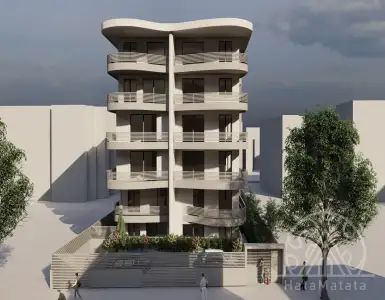
 Sea View view 1 906 379 $
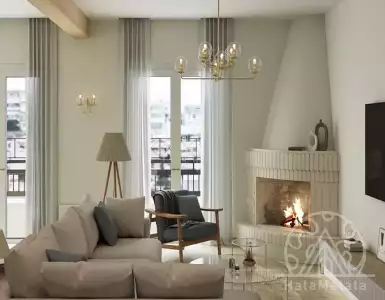 381 275 $
 179 423 $
 Legal review:
Deni Gerikhanov, International Real Estate Lawyer
 Financial review:
Evgeniya Skripko, Financial Expert in International Real Estate
🇬🇷 Corinth real estate: coastal homes and investment plots in Central Greece & Peloponnese
Corinth sits where mainland Greece meets the Peloponnese, a city defined by the dramatic Isthmus, the iconic Corinth Canal and a compact urban fabric that blends everyday Greek life with strong seasonal tourism. Located within easy driving distance of Athens and bordered by the Gulf of Corinth, the city offers a mix of coastal living, agricultural hinterland and light industry. For buyers looking to buy property in Corinth, the market offers everything from functional urban apartments to coastal villas and resort-style homes in the wider Peloponnese — attractive both to private buyers and to investors seeking rental income or capital growth. The climate is Mediterranean: hot, dry summers and mild, wet winters, which supports year-round rental demand in many coastal towns.
🏛️ City overview and lifestyle in Corinth and the Peloponnese
Corinth has a dual character: a working provincial city with supermarkets, schools and hospitals, and a tourism magnet thanks to the archaeological site of Ancient Corinth and the Canal. Residents enjoy quick access to beaches at Lechaio, Loutraki and Xylokastro while still having everyday urban services within minutes. The local gastronomy features Peloponnesian olive oil, citrus and seafood, making living here convenient and pleasantly regional.
Corinth’s population density is moderate compared with Athens; central neighborhoods are compact blocks of apartments while coastal and peri-urban areas show more detached homes and low-rise development. The mix supports both short-term tourist rentals and long-term family lettings, giving investors flexibility in strategy for real estate in Corinth.
Corinth is part of an extended Peloponnese market where established resorts such as Costa Navarino (Messinia) and Amanzoe (Porto Heli area) set the high end, but the city itself is more affordable and practical for buyers seeking accessibility to Athens and the sea. Seasonal tourism spikes during summer months boost holiday rental income, particularly in Loutraki and nearby coastal towns.
🎯 Which district of Corinth to choose for buying property in Corinth
Central Corinth (City Centre) is a practical choice for families and professionals who prioritize schools, clinics and municipal services. Streets such as Ermou and the area around the central square feature apartment blocks, bakeries, banks and public transport nodes that make daily life simple.
Loutraki is the premium leisure district adjacent to Corinth, famous for the Club Hotel Casino Loutraki, thermal springs and longer beach fronts. Properties here include seafront apartments and villas that command higher prices and stronger short-term rental potential.
Coastal belts and nearby towns like Lechaio, Kiato, Xylokastro and Perachora each have distinct profiles:
- Central Corinth: good for long-term residents, easy commute, higher density apartment stock
- Loutraki: resort-style, casino and spa-driven demand, higher seasonal rental yields
- Kiato and Lechaio: commuter towns with lower prices per sqm and good road/rail access to Athens
- Xylokastro and Derveni: quieter seaside villages, appeal for holiday homes and villas
💶 Property prices in Corinth and market overview
Apartment prices in central Corinth typically range from €900 to €1,600 per sqm, depending on age and finish. Coastal neighborhoods and Loutraki often sit at €1,300 to €2,500 per sqm for good-condition apartments or small seafront blocks. Villas in premium coastal locations and resort pockets of the Peloponnese range more widely, from €2,500 to €8,000+ per sqm for luxury new builds in Porto Heli or Costa Navarino.
Price segmentation by property type:
- Apartments (resale): €900–€1,600 / sqm
- New build apartments: €1,200–€2,500 / sqm
- Townhouses / terraced houses: €1,200–€2,200 / sqm
- Detached villas: €2,000–€8,000 / sqm depending on location and level of finish
Market dynamics show steady demand for coastal holiday stock and commuter housing; resale property in Corinth remains attractive for buyers seeking lower entry prices than coastal Peloponnese resorts. Rental yield expectations: - Long-term rentals (city): 2.5%–4% gross
- Short-term holiday rentals (Loutraki, Xylokastro): 4%–7% gross depending on seasonality and property quality
🚆 Transport and connectivity to Corinth and the Peloponnese
Corinth is directly accessible via the Athens–Patras motorway (A8/E94), with a typical drive time to central Athens of around 60–90 minutes depending on traffic. The city also benefits from regional national roads linking it westward along the Peloponnese coast.
Rail services connect Kiato and the broader Corinthian corridor to the Athens suburban rail network (Proastiakos); local bus services (KTEL) and intercity buses provide frequent links to nearby towns, Loutraki and Athens. The Corinth Canal and nearby ports serve smaller commercial and leisure craft, while major ferry connections are available from Patras to the Ionian islands.
Commuting and logistics snapshot:
- Drive to Athens: ~80 km / 60–90 minutes
- Drive to Patras: ~100 km / 90–120 minutes
- Nearest regional airports: Athens Eleftherios Venizelos (major international hub), Kalamata and Araxos for regional flights
- Freight and industry access via the port facilities near Isthmia and the industrial zones around the Corinth Gulf
🏥 Urban infrastructure and amenities in Corinth
Corinth houses a regional General Hospital (Corinth General Hospital) and a network of private clinics in Loutraki and nearby towns, supporting both residents and tourists. Primary and secondary public schools are concentrated near the city center; private and international schooling needs are typically met in nearby Athens for full-time expatriate families.
Shopping and leisure facilities include supermarkets (national chains), local bakeries, weekly markets and a set of retail strips; larger shopping centers are a short drive toward Athens. Cultural and leisure assets are strong: the Archaeological Museum of Ancient Corinth, Acrocorinth fortress, and wellness tourism in Loutraki’s spas and casino.
Key amenities list:
- Health: General Hospital of Corinth, private clinics in Loutraki
- Education: local public schools, secondary access to private/international schools in Athens
- Leisure: Club Hotel Casino Loutraki, archaeological sites, beach clubs at Xylokastro and Lechaio
- Retail: national supermarket chains (Sklavenitis, Lidl), local boutiques and weekly markets
📈 Economic environment and development in Corinth and the Peloponnese
The local economy blends tourism, agriculture (olive oil, citrus, vineyards), shipping-related activity and light industry. Industrial presence near the Gulf supports employment: refinery and logistics operations contribute to regional GDP and steady housing demand from workers and managers. Tourism remains a growth driver along the coast and in high-end Peloponnese resorts, attracting foreign buyers and second-home purchasers.
Public and private investment in infrastructure — motorway upgrades, port maintenance and eco-tourism projects — improves long-term attractiveness for real estate investment in Corinth and nearby Peloponnese towns. The combination of steady domestic demand and international interest in coastal properties supports a balanced market for both resale property in Corinth and new developments in resort areas.
Economic highlights:
- Tourism and hospitality: strong seasonal inflows, casino and spa tourism in Loutraki
- Agriculture and food processing: regional supply chain supporting local exports
- Industry: logistics, light manufacturing and refinery operations near the Gulf
🏘️ Property formats and housing types in Corinth
Buyers will find a spectrum of property formats: multi-storey apartment blocks in the urban core; low-rise, older 1970s–1990s buildings; new build condominium projects; townhouses in quieter neighborhoods; and detached villas along the coast and countryside. Off-plan property in Corinth is less common than in high-end Peloponnese resorts, but developers still offer small-scale new build projects and renovations.
Development intensity differs by district: central Corinth shows higher density and more resale stock; Loutraki and coastal belts show lower density with more leisure-oriented villas and apartment complexes; inland and rural Peloponnese properties include stone houses, olive-farm estates and boutique rural developments.
Typical property sizes and formats:
- City apartments: 50–120 sqm, 1–3 bedrooms
- Townhouses: 90–180 sqm, small gardens
- Villas: 120–400+ sqm, private pools and seafront plots
- Resale vs new build: resale dominance in city core; new build and off-plan concentrated in resort and coastal pockets
🏗️ Developers and residential projects in Corinth and Peloponnese
Major national contractors and developers operate across the Peloponnese even if their headline projects are in other counties; notable names with verified activity in the region include:
- TEMES S.A. — developer of Costa Navarino (Messinia), benchmark for resort development in the Peloponnese
- GEK TERNA / TERNA Energy — active in infrastructure and construction projects across Greece
- AKTOR / Ellaktor Group — major construction presence with infrastructure and private projects
- J&P-AVAX — larger infrastructure and building contractor with projects in the region
Regional flagship projects and resorts that influence investor expectations: - Costa Navarino (Messinia) — large resort complex with villas, hotels and golf courses
- Amanzoe (Porto Heli area) — ultra-luxury resort villas influencing prices in nearby coastal pockets
- Club Hotel Casino Loutraki — major leisure and hospitality complex right next to Corinth Quality and reliability vary by developer; buyers should assess completion records, warranty terms and escrow arrangements for off-plan purchases.
💳 Mortgage and financing for property in Corinth
Greek banks and international lenders provide mortgages to resident and foreign buyers, with typical loan-to-value (LTV) ratios for non-residents often between 50% and 70% depending on applicant profile and property type. Down payments for foreign buyers commonly range from 30% to 50% of purchase price; banks request income documentation, local tax number (AFM) and property valuation. Interest rates depend on loan tenor and product type, with common bands around 3%–5% for competitive offers.
Developer financing and installment plans are routinely offered for off-plan property in Corinth and nearby resort areas; typical arrangements include:
- Down payment / deposit: 10%–30%
- Staged payments (construction-linked) over 12–36 months
- Some developers offer interest-bearing or interest-free short-term plans for buyers
Banks and major lenders active in Greece (Alpha Bank, Piraeus Bank, Eurobank, National Bank of Greece) structure mortgage products for non-residents; working with a bilingual mortgage broker and local legal counsel is recommended.
📝 How to buy property in Corinth step by step
Buyers typically follow these stages: property selection, reservation with a deposit, due diligence (title search and encumbrances), pre-contract/contract signing, payment of taxes/fees, notary transfer and registration in the Land Registry (Ktimatologio). Foreign buyers must obtain an AFM tax number and usually open a local bank account to facilitate transfers.
Practical payment and protection measures:
- Use escrow or lawyer-holding accounts for staged payments on off-plan property
- Insist on clear specifications in the sales contract for new builds (finishes, delivery dates, penalties)
- Carry out a survey and obtain up-to-date cadastral certificates and utility clearances before final transfer
Common fees and costs to budget: - Reservation deposit: 1%–5% of purchase price
- Down payment at contract: 10%–30%
- Transfer tax or VAT depending on resale vs new build (VAT often applies to developer sales)
- Notary and legal fees, land registry fees and annual property tax (ENFIA)
⚖️ Legal aspects and residence options for property in Corinth
Foreigners from EU and many non-EU countries can buy property in Greece largely without restriction, except in specific border or defence-sensitive zones where permission may be required. Ownership structures include direct personal title, corporate ownership and joint ownership arrangements. Tax and legal considerations:
- New build sales from developers are commonly subject to VAT, while resale transactions may be subject to a property transfer tax (buyer’s side)
- Annual property taxes (ENFIA) apply to ownership and vary by assessed value and location
Investors seeking residency should note the Greek Golden Visa program, which provides a residence permit in exchange for qualifying property investment of €250,000 or more — this is often used by buyers of property in Corinth and across the Peloponnese. Legal due diligence by an experienced Greek lawyer is essential to navigate local registry checks, encumbrances, easements and exact tax treatment.
🎯 Investment property in Corinth and use cases
Buyers have a range of use cases for property in Corinth:
- Permanent residence and family homes: Central Corinth and suburban neighborhoods close to schools and healthcare
- Long-term rental for local tenants: City apartments and townhouses near employers and transport nodes
- Short-term holiday rentals and Airbnb: Loutraki, Xylokastro, Lechaio and coastal villas with strong summer occupancy
- Capital appreciation and buy-to-hold: Properties in transit-linked suburbs (Kiato) and seaside pockets poised for future demand Recommendation by district and property type:
- Central Corinth: 1–3 bedroom apartments for long-term rental and families
- Loutraki: Seafront apartments and small villas for holiday rental and premium leisure buyers
- Kiato / Lechaio: Affordable apartments for commuters and investors seeking stable yields
- Xylokastro / Perachora: Holiday villas, detached houses and boutique guesthouses for seasonal income
Buying property in Corinth puts you in a strategic position: accessible to Athens, anchored to local industry and healthcare, and connected to the Peloponnese’s major resort economy. Whether your priority is a practical permanent home, an investment property in Corinth for rental income, or a luxury coastal retreat in the Peloponnese, the market presents clear segments, financing routes and well-established legal pathways to ownership. Working with a local lawyer, a reputable agency and a bank experienced with foreign buyers will streamline due diligence, financing and closing, and position your purchase to meet lifestyle or ROI objectives.