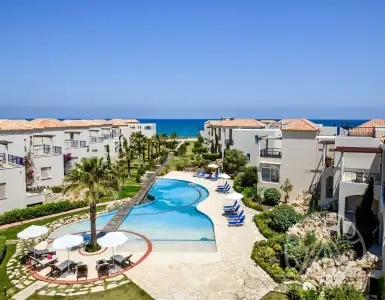
 453 968 $
Flat with 2 bedrooms in Crete, Greece
Bedrooms: 2
Crete, Greece
Discover your dream property in Greece. Bask in the Mediterranean climate, stunning landscapes, and rich history. Invest in a lucrative real estate market.
 Irina Nikolaeva, Southern Europe Real Estate Expert
Updated:
453 968 $
Crete, Greece
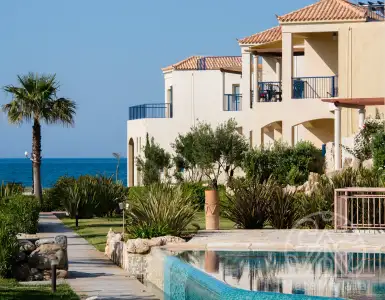 486 785 $
Crete, Greece
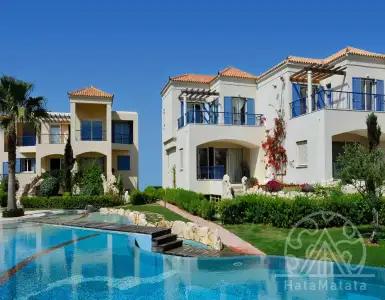 216 592 $
Crete, Greece
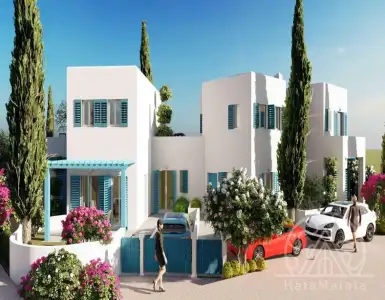 285 507 $
Paros, Greece
 349 500 $
Paros, Greece
 265 817 $
Paros, Greece
Save time — for free we will select objects for your budget and goals
 City View view 72 197 $
Thessaloniki, Greece
 107 202 $
Thessaloniki, Greece
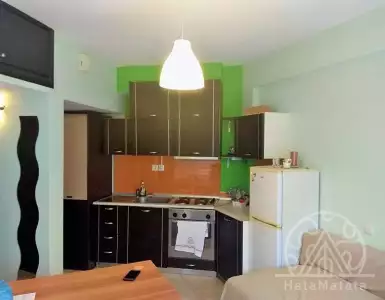 City View view 114 859 $
Thessaloniki, Greece
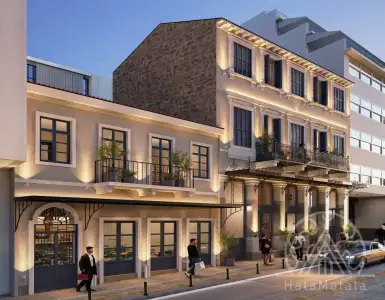 City View view 273 474 $
Athens, Greece
 City View view 94 075 $
Athens, Greece
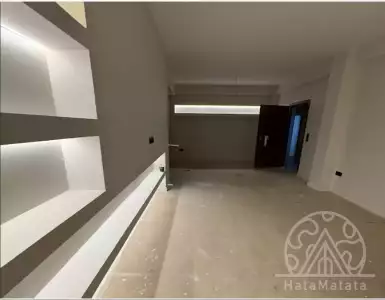 175 023 $
Athens, Greece
 Central Greece and the Peloponnese
352 listings
 Crete
18 listings
 Northern Greece
17 listings
 Aegean and Ionian islands
16 listings
 Legal review:
Deni Gerikhanov, International Real Estate Lawyer
 Financial review:
Evgeniya Skripko, Financial Expert in International Real Estate
Reviewed:
Greece combines dramatic coastlines, island culture and an improving economy to make buying a flat an appealing option for private buyers and investors alike. Demand is driven by year‑round tourism, urban regeneration in Athens and Thessaloniki, and targeted foreign interest in the Aegean islands and the Athens Riviera. Practical factors such as international airports in Athens (Eleftherios Venizelos), Thessaloniki (Makedonia), frequent ferry networks, and expanding road and rail links shape where buyers choose to Buy flat in Greece and how they value proximity to ports, marinas and business hubs.
Capital values vary dramatically between Athens, the islands and secondary towns, with marketable ranges reflecting location, size and building age. Typical price bands for apartments expressed in US dollars are:
Average flat sizes range from 40–120 m² for urban units and 60–300 m² for luxury island penthouses; entry prices for a modest one‑bed flat in a provincial town commonly start at $60,000–$120,000 while premium seafront apartments often exceed $800,000. Demand trends show steady interest in renovated neoclassical apartments in Athens and turnkey sea‑view flats on Crete and the Cyclades, driving compression in supply for well‑located stock and supporting higher price per square metre in coastal micro‑markets.
Location choice depends on buyer goals: city living, long‑term residency, short‑term rental or luxury vacation use. Athens is the primary business and cultural centre with the largest rental pool; the Athens Riviera is best for premium lifestyle assets; the Cyclades and Dodecanese are tourism‑led and deliver seasonal yields; Crete and Corfu combine tourism with local year‑round populations for balanced demand.
Infrastructure matters: easy airport access (Athens Eleftherios Venizelos, Heraklion, Chania, Mykonos), marinas (Alimos Marina, Porto Heli, Mykonos New Port), and health and education facilities (Hygeia Hospital, American Community School of Athens) drive buyer preference and rental prospects. Local planning and transport upgrades, such as metro extensions and waterfront regenerations, frequently elevate demand and short‑term capital appreciation.
Greece’s economy is diversified around tourism, shipping, agriculture and an expanding services sector, with inward capital flows into property‑related construction and hospitality. Tourist arrivals concentrate demand seasonally but also underpin long‑term investor confidence in coastal and island residencies, supporting strong Rental yield for flat in Greece in high‑season locations while urban flats generate year‑round returns.
Investors assessing ROI on flat in Greece should factor operating costs, seasonal vacancy, and potential for capital gains from urban regeneration projects like the Athens Riviera redevelopment and waterfront schemes in Thessaloniki. Market transparency has improved through listed REITs and larger institutional developers, increasing options for both direct and portfolio investors.
Buyers gravitate to a handful of markets known for their infrastructure, rental demand and international recognition. Demand and price differentials reflect transport links, business activity and tourist appeal.
Transport access like airports, high‑speed ferry routes, international marinas and the presence of five‑star hotels and international restaurants correlate strongly with higher premiums. Price differences can be multiples between island hotspots and inland towns, and investors should match target returns to local occupancy patterns and legal frameworks for short‑term lettings.
Large developers and visible regeneration projects often set pricing benchmarks and attract institutional capital. Recognised names with active residential offerings include:
Buyers searching for a branded project or resale stock should evaluate developer track record, completion timelines, amenity packages and guarantees. New developments often include concierge services, private parking, pools and energy efficiency certifications that increase marketability and rental potential.
Financing options are available but conditions differ for non‑residents. Banks commonly require additional documentation and larger down payments for international buyers. Typical financing parameters:
Buyers looking for Mortgage Greece for foreigners or a flat in Greece with mortgage should prepare certified income statements, passport and tax number (AFM) and evidence of legal status. Developer financing and phased payment plans mean many new builds offer a flat in Greece with installment plan directly from the developer, often with staged payments tied to construction milestones and modest deposit requirements; these can be attractive alternatives to bank loans for overseas buyers.
Understanding the Legal process to buy flat in Greece reduces risk and accelerates closing. Key procedural stages include preliminary agreement, due diligence, exchange and final registration.
A notary plays an independent role to certify the transaction, ensure settlement of financial obligations and register title. Timelines vary with complexity; straightforward resale transactions typically close within 8–12 weeks after deposit, while new‑builds depend on construction schedules and developer documentation.
Buyers must budget for ongoing taxes and legal obligations, which differ between new builds and resale units. Property taxation and rental regulation impact net returns and compliance duties for foreign owners.
Purchasing a flat does not automatically confer citizenship; however, buyers meeting the minimum real estate threshold can pursue residency options. Residence permit through flat investment in Greece and Golden visa through flat investment in Greece are available when the investment meets the threshold by law, providing a route to EU residency for non‑EU nationals while citizenship requires long‑term residence and naturalisation procedures. Understanding Property taxes in Greece for foreigners and ongoing compliance is essential for accurate cash‑flow modelling.
Different buyer goals point to different locations and property formats, from compact city flats to luxury island penthouses. Choices should match lifestyle, rental strategy and liquidity expectations.
Each scenario implies a different layout and size: small one‑bed apartments for student or city rentals, two‑ to three‑bed family flats near schools and hospitals, and high‑end multi‑bed penthouses for luxury short‑lets and branding opportunities that demand premium positioning.
Greece’s market prospects remain attractive for diversified buyers because tourism volumes, urban regeneration projects and growing international interest sustain both short‑term rental demand and long‑term capital appetite, while transparent developer pipelines and available financing options broaden entry points for private buyers and institutional investors seeking balanced income and capital growth from flats in Greece.
Prices vary widely by location. Country‑wide benchmarks: about €800–€5,000/m² depending on area; Athens city centre often €1,500–€4,000/m²; regional cities €800–€2,000/m²; popular islands €2,000–€5,000/m². Small studios or 1‑bed flats can range roughly €40,000–€400,000 depending on size and location. Luxury properties are higher.
Greece offers several long‑stay paths: an investment residence permit (often called Golden Visa) tied to qualifying property investment, a digital‑nomad/residence permit for remote workers with income proof, work permits, student visas and family reunification. Owning a flat can support some applications and may meet investment visa criteria if legal thresholds are met, but purchase alone does not automatically grant residency.
Greece offers warm climate, Mediterranean lifestyle, lower living costs than many EU countries, public and private healthcare, and good transport in major cities. Cost of living varies: roughly €800–€2,500/month depending on city vs island and lifestyle. International schools exist in big cities; broadband and co‑working are strong in urban and popular islands, making many areas suitable for digital nomads or remote workers.
Expect purchase taxes (transfer tax or VAT depending on new build vs resale), notary and land‑registry fees, legal fees, and municipal levies. Combined closing costs commonly run around 2–5% of the purchase price. After purchase there’s annual property tax (ENFIA) and local charges. Exact tax type and amounts depend on property status and sale structure.
Yes. Greek banks and lenders offer mortgages to non‑residents, though terms can be stricter: typical LTV ranges 50–70% for non‑residents, loan terms up to 20–30 years, and lenders require a Greek tax number, proof of income, and credit checks. Interest rates and conditions vary by lender and borrower profile; expect more documentation and higher deposit than for residents.
Gross rental yields vary by market: typical nationwide yields around 3–6%; urban centre long‑term rentals often 3–5%; tourist or island short‑term rentals can reach 4–8% gross but are seasonal. Net returns depend on taxes, management costs, occupancy and maintenance. Research local demand and compare long‑term vs short‑term strategies.
Verify clear title and ownership, check for encumbrances or mortgages, confirm building permits and planning compliance, obtain energy performance certificate, check unpaid taxes or municipal charges, and review condominium minutes/maintenance debts. Use a local lawyer to perform land‑registry extracts and tax clearance searches before completing purchase.
Ask the seller for the title deed and building permit documents, then have a lawyer extract the official land‑registry (Ktimatologio/genikos - relevant registry) records and encumbrance certificates. Cross‑check municipal planning permission and building permit validity with the local municipality. A notary and lawyer should confirm ownership chain before completion.
Ongoing costs include annual property tax (ENFIA) varying by value/location, condominium/common area fees (roughly €20–€300+/month depending on building), utilities, maintenance and repairs, insurance, and income tax on rental income if rented. If you use a management company, add management fees (often 10–20% of gross rent).
Rentability depends on location: high demand in Athens, Thessaloniki and popular islands; seasonal peaks on tourist islands. Short‑term rentals require registration and tourist tax compliance; long‑term rentals have steadier occupancy. Expect variable occupancy rates and seasonal income; factor in taxes, licensing, marketing and property management for smooth operation.
Yes: 17 of 403 properties in Greece (4%) have a sea view or are within 1 km of the beach. The most affordable of them starts from 107 000 $. The closest one is 20 m from the beach. HataMatata catalog data as of November 25, 2026.
The most affordable listing in Greece starts from 27 000 $ right now, out of 403 properties in the catalog. Sort the catalog by price to see the cheapest first and compare them with nearby towns in the region. HataMatata catalog data as of November 25, 2026.
Yes: 33 of 403 properties in Greece (8%) have a pool, private or shared in the complex. The most affordable of them starts from 190 000 $. HataMatata catalog data as of November 25, 2026.
Leave a request and receive free advice on prices, taxes, residence permits and the real estate market in Greece.