1 848 230 $
Villa with 4 bedrooms in Cassandra, Greece
Bedrooms: 4 Bathrooms: 4
Cassandra, Greece
Discover stunning properties in Greece for sale. Live in a Mediterranean paradise, enjoy sunny weather and invest in a booming real estate market.
 Irina Nikolaeva, Southern Europe Real Estate Expert
Updated:
1 848 230 $
Cassandra, Greece
 1 288 160 $
Cassandra, Greece
 1 044 049 $
Thessaloniki, Greece
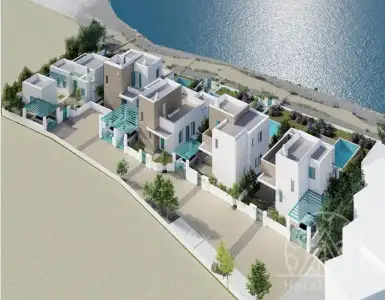 2 362 849 $
Paros, Greece
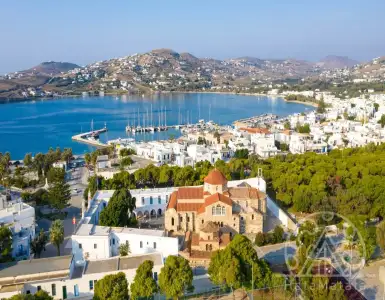 2 143 049 $
Paros, Greece
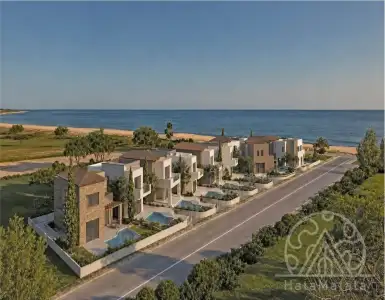 1 648 499 $
Paros, Greece
Save time — for free we will select objects for your budget and goals
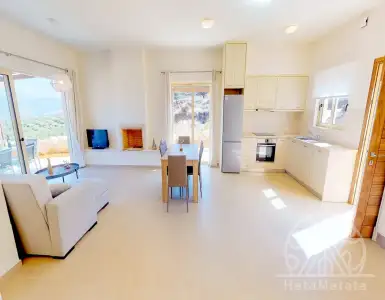 459 381 $
Crete, Greece
 498 945 $
Crete, Greece
 642 914 $
Crete, Greece
 2 835 419 $
Athens, Greece
 604 449 $
Loutraki, Greece
 1 077 019 $
Voula, Greece
 Aegean and Ionian islands
239 listings
 Crete
63 listings
 Central Greece and the Peloponnese
39 listings
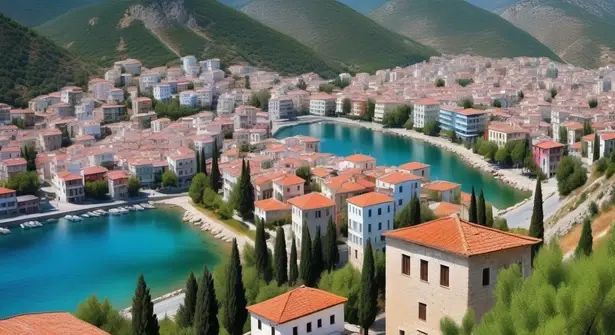 Northern Greece
9 listings
 Legal review:
Deni Gerikhanov, International Real Estate Lawyer
 Financial review:
Evgeniya Skripko, Financial Expert in International Real Estate
Reviewed:
Greece offers a unique combination of Mediterranean climate, accessible infrastructure and island-rimmed coastline that keeps demand for a Villa in Greece consistently strong among private buyers and investors. Coastal holiday markets, cosmopolitan islands and emerging suburban enclaves around Athens create a layered market where buyers can Buy villa in Greece for lifestyle, relocation, seasonal rental or pure investment. Practical considerations — sea access, airport proximity, island ferry links and road connections to business hubs — shape price differences and rental performance across regions.
Average prices depend on island prestige, proximity to Athens international airports and whether a property is new-build or resale. Price ranges for villas in Greece in US dollars typically fall into the following brackets:
Typical property formats and sizes:
Market dynamics and demand trends:
Geography defines occupancy patterns and rental calendars: islands with direct flight connections and calm summer winds attract longer booking windows and higher nightly rates. Coastal plains with marinas and protected harbors support larger long-term communities and charter traffic, boosting values for seafront villas.
Transport and infrastructure transform market accessibility: regional airports (Heraklion, Chania, Rhodes, Mykonos, Santorini) plus major hubs in Athens and Thessaloniki provide year-round and seasonal connections that influence where investors search for a Villa for sale in Greece. High-quality road arteries and planned upgrades around the Ellinikon development and motorway expansions in the Peloponnese improve liquidity for suburban villas.
Business and tourist centers concentrate services and demand: Athens and Thessaloniki supply medical centers, private schools and corporate offices that attract relocation buyers; resort clusters like Costa Navarino, Elounda and Porto Heli offer resort-style infrastructure, branded hotels and championship golf that sustain premium villa markets and year-round service employment.
The macroeconomic backdrop supports renewed investor interest and rental demand, with tourism volumes contributing a substantial share of local incomes and occupancy levels. Tourism-driven cash flows strengthen short-term rental feasibility and bolster the Rental yield for villa in Greece in touristic micro-markets.
Tax and regulatory factors affect liquidity: corporate rates and VAT levels influence development economics while local licensing rules shape short-stay supply. Fiscal burden for property owners includes annual property levies and VAT on new properties, which developers and agents typically factor into pricing and marketing to international buyers.
Capital flows and banking availability determine leverage and transaction speed: stable buyers and institutional players increase professionalism in listings and due diligence, improving resale prospects for an Investment villa in Greece and enhancing expected ROI on villa in Greece in liquid segments like Mykonos, Santorini and selected Attica suburbs.
Key regions capture most villa activity because of access, lifestyle and tourist demand:
Infrastructure and rental demand differences:
Recognized names and projects shape product quality and resale prospects:
Project typologies and delivery:
Foreign buyers can access Greek finance through major banks (Alpha Bank, Piraeus Bank, Eurobank, National Bank of Greece) and some international lenders. Typical terms and requirements:
Down payments and bank requirements:
Developer installment plans and purchase options:
The legal transaction follows structured steps to secure title and ensure compliance:
Costs and transactional taxes to budget for:
Key documentation and timeline:
Annual and transactional tax elements affect net returns and compliance:
Rental yield and ROI expectations:
Regulatory compliance for rentals:
Living and relocation:
Seasonal residence and lifestyle buyers:
Rental and investment buyers:
Premium and family estates:
Each purpose links to property type:
Greece’s villa market balances lifestyle appeal and investment logic: demand is concentrated in islands and coastal resorts with limited supply and robust tourism, while suburban markets around Athens deliver practical relocation options. Financing is available to non-residents, developer payment plans can reduce upfront capital, and established developers and branded projects improve liquidity and management options. For buyers seeking visa-related benefits, a property investment at threshold levels (commonly starting around $270,000 in many locations) can support residency pathways that are subject to official program rules and periodic revision, so prospective purchasers should verify current requirements through legal counsel and local authorities. Overall, an Investment villa in Greece can deliver diversified returns through rental income, capital appreciation and lifestyle utility provided buyers align location, product type and financing to their strategic goal of purchase, rental or relocation.
Villa prices in Greece vary widely: roughly €150,000–€400,000 for basic rural or inland villas; €400,000–€1.5M for many coastal/family villas; €1.5M–€10M+ for luxury or prime-island villas. Per-m² benchmarks: ~€1,500–€5,000/m² in many areas, up to €8,000–€12,000/m² in top hotspots. (USD equivalents vary by exchange rate.)
Greece offers routes like the investment Golden Visa (real estate purchase threshold €250,000 → renewable residence permit), national D visas (work, study, family), and a digital nomad visa with an income requirement. Owning a villa can qualify you for the Golden Visa if you meet the investment threshold; property alone does not automatically grant other residency or citizenship.
Typical buyer costs: transfer tax ~3% (resale) or 24% VAT on some new builds, notary/registration fees ~0.5–2%, lawyer fees ~1–2%, and possible agent fees ~2–3%. Total transactional costs commonly run ~3–10% of price on resales; VAT can push costs higher on new developments. Expect local municipal or outstanding taxes to be checked and paid at transfer.
Yes, Greek banks and some foreign lenders offer mortgages to non-residents. Typical LTV is 50–70% for foreign buyers, with stricter terms than for locals. Banks require proof of income, tax ID (AFM), bank account, credit checks and property valuation. Loans are usually in EUR; rates and exact LTV depend on bank and buyer profile.
Gross rental yields vary: national typical range 3–7% for long-term rentals; tourist hotspots can reach 6–10% gross in high season. Short-term/vacation rental income is seasonal and requires registration with Greek authorities and declared tax returns. Local occupancy, island vs mainland and quality of the villa strongly affect returns.
Annual running costs for a villa in Greece often range €1,200–€4,000 for utilities, plus ENFIA and municipal taxes which can be €200–€5,000/year depending on size/location. Maintenance, insurance and pool/garden care typically add ~1–2% of property value annually. Remote or island properties may cost more for repairs and logistics.
Major structural work or footprint changes need building permits from local authorities and licensed engineers/architects. Coastal, archaeological or protected zones have stricter limits and extra approvals. Permit timelines and requirements vary by municipality; unpermitted work can block sale or registration, so verify permits at purchase.
Carry out title search at the Land Registry/Cadastre, check for mortgages/encumbrances, confirm valid building permits and energy certificate, verify tax status and unpaid liabilities, and get a notary-drafted contract. Use an independent lawyer to review documents and hold deposit terms. Clear records in Greece reduce closing risk.
If title is clear, a straightforward villa purchase in Greece typically completes in 2–4 months from reservation to transfer. Mortgage applications, cadastre issues, or complex legal checks can extend this to 3–6+ months. New builds or large renovations may add further time for permits and construction.
Living in Greece offers Mediterranean climate, varied cost of living (a single person outside islands often €800–€1,800/month), public and private healthcare with major hospitals in Athens/Thessaloniki, and limited international schools outside big cities. Transport relies on road and ferries/air for islands. Many areas suit digital nomads; check local broadband and visa rules first.
Yes: 51 of 350 properties in Greece (15%) have a pool, private or shared in the complex. The most affordable of them starts from 284 000 $. HataMatata catalog data as of November 24, 2026.
Yes: 31 of 350 properties in Greece (9%) have a sea view or are within 1 km of the beach. The most affordable of them starts from 284 000 $. HataMatata catalog data as of November 24, 2026.
The most affordable listing in Greece starts from 284 000 $ right now, out of 350 properties in the catalog. Sort the catalog by price to see the cheapest first and compare them with nearby towns in the region. HataMatata catalog data as of November 24, 2026.
Leave a request and receive free advice on prices, taxes, residence permits and the real estate market in Greece.