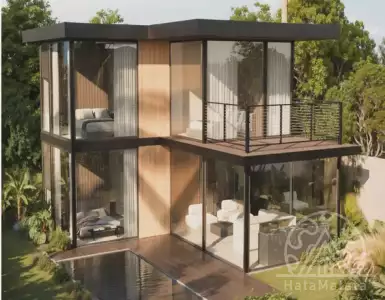
 329 760 $
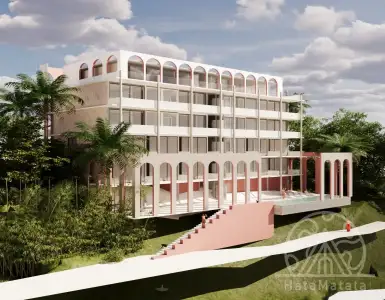 123 110 $
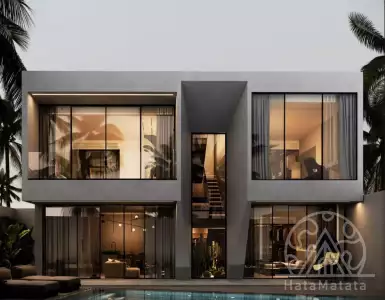 527 616 $
 192 360 $


 606 758 $
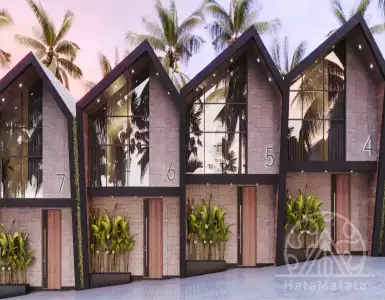 353 942 $

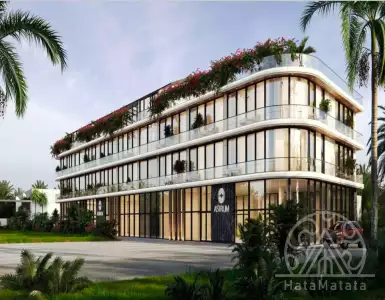 263 808 $

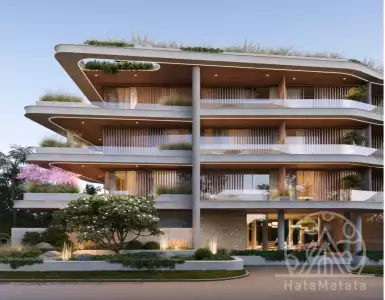 142 500 $
 Legal review:
Deni Gerikhanov, International Real Estate Lawyer
 Financial review:
Evgeniya Skripko, Financial Expert in International Real Estate
🇮🇩 East Bali houses: coastal, rice-terrace residences in Karangasem & Amed regions
Buying a house in East-Bali combines coastal scenery, active local communities and a two-tier market where modest village homes and high-end villa compounds coexist. Buyers find clear value differences between tourist corridors such as Sanur–Nusa Dua and quieter pockets like Amed or Candidasa. Whether you seek a long-term family residence, a short-term rental villa, or an investment house in East-Bali, the region’s transport links, tourism flows and local regulations determine price, yield and liquidity more than in other parts of the island.
🏝️ Living and housing characteristics of East-Bali
East-Bali stretches from the airport-proximate eastern edges of Denpasar through Klungkung to Karangasem on the island’s eastern tip. The geography moves from low coastal plains to volcanic highlands near Mount Agung; that variation creates microclimates — dry coasts and cooler inland valleys — which shape buyer preferences for house types and layouts. Coastal areas such as Sanur and Padangbai are dominated by low-rise villas and seaside compounds, while inland zones around Ubud (eastern fringe) and Sidemen favor terraced land plots and traditional Balinese-style houses.
Infrastructure in East-Bali is a decisive factor for demand: Ngurah Rai International Airport is within easy reach of southern-east districts (Sanur, Nusa Dua), while the Gilimanuk–Amlapura coastal road and the ferry port at Padangbai support inter-island travel. Public transport options remain limited; most buyers prioritize properties close to arterial roads or with private parking. Tourist zones (Nusa Dua, Sanur, Candidasa) sustain short-term rental demand and tourism-linked services, whereas agricultural districts supply local produce and quieter lifestyles attractive to long-term residents.
Housing supply is diverse: leasehold villas and freehold family compounds (through Indonesian entities) coexist with newly built gated communities. This structure creates two main buyer segments: expatriates and holiday investors who favor tourist-proximate villas, and domestic buyers who target land plots and local-style houses. Demand concentrates where infrastructure, tourist footfall and medical/education services converge.
💶 How much House costs in East-Bali
House prices in East-Bali vary widely by district, distance to the sea, land size and developer quality. Typical price bands (indicative market ranges) are:
- Sanur / Denpasar East: IDR 3.0–25.0 billion (approx USD 200k–1.6M) for villas and detached houses close to beach and amenities.
- Nusa Dua (ITDC-managed area): IDR 6.0–40.0 billion (approx USD 400k–2.6M) for premium houses within resort enclaves.
- Ubud eastern fringe / Sidemen: IDR 1.5–10.0 billion (approx USD 100k–650k) for hillside villas and family homes.
- Karangasem (Amed, Candidasa): IDR 600 million–4.0 billion (approx USD 40k–260k) for beachfront bungalows and village houses.
- Klungkung (Semarapura, near Padangbai): IDR 800 million–5.0 billion (approx USD 55k–330k).
Breakdown by property format:
- Small family house (70–150 m² on 100–300 m² land): IDR 600 million–3.0 billion.
- Private villa (2–4 bedroom, pool, 200–500 m² built): IDR 2.0–15.0 billion.
- Investment villa compounds (multiple units or turnkey management-ready): IDR 6.0 billion and up.
Market dynamics and trends:
- Coastal tourism corridors show higher price stability and better short-term rental liquidity.
- Inland and eastern pockets offer lower entry prices and faster land-price appreciation when road upgrades or utilities arrive.
- Resale house in East-Bali inventory is active in mid-market bands; new developments in East-Bali appeal to buyers seeking turnkey management or developer financing.
🎯 Which district of East-Bali to choose for buying house
Choosing the right district depends on purpose: living, seasonal use or investment. Key districts include:
-
Sanur (Denpasar East)
- Advantages: established tourism, good medical and school options, calm beaches.
- Buyer profile: long-term residents and repeat-rental guests.
- Price note: mid-to-high with strong resale demand.
-
Nusa Dua (Badung / ITDC zone)
- Advantages: 5-star resort infrastructure, secure gated enclaves, high-end clientele.
- Buyer profile: luxury investors and owners seeking managed rental programs.
- Price note: premium market and limited new land available.
-
Ubud (eastern fringe) and Sidemen (Gianyar / Karangasem border)
- Advantages: cultural tourism, rice terraces, cooler climate.
- Buyer profile: lifestyle buyers, wellness retreats, long-stay guests.
- Price note: variable — good value for larger plots.
-
Amed and Candidasa (Karangasem)
- Advantages: authentic coastal villages, diving and quiet beaches.
- Buyer profile: niche tourists and owners seeking lower entry price.
- Price note: affordable entry-level for coastal houses.
-
Klungkung / Padangbai
- Advantages: ferry access, emerging holiday rental market.
- Buyer profile: investors targeting island-hopping tourists.
- Price note: mid-range, improving with infrastructure upgrades.
Advantages by practical factors:
- Proximity to Ngurah Rai reduces vacancy for rental properties.
- Areas with international clinics and international schools (Denpasar, Sanur) are favored for family relocations.
- Regions with clear land titles and strata titles have better financing options and resale liquidity.
🏗️ New developments in East-Bali and leading developers
New developments in East-Bali tend to be a mix of resort-managed villas and small-scale gated communities developed by national and regional players. Notable names and projects you will encounter:
-
ITDC (Indonesia Tourism Development Corporation)
- Role: master developer and manager of Nusa Dua resort area, with land-use planning and infrastructure in that enclave.
- Offerings: villas and houses within resort-standard precincts; strong asset management options.
-
National and regional real estate agencies and developers active in Bali
- Examples of brokers and market facilitators: Ray White Bali, Exotiq Property Bali, Seven Stones Indonesia, Harcourts Indonesia — these firms list new developments, resale house in East-Bali and coordinate developer installment plan options.
- Offerings: villa resale, turnkey management packages, small developer-led estates.
-
Resort-to-residence conversions and boutique projects
- Locations: Sanur, Nusa Dua and Ubud fringes feature boutique villa projects and branded residences often sold with management agreements.
- Common features: private pools, on-site concierge, and short-term rental desks.
Typical developer terms and completion levels:
- Many projects deliver turnkey houses with utilities and IMB (building permit) in place; payment schedules range from reservation deposits to staged progress payments.
- Developers often offer 2–5 year installment plans for local buyers; branded-residence developers may include marketing and rental management as part of the package.
🏦 Mortgage and developer installment plan in East-Bali for foreigners
Access to mortgage in Indonesia for foreigners is limited and conditional. Key practical points:
- Bank lending to non-Indonesian residents is possible but uncommon; when available, banks require higher down payments (typically 30–50%), proof of stable income, and may limit lending to certain legal structures (PMA — foreign-owned company).
- Typical consumer mortgage rates in Indonesia for eligible borrowers range around 8–11% (indicative), with tenors up to 15–20 years for local citizens. For foreigners, effective rates and terms are usually less favorable.
- Developer installment plan in East-Bali is common: developers offer short-to-medium term plans (12–60 months), sometimes interest-free for initial periods or with low administrative interest. Down payments often start at 10–30% depending on the developer and project stage.
Practical steps for financing:
- Many foreign buyers pair a developer installment plan for initial payments with later refinancing through a regional bank or personal financing in the buyer’s home country.
- Buyers using a PMA company to hold property should consult advisors about capital requirements and tax reporting before applying for developer financing or a bank mortgage.
🧾 Legal process of buying house in East-Bali
The transaction follows clear stages; being methodical reduces risk and delays. Typical steps:
-
Selection and reservation
- Buyer inspects properties, negotiates price and signs a reservation agreement with a deposit (commonly IDR 20–100 million depending on price tier).
- Bullet list of due diligence checks:
- Original land title (Certificate: Sertifikat Hak Milik, Hak Pakai or Hak Guna Bangunan depending on ownership structure)
- IMB (building permit), PLN (electricity) and PDAM (water) connections
- Local zoning and tourism-related restrictions
-
Sales contract and payment
- Notary prepares and certifies the Sale and Purchase Agreement (AJB — Akta Jual Beli) once conditions are met.
- Typical mandatory costs at closing:
- BPHTB (land transfer tax) — commonly around 5% of the taxable transaction value (buyer’s responsibility in many cases)
- Notary and registration fees (variable, often 1–3% collectively)
- Agent commission (if applicable) 2–3%
-
Registration and handover
- Notary registers the transfer at the local Land Office (BPN). Transfer timelines typically run from reservation to full registration in 4–12 weeks, depending on complexity.
- For foreigners, structures such as Hak Pakai (right to use) or acquisition via a PMA company are standard; direct freehold (Hak Milik) ownership is generally restricted to Indonesian nationals.
⚖️ Legal aspects, taxes and residency related to House in East-Bali
Ownership and fiscal obligations are critical to long-term returns and legal compliance:
-
Ownership structures
- Foreigners usually secure property through leasehold (Hak Sewa), Hak Pakai, or by establishing a PMA company that holds Hak Guna Bangunan for commercial use. Apartments (strata title) can sometimes be held under Hak Pakai by foreigners.
- Important fact: buying a house in East-Bali does not automatically grant a residence permit or citizenship.
-
Taxes and recurring charges
- Acquisition tax (BPHTB) commonly around 5% of the taxable sale value.
- Annual property tax (PBB) is generally low — around 0.1% of assessed value in many districts.
- VAT and income taxes may apply on developer sales and rental income; capital gains are subject to final tax rules at sale. Buyers should budget for closing costs (1–5% additional) and regular utility and maintenance fees.
-
Residency and citizenship
- Residence permit through property purchase in East-Bali is not an automatic right; immigration pathways linked to business investment (KITAS for investors) require different criteria and minimum capital investments that vary by permit type.
- Citizenship through real estate investment in East-Bali is not a direct route; Indonesian naturalization follows stringent, separate rules unrelated to property purchase.
🎯 Which purposes suit buying house in East-Bali
East-Bali suits multiple buyer intents; match purpose to district and property type:
-
Living and relocation
- Best districts: Sanur, Ubud eastern fringe.
- House types: year-round family houses near schools and healthcare; long-term rental demand is stable.
-
Second home / seasonal residence
- Best districts: Amed, Candidasa, Sidemen.
- House types: modest seaside bungalows or hillside villas ideal for seasonal stays and lower running costs.
-
Short-term rental investment and holiday villa
- Best districts: Nusa Dua, Sanur, Ubud fringe.
- Expected yields: gross rental yield for managed holiday villas is commonly 6–10%, net 4–7% after management and maintenance; ROI depends on occupancy and management quality.
-
Premium / resort-grade investment
- Best districts: Nusa Dua and branded pockets in Sanur.
- House types: boutique villa compounds with on-site facilities and hotel-style management; pricing and entry barriers are higher but liquidity and guest quality are stronger.
-
Family or long-term residency linked to schooling or healthcare
- Best districts: Denpasar East (Sanur) and areas with quick access to clinics and international schools.
Looking ahead, Indonesia’s broader tourism growth and continued infrastructure investment on Bali’s eastern corridors are likely to sustain interest in houses in East-Bali. Improvements to roads, safer coastal transport links and expanding boutique hospitality convertibility will continue to influence house prices and rental yields across the region, making careful location selection and legal structuring crucial for any buyer considering a property in East-Bali, whether for lifestyle or investment.