🇮🇩 Umalas, Bali — Family houses near rice paddies, cafes and Seminyak access
Umalas sits neatly between Seminyak and Kerobokan on Bali’s southwest corridor, offering a balanced blend of rice-field views, quiet streets and fast access to Bali’s liveliest hospitality and nightlife hubs. For private buyers and investors, a House in Umalas represents a strategic mix of lifestyle and income potential: short drives to Petitenget and Seminyak beaches, proximity to international schools and coworking hotspots, and a neighborhood profile that attracts long-stay guests and expatriates. The microclimate is tropical with predictable dry and wet seasons and comfortable coastal breezes that support open-plan Balinese architecture and lush gardens. Demand for House in Umalas is driven by leisure tourism, digital nomads and families seeking quieter residential pockets near urban amenities.
💶 How much House costs in Umalas
Buying a house in Umalas spans a wide price spectrum depending on plot size, construction quality and proximity to Seminyak or Jalan Raya Kerobokan. Typical market brackets show clear segmentation between compact villas, family homes and premium estate villas. Average price of house in Umalas commonly falls between USD 250,000 and USD 1,500,000 (IDR ~3.5–21 billion) depending on land area and finishes.
- Prices by district and type:
- Umalas I / Umalas II: compact villas and 2–3 bedroom houses USD 250,000–600,000.
- Kerobokan border (Kerobokan Kelod / Kaja): family homes and upscale villas USD 400,000–1,200,000.
- Perimeter facing rice fields / premium estates: luxury villas USD 900,000–2,500,000.
- Prices by property format:
- Resale house in Umalas (renovated 2–3BR villas): USD 250,000–700,000.
- New developments in Umalas (boutique villa clusters): starting USD 350,000 for 2BR units.
- Standalone family house on private land (200–500 m² plot): USD 450,000–1,300,000.
- Market dynamics and trends:
- Average price of house in Umalas has shown steady appreciation linked to Seminyak/Canggu spillover and constrained land supply.
- Rental yield of house in Umalas typically sits at gross 6–9%, with short-term villa operations peaking higher during high season.
- Investor demand for Investment in house in Umalas focuses on medium-term capital growth and holiday rental income.
🎯 Which district of Umalas to choose for buying house in Umalas
Choosing where to buy house in Umalas depends on use case: private residence, rental business or long-term investment. Umalas is often split functionally between quieter residential lanes and pockets closer to Seminyak commercial corridors where rental demand is higher.
- Key micro-districts and their edges:
- Umalas I: quieter lanes, larger plots, family-friendly; strong appeal for relocation and second home buyers looking for privacy.
- Umalas II: closer to Jalan Raya Kerobokan and eateries; higher walkability and better for short-stay rentals.
- Kerobokan-adjacent zones: better access to tertiary education, hospitals and established restaurants; favored by long-stay expatriates.
- Infrastructure and transport context:
- Ngurah Rai International Airport is typically 20–30 minutes away by car, which supports both holiday rental turnover and family relocation logistics.
- Public transport is limited; most residents rely on cars, scooters and ride-hailing services, making road access and parking important when selecting a house.
- Why districts matter for investment:
- Houses near Jalan Raya Kerobokan command higher nightly rates and occupancy for short-term rentals.
- Rice-field-facing properties in Umalas offer premium pricing per square meter and attract higher-end seasonal clientele.
🏗️ Developers and projects with House in Umalas
Umalas has a market dominated by boutique developers, villa operators and established agencies rather than large-scale mass developers. Many reputable agencies manage both resale and new villa releases in Umalas. Recognizable names active across Bali and in Umalas transactions include established brokerages and villa management firms.
- Prominent agencies and service providers:
- Ray White Bali — wide portfolio of resale villas and leasehold projects, strong market reach for investors.
- Exotiq Property — active in high-quality villa listings and developer collaborations.
- Seven Stones Indonesia — specialized in property sales and management in Seminyak–Umalas corridors.
- Typical project formats and completion level:
- Boutique developments often present 6–20 villas per complex, gated with shared facilities or fully independent villas with private pools.
- Completion level ranges from turnkey luxury finishes to white-box shells for custom fit-out.
- Payment features offered by developers:
- Developer offers often include staged payments, retained escrow and limited developer installment plan in Umalas for off-plan purchases.
- New developments in Umalas frequently provide flexible handover and property management packages to support rental operations.
🧾 Mortgage and installment conditions for foreigners buying House in Umalas
Foreigners face constrained access to Indonesian mortgages but there are pathways via local banks or corporate structures. Typical patterns combine foreign buyer financing through a locally incorporated PMA (foreign-owned company) or developer-led installment plans.
- Mortgage specifics and ranges:
- For foreigners with a PMA or Indonesian spouse, local bank mortgage in Indonesia for foreigners may be available with interest rates around 7–11% and terms generally 5–15 years.
- Down payments for bank financing commonly range 20–40% of purchase price depending on lender risk assessment.
- Developer installment norms:
- House in Umalas with installment plan is commonly offered for off-plan purchases: 12–36 months payment windows, sometimes with an initial 20–30% reservation followed by staged payments.
- Installment plans may be interest-free for short terms or carry modest interest for longer durations; escrow arrangements are standard to protect buyers.
- Practical recommendations:
- Buyers often combine developer installment plan in Umalas with bridging loans or transfer funds via an Indonesian company for clearer title options.
- Engage a local notary and financial advisor early to structure payments and meet bank compliance if pursuing House in Umalas with mortgage.
📝 Legal process and transaction steps to buy House in Umalas
Purchasing a house in Umalas follows a familiar sequence but requires attention to land title types and regulatory checks handled by a PPAT notary and the National Land Agency (BPN). Foreigners must follow ownership structures compatible with Indonesian law.
- Step-by-step process:
- Selection and reservation: sign a reservation agreement and pay a deposit (commonly USD 5,000–20,000 or percentage of price).
- Due diligence: verify land certificate at BPN, confirm zoning, check outstanding mortgages or encumbrances and review building permits.
- Sale contract and notary (PPAT): execute the Sale and Purchase Deed (Akta Jual Beli) through a PPAT notary and submit documents to BPN for transfer.
- Mandatory costs and taxes:
- Buyer typically pays BPHTB (land transfer tax) around 5% of the transaction's taxable value, notary and deed fees ~0.5–1.5%, and developers may add VAT at 10% on new units.
- Annual property tax (PBB) is modest, often less than 0.1% of assessed value.
- Timelines and registration:
- From reservation to full registration commonly takes 4–12 weeks depending on title complexity and whether a PMA company structure is used.
- Keep copies of the HGB or Hak Pakai certificate on record; confirm renewal terms where applicable.
⚖️ Legal ownership, taxes and residency rules for House in Umalas
Understanding title types and residency implications is essential for foreign buyers. Indonesian law does not permit direct freehold (Hak Milik) ownership by foreigners, requiring alternative structures.
- Types of legal ownership:
- Hak Pakai (right to use) and Hak Guna Bangunan (HGB) are the common legal avenues for foreign-involved property; these can be held by an Indonesian national or a PMA.
- Leasehold contracts are widely used and offer clarity on tenure and renewal options.
- Taxes and reporting:
- Buyers should budget for BPHTB (~5%), notary fees, and possible VAT for developer sales; sellers may face final income tax obligations which vary by transaction type.
- Annual PBB is paid by the registered owner or lessee and is typically minor.
- Residency and citizenship:
- Purchase of a House in Umalas does not automatically grant a residence permit or citizenship. Residence permits require separate visa or investment routes, typically linked to employment, business investment thresholds or sponsorship, not direct property ownership.
- Citizenship is not available through property purchase and requires long-term residency and legal procedures beyond real estate acquisition.
📈 Economy, tourism and the market liquidity of House in Umalas
Umalas benefits economically from its proximity to Seminyak, Kerobokan and the Canggu corridor: high tourist arrivals, a dense hospitality supply chain and growing coworking culture underpin steady demand for houses suited to short and medium-term lets.
- Economic drivers:
- The Seminyak–Umalas–Canggu axis hosts restaurants, boutique shops and wellness centers that feed steady tourist and expatriate flows.
- Proximity to Ngurah Rai International Airport and major arterial roads maintains practical connectivity for guests and long-stay residents.
- Impact on liquidity and ROI:
- ROI on house in Umalas depends on operation model: owner-managed short-term rental yields gross 6–9%, while managed villa portfolios with higher occupancy can reach net 4–7% after operating costs.
- Resale liquidity is supported by ongoing foreign interest and domestic buyers seeking relocation closer to Seminyak facilities.
- Business and tax environment:
- Bali’s hospitality ecosystem supports ancillary services—cleaning, property management and digital marketing—that improve operational performance for Investment house in Umalas.
🛏️ Who should buy House in Umalas and typical use cases
Umalas suits diverse buyer profiles: expatriates relocating to Bali, investors seeking holiday rental income, families looking for a quiet urban base and buyers wanting a second home with rental upside.
- Use cases and matching districts:
- Relocation and family living: choose Umalas I / Kerobokan border for access to schools and clinics and larger lot sizes.
- Short-term rental and seasonal income: select properties closer to Jalan Raya Kerobokan or near Seminyak for higher occupancy and nightly rates.
- Second home / premium retreat: rice-field-facing estates in Umalas command premium pricing and attract higher-spending guests.
- Property formats for each purpose:
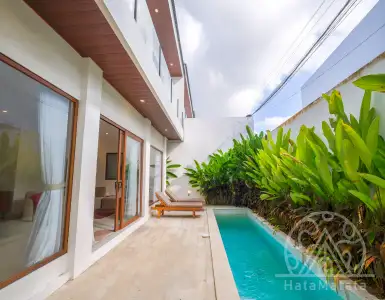
- Second home house in Umalas: 2–3BR villas with private pool and garden, turnkey furnishings.
- Investment house in Umalas: 3–4BR villas with professional management and established booking channels to maximize yield.
- Relocation house in Umalas: family houses with multi-car parking, generator/UPS and storage.
The outlook for the house market in Indonesia points to continued interest in high-demand corridors like Umalas as urban amenities, improved road connectivity and Bali’s sustained appeal to international travelers and long-stay workers keep demand robust. Smart buyers focusing on legal title clarity, realistic yield projections and professional management stand to capture both lifestyle benefits and stable capital growth across the Umalas market.


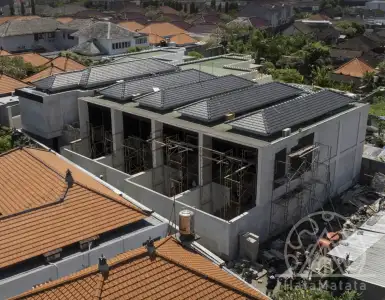 1 990 000 $
 Lilia Karimova, International Real Estate Market Analyst
Updated:
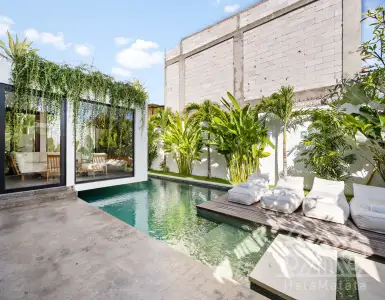 425 000 $
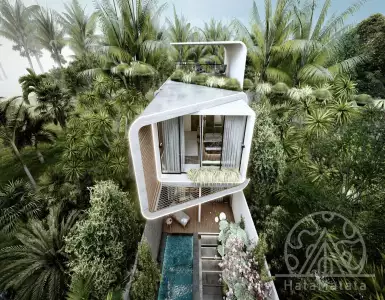 280 000 $
 247 000 $
 270 000 $
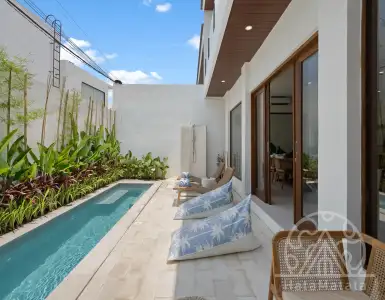 169 000 $
 190 000 $
 Legal review:
Deni Gerikhanov, International Real Estate Lawyer
 Financial review:
Evgeniya Skripko, Financial Expert in International Real Estate
Reviewed: