 3 899 999 $
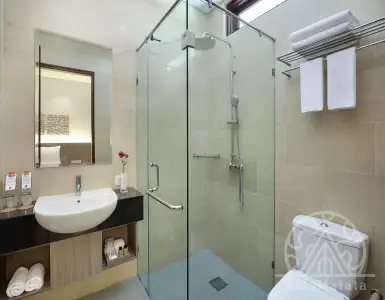
House with 54 bedrooms in Sanur, Indonesia
Bedrooms: 54 Bathrooms: 54
Sanur, Indonesia
Submit RequestDiscover stunning properties in Sanur, Indonesia. Enjoy a relaxed beach lifestyle. Ideal for residential living or investment opportunities.
 Lilia Karimova, International Real Estate Market Analyst
Updated:
3 899 999 $
Sanur, Indonesia
Submit RequestProperties matching your filters: 1
3 899 999 $
Sanur, Indonesia
Submit RequestLeave a request and we will pick 3 best options for your budget
Other suggestions: some details may differ from your filters.
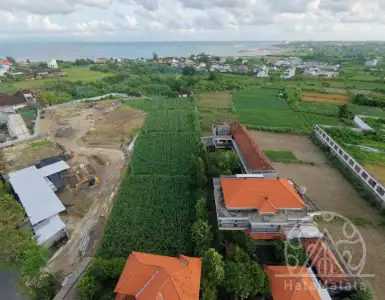 Sea View view 58 700 $
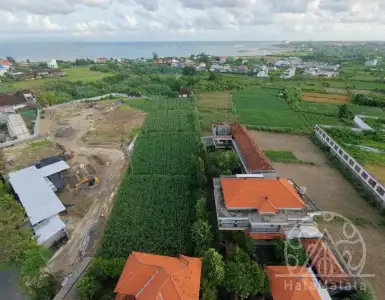 Sea View view 46 900 $
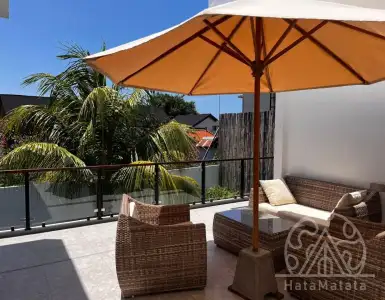 439 000 $
 237 118 $
 273 597 $
 364 797 $
 Legal review:
Deni Gerikhanov, International Real Estate Lawyer
 Financial review:
Evgeniya Skripko, Financial Expert in International Real Estate
Reviewed:
Sanur is one of Bali’s most established coastal neighborhoods, offering a mellow seaside lifestyle with reliable infrastructure and strong year‑round tourism. Buying a house in Sanur means choosing a walkable seaside district with protected coral reefs, calm morning waters, and a coastal promenade that supports steady rental demand and lifestyle living. The market here is driven by a mix of long‑stay expatriates, seasonal visitors, and domestic buyers, which makes both short‑term holiday rental strategies and longer‑term leasing viable for investors and private buyers alike.
Sanur’s pricing sits between the higher‑priced Seminyak/ Uluwatu corridors and more affordable areas inland. Buyers can expect a wide range driven by location, land size, and proximity to the beach. Typical price ranges are approximately USD 150,000–300,000 (IDR 2.2–4.5 billion) for small houses and house plots; USD 350,000–1,200,000 (IDR 5–18 billion) for standard family villas; and USD 1,200,000–5,000,000+ (IDR 18–75+ billion) for premium beachfront properties.
Average price metrics to guide expectations: an average resale house in Sanur typically trades around USD 450,000–700,000 depending on land size and condition. New developments in Sanur skew higher per square meter because they often bundle furniture, pool, and managed rental programs.
Sanur Kauh is the most sought after for buyers who prioritize direct beach access, morning calm seas, and easy walking to cafes and galleries. Properties here command the highest values and the strongest short‑term rental yields because guests pay a premium for ocean proximity.
Sanur Kelod and Sanur Kaja are well suited for families and long‑stay residents seeking quieter streets and larger plot sizes. These areas provide better value per square meter and are popular among expatriate residents who want garden space and privacy.
Mertasari and the Danau Tamblingan corridor are attractive to buyers looking for a mix of residential and commercial convenience, with easier access to Denpasar city center and the airport.
Sanur’s economy is anchored by tourism, hospitality, and small local businesses supporting the visitor economy. The presence of established hotels like Hyatt Regency Bali, Maya Sanur Resort & Spa, Puri Santrian, and Prama Sanur Beach provides consistent visitor flows and raises neighborhood visibility for buyers seeking rental income.
Tax and regulatory environment influences liquidity. Indonesia’s property taxes and transfer duties are moderate compared with many Western markets, which keeps holding costs reasonable, while local licensing and VAT rules affect commercial holiday rental operators and new developments. Investors often weigh short‑term occupancy rates against annual maintenance and tax obligations to calculate net yields.
Sanur has fewer large‑scale mass developments and more boutique residential projects and villa clusters, often developed by local builders and sold through established real estate agencies. Market participants who list and manage houses here include agencies and operators such as Ray White Bali, Exotiq Property Bali, Seven Stones Indonesia, Harcourts Bali, and Bali Villas & Homes.
Developers and selling agents typically present houses as:
Payment terms vary by project: reputable boutique developers commonly offer staged payments with an initial 20–30% deposit and developer installment plans for the balance over 12–36 months, sometimes interest‑bearing for extended terms.
Securing a mortgage in Indonesia for foreigners is limited and more complex than for Indonesian citizens. Most foreign buyers purchase in cash, through long leasehold, or via a local PT PMA structure. Banks that offer mortgages to residents typically require a valid KITAS (work or investor residency) and substantial documentation.
Buyers using developer installment programs should confirm payment schedules, late fees, and escrow arrangements. International buyers sometimes use international banks for bridge loans before local registration is completed.
The purchase workflow for a house in Sanur follows a clear sequence of selection, due diligence, contract, payment, and registration with local land authorities, guided by a PPAT (land deed official) and a notary.
Mandatory costs to budget for:
Timelines vary but expect 4–12 weeks from reservation to registered title for straightforward transactions.
Foreign ownership of land and houses in Indonesia is regulated through title types. Freehold title (Hak Milik) is reserved for Indonesian citizens. Foreign buyers commonly acquire property via Hak Pakai (right to use), Hak Guna Bangunan (HGB), lease agreements, or by purchasing through a locally‑incorporated PT PMA with the appropriate permits.
Buying a house in Sanur does not automatically provide a residence permit through property purchase in Sanur or grant citizenship through real estate investment in Sanur. Immigration status is separate; investors seeking residency should consult immigration specialists about investor KITAS or other visa pathways. Citizenship requires a long legal residency track and naturalization procedures not tied to property purchase.
Taxation specifics to plan for:
Sanur suits a broad set of buyer goals: owner‑occupiers seeking a quiet seaside lifestyle, retirees preferring calm mornings and safe beaches, expatriate families wanting proximity to international schools, and investors targeting stable rental demand.
Expected investment performance:
Sanur’s compact, established nature, consistent tourism, and relative scarcity of large land parcels create a market where quality houses retain value and liquidity. For international buyers and investors evaluating House in Sanur, balancing location, legal title strategy, and realistic operating costs is critical to achieving the intended lifestyle or investment outcome.
As interest in Bali’s coastal areas remains steady, prospects for house markets across the island are tied to infrastructure upgrades, tourism recovery patterns, and regulatory clarity around foreign ownership structures, all of which shape medium‑term demand and the attractiveness of acquiring a House in Sanur today.
Looking for a property in Sanur? Leave a request — we will help you take into account all the nuances, and we will offer objects according to your personal request.