1 300 000 $
House with 7 bedrooms in Canggu, Indonesia
Bedrooms: 7 Bathrooms: 7
Canggu, Indonesia
Submit RequestDiscover exquisite properties in Canggu, Bali, ideal for beach lovers and investors. Enjoy a laid-back lifestyle and high potential for rental income.
 Lilia Karimova, International Real Estate Market Analyst
Updated:
1 300 000 $
Canggu, Indonesia
Submit Request Park View view 1 500 000 $
 1 260 000 $
Canggu, Indonesia
Submit Request 1 154 000 $
Canggu, Indonesia
Submit Request 258 493 $
Canggu, Indonesia
Submit Request 2 650 000 $
Canggu, Indonesia
Submit RequestProperties matching your filters: 6
1 300 000 $
Canggu, Indonesia
Submit Request
Park View view 1 500 000 $
1 260 000 $
Canggu, Indonesia
Submit Request
1 154 000 $
Canggu, Indonesia
Submit Request
258 493 $
Canggu, Indonesia
Submit Request
2 650 000 $
Canggu, Indonesia
Submit RequestLeave a request and we will pick 3 best options for your budget
Other suggestions: some details may differ from your filters.
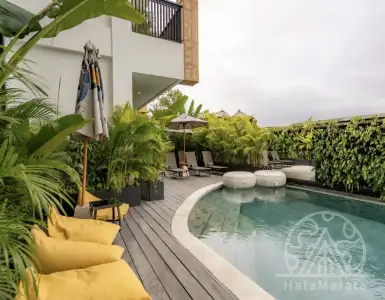 140 000 $
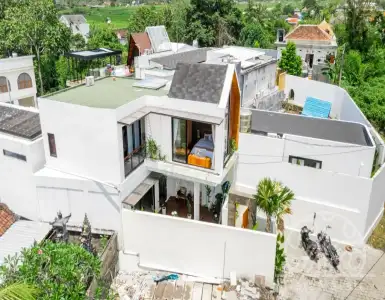 154 100 $
Canggu, Indonesia
Submit Request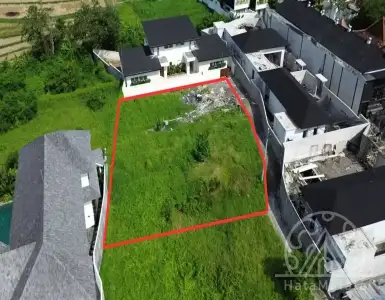 330 000 $
 230 000 $
Canggu, Indonesia
Submit Request 1 250 000 $
Canggu, Indonesia
Submit Request 365 000 $
Canggu, Indonesia
Submit Request Legal review:
Deni Gerikhanov, International Real Estate Lawyer
 Financial review:
Evgeniya Skripko, Financial Expert in International Real Estate
Reviewed:
Canggu is a coastal corridor on Bali’s south-western shore combining surf beaches, rice-field backdrops, and an increasingly sophisticated urban infrastructure that shapes demand for houses and villas. Buyers look here for walkable beach access, international dining, coworking hubs, and a lifestyle built around outdoor living. The result is a housing market where traditional Balinese compounds and newly built villas coexist with low-rise gated house developments, and where location—minutes from Batu Bolong, Berawa or Pererenan—directly affects price, rental performance and long-term liquidity.
Canggu house prices vary sharply by proximity to the beach, plot size and finish level, creating clear market bands buyers can target. Central corridors such as Batu Bolong and Berawa command premiums for short-term rental appeal and nightlife access. Typical market bands include:
Average transaction values are influenced by occupancy potential and title structure. High-demand homes with proven rental records often sell at a 10–30 percent premium versus similar owner-occupied houses. Buyers aiming to Buy house in Canggu should budget for additional closing costs of around 2–6 percent for taxes, notary and transfer fees on top of purchase price.
Batu Bolong is the busiest strip for cafes, coworking and short-term rentals, making it a first-choice target for investor demand. Berawa sits between Batu Bolong and Pererenan with family-friendly schools and fitness studios that attract long-stay expatriates and digital nomads. Pererenan is the quieter, more premium stretch favored by luxury villa buyers and those seeking oceanfront privacy.
Each district presents distinct advantages that determine rental yield and resale speed:
Buyers planning relocation to Canggu and purchase of house should match their purpose—short-stay rental, long-term family home or second home—to the district’s profile to secure expected ROI on house in Canggu.
Canggu’s economy is a hybrid of tourism, hospitality, creative services and remote-work driven micro-businesses, which sustains steady rental demand across seasons. The area benefits from Bali’s overall tourism flows measured in millions of arrivals annually, plus a high concentration of expat entrepreneurs and digital nomads who prefer flexible leases and high-quality houses.
Local business activity includes boutique hospitality, wellness centers, coworking spaces and food & beverage operators, all of which support occupancy and seasonally elevated rates. Taxation for property owners in Indonesia is moderate, with customary obligations including annual property tax (PBB) and transfer taxes; thoughtful tax planning improves net rental yield of house in Canggu. Liquidity is enhanced by consistent inbound travel and a diverse buyer base—private owners, lifestyle relocators and investors seeking Investment in house in Canggu.
Market data shows segmented pricing by district, property format and new versus resale houses. Demand trends indicate consistent interest in 2–4 bedroom villas for both owner-use and rental portfolios. Resale house in Canggu often trades faster when professionally managed and listed with track records.
Price breakdown by district and format:
Rental yield and ROI expectations are neighborhood dependent. Gross rental yields for houses in Canggu commonly range between 4–8 percent, with professionally managed short-term properties at the higher end and long-term rentals producing steadier, lower yields.
Batu Bolong, Berawa and Pererenan are the core districts where most buyers focus because they combine infrastructure and lifestyle with strong rental demand. Each district has unique selling points that affect price and investor appeal.
District advantages with specifics:
Transport infrastructure such as arterial roads to Seminyak and Mengwi, as well as improvements in drainage and utilities, influence which pockets within these districts are most in demand for a House in Canggu.
Canggu’s market mix is dominated by boutique developers, villa builders and hospitality brands that offer private residences. Notable names present in the area include hospitality-residence operators and professional villa managers who add market credibility.
Representative companies and projects:
Project features and payment practices:
Foreigners face limitations when seeking Mortgage in Indonesia for foreigners, but practical routes exist through local banks, international financing and developer-sponsored plans. Indonesian banks generally require higher down payments and adherence to foreign ownership structures such as leasehold or nominee arrangements tailored by legal advisors.
Common financing conditions:
Buyers should expect down payments from 20–40 percent for developer plans and potentially higher for bank financing, plus mortgage eligibility requirements such as proof of income, residency documentation and local guarantors in some cases.
Selecting and securing a house in Canggu follows a predictable sequence that emphasizes due diligence and correct title handling. Each stage requires specialists: licensed agent, notary (PPAT), surveyor and a trusted legal advisor.
Typical buying steps:
Mandatory costs commonly include transfer tax, notary fees and agent commission; buyers should budget an extra 2–6 percent of the purchase price for these items.
Indonesia’s property ownership regimes require careful consideration for foreign buyers. Ownership structures and rental regulations determine what level of control and security buyers will have.
Key legal points:
Engaging a notary and an immigration lawyer early clarifies title options and the practical implications for long-term residence, rental income repatriation and estate planning.
Canggu’s housing stock suits a broad range of buyer profiles from digital nomads to families and institutional investors. Matching purpose to district and property type is essential to meet financial and lifestyle goals.
Typical use-cases and matching locations:
Each scenario carries different financing, management and tax implications that directly affect predicted ROI on house in Canggu.
Canggu’s blend of surf culture, improving infrastructure and diversified buyer demand continues to underpin strong interest in house purchases across budgets and purposes. With careful attention to district choice, title structure, and realistic financial planning—whether using a developer installment plan in Canggu or exploring Mortgage in Indonesia for foreigners—the market remains attractive for long-term ownership and rental strategies, pointing to sustained prospects for house market growth across Bali.
Looking for a property in Canggu? Leave a request — we will help you take into account all the nuances, and we will offer objects according to your personal request.