


Flat in Bali
Do you want to buy flat in Bali? We'll tell you where to start

Liliya
International Real Estate Consultant
Need help choosing a property?
Leave a request and our manager will contact you.
International Real Estate Consultant
Flat in Bali
Do you want to buy flat in Bali? We'll tell you where to start
Liliya
International Real Estate Consultant
Need help choosing a property?
Leave a request and our manager will contact you.
International Real Estate Consultant
Selection flats in Bali in 15 minutes
Leave a request and we will select the 3 best options for your budget
Weather in Bali
 !
!
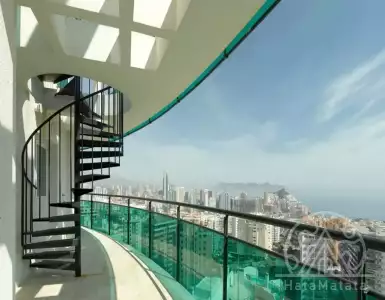
For sale Flat , Spain 210 091 $
📌 A few apartments for sale in Cala de Finestrat - a cozy place between Benidorm and Vieijahoyosa with a...
 !
!
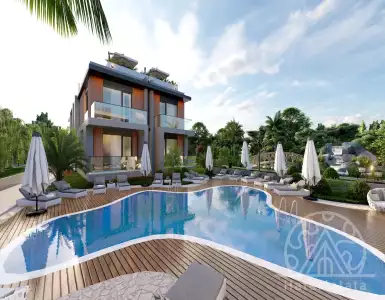
Flat for sale , Cyprus 126 673 $
The new residential complex is located in the foothills of Alsanjak. The complex consists of two two-storey buildings. Block A - 12...
For Sale flat in Bali
Flats in East-Bali
 4
4
 38
38
 1
42
1
42
 1
33
1
33
Flats in Bukit-Uluwatu
 1
1
 1
36
1
36
 1
1
36
1
1
36
 1
1
40
1
1
40
Do you want to buy flats in Bali? We'll tell you where to start
Leave a request and we will select the 3 best options for your budget
International Real Estate Consultant
Flats in Ubud-Central
 1
1
57
1
1
57
 1
1
167
1
1
167
 1
2
39
1
2
39
Flats in Tabanan
 1
1
40
1
1
40
 1
1
71
1
1
71
 2
1
85
2
1
85
Flats in Umalas
 1
1
31
1
1
31
 1
1
51
1
1
51
 3
3
114
3
3
114
Flats in Seminyak
 1
1
27
1
1
27
 1
1
27
1
1
27
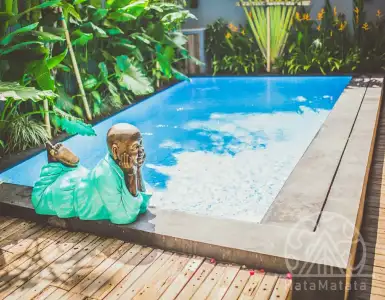 1
1
27
1
1
27
Flats in Canggu
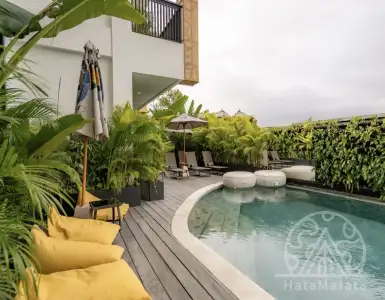 1
1
50
1
1
50
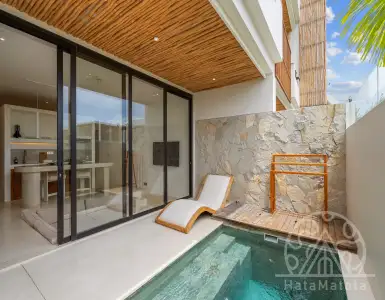 1
1
66
1
1
66
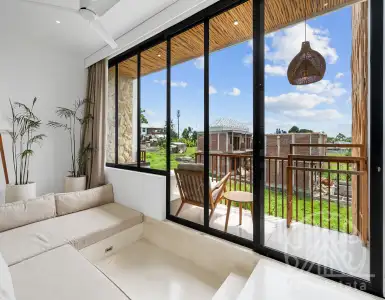 1
1
48
1
1
48
Flats in Ubud


Flats in Uluwatu
 1
28
1
28
 1
34
1
34
 1
60
1
60
Flats in Bukit

Selection flats in Bali in 15 minutes
Leave a request and we will select the 3 best options for your budget
🇮🇩 Buying flats in Bali: prices, ownership rules and key neighbourhoods (Denpasar, Canggu)
Bali is not just an island of beaches and rice terraces — it is a layered property market where apartments and flats meet tourism, lifestyle relocation and investment demand. Buyers looking to buy flat in Bali find a mix of short-stay serviced apartments, mid-rise condominiums and strata-title complexes close to beaches, airports and business nodes. The market is driven by tourism density, strong rental demand in Seminyak, Canggu and Nusa Dua, growing digital-nomad and co‑living communities in Canggu and Ubud, and urban supply in Denpasar for locals and corporate tenants. Practical considerations — accessibility to Ngurah Rai International Airport, road links like the ByPass Ngurah Rai, and infrastructure such as shopping centers, international hospitals and schools — shape where flats sell fastest and at what price points.
🏝️ Geography, transport and lifestyle factors shaping the flat market in Bali
Bali’s geography creates distinct micro-markets: southern tourism corridors (Kuta, Legian, Seminyak, Canggu), the luxury enclave of Nusa Dua and Jimbaran, cultural Ubud inland, and Denpasar as the island’s administrative and commercial core. These zones determine flat demand: short-term tourist rentals concentrate in Kuta–Seminyak–Canggu; long-stay expats and families prefer Sanur, Nusa Dua and Denpasar for schools and healthcare access.
Major transport arteries and nodes influence pricing and liquidity. Ngurah Rai International Airport proximity boosts demand for short-stay flats in Kuta and Jimbaran; the ByPass corridor increases attractiveness of Denpasar–Sanur–Nusa Dua properties. Planned and existing infrastructure such as the Bali Mandara Toll Road and new arterial upgrades increase rental catchment for mid-market flats.
Lifestyle features feed distinct buyer profiles: surf-and-cafe culture in Canggu, luxury resort living in Nusa Dua, and cultural tourism in Ubud. That mix produces a market where studio and 1‑bed flats serve tourists and investors, while 2–3 bedroom flats and serviced-apartments suit expatriate families and relocation buyers.
💶 How much a flat in Bali costs — prices, sizes and market segments
Prices vary widely by district, property format and level of finish. Typical unit types and sizes are: studio 28–45 sqm, 1BR 45–75 sqm, 2BR 75–140 sqm, and larger premium units. Average price bands across the island:
- Denpasar and Sanur: entry-level flats USD 40,000–120,000 for studios and small 1BRs; mid-range 1–2BR USD 120,000–250,000.
- Kuta / Legian: popular for short-term rentals, studios and 1BRs USD 60,000–180,000; high-demand finished units up to USD 300,000.
- Seminyak / Canggu: premium rental corridors, 1BR–2BR flats USD 120,000–450,000, with luxury branded residences exceeding USD 500,000.
- Nusa Dua / Jimbaran: resort-flat segment and branded residences USD 150,000–600,000 depending on sea views and facilities.
Market dynamics: resale flat in Bali tends to trade faster in holiday corridors; new developments of flat in Bali typically command a premium for beachfront proximity and branded amenities. Gross short‑term rental yields in peak areas commonly range 6–10%, with net yields after management and taxes around 3–5% depending on occupancy and seasonality.
🎯 Which district of Bali to choose for buying flat — leading locations and pros
Each district suits a different buyer objective — rental, relocation, family living or premium investment. Key areas and advantages:
- Seminyak: high-end dining, beach clubs, strong short-term rental rates; great for investors targeting premium tourists and longer stays.
- Canggu: surf lifestyle, coworking, large digital‑nomad community; strong seasonal demand and capital growth prospects.
- Kuta / Legian: mass-tourism hub with consistent occupancy, easier entry prices and fast turnover for investors focused on volume.
- Nusa Dua / Jimbaran: resort-grade inventory and family-oriented buyers; steadier upscale rental market and corporate retreats.
- Sanur: quieter, long-stay expatriate community with stable long-term rental demand and proximity to international schools.
- Denpasar: local economy and civil service demand; affordable options for relocation and permanent residency with strong local rental market.
Advantages summarized in bullet form:
- Infrastructure: Ngurah Rai Airport, Bali Mandara Toll Road, hospital networks (Siloam, BIMC), international schools (Green School nearby Ubud, Dyatmika in Sanur)
- Transport: good road links, planned upgrades easing inter-district travel
- Rental demand: high in coastal corridors, steady corporate and student demand in Denpasar
🏢 Leading developers and real projects offering flats in Bali
Large hotel operators and established Indonesian developers often deliver flats or branded residences in Bali; buyers encounter both local developers and international hotel brands converting inventory into strata-title apartments. Examples of real operators and projects active or present in Bali:
- Accor / Pullman / Novotel — branded hotel residences and serviced apartments in Nusa Dua and Kuta areas offering managed rental programs.
- Marriott International (St. Regis, W Bali) — luxury resorts in Nusa Dua and Seminyak with branded residences or serviced suites that occasionally move as resale inventories.
- Aman Resorts (Amandari Ubud) and Four Seasons Jimbaran — resort residences and villa clusters offering premium ownership structures for high-net-worth buyers.
- Local developers and hospitality groups such as Bali-based boutique developers and larger Indonesian groups partner with international brands to deliver converted flats and serviced apartment blocks in Seminyak, Sanur and Denpasar.
Typical project features and payment options found in the market: - Formats: serviced apartments, condominium towers, mixed-use buildings with retail, and branded residences.
- Infrastructure: on-site pools, housekeeping, management agreements with hotel operators, and integrated short-term rental services.
- Payment terms: developer deposit + staged payments, developer installment plan for flat in Bali with 12–36 months interest-free options in some launches.
🧾 Mortgage and developer installment conditions for foreigners in Bali
Mortgage options for foreigners are available but conservative. Indonesian banks and international lenders servicing the market follow stricter rules for non-resident buyers. Typical patterns:
- Bank mortgages: many banks require 30–50% down payment for foreigners, with loan terms usually 5–15 years, and interest rates commonly in the range 7–11% depending on currency and borrower status. Banks usually ask for proof of income, residency or work permits (KITAS), and local collateral structures.
- Developer installment plans: common for new developments of flat in Bali; short-term interest-free plans of 12–36 months are frequent, with longer structured plans tied to banks for bridging to mortgage. Developer installment plan for flat in Bali often requires a reservation deposit 5–10%, staged payments during construction and a final payment on handover.
- Practical tips: foreign buyers often combine developer financing for the pre-completion phase and local bank mortgage at completion; some choose to use international mortgage brokers to access cross-border lending products.
🧭 Step‑by‑step process of buying flat in Bali
Buying a flat in Bali follows a sequence adapted to local law and market practice: selection, reservation, due diligence, contract, payment, registration and handover. Key steps and mandatory actions are:
- Selection and reservation with a deposit (commonly 5–10%) and a reservation agreement.
- Due diligence: verify strata-title availability, foreign ownership quota in the complex, check the developer’s completion record, and review building permits and certificates.
- Contracting: sign Pre-Sale Purchase Agreement (PPJB) or sale and purchase deed with notary; comply with payment schedule.
- Transfer and registration: registration with Land Office and issuance of strata title or Hak Pakai for foreigners; notary prepares the deed of sale (AJB) and local taxes are settled.
Mandatory costs and timelines: buyers should budget for notary and registration fees, VAT on new units where applicable, transfer tax and potentially agent fees. The typical timeline from reservation to handover in new developments runs from several months to a few years depending on construction status.
⚖️ Legal aspects of owning a flat in Bali for foreigners
Indonesian law allows foreigners to acquire apartments under the strata-title regime but with limits. Main legal points to consider:
- Foreigners may obtain Right to Use (Hak Pakai) for apartments or acquire units through a foreign-owned PT PMA company which can hold HGB (Right to Build) on land; quota rules can limit foreign ownership percentage in a strata building.
- Buying a flat in Bali does not automatically grant a residence permit or citizenship; immigration status for long-term stay is typically arranged through work permits (KITAS), investor KITAS structures requiring company formation and capital requirements, or other visa programs.
- Taxes and obligations: owners pay annual property taxes (PBB) and, on sale, the transaction may be subject to VAT or transfer taxes; capital gains are typically treated under income tax rules. Registration with the local land office and notarised deeds are mandatory for legal ownership and for obtaining strata title.
🏡 Who should buy a flat in Bali and which locations suit each purpose
Flats in Bali serve a wide range of buyer goals — living, relocation, seasonal stays, rental income and capital preservation. Typical use-cases matched to locations:
- Short-term rental investors: Seminyak, Canggu, Kuta for high occupancy and premium nightly rates with studios and 1BR units as the primary format.
- Relocation and family living: Sanur, Nusa Dua, Denpasar for access to international schools (Dyatmika, Green School region access), hospitals (BIMC, Siloam) and calmer neighborhoods with larger 2–3BR flats.
- Seasonal or second home buyers: Jimbaran and Seminyak offer lifestyle amenities and branded residences suitable for holiday use with on-site management.
- Premium segment and family estates: branded residences (St. Regis, Four Seasons) and larger duplex flats near Nusa Dua and Jimbaran, where security and service levels justify higher pricing.
Bali’s flat market remains underpinned by consistent tourist flows, diverse buyer profiles from lifestyle expats to yield-focused investors, and a mix of branded and local supply. Demand concentrates where infrastructure, airport access and lifestyle amenities intersect, and liquidity is strongest in the southern tourism corridors while Denpasar offers stable local rental demand and more affordable entry points. If you are considering to buy flat in Bali, weighing ownership structure, finance route and target rental strategy will define both immediate cashflow and long‑term appreciation prospects.
Frequently Asked Questions
Across Bali, one-bedroom flats typically list between IDR 1.2–4.0 billion (≈ USD 80,000–270,000). Price per sqm commonly ranges IDR 20–50 million (≈ USD 1,300–3,300/sqm); prime spots like central Seminyak/Canggu can exceed IDR 60 million/sqm (≈ USD 4,000/sqm). Prices vary by location, finishes and lease structure.
Foreigners generally cannot hold freehold land (Hak Milik) in Bali. You can acquire flats via ‘‘right to use’’ (Hak Pakai), foreign strata titles where allowed, or long-term leases. Structures often include 25–30 year initial leases with renewal options. Always confirm the specific title and registration before purchase.
Buying a flat in Bali does not automatically grant residency or citizenship. Residence permits (KITAS/KITAP) require work, family, study, or investment visa routes. Investment-linked visas exist but are separate processes; expect visa applications and approvals to take several weeks to months depending on the route.
Short-term holiday flats in Bali can achieve gross yields of roughly 6–10% in top locations with 50–70% annual occupancy; long-term rental yields are typically 3–5% gross. Net yield depends on management, seasonality and platform fees; expect turnover and vacancy variation between high and low tourist seasons.
Key growth corridors in Bali include Seminyak, Canggu, Ubud, Sanur and parts of South Kuta. These areas combine tourism demand, infrastructure upgrades and lifestyle appeal. Expect stronger appreciation in walkable, serviced locations near beaches, cafes and transport nodes over a 5–10+ year horizon.
Typical costs: transfer tax (BPHTB) commonly around 5% of transaction value, final income tax on property sale often withheld at about 2.5% of proceeds, VAT (~10%) may apply to new developer sales, plus notary, registration and modest annual land & building tax (PBB). Exact rates depend on deal structure and title.
Typical timeline: 2–6 weeks for inspections, due diligence and negotiation; 4–8 weeks for contract, notary processing and title transfer. Total transaction often completes in 1–3 months. Key steps: offer, due diligence on title, signing sale deed with notary, payment, registration and handover.
Local bank mortgages to non‑residents are limited. Foreign buyers often pay cash, use home-country financing, or buy via a foreign-invested company (PMA) to access local loans. Where available, expect higher down payments (commonly 30–40%) and shorter tenors than local loans.
Flats in Bali can preserve capital and hedge inflation if in strong tourist or lifestyle locations. Expect moderate liquidity and dependence on tourism cycles; a 5–10+ year holding period improves chances of capital growth. Diversify and account for maintenance, taxes and vacancy risk when measuring real returns.
Verify title type (Hak Pakai, strata), seller ownership and encumbrances, building permits and completion certificates, lease terms and extension rights, HOA rules, tax history and zoning. Use a notary for exam of land registry; allow 2–4 weeks for comprehensive legal due diligence.
Properties by Region
- Flats in Bali (1858)
Properties by Country
- Real estate in Bulgaria (11408)
- Real estate in Montenegro (5368)
- Real estate in Indonesia (2423)
- Real estate in Spain (2289)
- Real estate in Portugal (1975)
- Real estate in Italy (1900)
- Real estate in Turkey (1699)
- Real estate in Cyprus (1592)
- Real estate in Thailand (1565)
- Real estate in Croatia (1431)
- Real estate in Greece (1082)
- Real estate in USA (1013)
- Real estate in France (1006)
- Real estate in Georgia (519)
- Real estate in Serbia (328)
- Real estate in Slovenia (123)
- Real estate in Egypt (23)
Free real estate consultation in Bali
Don't know which area to choose in Bali? We will tell you in which areas it is better to live or invest, and show you the appropriate options.

Maria Guven
Head of Direct Sales Department
+90-507-705-8082