280 000 $
 165 308 $
 121 500 $
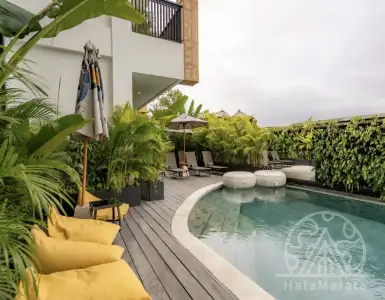 140 000 $
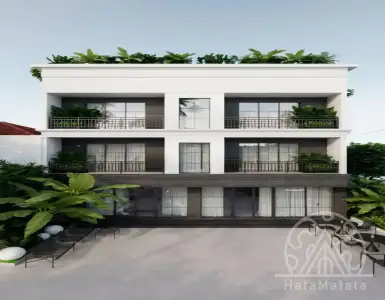 77 900 $
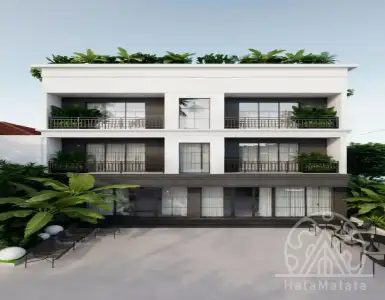 144 000 $
 99 000 $
 105 000 $
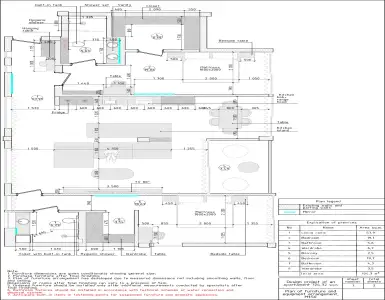

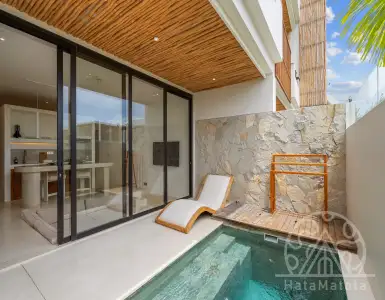 109 000 $
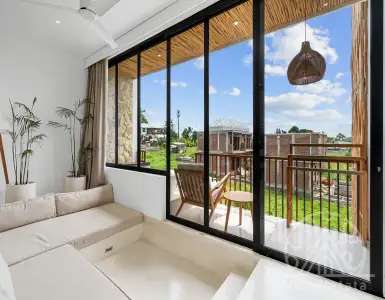 99 000 $
 Legal review:
Deni Gerikhanov, International Real Estate Lawyer
 Financial review:
Evgeniya Skripko, Financial Expert in International Real Estate
🇮🇩 Kuta, Bali flats: beachfront and central condo prices, neighborhoods, lease options
Kuta is the gateway of Bali for many buyers seeking a beachside flat with strong rental potential and active urban life. The area combines the busiest tourist strip on the island, direct access to Ngurah Rai International Airport, and a dense mix of hotels, restaurants and retail that keeps year‑round demand for short‑term and mid‑term rentals. For private buyers and investors alike, understanding how Kuta’s geography, transport links and local regulations shape the flat market is the first step to a successful purchase.
🏝️ City characteristics of Kuta and how they influence buying flat in Kuta
Kuta occupies the southern coastline of Bali in Badung Regency and includes the famous Kuta Beach, Legian and nearby Tuban. The district is low‑lying with flat topography, a tropical monsoon climate and high seasonality driven by international tourism and domestic weekend flows. These features create strong demand for compact flats that serve holiday rentals and lifestyle buyers who want immediate beach access. Kuta’s transport structure is focused on the central artery Jalan Pantai Kuta and the proximity to Ngurah Rai International Airport in Tuban, which places many flats within 10–20 minutes of arrivals and departures. This accessibility lifts short‑stay occupancy and supports service‑oriented property formats such as studio and one‑bed flats with hotel‑style management. Kuta’s urban structure mixes tourist corridors, family neighborhoods and commercial zones. As a result, the housing market is segmented: short‑term rental hotspots near the beach and Jalan Legian, longer‑term local demand in residential pockets inland, and mixed‑use developments around major roads. Flat layouts popular here are studio (25–40 m²) and 1–2 bedroom (45–90 m²) units optimized for turnover and higher nightly rates.
💼 Economy and business climate of Kuta and effects on flat in Kuta
Kuta’s economy is dominated by tourism, hospitality and retail, with a large ecosystem of restaurants, surf schools, tour operators and event venues. The area also hosts corporate services that support tourism—transport operators, travel tech start‑ups and hospitality management firms—so employment demand supports mid‑term rental markets. Tourist flows bring millions of annual visitors to Bali, concentrated in southern zones including Kuta and Legian, which sustains high occupancy for holiday flats and resilient short‑term rental yields. Business activity around the airport and major roads ensures steady demand from corporate short stays and airline crews. Taxation and operating costs are moderate compared with many international beach resorts, but regulatory complexity—especially land titles and foreign ownership rules—affect the liquidity of flats. Flats marketed on leasehold titles or through developer‑managed rental programs typically show higher immediate liquidity and clearer exit prospects for foreign buyers.
💶 How much Flat costs in Kuta
Prices for a flat in Kuta vary by location, size and whether the project is new or resale. Typical market ranges are:
- Studio (25–40 m²): USD 50,000 – 120,000 (approx IDR 750 million – IDR 1.8 billion)
- 1‑bedroom (45–65 m²): USD 90,000 – 220,000 (approx IDR 1.4 billion – IDR 3.3 billion)
- 2‑bedroom and larger (70–120 m²): USD 180,000 – 450,000 (approx IDR 2.7 billion – IDR 6.8 billion) Price differences by format and district:
- Kuta Beach/Legian: higher nightly rates, compact units priced at the top of ranges.
- Tuban/Airport fringe: mid‑range pricing, strong corporate demand.
- Seminyak/Kerobokan fringe: premium for design and lifestyle, often above USD 200,000 for 1‑bedroom. New developments vs resale flat in Kuta:
- New developments often carry developer premiums of 10–25% over comparable resale units due to warranties, contemporary finishes and managed rental programs.
- Resale flat in Kuta can offer immediate cash flow if already operating in the short‑term rental market. Market dynamics and yields:
- Average gross rental yield for a flat in Kuta is typically 5–8%, with seasonal peaks well above that for centrally located holiday units.
- Occupancy for professionally managed holiday flats in peak areas frequently reaches 60–80% during high season and may average 35–55% annually depending on marketing strategy.
🎯 Which district of Kuta to choose for buying flat in Kuta
Kuta Beach and Legian
- Kuta Beach and Legian offer the strongest tourism density, highest nightly rates and immediate beachfront access. Demand is driven by international tourists and nightlife visitors.
- Advantages include walking distance to clubs, surf schools and retail. Price premiums are highest here for small, efficient flats optimized for short stays.
- Typical buyers: investors seeking high turnover, short‑term rental operators, buyers wanting a lively second home. Tuban and Airport Fringe
- Tuban combines airport proximity with more affordable plots and larger project footprints. It draws transfers, airline crews and business travelers.
- Advantages include superior transport links, lower price per square meter than beachfront, and easier logistics for property management.
- Typical buyers: investors focused on steady mid‑term rentals, expatriates working in airport services. Kerobokan and Seminyak fringe (within Kuta District)
- These areas are more upscale, with boutique retail, high‑end dining and villa neighborhoods. Flats here command premium pricing for design and lifestyle credentials.
- Advantages include higher long‑term capital appreciation and appeal to longer‑stay foreigners and families.
- Typical buyers: buyers seeking premium second homes, boutique rental operators.
🏗️ Leading developers and projects where you can buy flat in Kuta
National and international developers with a presence in Bali and the Kuta corridor include:
- Lippo Group (large mixed‑use and hospitality experience across Indonesia)
- Agung Podomoro and Ciputra Group (national developers with apartment experience and branded residence projects)
- International hotel groups often associated with branded residences and managed rental programs: Accor (Mercure, Novotel), Hyatt and Hilton with properties and management services in the southern Bali corridor Representative types of projects in Kuta:
- Branded hotel‑apartment conversions that combine hotel services with apartment ownership, offering rental management agreements and regular maintenance.
- Mid‑rise condominium projects targeting holiday rentals and expatriate owners, commonly offering studio to 2‑bedroom units with shared pools, reception and co‑working spaces.
- Integrated mixed‑use schemes near Jalan Kartika Plaza where retail, F&B and flats coexist, optimizing short‑term revenue. Payment terms and completion features:
- Developers typically offer staged payment schedules, often 10–30% down payment followed by staged draws until handover, with completion guarantees and warranties.
- Many projects provide optional developer installment plans for 12–36 months interest‑free or at preferential rates to attract foreign buyers.
🏦 Mortgage and developer installment plan options for buyers of flat in Kuta
Mortgage in Indonesia for foreigners is constrained but possible under certain conditions:
- Local banks generally prefer lending to Indonesian citizens, though some banks extend mortgage facilities to foreigners who hold KITAS (work or investor permits) or if the buyer uses an Indonesian company (PMA) structure. Down payments often range 30–40% with loan tenors up to 15–20 years for eligible borrowers. Developer installment plan in Kuta:
- Common developer plans include interest‑free installments for 12–36 months, progressive payments during construction, and longer deferred payment promotions for off‑plan units.
- International buyers frequently combine developer plans with leasehold contracts (Hak Sewa or Hak Pakai) or acquire through a PMA company to secure longer title terms. Typical buyer requirements and rates:
- Banks require proof of income, local bank accounts, and sometimes local collateral for non‑resident loans. Interest rates vary but are often higher for non‑residents than for locals and subject to the bank’s foreign exposure policy.
📝 Step‑by‑step process of buying flat in Kuta
Selection and reservation
- Start by shortlisting districts and projects, visiting units and checking rental performance for resale flats. Reservation often requires a modest deposit to hold the unit. Due diligence and legal checks
- Conduct title checks at the National Land Agency (BPN), confirm developer permits (IMB and Amdal where applicable) and verify ownership status (Hak Milik, Hak Guna Bangunan, Hak Pakai). Contract, payment and notary
- The legal purchase path typically moves from Reservation → PPJB (Sale and Purchase Binding Agreement) → AJB (Deed of Sale and Purchase) executed before a PPAT (land deed official/notary) for final transfer and registration. Costs and timelines
- Mandatory costs include BPHTB (transfer tax, commonly around 5% of transaction value), notary fees (commonly 1–2%), and administrative registration fees. Transfer can take 4–12 weeks after full payment depending on title complexity and BPN processing times.
⚖️ Legal aspects of owning flat in Kuta, taxes and residency implications
Title and ownership structure
- Foreigners cannot typically hold freehold title (Hak Milik) directly. Common legal structures for foreigners to acquire flats include Hak Pakai (Right to Use), Hak Guna Bangunan (HGB) via an Indonesian PMA company, or leases. Each has fixed terms and renewal options. Rental rules and taxes
- Renting out a flat is permitted but subject to Indonesian tax rules: owners must register for tax ID, declare rental income and pay applicable income taxes and local property tax (PBB), which is typically modest. Developers and agencies often handle compliance for managed units. Residence permit and citizenship
- Purchasing property does not automatically grant a residence permit or citizenship. Residence permits are obtained through separate immigration pathways (employment, investor visa, family reunification) and citizenship requires lengthy naturalization; property purchase alone is not a qualifying route.
🏠 For whom a flat in Kuta is most suitable and which neighborhoods match each purpose
Living and relocation
- Flats in quieter pockets inland or in Kerobokan‑adjacent areas suit families relocating to Bali, offering better schools and calmer streets. Typical units: 2–3 bedroom apartments with bigger living areas. Seasonal residence and second home flat in Kuta
- Buyers seeking a second home or seasonal base often choose Kuta Beach, Legian or Seminyak fringe for lifestyle and immediate leisure access. Studios and 1‑bedrooms are common here. Rental and investment flat in Kuta
- Investors prioritize units close to the beach, airport access and major nightlife streets for high short‑term demand and better ROI on flat in Kuta. Managed apartments with proven occupancy histories are preferred. Family or long‑term residence
- Longer‑term family use tends to favour larger flats in Tuban or Kerobokan where space, international schools and quieter neighborhoods are available. Premium segment
- Premium buyers look to Seminyak and high‑design projects offering branded services and higher long‑term appreciation potential.
The prospects for flats in Kuta remain anchored in tourism and infrastructure: proximity to Ngurah Rai Airport, continuing interest from international leisure travelers and an established short‑stay rental ecosystem keep demand consistent, while evolving regulatory clarity and developer offerings expand secure options for foreign buyers and investors.